Healthcare System-based Case Formulation of Suicide Events after Acute Care

This presentation will focus on exploring foundational principles of healthcare system-based case formulation using the Exploratory, Preparation, Implementation, and Sustainment (EPIS) implementation science model. Learners will develop skills for applying the formulation approach to identify the proximal and distal causes of process failure within health systems that lead to adverse suicide-related events.

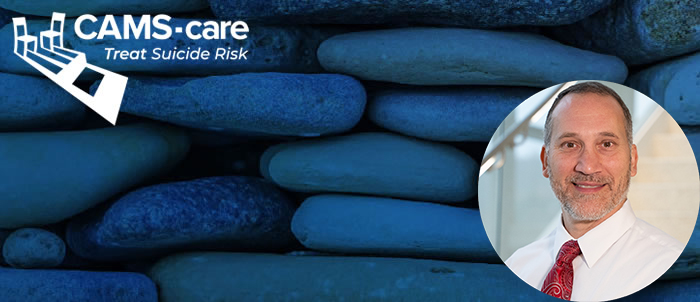
Edwin Boudreaux, PhD

About Edwin Boudreaux Ph.D.

Edwin D. Boudreaux, PhD, is a clinical health psychologist with a significant focus on suicide prevention and intervention. He holds the position of Professor of Emergency Medicine, Psychiatry, and Population and Quantitative Health Sciences at the UMass Chan Medical School. Dr. Boudreaux is also the Vice Chair of Research for the Department of Emergency and Co-Director of the Center for Accelerating Practice to End Suicide (CAPES).
He received his undergraduate education at the University of Louisiana and earned his PhD from Louisiana State University, where he studied health psychology. He completed his internship at the Medical University of South Carolina, specializing in addiction treatment. Dr. Boudreaux is licensed as a clinical psychologist in Massachusetts and has a strong background in integrating behavioral health across various medical settings, including emergency medicine, inpatient, and primary care.


David A. Jobes, PhD

About David A. Jobes Ph.D. ABPP

David Jobes, PhD, ABPP, is the founder of CAMS-care, LLC. He began his career in 1987 in the Counseling Center of the Catholic University of America, where he developed a suicide risk assessment tool for college students that evolved into CAMS. Dr. Jobes is now a Professor of Psychology and Associate Director of Clinical Training at Catholic; he has trained thousands of mental health professionals in the United States and abroad in evidence-based assessment and treatment of suicide risk and the use of CAMS.

Watch the Recorded Webinar On-Demand

Enter your information to gain access.

  • This field is hidden when viewing the form
  • This field is hidden when viewing the form
  • This field is hidden when viewing the form
  • This field is hidden when viewing the form
  • This field is hidden when viewing the form
  • This field is hidden when viewing the form
  • This field is for validation purposes and should be left unchanged.

404 ERROR: Mistakes We Need to Stop Making in Suicidology On-Demand

Rates of death from heart disease, stroke, drunk driving, homicide, and other public health problems have fallen substantially. Yet, suicide deaths have not declined. Why is suicidology not doing better? In this webinar I suggest that we overvalue predicting suicide — so much so that we mistakenly treat prediction as synonymous with understanding and preventing suicide. In reality, highly accurate real-world prediction is a) neither sufficient nor necessary for suicide prevention, b) impossible to achieve, and c) an inappropriate basis for developing and validating suicide theory. These claims may sound counterintuitive, but they reflect common knowledge and practice in other fields of health and science. If we want to make progress, suicidology must correct these mistakes, and adjust suicide research and prevention efforts accordingly.

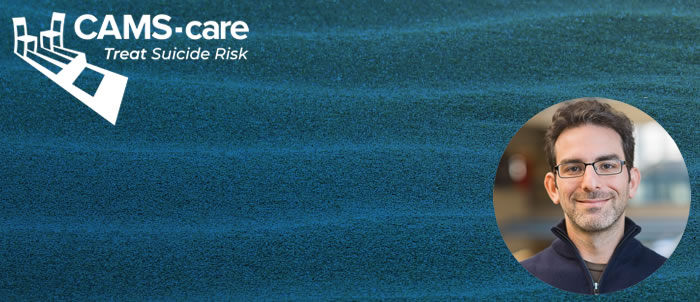
Dr. E. David Klonsky

About Dr. E. David Klonsky

E. David Klonsky, PhD, is Professor of Psychology at the University of British Columbia. He has more than 100 publications on suicide, self-injury, and related topics, and his contributions have been recognized by awards from the American Association of Suicidology, Association for Psychological Science, and Society of Clinical Psychology (APA). He is Past-President of the International Society for the Study of Self-injury, Associate Editor of Suicide and Life-Threatening Behavior, and has advised the American Psychiatric Association for DSM-5 and both the US and Canadian governments regarding suicide and self-injury prevention. In 2015 he published the Three-Step Theory (3ST) of suicide.

Watch the Recorded Webinar On-Demand

Enter your information to gain access.

  • This field is hidden when viewing the form
  • This field is hidden when viewing the form
  • This field is hidden when viewing the form
  • This field is hidden when viewing the form
  • This field is hidden when viewing the form
  • This field is hidden when viewing the form
  • This field is for validation purposes and should be left unchanged.

On-Demand: Providing Effective, Risk Managed Treatment for Potentially Suicidal Patients in Outpatient Private Practice

CAMS-care has partnered with The Trust and TrustPARMA to offer this free webinar as a way for psychologists to build awareness about using an evidence-based, suicide-focused treatment for suicidal patients. Our experts will explore the issues psychologists face and how to address licensing boards and angry clients. They’ll also look at the prevalence of suicidal ideation and why training more clinicians in evidence-based treatment is paramount to reducing the national suicide rate.

They’ll detail the magnitude of suicide rates in America, screening and assessment best practices to determine when to hospitalize a suicidal patient and the considerations for treating patients in an outpatient clinical setting. There will be an overview of evidence-based treatments (DBT, CT-SP, BCBT, and CAMS), systems of care, why psychologists will continue to play a vital role, using the Suicide Status Form (SSF) as a clinical roadmap, and much more.

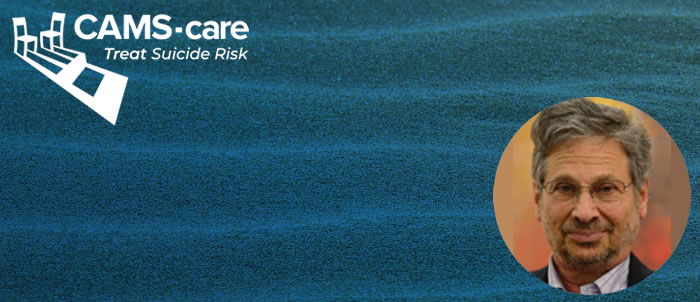
Dr. Eric A. Harris

About Dr. Eric A. Harris

Dr. Harris is a licensed psychologist and attorney in Massachusetts. Dr. Harris received his J.D. from Harvard Law School and his Ed.D. in Clinical Psychology and Public Practice from the Harvard University School of Education. He was the initiator of the Trust risk management program in 1994 and has provided risk management services to Trust Insured since then.


Watch the Recorded Webinar On-Demand

Enter your information to gain access.

  • This field is hidden when viewing the form
  • This field is hidden when viewing the form
  • This field is hidden when viewing the form
  • This field is hidden when viewing the form
  • This field is hidden when viewing the form
  • This field is hidden when viewing the form
  • This field is for validation purposes and should be left unchanged.

Meeting the Growing Need for Training in Evidence-Based Suicide Prevention and Treatment

While there are many obstacles to training in effective suicide & evidence-based prevention and treatment, CAMS-care tackles the alarming training deficit with a robust offering of training on how to use the evidence-based and outcome-based CAMS (Collaborative Assessment and Management of Suicidality) system of care.

CAMS-care understands that suicide prevention requires equipping healthcare workers and clinicians with effective training. To fulfill the mission of reducing suicide deaths globally, CAMS training is thoughtfully crafted to be accessible and impactful for individuals and organizations alike, ensuring that the necessary knowledge and skills can be disseminated widely to those committed to suicide prevention efforts.

CAMS-care Suicide Prevention Training Highlights

Easily Accessed

Especially in this age of COVID-19, online delivery systems make remote training accessible while limiting in-person contact. All elements of CAMS training are available online, including role-playing modules and consultations.

Convenient & Flexible for Busy Schedules

Since all CAMS training is on-demand, it can be completed at any time, and there are no deadlines. Clinicians and healthcare workers can complete the materials at their own pace, at any time convenient to them. This level of flexibility helps facilitate training for anyone, regardless of their schedule.

Affordable for Individuals & Companies

Although the CDC reports that suicide is the 10th leading cause of death in the United States and the second leading cause of death in youth, funding for suicide prevention and treatment lags behind other top causes of death, as pointed out in a 2018 article by USAToday. However, CAMS-care’s training is very affordable, and most budgets can easily accommodate the cost – whether they be individual modules or through a company.

Increases Confidence

Working with suicidal patients can be intimidating at first for many healthcare providers, especially when they are unsure of how to best interact with clients who present with suicidal behaviors & tendencies. It’s not always clear how to best help them. CAMS-care’s suicide prevention training recognizes these challenges and provides clinicians with the knowledge and tools to gain confidence in working with even the most challenging cases. Thousands of clinicians and organizations all over the world are using CAMS as their preferred method of training and treatment.“The CAMS model and training tools have very quickly helped us to feel more confident and prepared to manage risky patients. Assessment and treatment in these cases are often confusing, and we have benefitted greatly from the structure of the CAMS approach, which has helped us on a case by case basis to understand the phenomenon of suicide risk and organize our treatment approach. I have yet to find a comparable framework that is as accessible to clinicians and yet so robust.” –Eric Lewandowski, NYU Langone

Evidence-Based and Outcome-Based Treatment Plans

The CAMS Framework® is backed by 30 years of on-going clinical research, with replicated data across various clinical research studies. In fact, the Joint Commission issued a Sentinel Event Alert on February 24, 2016 titled Detecting and Treating Suicidal Ideation in all Settings. In recommendations for Behavioral Health Treatment and Discharge, CAMS was identified as one of four “evidence-based clinical approaches that help to reduce suicidal thoughts and behaviors.”

Mitigates Suicide Malpractice Risk

Often, the reality and proliferation of malpractice lawsuits prevent even the best, well-meaning therapists from treating suicidal patients – and that’s a significant loss for the 12 million suicidal ideators in this country. However, proper documentation using evidence-based, suicide-specific treatment greatly reduces this risk, and the CAMS “Suicide Status Form (SSF)” provides just that. With the SSF, which is a collaborative tool used in every treatment session, CAMS helps clinicians complete exhaustive medical record documentation that ensures competent clinical practice that far exceeds the standard of care and decreases exposure to malpractice liability.


New “CAMS Trained™” and “CAMS Certified™” Designations

To further support CAMS-care’s mission to save lives by training clinicians to effectively treat suicidal patients, CAMS-care now offers “CAMS Trained” and “CAMS Certified” designations. These designations offer a clear path to those seeking to help treat & prevent suicidal ideation by creating a network of accessible care for patients.

CAMS Trained

The path to becoming CAMS Trained requires only 10 hours of course work and 4 hours of consultation calls when working with patients. Course work involves completing 4 elements:

    • The CAMS Foundational Video Course
    • Online Role-Play Training Day
    • CAMS Consultation Calls
    • CAMS Book

All training is available online. For an additional fee, up to 16 Continuing Education Credits are available.

Anyone with the CAMS Trained designation has the option of being included in the online CAMS Clinician Locator, which helps those in need find qualified CAMS providers in their area.

Learn more about becoming CAMS Trained here.

CAMS Certified

Building on the foundation received with the CAMS Trained designation, becoming CAMS Certified involves demonstrating your knowledge of and adherence to the CAMS Framework

Learn more about CAMS Certified here.

Death by suicide rates are sadly on the rise, but with effective training in evidence-based suicide prevention systems of care, we can slow this trend, together.

About Andrew Evans - CAMS-care President and COO

Andrew Evans - CAMS-care President and COO
Andrew Evans is the President and COO of CAMS-care, the exclusive training company for the Collaborative Assessment and Management of Suicidality, created by world renowned suicidologist, Dr. David Jobes. Very few clinicians receive any training in suicide prevention so they lack confidence and feel unprepared to work with people who have serious thoughts of suicide. CAMS-care has trained over 30,000 clinicians in CAMS as part of its mission to save lives through effective care.

Malpractice Liability Related to Suicidal Risk: How to Decrease the Risk

Few clinical concerns frighten mental health providers more than the fear of being sued for malpractice related to working with suicidal patients.

In my professional life, I routinely train clinicians across the spectrum of mental health care. Over the past thirty years, I have trained thousand of mental health providers who practice in virtually all disciplines and treatment settings. As an Associate Director of Clinical Training in an APA-accredited clinical psychology training program, I have had countless opportunities to discuss the topic of suicide risk assessment and treatment with aspiring mental health providers. In all my years of teaching, training, supervising, and consulting, I have been struck by the concern that seemingly affects all types of mental health providers: the fear of malpractice liability pertaining to clinical work with suicidal patients.

Mental Health Providers Want to Know “How Do I Not Get Sued?”

Recently, I presented at a psychiatric grand rounds at a prestigious medical center. As often is the case with such engagements, I had a series of meetings with young mental health providers at this facility – psychologists, clinical social workers, and psychiatrists. In one meeting, I was introduced to a group of young providers, and they were invited to ask me “anything under the sun” about clinical work and suicide risk. After going around the room, the single most pressing question, by far, was, “How do I not get sued if a patient of mine takes their life?” We had an hour to talk about any topic related to clinical suicide prevention, and yet we spent fifty minutes talking about how to avoid getting sued.

This example underscores perhaps the most problematic aspect of the fear of malpractice liability related to treating suicidal patients. Namely, that mental health clinicians can easily become preoccupied with the perceived threat of malpractice and thus resort to defensive practices. In adopting a defensive posture, one may come to see the suicidal patient as a threat to one’s professional livelihood. Within this dynamic, the patient (and potentially the patient’s family) may seem like the enemy—an adversary who is ready and eager to sue if treatment goes south.

Fatal Suicide Outcomes Are Often Viewed as Malpractice

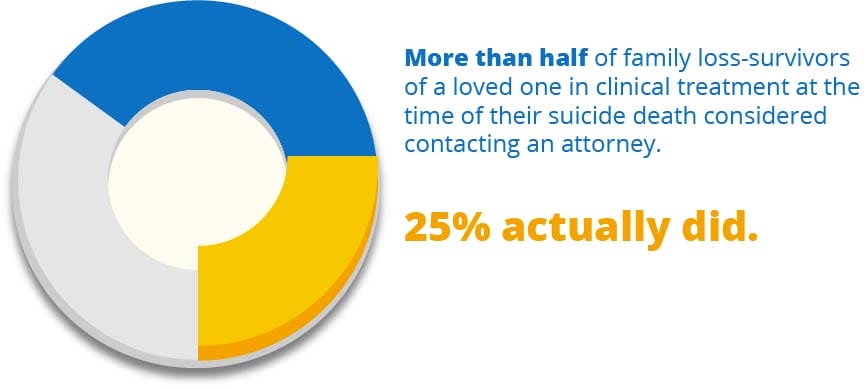
Early survey data has shown that when there’s a fatal suicide outcome of someone engaged in mental health care, the majority of family members studied considered the death of their loved one as an obvious case of malpractice. Indeed, within this survey, 25% of family members of people who had died by suicide contacted an attorney to pursue litigation for malpractice.

Reflecting on the topic of mental health provider malpractice, it is interesting to note that, within our culture, there is not the same routine presumption of negligent liability with other fatal outcomes following health care treatment. Certainly, with egregious examples, malpractice litigation is considered (e.g. a surgical procedure in which a surgical tool is left in the body). But despite the fact that we live in a highly litigious society, malpractice lawsuits are not routinely considered across health care delivery as they are in cases of suicide. There is one notable exception: Fatalities in childbirth that occur during delivery also often prompt the assumption of negligent malpractice. As a society, apparently, there is little tolerance for care that fails to prevent a self-inflicted death or the loss of an infant during childbirth. Even if the care provided was competent or heroic, a lawsuit might well be considered and pursued.

Fear of Malpractice Can Change the Way You Practice

In describing the topic of malpractice liability, I do so in full recognition that any death is a personal and family tragedy. But the concern that I am presently raising is how the fear of malpractice litigation can potentially paralyze an otherwise conscientious provider – leading to the proverbial deer in headlights. Such paralysis can lead to defensive practices in mental health care that might decrease the apparent exposure to malpractice risk but may have little to do with what is actually in the patient’s best interest.

As I have written about elsewhere, defensive practices within mental health can often lead to the overuse of inpatient psychiatric hospitalizations. Because of fear of malpractice, this type of “better safe than sorry” rationale often comes into play for patients who do not necessarily need this level of intensive intervention. In addition, there is often an overreliance – even a kind of wishful thinking – related to prescribing psychotropic medications to treat underlying psychiatric disorders of suicidal people. Despite the fact that the literature supporting the use of medicine to treat suicidality is limited or mixed at best, malpractice-related concerns may compel pursuing options that are extreme or ineffective.

If defensive practice is not the best way to avoid a malpractice suit, what is?

Definition of Malpractice in Mental Health Care

The answer to this question lies in understanding what constitutes malpractice. Briefly, malpractice is a tort action wherein a plaintiff (typically a surviving family member of someone who has died by suicide) engages a lawyer to argue that the defendant (the mental health provider) insufficiently met the “standard of care” and that what the provider did or did not do was a direct or proximate cause of the fatal outcome.

The standard of care for mental health providers is defined on a case-by-case basis by expert witnesses who attest to what a similarly trained clinician (with a similar case and in a similar setting) would do. An expert witness is hired by the plaintiff’s attorney to argue that the defendant did not meet this standard of care. The burden of proof lies with the plaintiff. In turn, the defendant’s lawyer hires their expert witness who argues that the mental health provider actually did meet the standard of care.

What ensues is an unpleasant process of discovery of records and relevant documentation, interrogatories, and depositions of the major parties within the case. Many, if not most, malpractice cases do not make it to trial—they get dropped or settled—yet the process of litigation can be traumatic for the defendant.

How to Decrease Your Potential Exposure to Suicide-related Malpractice Liability

More than twenty-five years ago, I published a journal article about how mental health providers can decrease their exposure to malpractice liability related to suicide. The glib answer was, and is, to save every suicidal patient! In reality, tragically, this is not always possible.

What one can do, however, is provide the best possible care, which is both suicide-specific and well-documented. This can be readily accomplish in your routine clinical practice by developing and adhering to “usual and customary practices” that focus on four key pillars of competent clinical care for suicidal patients.

These key pillars are:
1) Routinely and thoroughly assess for suicidal risk, and document that risk within the ongoing medical record.
2) If your patient is suicidal, there should be a sufficient focus on suicidality within the treatment plan, the use of a stabilization plan, and ongoing discussions about lethal-means safety.
3) As a competent mental health provider, you cannot “drop the ball” on the topic of suicide within the ongoing course of care. This means that the issue of suicide should be routinely assessed, treated, and well-documented.
4) You need to seek consultation on cases of potential suicide and document the consultative input.

Fatal suicide outcomes in mental health care are difficult for everyone involved, including families, providers, and organizations. But such outcomes are not necessarily legitimate grounds for malpractice litigation. There is no guarantee that by following these relatively simple steps, you will not be sued in the event of a fatal suicide outcome. But such routine practices can reduce one’s risk of malpractice exposure to negligible levels. This is because plaintiff attorneys take malpractices cases on contingency, which means they do not make a great deal of money unless they win or settle the case.

Skip Simpson, one of the nation’s leading plaintiff attorneys, has noted that if mental health providers follow the steps listed above and diligently document their practices, there is little incentive for malpractice lawyers to pursue litigation. Why? Because if a provider does follow these steps, the central litigation question becomes: Where was the negligence? Mental health providers are not expected to be mind readers or miracle workers, with unlimited control over the behaviors of their patients. But they are expected to be competent and to meet or exceed the standard of care.

CAMS Integrates “Competent Care” into All Clinical Care

While mental health providers can readily follow the recommended steps described above, the use of CAMS ensures that these basic steps of competent care are “baked” into their clinical care practices. CAMS, which stands for “Collaborative Assessment and Management of Suicidality,” is an evidence-based approach for the assessment and treatment of suicidal risk.

While I have seen cases in which patients who received CAMS-guided care have died by suicide, I have never seen or heard of a successful case of malpractice against a provider who adherently used CAMS. I have in fact seen on a few occasions that the use of CAMS has directly discouraged the pursuit of malpractice litigation. More to the point, I have directly seen or heard about countless cases in which CAMS successfully helped suicidal patients walk back from the brink of self-destruction.

Within CAMS-care, all of the members of our team are dedicated to reliably providing the best possible mental health care for patients at risk of suicide. In most cases, that will result in saving a life and averting the hardship that befalls families—and providers—who lose someone to suicide.

About David A. Jobes Ph.D. ABPP

David A. Jobes Ph.D. ABPP
David Jobes, PhD, ABPP, is the founder of CAMS-care, LLC. He began his career in 1987 in the Counseling Center of the Catholic University of America, where he developed a suicide risk assessment tool for college students that evolved into CAMS. Dr. Jobes is now a Professor of Psychology and Associate Director of Clinical Training at Catholic; he has trained thousands of mental health professionals in the United States and abroad in evidence-based assessment and treatment of suicide risk and the use of CAMS.

Suicide Malpractice Statistics | The Risk of Suicide Malpractice Lawsuits

Cams-care Image : Suicide Malpractice Lawsuits

Suicide Malpractice Lawsuits

Mental health providers who work with suicidal patients are particularly vulnerable to suicide malpractice lawsuits and related liability issues.

Studies have revealed that over 50% of families of patients who died by suicide consider the fatal outcome to be a clear-cut case of malpractice. Shockingly, 25% of these families even consult with a lawyer regarding filing a malpractice lawsuit. As such, mental health professionals must be diligent in providing appropriate care, documenting thoroughly, and taking steps to mitigate suicide risk to avoid liability and potential lawsuits.

Why Do Patients and Families Consider Suing for Suicide Malpractice

Patients and families often consider suing for suicide malpractice due to the devastating consequences of a loved one’s suicide. Many families believe that the suicide could have been prevented if the mental health provider had taken appropriate measures, such as adequately assessing and documenting suicide risk, providing adequate treatment, and monitoring for warning signs. Failure to take such measures can be seen as a breach of duty, and families may view it as negligence on the part of the mental health care provider.

Additionally, families may consider suing for suicide malpractice because they feel that it is the only way to hold mental health care providers accountable for their actions or lack thereof. In many cases, families are seeking answers and justice for their loved one’s death. While no amount of compensation can fully make up for the loss of a loved one, a successful malpractice lawsuit can provide families with some measure of closure and financial support.

Reducing Suicide Risk and Malpractice

To mitigate the risk of suicide malpractice lawsuits and related liability issues, mental health care providers must prioritize delivering competent care throughout all clinical settings. By providing personalized and compassionate suicide prevention therapy that is tailored to each patient’s unique needs, mental health professionals can help mitigate suicide risk and improve outcomes for their patients.

At CAMS-care, we offer a well-established suicide-specific intervention that has been developed based on over 30 years of clinical research and global usage. Our evidence-based approach enables mental health providers to assess and mitigate suicide risk factors while enhancing patient care. By utilizing our proven intervention, providers can reduce the risk of malpractice lawsuits while improving outcomes for suicidal patients.

About David A. Jobes Ph.D. ABPP

David A. Jobes Ph.D. ABPP
David Jobes, PhD, ABPP, is the founder of CAMS-care, LLC. He began his career in 1987 in the Counseling Center of the Catholic University of America, where he developed a suicide risk assessment tool for college students that evolved into CAMS. Dr. Jobes is now a Professor of Psychology and Associate Director of Clinical Training at Catholic; he has trained thousands of mental health professionals in the United States and abroad in evidence-based assessment and treatment of suicide risk and the use of CAMS.