Hidden Lessons from Black Suicide Science

Given the preponderance of suicidogenic risks and vulnerability for Black adults and youth, one might predict higher rates of suicide death in the Black community. However, suicide and factors that contribute to suicide “resilience” are understudied among Black Americans. Dr. Walker will discuss patterns of suicide death, highlight relevant research from the Culture, Risk, and Resilience Lab, and propose important steps in addressing suicide as a serious but preventable public health concern.

About Dr. Rheeda Walker

Dr. Rheeda Walker is an award-winning Professor of Psychology, a fellow in the American Psychological Association, and a leading scholar who has published more than 60 scientific papers on African American mental health, suicide risk, and emotional resilience. She is also a licensed clinical psychologist who prepares doctoral students for independent careers.

Dr. Walker’s impact has expanded beyond academia and she has quickly become a fan favorite with the release of her first book, The Unapologetic Guide to Black Mental Health. Delving into the heart of the Black experience, Dr. Walker debunks myths about mental health, builds the case for psychological fortitude, and delivers practical advice for use in everyday life. Her charismatic vision and practical approach to life’s challenges have led to numerous appearances on Good Morning America, The Breakfast Club, and NPR, among others. She is often quoted in major publications like the Washington Post, the Los Angeles Times, the Huffington Post, GQ Magazine, and the Houston Chronicle.

Dr. Walker’s eclectic mix of experiences positions her well to achieve her ultimate goal of bringing culturally-informed, psychological fortitude to both professional and lay audiences.

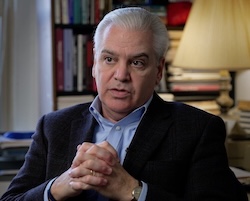
About David A. Jobes, Ph.D., ABPP

David Jobes, PhD, ABPP, is the founder of CAMS-care, LLC. He began his career in 1987 in the Counseling Center of the Catholic University of America, where he developed a suicide risk assessment tool for college students that evolved into an evidence-based treatment, CAMS, recognized by the Joint Commission, the Surgeon General, Zero Suicide, and the CDC. Dr. Jobes is now a Professor of Psychology and Associate Director of Clinical Training at Catholic; he has trained thousands of mental health professionals in the United States and abroad in evidence-based assessment and treatment of suicide risk and the use of CAMS.

  • This field is hidden when viewing the form
  • This field is hidden when viewing the form
  • This field is hidden when viewing the form
  • This field is hidden when viewing the form
  • This field is hidden when viewing the form
  • This field is hidden when viewing the form
  • This field is for validation purposes and should be left unchanged.

After Your Child’s Suicide Attempt

What to Do After Your Child’s Suicide Attempt — and How CAMS-Care Can Help

When a child has attempted suicide, the days and weeks that follow are often filled with fear, confusion, guilt, and uncertainty. Many parents describe feeling overwhelmed — unsure of what to say, what to do next, or how to help their child begin to heal. The video Parents to Parents: After Your Child’s Suicide Attempt was created to speak directly to these very real experiences, offering guidance from both clinicians and other parents who have walked this difficult path.

This guidance aligns with principles from the Zero Suicide Initiative, an organization that offers evidence-based, suicide prevention consultation and guidance. Research on the Zero Suicide Framework shows that care is improved (individually and at a system level) when it is proactive, collaborative, and specifically focused on suicide risk rather than general mental health alone.

The video linked at the bottom of this page can help parents understand what recovery actually looks like after an attempt: how to talk with their child, how to create safety, and how to partner with clinicians in a structured and hopeful way during a frightening time.

1. Acknowledge the Emotional Impact

First and foremost, it’s important for caregivers to recognize and validate their own emotions. Guilt, fear, anger, panic, numbness, and even relief can all coexist in the aftermath of a suicide attempt. These feelings are understandable — and common.

The video underscores that, while it can feel isolating, parents are not alone, and their reactions are shared by many families who have survived this crisis.

2. Understand What Comes Next

After the immediate medical response (emergency care, hospitalization if needed), the focus shifts to support and safety. This includes:

  • Co-creating a safe home environment by removing/securing or reducing access to potential means of harm.
  • Engaging with clinicians and mental health providers to initiate follow-up care, including therapy and psychiatric support.
  • Listening openly to your child’s feelings and thoughts without judgment, and letting them know they are loved, valued, and safe. The film encourages parents to learn what signs to watch for, how to talk about the attempt with their child, and how to make mental health care accessible.

3. Seek Evidence-Based Suicide-Focused Care

One essential piece in a child’s recovery journey is accessing evidence-based therapeutic approaches that focus specifically on suicidality rather than general mental health management alone. One such model is the Collaborative Assessment and Management of Suicidality (CAMS) — often referenced in suicide care communities and clinical settings.

CAMS is a suicide-specific treatment framework that actively involves the young person in identifying what is “driving” their suicidal thinking and collaboratively building a plan to address those drivers. It’s not a rote checklist; it’s a flexible, empathic approach where the clinician and child (or family) work together to:

  • Assess suicidal risk in depth
  • Create personalized safety and stabilization plans
  • Build treatment beyond safety and stability that moves teens towards lives they find worth living
  • Track progress and adapt care as needed

This model has been supported by research showing reductions in suicidal ideation, hopelessness, and distress, and improved engagement with care — all critical in the period after an attempt.

CAMS-4Teens® is a framework in which a clinician works with the parents to keep the home safe and provide guidance on how best to support your child through a course of CAMS treatment( typically six to 8 one-hour sessions) using the Stabilization Support Plan (CAMS-4Teens: Working with Parents).

Parents can locate a CAMS Trained™ clinician in their area using the CAMS‑care Clinician Locator.

4. Build a Support Team Around Your Child

Recovery is rarely a solo journey. The video highlights the value of connecting with both professional and community support — including family therapists, school counselors, peer support groups, and other caregivers who understand the experience. Parents who have been there often say that having someone to talk to — whether a trained provider or another parent who has survived similar circumstances — can make all the difference.

5. Maintain Hope and Patience 

Perhaps the most crucial message is one of hope. While a suicide attempt is a serious and frightening event, it does not mean a child is beyond help or that recovery isn’t possible. With appropriate care, safety planning, ongoing support, and open, compassionate treatment and communication, many families find their way back to stability and connection. Over time, parents and children can work toward healing together — learning new ways to cope, to stay connected, and to build a future worth living.

Please visit Supporting Parents | Zero Suicide where the film can be viewed in chapters and there are additional resources for healthcare providers, faith leaders, and schools.

Fact vs Fiction: What Actually Works in Contemporary Clinical Suicidology- 2025 CAMS Update

Much of what is done in the name of clinical care for suicidal risk is based a well-established history that centers on controlling a person who is suicidal largely out of fear and a presumption that providers know best what the person needs. Importantly, clinical research is increasingly showing that many common practices for suicidal risk are ineffective or may actually increase risk. This presentation systematically reviews the history of dealing with suicidal risk from its medieval origins, through decades of a carceral medical model approach, right up to present day suicide-focused interventions that reliably and effectively decrease suicidal suffering and related behaviors. This presentation separates fact from fiction–what actually works based on clinical science, in marked contrast to largely fear-based clinical practices that have little to no empirical support too often relying on habit or wishful thinking. To this end, the presentation considers screening for suicidal risk, the use of voluntary and involuntary hospitalization, safety-plan type interventions and other acute interventions, as well as suicide-focused treatments that reliably reduce suicidal risk. Various challenges to enhancing clinical suicide care are considered along with recommendations for the way forward.

David A. Jobes, PhD

About David A. Jobes, Ph.D., ABPP

David A. Jobes, Ph.D., ABPP, is a Professor of Psychology, Director of the Suicide Prevention Laboratory, and Associate Director of Clinical Training at The Catholic University of America. Dr. Jobes is also an Adjunct Professor of Psychiatry, School of Medicine, at Uniformed Services University. He is the author of seven books and hundreds of articles and book chapters. He is the creator of the Collaborative Assessment and Management of Suicidality (CAMS) and one of the founders of CAMS-care, LLC (a professional training and consultation company). Dr Jobes is the recipient of many awards such as the 2022 Alfred M. Wellner Award for Lifetime Achievement (for research excellence) from the National Register of Health Service Psychologists and the 2025 “Erwin Ringel Service Award” for contributions to suicide prevention from the International Association of Suicide Prevention (IASP). He is a Fellow of the American Psychological Association and is board certified in clinical psychology (American Board of Professional Psychology). Dr. Jobes maintains a private clinical and consulting practice in Washington DC and in Maryland.

Edwin Boudreaux, PhD

About Kevin Crowley, Ph.D.

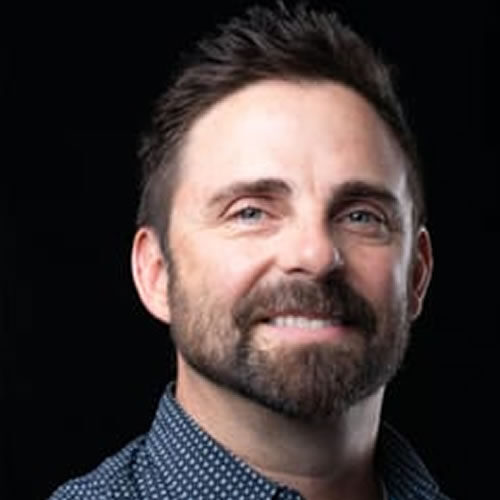
In addition to serving as a CAMS-care Senior Consultant, Dr. Kevin Crowley works as a Staff Psychologist at Capital Institute for Cognitive Therapy, LLC, and as a Lecturer at The Catholic University of America. He has conducted risk assessments, delivered suicide-specific treatments, and provided suicide-focused consultation and training through the VA Health Care System and outpatient private practices since 2010. He has also been involved in several suicide-focused program evaluations and formal research projects through The Catholic University of America’s Suicide Prevention Laboratory (Washington, DC) and the Rocky Mountain MIRECC for Suicide Prevention (Denver, CO). Dr. Crowley’s research to date has emphasized brief interventions for reducing shame and suicide risk, understanding suicide “drivers,” and considerations for optimizing the effectiveness of suicide-focused training. He has presented this research and offered clinical workshops at the annual conventions of both the American Association of Suicidology and the Association for Behavioral and Cognitive Therapies.

Watch the Recorded Webinar On-Demand

Enter your information to gain access.

  • This field is hidden when viewing the form
  • This field is hidden when viewing the form
  • This field is hidden when viewing the form
  • This field is hidden when viewing the form
  • This field is hidden when viewing the form
  • This field is hidden when viewing the form
  • This field is for validation purposes and should be left unchanged.

Modeling the Complexity of Suicide and Self-Harm using Computational Clinical Science

Mental disorders are incredibly complex, heterogeneous, and dynamic phenomena. Dr. Wang’s research aims to develop and harness novel methods that can capture and model this complexity, with a focus on suicide and other forms of self-harm. In this talk, Dr. Wang first presents a series of studies investigating why people engage in self-harming behaviors by identifying their reinforcement functions, which has also helped test and revise fundamental assumptions about the nature of these behaviors. Second, Shirley describes her data-driven computational work, which harnesses machine learning and real-time monitoring to predict who is at risk for suicide and self-harm and when risk is highest. Third, she discusses her theory-driven computational work investigating how suicide and self-harm arise by building formal mathematical models of these phenomena as complex dynamical systems. Finally, Dr. Wang outlines future directions for her research, which will continue integrating methods from clinical science, machine learning, and mathematical modeling to advance the understanding, prediction, and prevention of suicide and self-harm.

Shirley B. Wang, Ph.D.

About Shirley B. Wang, Ph.D.

Shirley B. Wang, Ph.D. is an Assistant Professor in the Department of Psychology at Yale University, where she directs the Computational Clinical Science Lab. She received her BA from The College of New Jersey (2017) and her PhD from Harvard University (2024). Her research aims to develop and harness methods that can capture and model the immense complexity of psychopathology, including mathematical, computational, and intensive longitudinal methods. She is particularly interested in why people engage in self-destructive behaviors, including suicide, nonsuicidal self-injury, and eating disorders. Dr. Wang’s work has been funded by the National Institutes of Health, the National Science Foundation, several private foundations, and published in over 50 scientific papers and book chapters. Her research and mentorship has also been recognized through the receipt of several awards, and she was recently listed as one of Forbes’ 30 Under 30 in Healthcare.


David A. Jobes, PhD

About David A. Jobes Ph.D. ABPP

David Jobes, PhD, ABPP, is the founder of CAMS-care, LLC. He began his career in 1987 in the Counseling Center of the Catholic University of America, where he developed a suicide risk assessment tool for college students that evolved into CAMS. Dr. Jobes is now a Professor of Psychology and Associate Director of Clinical Training at Catholic; he has trained thousands of mental health professionals in the United States and abroad in evidence-based assessment and treatment of suicide risk and the use of CAMS.

Watch the Recorded Webinar On-Demand

Enter your information to gain access.

  • This field is hidden when viewing the form
  • This field is hidden when viewing the form
  • This field is hidden when viewing the form
  • This field is hidden when viewing the form
  • This field is hidden when viewing the form
  • This field is hidden when viewing the form
  • This field is for validation purposes and should be left unchanged.

New Directions in Suicide Safety Planning: The Project Life Force (PLF) Intervention

Dr. Goodman describes the development and testing of a novel treatment – “Project Life Force (PLF)” – which combines aspects of two evidence based treatments: Suicide Safety Planning and Dialectical Behavior Therapy Skills. The intervention is delivered in a group format and virtually since the pandemic. PLF framework, clinical data and implementation efforts were reviewed.

Marianne Goodman, PhD

Marianne Goodman, MD

Dr. Goodman has been a full time VA clinician (psychiatrist)-scientist at the James J. Peters VA Medical Center (JJPVA) for twenty-five years. In addition to being the Director of the VISN 2 Mental Illness, Research, Education, Clinical Center (MIRECC), she was the Director and developer of the JJPVA Dialectical Behavioral Therapy (DBT) Clinical and Research program from 2002-2015 and Director of the JJPVA Suicide Prevention Clinical Research Program from 2015-present. Her expertise is in the management of high risk suicidal and emotionally dysregulated Veterans and is considered one of the top suicide prevention experts in the VA system, actively involved in clinical care, research and education. Additionally, she has been the recipient of several prestigious awards for her involvement in suicide prevention and DBT treatment including the New York Federal Executive Employee Outstanding Individual Achievement Award for her Clinical DBT Program for Suicidal Veterans (2009), VISN 3 Network Director’s Achievement Award for Training VISN 3 Clinicians in DBT (2012), and the New York State Excellence in Suicide Prevention Award for Implementation of Zero Suicide in a Healthcare Setting (2018).
In 2015, she shifted her research direction to focus on treatment development for suicide prevention and designed “Project Life Force” (PLF) a novel group intervention that adapts DBT, combining emotion regulation skills with suicide safety planning and lethal means safety which was initially funded with a VA RR&D SPiRE pilot grant (2016-2018), and more recently funded with a multi-site VA RCT with a CSRD Merit (2018-2024). This intervention has moved to full telehealth delivery and with a 2021 SPRINT pilot award expanded to target populations of suicidal rural Veterans (PLF-RV). Dr. Goodman will present on her Project Life Force Intervention.

David A. Jobes, PhD

About David A. Jobes Ph.D. ABPP

David Jobes, PhD, ABPP, is the founder of CAMS-care, LLC. He began his career in 1987 in the Counseling Center of the Catholic University of America, where he developed a suicide risk assessment tool for college students that evolved into CAMS. Dr. Jobes is now a Professor of Psychology and Associate Director of Clinical Training at Catholic; he has trained thousands of mental health professionals in the United States and abroad in evidence-based assessment and treatment of suicide risk and the use of CAMS.

Watch the Recorded Webinar On-Demand

Enter your information to gain access.

  • This field is hidden when viewing the form
  • This field is hidden when viewing the form
  • This field is hidden when viewing the form
  • This field is hidden when viewing the form
  • This field is hidden when viewing the form
  • This field is hidden when viewing the form
  • This field is for validation purposes and should be left unchanged.

Suicide Prevention: Why Are Therapists Rarely Trained in Suicide Prevention & Treatment?

Date: February 21, 2023

Rates for death by suicide are on the rise and sadly, those we turn to for help have little to no formal training to effectively treat suicidal patients. The current state of suicide prevention is well illustrated in the image below.

Suicide Prevention Training
Teresa Lo/USA Today


USA Today recently published two articles that explore the challenges of training mental health professionals in preventing suicide and tips for suicidal people on how to find a qualified mental health professional.  CAMS is one of only a few evidence and outcome-based treatments noted by the Joint Commission and included in both the Zero Suicide Toolkit and the CDC’s Preventing Suicide: A Technical Package of Policy, Programs and Practices.

Explore USA Today Articles on the Relationship Between Therapy & Suicide Prevention

Learn more about the challenges faced by both therapists and patients when it comes to managing & preventing suicidal ideation. Read the articles below to find out more.

We Tell Suicidal People to Go to Therapy. So Why Are Therapists Rarely Trained in Suicide?

Get the expert perspective on the importance of suicide prevention training and how it can be improved in the mental health field. Learn more about challenges that therapists face in identifying and treating patients with suicidal thoughts, including the stigma surrounding suicide and the lack of standardized suicide prevention training in graduate programs for mental health professionals. Read the article

How To Find a Therapist if You’re Suicidal

Find out about the importance of seeking professional help for those struggling with suicidal thoughts, and get practical advice on how to find a therapist who can provide effective, evidence-based support for suicidal ideation. Read the article

The CAMS Framework® of Suicide Assessment: Intervention, Prevention & Treatment Backed By 30 Years of Ongoing Clinical Research

CAMS-care (Collaborative Assessment and Management of Suicidality) offers several courses to mental health professionals to help them provide effective care to individuals with suicidal ideation.

Managing Suicidal Risk: A Collaborative Approach

The current edition of Dr. Jobes’ book, “Managing Suicidal Risk: A Collaborative Approach,” introduces the CAMS Framework for suicide prevention and therapy. The CAMS Framework is backed by decades of extensive research and emphasizes a collaborative approach to managing suicidal risk. The book provides evidence-based data and practical guidance on how to implement CAMS in clinical settings, making it an essential resource for mental health professionals seeking to provide effective care to individuals with suicidal ideation.

Suicide Prevention Video Training

CAMS-care provides video training opportunities for mental health professionals to effectively address malpractice and ethical liability issues when working with suicidal patients. The training covers essential topics, including how to deal with difficult patients and treating suicidal risk in children and adolescents. By providing comprehensive suicide prevention and therapy training, CAMS-care aims to equip mental health professionals with the skills and knowledge they need to provide effective care to individuals with suicidal ideation while minimizing malpractice and ethical liability risks.

Other Evidence-Based Suicide Prevention Training

CAMS consultants offer a range of suicide prevention and therapy training opportunities for mental health professionals. Their on-site Role-Play Training enables clinicians to practice using the CAMS approach with patients, while Education Days provide a broader audience with an understanding of the importance of evidence-based treatments in a system of care. Additionally, CAMS consultants offer Consultation Calls, which provide clinicians with the opportunity to ask questions and receive expert guidance when working with patients who have suicidal ideation. By offering these comprehensive training and consultation services, CAMS aims to equip mental health professionals with the skills and support they need to provide effective care to patients at risk of suicide.

About David A. Jobes Ph.D. ABPP

David A. Jobes Ph.D. ABPP
David Jobes, PhD, ABPP, is the founder of CAMS-care, LLC. He began his career in 1987 in the Counseling Center of the Catholic University of America, where he developed a suicide risk assessment tool for college students that evolved into CAMS. Dr. Jobes is now a Professor of Psychology and Associate Director of Clinical Training at Catholic; he has trained thousands of mental health professionals in the United States and abroad in evidence-based assessment and treatment of suicide risk and the use of CAMS.

Improving Outpatient Suicide Treatment, a Better Alternative to EDs and Hospitals

Improving Outpatient Suicide Treatment, a Better Alternative to EDs and Hospitals

In a 2021 proclamation, President Biden stated “My Administration is committed to advancing suicide prevention best practices and improving non-punitive crisis response.” This and other mandates for suicide care have come from the Joint Commission and system change recommendations from national Zero Suicide programs. Because of these efforts there has been substantial expansion of suicide screening and assessment as well as safety planning, but treatment has lagged behind. As a result, patients and families are often referred to the emergency department even when an outpatient intervention is better suited to their immediate needs. This approach results in overwhelmed systems and negative experiences for patients and providers. The new Suicide Care Research Center at the University of Washington is working to improve the design and delivery of suicide specific care in outpatient medical settings, so they are effective, feasible in busy clinic environments and supportive of adolescent and young adult (AYA) patients, their providers, and their families. This presentation will highlight the need for a paradigm shift in suicide care, describe our innovative integration of human centered design and optimization in the development of new interventions, and showcase some example interventions and interventions under development.

Kate Comtois, PhD, MPH

Kate Comtois, PhD, MPH

Kate Comtois, PhD, MPH is a professor and clinical psychologist in the University of Washington Department of Psychiatry and Behavioral Sciences and director of the UW Center for Suicide Prevention and Recovery (CSPAR) and the Suicide Care Research Center (SCRC) – an NIMH-funded practice-based research center. Dr. Comtois’ career is dedicated to promoting the recovery of individuals experiencing suicidal thoughts and behavior and the effectiveness and resilience of the clinical staff and families who care for them. This is the focus of her clinical work and training as well as her health services, treatment development, clinical trials, and implementation research.

Watch the Recorded Webinar On-Demand

Enter your information to gain access.

  • This field is hidden when viewing the form
  • This field is hidden when viewing the form
  • This field is hidden when viewing the form
  • This field is hidden when viewing the form
  • This field is hidden when viewing the form
  • This field is hidden when viewing the form
  • This field is for validation purposes and should be left unchanged.

Stigma, Shame, and Suicide Webinar

Stigma, Shame, and Suicide On-Demand Webinar

The connection between stigma, shame, and suicide will be discussed, with a focus on not just understanding the importance of these challenges in clinical care, but what available empirical evidence suggests are the most effective ways to target stigma and shame in treatment. Simple, strategic, and effective interventions will be shared.

M. David Rudd, Ph.D., ABPP

About M. David Rudd, Ph.D., ABPP

M. David Rudd, Ph.D., ABPP is Distinguished University Professor of Psychology and President Emeritus at the University of Memphis. His undergraduate degree is from Princeton University and his doctoral degree from the University of Texas. As one of the developers of brief cognitive behavioral therapy for suicide prevention (BCBT-SP), he has published and cited extensively on the assessment, clinical management, and treatment of suicide risk. A recently completed RCT demonstrated the effectiveness of a modified BCBT-SP protocol with suicidal inpatients.

Watch the Recorded Webinar On-Demand

Enter your information to gain access.

  • This field is hidden when viewing the form
  • This field is hidden when viewing the form
  • This field is hidden when viewing the form
  • This field is hidden when viewing the form
  • This field is hidden when viewing the form
  • This field is hidden when viewing the form
  • This field is for validation purposes and should be left unchanged.

Black Suicidology Summit Webinar

Black Suicidology Summit Webinar On-Demand Webinar

The Interfaith America Black Leadership Fellows introduces the Black Suicidology Summit webinar. We examine the socio-historical context of systemic disparities, provide intersectional discourse on current risk/preventative factors, and visualize the possibilities of future evidence-based practices. This virtual, fireside chat, is a space created for healing, awareness, and community innovation.

Tanisha Esperanza, M.A.

About Tanisha Esperanza, M.A.

Tanisha Esperanza, M.A. is a neurodivergent consultant and suicidologist. She is a 1st generation Afro-Latinx American, queer, and an autistic adult. She obtained her B.A. in anthropology & sociology from Spelman College. In 2019, she graduated with her M.A. in psychology from the Catholic University of America. Her work focuses on providing neuro-affirming support to LGBTQ+/BIPOC adults. Integrating an intersectional and womanist approach in holistically treating trauma. She examines the social-historical impact of systemic trauma on the daily functionings of marginalized individuals and communities. Tanisha is a proud companion of a cavapoo, Ms. Ella Fitzgerald.

Janel Cubbage

About Janel Cubbage

Janel Cubbage currently serves as the Strategic Partnerships and Equity Program Manager at the Johns Hopkins Center for Gun Violence Solutions. Janel began her career providing case management and care coordination to adjudicated youth where she encountered firsthand the deleterious effects of gun violence. It was then that Janel made a commitment to prevent gun violence and care for those who have been affected. Janel transitioned to a career as a suicidologist where she gained experience managing prevention programs for the military, and serving as the Director of Suicide Prevention at Maryland’s Behavioral Health Administration and chairing Maryland’s Governor’s Commission on Suicide Prevention. Janel also works as a licensed trauma therapist, specializing in providing therapy for minoritized communities. She is passionate about healing racial trauma and actively working for racial and social justice. Janel is a recent Fellow of the Bloomberg American Health Initiative and earned her MPH at the Johns Hopkins School of Public Health in 2022. Janel also holds a masters of science in clinical mental health counseling from McDaniel College.

Tianna Dowie-Chin, PhD

About Tianna Dowie-Chin, PhD

Dr. Tianna Dowie-Chin is currently an Assistant Professor of Social Studies Education at the University of Georgia. Tianna was born and raised in Toronto, ON, Canada by Jamaican born parents. She earned her Ph.D. in curriculum and instruction specializing in Teachers, Schools and Society (TSS) from the University of Florida. Her dissertation titled “My Child’s First Teacher: Utilizing Black Mothers’ Counter-Narratives to Reimagine Black Schooling” recently won an Outstanding Dissertation Award from American Educational Research Association’s (AERA) Critical Examination of Race, Ethnicity, Class, and Gender Special Interest Group (SIG). Additionally, her research has been recognized with the University of Florida’s Association for Academic Women (AAW) Madelyn Lockhart Dissertation Fellowship and a National Council of Social Studies (NCSS) Exemplary Research Award. Her research broadly examines race in education with a particular focus on Black feminist thought and education, fostering critical race approaches to teacher education, and challenging global anti-Black racism in education through race theory. She currently serves on the executive committee for NCSS’s College & University Faculty Assembly (CUFA) Scholars of Color Forum and AERA’s Social Studies SIG. One of her professional goals is to support and inspire educators to honor and make space for Black voices and experiences in order to challenge the ways Blackness has been essentialized.

Watch the Recorded Webinar On-Demand

Enter your information to gain access.

  • This field is hidden when viewing the form
  • This field is hidden when viewing the form
  • This field is hidden when viewing the form
  • This field is hidden when viewing the form
  • This field is hidden when viewing the form
  • This field is hidden when viewing the form
  • This field is for validation purposes and should be left unchanged.

Empirical, Clinical, and Conceptual Evidence Converges to Indicate Good Support for the Interpersonal Theory of Suicide

Empirical, Clinical, and Conceptual Evidence Converges to Indicate Good Support for the Interpersonal Theory of Suicide On-Demand Webinar

In this webinar, Thomas Joiner, Ph.D. discusses the topic of Empirical, Clinical, and Conceptual Evidence Converges to Indicate Good Support for the Interpersonal Theory of Suicide.

Watch the Recorded Webinar On-Demand

Enter your information to gain access.

  • This field is hidden when viewing the form
  • This field is hidden when viewing the form
  • This field is hidden when viewing the form
  • This field is hidden when viewing the form
  • This field is hidden when viewing the form
  • This field is hidden when viewing the form
  • This field is for validation purposes and should be left unchanged.