Date: April 27, 2026
School-based mental health partnerships are vital for youth suicide prevention, especially in rural areas with limited access. Evidence shows asking about suicide does not increase risk and aids early intervention. Developing comprehensive, multi-tiered approaches, including tertiary supports like CAMS, and strengthening collaborations among schools, researchers, and communities are essential for scalable, effective prevention.
About the Authors
Amy Brausch Ph.D.
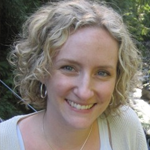
Dr. Amy Brausch is an Associate Professor of Psychological Sciences at Western Kentucky University where she founded the Risk Behaviors and Suicide Prevention Laboratory in 2011. She completed her Ph.D. in clinical psychology at Northern Illinois University in 2008, following her clinical internship at Utah State University Counseling and Psychological Services Center. Dr. Brausch’s research program broadly focuses on youth suicide risk assessment, prevention, and treatment. Specifically, her work has also focused on the overlap between nonsuicidal self-injury and suicide risk, the overlap between body image, disordered eating, and self-harm, and the role of emotion dysregulation in NSSI and suicide risk. Her work has been funded by the Kentucky Biomedical Research Infrastructure Network and the National Institute of Mental Health. Dr. Brausch has collaborated with Dr. Jobes on research related to CAMS-4Teens, including a validation study of the Suicide Status Form for adolescents. As a Senior Consultant with CAMS-care, LLC, Dr. Brausch has provided training in CAMS to mental health providers in the United States and Australia at community mental health centers, university counseling centers, school districts, and local and state mental health suicide prevention organizations.
Kurt D. Michael, Ph.D.
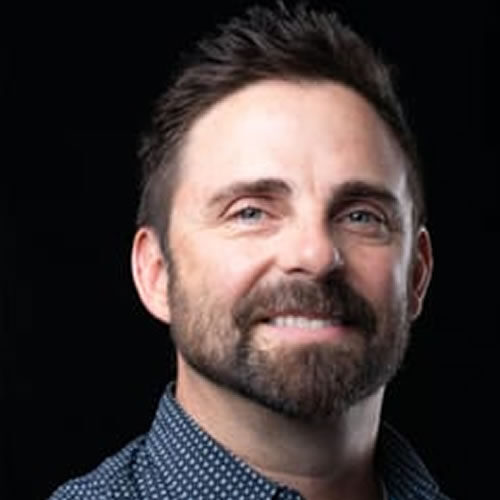
Kurt D. Michael, Ph.D. is the VP of Prevention & Crisis Response Consulting at the Jed Foundation and former Stanley R. Aeschleman Distinguished Professor of Psychology at Appalachian State University, where he spent 23 years building a nationally recognized program in rural school mental health and adolescent suicidology. Born and raised in Denver, Colorado, he earned his BA from the University of Colorado at Boulder, followed by his MS and PhD in Clinical-School Psychology from Utah State University, and completed his internship in Child Clinical Psychology at Duke University Medical Center.
Dr. Michael founded the Assessment, Support, and Counseling (ASC) Centers — embedded school mental health partnerships serving rural K–12 communities in Appalachia — which annually reach 10–30% of enrolled students with services including crisis assessment, cognitive-behavioral therapy, and psychoeducational groups. He has been a leading voice in suicide prevention, lethal means counseling (CALM), and the implementation of CAMS with youth, and developed the Prevention of Escalating Adolescent Crisis Events (PEACE) Protocol, which has been adapted for use in rural and tribal communities across the country.
His prolific research spans meta-analysis, crisis intervention, and rural mental health, including a landmark network meta-analysis on antidepressant efficacy in youth published in The Lancet. He is also co-editor of the Handbook of Rural School Mental Health and serves as Associate Editor of the Journal of Rural Mental Health. His work has been recognized with the Governor's UNC Board of Governors Award for Excellence in Public Service, among other honors.