Date: May 15, 2026
We are delighted to partner with Dr. Paul Norrod from the University of Cincinnati’s College of Nursing. In this webinar, Dr. Norrod will discuss unique challenges of delivering suicide-focused care in rural contexts and present some of the solutions they have implemented, including novel applications of the CAMS Framework®.
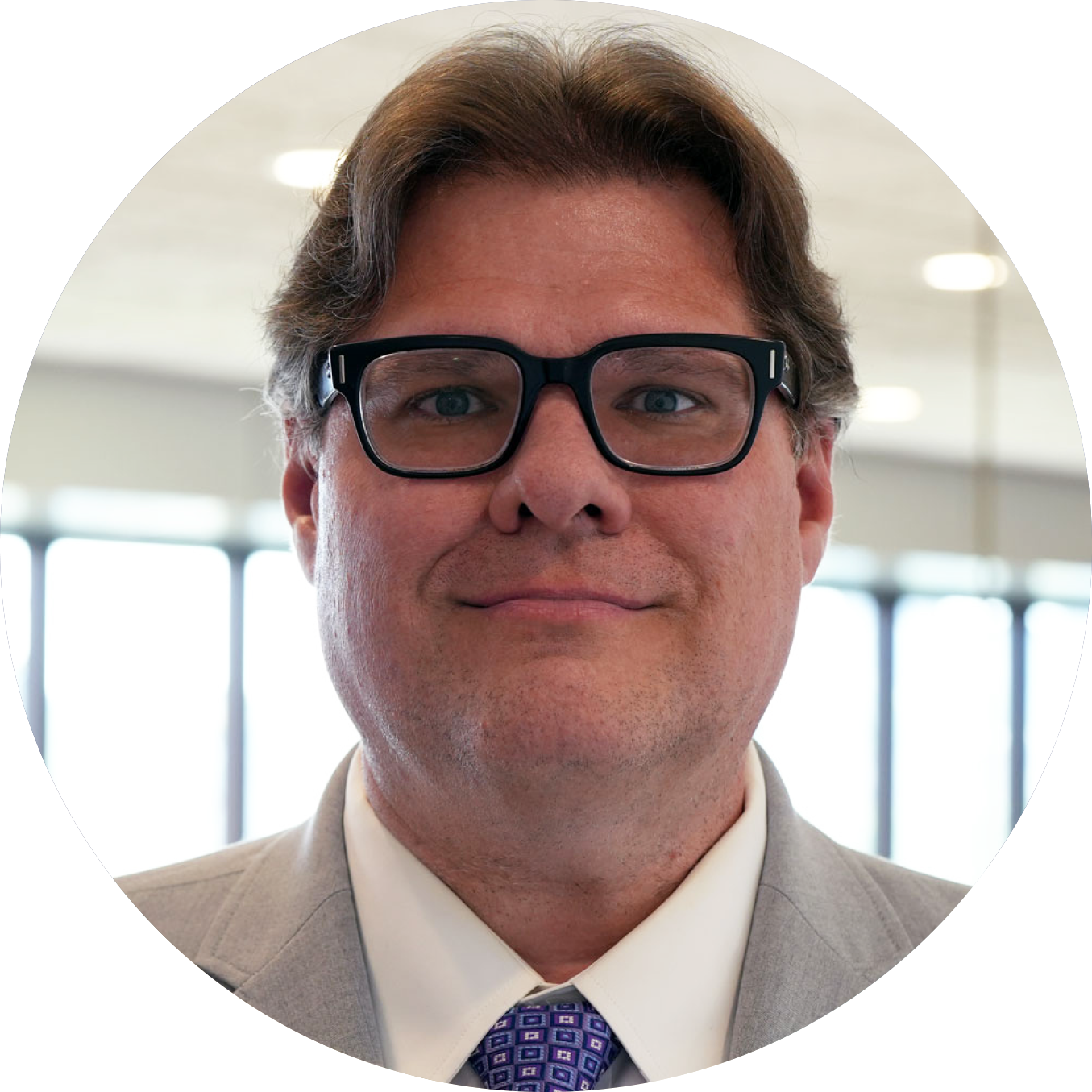
About Paul E. Norrod, DrPH, RN, FNAP
Paul E. Norrod, DrPH, RN, is an Assistant Professor at the University of Cincinnati College of Nursing. His research focuses on occupational mental health and suicide prevention, with an emphasis on rural and high-risk worker populations, including farmers and healthcare professionals. He has led and contributed to multiple federally and state-funded projects through agencies such as CDC/NIOSH, USDA, and HRSA, examining suicide epidemiology and community-based intervention strategies.
Dr. Norrod’s work integrates epidemiologic methods with implementation science to improve mental health outcomes in underserved communities. He has published peer-reviewed research in occupational and nursing journals and received national recognition for his contributions to community-based mental health programming.

About Kevin Crowley, Ph.D.
In addition to serving as a CAMS-care Senior Consultant, Dr. Kevin Crowley works as a Staff Psychologist at Capital Institute for Cognitive Therapy, LLC, and as a Lecturer at The Catholic University of America. He has conducted risk assessments, delivered suicide-specific treatments, and provided suicide-focused consultation and training through the VA Health Care System and outpatient private practices since 2010. He has also been involved in several suicide-focused program evaluations and formal research projects through The Catholic University of America’s Suicide Prevention Laboratory (Washington, DC) and the Rocky Mountain MIRECC for Suicide Prevention (Denver, CO). Dr. Crowley’s research to date has emphasized brief interventions for reducing shame and suicide risk, understanding suicide “drivers,” and considerations for optimizing the effectiveness of suicide-focused training. He has presented this research and offered clinical workshops at the annual conventions of both the American Association of Suicidology and the Association for Behavioral and Cognitive Therapies.