Date: March 31, 2026
“If you’re having a psychiatric emergency, hang up and dial 911, or go to your nearest emergency room.” This voicemail recommendation is very familiar to patients, families, and caregivers seeking mental health assistance, especially those with suicidal thoughts. And people who follow the advice also know that a 911 call will likely bring them to that nearest emergency room (ER).
Yet there has long been concern among the mental health community that ERs are not optimal places for those experiencing a crisis, with too many stories of retraumatization, long waits, or people simply “boarded” in hallways without appropriate psychiatric care. In response, many communities have focused on “upstream” projects to divert people away from ERs, through hotlines, mobile crisis teams, and community-based crisis centers. Even with these new crisis options, however, the number of people coming to U.S. ERs for behavioral health reasons has continued to climb, and has now risen to roughly one in every eight patients in ERs nationwide.
This presentation takes a different tack: what if, instead of assuming emergency rooms must remain frightening places in a crisis, we made it a policy priority to redesign them? What if state and local leaders, advocates, peers, and families worked together to create standards, funding streams, and accountability measures that turn EDs into trauma-informed, recovery-oriented, and peer-inclusive components of the crisis continuum—aligned with 988, SAMHSA’s crisis guidelines, and the advocacy community’s vision for humane crisis response?
Dr. Zeller will discuss these questions and how there has been a newly burgeoning movement to improve hospital-based emergency behavioral health care, including such programs as Emergency Psychiatric Assessment, Treatment and Healing units (EmPATH units) and EPI (Emergency Psychiatric Intervention training for ER personnel).

About Scott Zeller, MD
Scott Zeller, MD is Vice President for Psychiatry at the multispeciality multistate partnership of 5,000 physicians Vituity, Inc; Lead Physician Consultant and Founder of EmPATH Consulting, a division of Vituity’s Inflect Health: assistant professor at University of California-Riverside School of Medicine; Past President of the American Association for Emergency Psychiatry; and Past Chair of the National Coalition on Psychiatric Emergencies. He has authored multiple textbooks, book chapters, and peer-reviewed articles, has lectured in-person on every continent on Earth except Antarctica, and is known as the co-inventor of On-Demand Emergency Telepsychiatry and the creator of the EmPATH Unit (Emergency Psychiatry Assessment, Treatment and Healing Unit) model for behavioral health emergency care. He led Project BETA (Best Practices in the Evaluation and Treatment of Agitation), which produced guidelines that have revolutionized the care approach to agitated individuals around the world by changing the focus from coercive containment to compassionate de-escalation. He was awarded the 2015 USA Doctor of the Year by the National Council for Behavioral Health, the 2019 California Hospital Association Heerman Award for making a landmark contribution to improving California healthcare; in 2020 he received the HCD-10 award for being highly influential in healthcare design from Healthcare Design Magazine, and in 2024 was recipient of the University of California-Riverside Healthcare Innovation Award. This year he is receiving the 2026 Center for Healthcare Design “Changemaker” Award, the highest honor given at the 10,000-attendee “International Planning, Design and Construction Summit” in Houston, TX.
About David A. Jobes, Ph.D., ABPP
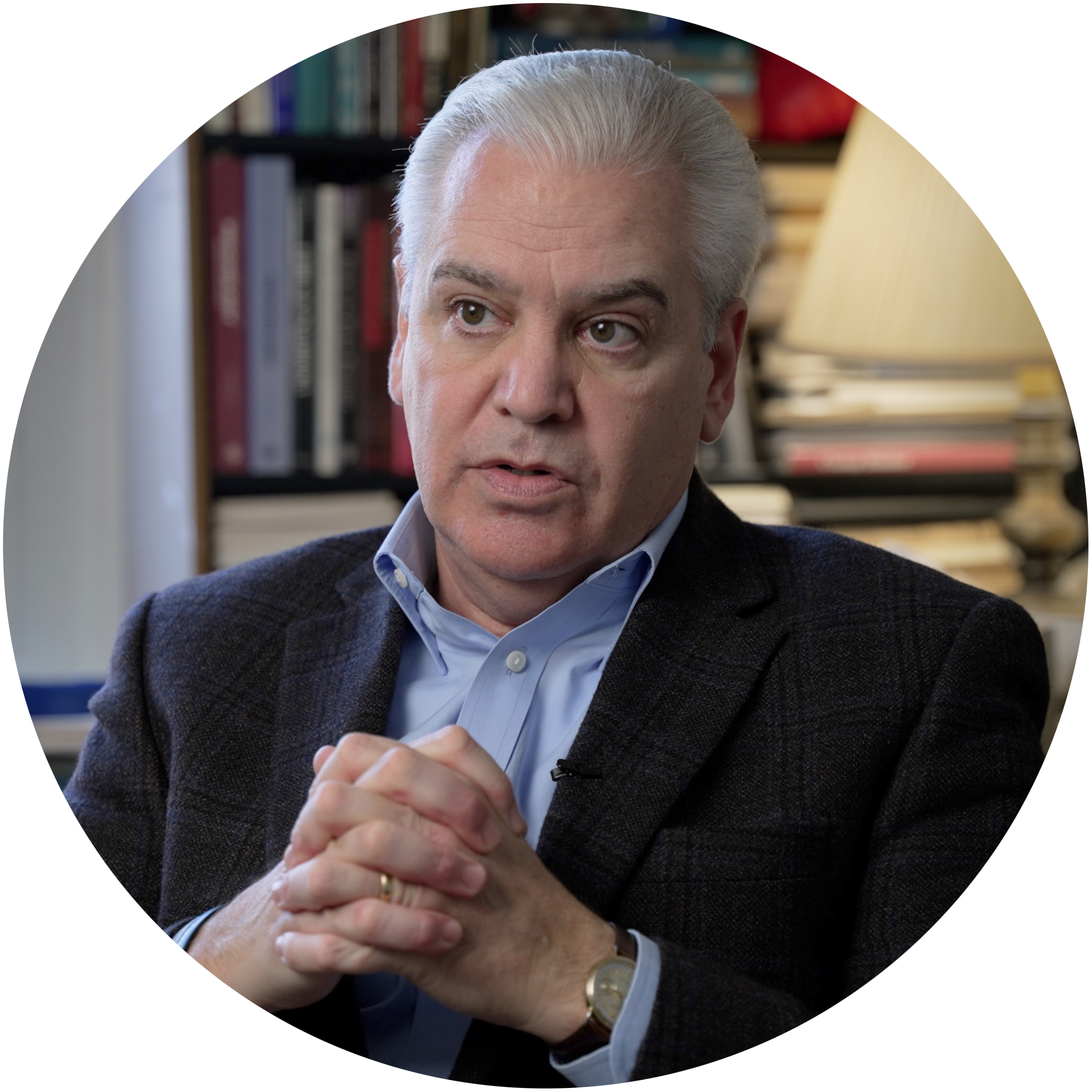
David Jobes, PhD, ABPP, is the founder of CAMS-care, LLC. He began his career in 1987 in the Counseling Center of the Catholic University of America, where he developed a suicide risk assessment tool for college students that evolved into an evidence-based treatment, CAMS, recognized by the Joint Commission, the Surgeon General, Zero Suicide, and the CDC. Dr. Jobes is now a Professor of Psychology and Associate Director of Clinical Training at Catholic; he has trained thousands of mental health professionals in the United States and abroad in evidence-based assessment and treatment of suicide risk and the use of CAMS.