Autism Spectrum Disorder (ASD) and Suicidality

Please note the following post uses identity-first language, though acknowledges that preferences may differ between self-advocates.

Background

Autism Spectrum Disorder (ASD) is a developmental disorder characterized by ongoing differences and challenges in social communication and restricted and repetitive behaviors (American Psychiatric Association, 2013). Research has highlighted increased early death in autistic individuals, and suicide is a primary cause (Cassidy et al., 2014). Autistic adults are at increased risk for suicide compared to non-autistic adults (Hedley et al., 2017). In a study of a large, diverse population of adults in the United States, the risk of suicide attempts was five times higher for autistic adults than for non-autistic adults (Croen et al., 2015). While suicide research has largely focused on autistic adults so far (McDonnell et al., 2020), autistic youth are also more likely to attempt and die by suicide (Navaneelan, 2012). A study of autistic individuals aged 4-20 years evaluated during a psychiatric hospital stay found that 22% of autistic youth commonly talked about death or suicide (Horowitz et al., 2018). While studies differ about exact prevalence rates, experts agree that there is reason for concern.

Despite the increase in research and autistic self-advocacy groups’ attention on this topic, there continues to be a major lack of tools to manage suicidal behaviors in the autistic population. Therapists feel less confident providing care to autistic individuals experiencing suicidal thoughts (Jager-Hyman et al., 2020). The good news is that there are efforts to validate screening tools for use with autistic adults, including screeners (e.g., SBQ-ASC, SIDAS-M, STUQ), and more in-depth assessment tools such as the Suicide Assessment Kit-Modified Interview (Hedley et al., 2025). However, these tools are designed for adults, and there are not yet appropriate for autistic youth. This is important when considering existing screening tools, given that autistic individuals may not always exhibit traditional suicide symptoms and warning signs. For example, autistic individuals may present with facial expressions which may not directly match their emotional experience (e.g., laughter when anxious or depressed) or have difficulty verbalizing their thoughts, feelings, and experiences when overwhelmed (Oliphant et al., 2020).

While quality access to mental health services is a problem for all children and adolescents, this challenge is worse for autistic individuals and their families (Cervantes et al., 2023). In fact, many providers do not accept autistic patients. In a study of over 6,000 outpatient mental health facilities in the United States, only half offered services to autistic children (Cantor et al., 2022), which is particularly concerning given this group’s increased mental health care needs. When these needs go unmet, autistic youth are more likely to present to Emergency Departments (EDs) (Badgett et al., 2023). Unfortunately, EDs and psychiatric hospitals are not designed for autistic individuals’ needs from both an environmental perspective (e.g., sensory sensitivities to bright lights, crowdedness, unpredictability) and a treatment standpoint (e.g., stigma related to mental health in medical settings, lack of training related to autistic learning styles, and behavior management techniques). Sadly, this can then lead to negative or traumatic experiences, inappropriate treatments, excessive interventions (e.g., physical or chemical restraints, seclusion), and longer admissions (Gabriels et al., 2012; Klinepeter et al., 2024).

Adapting evidence-based suicide-focused treatments, such as Dialectical Behavioral Therapy (DBT) (Ritschel et al., 2022) and Safety Planning Intervention (Rodgers et al., 2023), remains an area of emerging research. Therefore, evidence-based suicidality treatment made for autistic individuals is a sparsely available, yet urgently needed service.

Clinical Insights

Unfortunately, many of the clinicians who treat suicidality or autism remained siloed in their respective treatment areas, without clear communication and overlap, despite extensive research and clinical experience on both sides. To treat suicidality in autism, it is necessary that these “worlds” collaborate, create synergistic relationships, and develop treatments to address this life-threatening phenomenon.

Recent work has suggested that some general changes to treatments can be helpful for autistic learning styles, such as visual supports, environment and sensory considerations, making language more concrete, caregiver collaboration, and embedding special interests into treatment (Schwartzman et al., 2021; Dickson et al., 2021).

As a result of this critical gap in services, a clinic was created to treat suicidality in autistic youth at a large children’s hospital, the Clinic for Autism and Suicide Prevention (CLASP). As mentioned above, collaboration between the autism center and the hospital’s department of behavioral and mental health was necessary and invaluable. The Collaborative Assessment and Management of Suicidality (CAMS was) incorporated as the primary treatment framework when appropriate, and autism-specific interventions were then plugged in to address specific drivers. The CAMS Framework® identifies the “drivers” that a patient says make them consider suicide as an option.

For example, if a patient identified difficulty with change as a driver, an autism intervention, such as Unstuck and on Target, was used. If a patient identified loneliness as a driver, then social skills practice or PEERS videos were incorporated to improve relationships. Additionally, interventions such as cognitive behavior therapy, dialectical behavior therapy, and trauma-focused cognitive behavior therapy were often used to address many other drivers such as conflict with others, traumatic experiences, or difficulty managing strong emotions.

The clinic provides individual weekly therapy to autistic youth experiencing suicidality and has successfully discharged several patients due to reduced suicidality. We have learned many key insights from this clinic and from the powerful, brave work these patients are doing. Below are some recommendations for working with autistic clients who experience suicidality.

Recommendations for clinical practice:

  • Consider whether there are outside factors which can be addressed or managed. For example, if a patient is struggling with bullying, consider whether school can intervene. Remember that autistic are neurodivergent individuals living in a world designed for neurotypical needs!
  • Take your time and expect that treatment progress may take longer. Negative repetitive patterns can be “stickier” in autistic individuals and breaking out of these cycles can require more effort and time.
  • Create structure when possible. CAMS forms (e.g., the Suicide Status Form, the Stabilization Support Plan for parents and caregivers and the CAMS Therapeutic Worksheet) are a great way to introduce a visual form and help clients know what to expect from session to session.
  • Determine whether expressing suicidal thoughts is a form of communication and if so, consider what the patient is communicating and whether this can be addressed. For example, if a patient repeatedly makes suicidal comments when transitioning away from a preferred activity (e.g., video game, favorite location), consider working on transitions with behavioral strategies. Think about whether there are other ways the patient can communicate their frustration.
  • Discuss what happens both for the patient and others when they share suicidal thoughts. First, understand what the patient is feeling and why they are sharing. Next, while openness is important, some individuals may not be aware of the procedures certain organizations have to follow when someone makes a suicidal comment (e.g., school policies, medical staff) and explaining what to expect can help reduce emotional overload.
  • Help increase emotional awareness. In some autistic clients, the ramp up to a crisis moment can be much faster than in non-autistic individuals, so increasing emotional self-monitoring can improve their ability to access coping strategies earlier.
  • Do not assume that physical social or human contacts are the only way to reduce suicidal risk. Perhaps there are other non-human or non-physical connections which can be important for coping, such as a preferred stimming object, online video game friends, or an important pet. Stimming (i.e., repetitive self-soothing movements, such as pacing, rocking, humming, finger tapping) can be helpful both during therapy and as part of a stabilization plan.
  • Do not assume that all autistic patients need autism-specific treatments. This can create barriers and close important doors to care. Some autistic patients benefit from working with clinicians experienced in autism, though this is not necessary for every patient. Our saying is “when you’ve met one autistic person, you’ve met one autistic person!”

Most importantly, remember that autistic clients often have amazing and powerful insight into their emotional experiences that leads to suicidality. Start with the patient perspective first, gather additional information, and empower the client to work collaboratively toward a life worth living one small step at a time!

Below are several helpful resources available online including those developed by autistic self-advocates:

References

American Psychiatric Association (2013). Diagnostic and statistical manual of mental disorders (5th edition). Arlington, VA: Author.

Badgett, N. M., Sadikova, E., Menezes, M., & Mazurek, M. O. (2023). Emergency department utilization among youth with autism spectrum disorder: exploring the role of preventive care, medical home, and mental health access. Journal of Autism and Developmental Disorders, 53(6), 2274-2282.

Cantor, J., McBain, R. K., Kofner, A., Stein, B. D., & Yu, H. (2022). Where are US outpatient mental health facilities that serve children with autism spectrum disorder? A national snapshot of geographic disparities. Autism, 26(1), 169-177.

Cassidy, S., Bradley, P., Robinson, J., Allison, C., McHugh, M., & Baron-Cohen, S. (2014). Suicidal ideation and suicide plans or attempts in adults with Asperger’s syndrome attending a specialist diagnostic clinic: a clinical cohort study. The Lancet Psychiatry, 1(2), 142-147. https://10.1016/S2215-0366(14)70248-2

Cervantes, P. E., Conlon, G. R., Seag, D. E., Feder, M., Lang, Q., Meril, S., … & Horwitz, S. M. (2023). Mental health service availability for autistic youth in New York City: An examination of the developmental disability and mental health service systems. Autism, 27(3), 704-713.

Klinepeter, E. A., Choate, J. D., Nelson Hall, T., & Gibbs, K. D. (2024). A “whole child approach”: parent experiences with acute care hospitalizations for children with autism spectrum disorder and behavioral health needs. Journal of Autism and Developmental Disorders, 1-15.

Croen, L., Zerbo, O., Qian, Y., Massolo, M., Rich, S., Sidney, S. & Kripke, C. (2015). The health status of adults on the autism spectrum. Autism, 19(7), 1-10. https://doi/abs/10.1177/1362361315577517

Gabriels, R. L., Agnew, J. A., Beresford, C., Morrow, M. A., Mesibov, G., & Wamboldt, M. (2012). Improving psychiatric hospital care for pediatric patients with autism spectrum disorders and intellectual disabilities. Autism research and treatment, 2012(1), 685053.

Hedley, D., Uljarević, M., Wilmot, M., Richdale, A., & Dissanayake, C. (2017). Brief report: social support, depression and suicidal ideation in adults with autism spectrum disorder. Journal of Autism and Developmental Disorders, 47(11), 3669-3677. https://10.1007/s10803-017-3274-2

Hedley, D., Williams, Z. J., Deady, M., Batterham, P. J., Bury, S. M., Brown, C. M., … & Stokes, M. A. (2025). The Suicide Assessment Kit-Modified Interview: Development and preliminary validation of a modified clinical interview for the assessment of suicidal thoughts and behavior in autistic adults. Autism, 29(3), 766-787.

Horowitz, L. M., Thurm, A., Farmer, C., Mazefsky, C., Lanzillo, E., Bridge, J. A., Greenbaum, R., Pao, M., & Siegel, M. (2018). Talking about death or suicide: Prevalence and clinical correlates in youth with autism spectrum disorder in the psychiatric inpatient setting. Journal of Autism and Developmental Disorders, 48(11), 3702-3710. https://10.1007/s10803-017-3180-7

Jager-Hyman, S., Maddox, B. B., Crabbe, S. R., & Mandell, D. S. (2020). Mental health clinicians’ screening and intervention practices to reduce suicide risk in autistic adolescents and adults. Journal of Autism and Developmental Disorders, 50(10), 3450-3461.

McDonnell, C. G., DeLucia, E. A., Hayden, E. P., Anagnostou, E., Nicolson, R., Kelley, E., … & Stevenson, R. A. (2020). An exploratory analysis of predictors of youth suicide-related behaviors in autism spectrum disorder: implications for prevention science. Journal of Autism and Developmental Disorders, 50(10), 3531-3544. https://10.1007/s10803-019-04320-6

Navaneelan, T. (2012). Suicide rates: An overview. Ottawa (ON): Statistics Canada.

Oliphant, R. Y., Smith, E. M., & Grahame, V. (2020). What is the prevalence of self-harming and suicidal behaviour in under 18s with ASD, with or without an intellectual disability?. Journal of Autism and Developmental Disorders, 50(10), 3510-3524.

Ritschel, L. A., Guy, L., & Maddox, B. B. (2022). A pilot study of dialectical behaviour therapy skills training for autistic adults. Behavioural and Cognitive Psychotherapy, 50(2), 187-202.

Rodgers, J., Goodwin, J., Nielsen, E., Bhattarai, N., Heslop, P., Kharatikoopaei, E., … & Cassidy, S. (2023). Adapted suicide safety plans to address self-harm, suicidal ideation, and suicide behaviours in autistic adults: protocol for a pilot randomised controlled trial. Pilot and feasibility studies, 9(1), 31.

Best Therapies for Managing Suicidal Thoughts

Navigating suicidal thoughts can feel isolating. However, suicidal ideation is more common than many may realize. In 2023, a combined 16 million adults and adolescents in the U.S. had “serious thoughts of suicide.” [1] These numbers show a major challenge in suicide prevention. They highlight a strong need for mental health support aimed at suicidal thoughts. Over the years, clinical trial researchers have developed several evidence-based therapies that provide relief and healing for those struggling with suicide. Whether you’re seeking support for yourself or a loved one, it’s important to understand which therapeutic approaches are available and are the most helpful for recovery.

What Causes Suicidal Thoughts?

Suicidal thoughts, or suicidal ideation, can result from a number of causes. However, it ultimately stems from the specific struggles the individual is facing. Research has shown that relational, vocational, and self-oriented issues tend to be the most common root causes of suicidal ideation .[2] For example, a failed relationship or high stress at work could be a factor. Low self-esteem due to bullying could also be a factor. A person may face many struggles in life. These struggles can lead to negative thoughts and feelings of hopelessness. While mental health disorders and other risk factors can also play a role, it’s important that the deeper issues are addressed. 

When talking about suicidal ideation, it’s also important to identify the two types: passive and active. Passive suicidal ideation is when a person has thoughts of suicide but is not actively making a plan to harm themselves. Active suicidal ideation is when the thoughts of suicide motivate a person to create a plan to carry it out in the nearterm future. Both types of suicidal ideation require some kind of intervention, though active ideation requires more immediate attention.  

When to Seek Professional Help

If you find yourself thinking about suicide frequently and actively avoid the people, places, and hobbies you usually enjoy, you should reach out for help. Early intervention is key when dealing with suicidal thoughts. The earlier suicidal ideation is dealt with, the greater likelihood of healing and avoiding negative outcomes. Early intervention helps stop these thoughts from getting worse. It also helps the person build resilience. They can learn tools and coping skills to manage their negative thoughts. Evidence-based therapies are the best place to start.

For those who are dealing with active suicidal ideation (i.e. making a plan), immediate help is needed. The 988 Suicide & Crisis Lifeline is a free resource that is available 24/7 for those who are struggling. Don’t hesitate to reach out if you need someone to talk to. 

What are Evidence-Based Therapies?

Evidence-based therapies are those that provide research-based support to those who are struggling with a specific issue, such as suicidal ideation. These have been tested through rigorous trials and case studies. Evidence-based therapies and treatments make sure people get care that has been well tested. This care is supported by large-scale research. It is better to see a professional who specializes in suicide-specific therapies. This is more effective than visiting a general doctor or therapist for mental health issues. This can greatly help those in need and give them the tools to move forward. 

Types of Evidence-Based Therapies

  • Collaborative Management and Assessment of Suicidality (CAMS)
    CAMS is widely recognized as the most effective treatment for those dealing with suicidal ideation. It is referenced in the Zero Suicide Toolkit and 2024 National Suicide Prevention Strategy. CAMS approaches suicidal ideation by first identifying the drivers of suicide and creating a plan to manage these drivers, helping reduce the risk of suicidal behavior. CAMS also uses quantitative and qualitative risk assessment in every session, including self reflection and discussion of risk factors, as well as methods to help people create a life that’s worth living.
  • Cognitive Behavioral Therapy-Suicide Prevention (CT-SP)
    CBT is a type of talk therapy that has been effective for those dealing with issues such as depression, anxiety, eating disorders, and more. CT-SP is an intervention that specifically tailored to addressing those who are experiencing suicidal ideation. It takes the approach of helping individuals respond to their automatic thoughts, breaking negative patterns and building new, positive ones. One specific strategy in this therapy is the “Hope Kit” or “Hope Box.” This is a physical or digital space. Here, a person keeps important photos, notes, and other items. These items inspire them to keep living.
  • Brief Cognitive Behavioral Therapy (BCBT) is another form of CBT that is completed in a limited number of sessions, typically four to eight. Individuals will learn about the “suicidal mode” as well as self-soothing techniques and problem solving. Similar to CBT-SP, individuals will develop a “Hope Kit” and work to build new, positive thought patterns. The final phase of care involves creating a relapse prevention protocol.
  • Dialectical Behavior Therapy (DBT)
    DBT helps people to embrace acceptance and learn coping strategies for times of dealing with distress. It is often used to treat those with borderline personality disorder (BPD), major depressive disorder, bipolar disorder, and those who are struggling with suicidal thoughts. Some goals of DBT include learning and developing emotional regulation, problem-solving skills, and distress tolerance.

See a comparison of evidence-based therapies and screening/assessment tools.


Other Types of Support
In addition to therapy, there are other methods of support that can be helpful, including online resources that are available anytime. Now Matters Now offers videos and resources that teach coping strategies and skills. They also offer free, online peer support meetings where members can share their stories and practice skills together. The Lived Experience Academy is another online resource that offers support for healing, recovery, and growth after a crisis. 


Hope is Always Here

Managing suicidal thoughts can feel overwhelming, but it’s important to remember that you are not alone. There are many effective options for different people and their unique situations. These include evidence-based therapies, mindfulness, and peer support. If you or someone you know is struggling, reach out for professional help. For immediate needs, contact the 988 Suicide & Crisis Lifeline for via text, online chat, or phone call. 


Download the Patient Journey Comparison Chart

Healthcare System-based Case Formulation of Suicide Events after Acute Care

This presentation will focus on exploring foundational principles of healthcare system-based case formulation using the Exploratory, Preparation, Implementation, and Sustainment (EPIS) implementation science model. Learners will develop skills for applying the formulation approach to identify the proximal and distal causes of process failure within health systems that lead to adverse suicide-related events.

Edwin Boudreaux, PhD

About Edwin Boudreaux Ph.D.

Edwin D. Boudreaux, PhD, is a clinical health psychologist with a significant focus on suicide prevention and intervention. He holds the position of Professor of Emergency Medicine, Psychiatry, and Population and Quantitative Health Sciences at the UMass Chan Medical School. Dr. Boudreaux is also the Vice Chair of Research for the Department of Emergency and Co-Director of the Center for Accelerating Practice to End Suicide (CAPES).
He received his undergraduate education at the University of Louisiana and earned his PhD from Louisiana State University, where he studied health psychology. He completed his internship at the Medical University of South Carolina, specializing in addiction treatment. Dr. Boudreaux is licensed as a clinical psychologist in Massachusetts and has a strong background in integrating behavioral health across various medical settings, including emergency medicine, inpatient, and primary care.


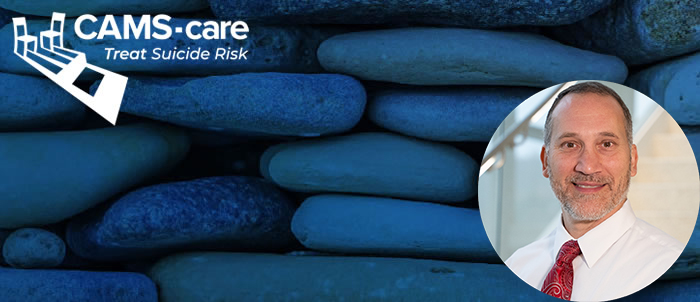
David A. Jobes, PhD

About David A. Jobes Ph.D. ABPP

David Jobes, PhD, ABPP, is the founder of CAMS-care, LLC. He began his career in 1987 in the Counseling Center of the Catholic University of America, where he developed a suicide risk assessment tool for college students that evolved into CAMS. Dr. Jobes is now a Professor of Psychology and Associate Director of Clinical Training at Catholic; he has trained thousands of mental health professionals in the United States and abroad in evidence-based assessment and treatment of suicide risk and the use of CAMS.

Watch the Recorded Webinar On-Demand

Enter your information to gain access.

  • This field is hidden when viewing the form
  • This field is hidden when viewing the form
  • This field is hidden when viewing the form
  • This field is hidden when viewing the form
  • This field is hidden when viewing the form
  • This field is hidden when viewing the form
  • This field is for validation purposes and should be left unchanged.

Suicide Risks of Healthcare Workers in the US

Suicide Risks of Healthcare Workers in the US - Feature Image

Healthcare workers play a crucial role in our world. From routine care to emergency situations, people in these professions are the ones we look to when we need care. However, even before the COVID-19 pandemic swept across the globe, the healthcare field had a reputation of being difficult. Healthcare professionals have historically been overworked, underappreciated, and dealt with issues such as stress, burnout, and other negative mental health outcomes. 

Between 2008 and 2019, a survey studied six types of healthcare professionals, including doctors and nurses. It also looked at technicians, support staff, and social health workers, comparing them to workers outside of healthcare. The overall findings revealed that healthcare workers, specifically registered nurses, health technicians, and healthcare support workers, were at a greater risk of suicide than non-healthcare workers. Because suicide among healthcare workers is clearly an issue, it’s important to explore why this is the case and what steps can be taken for suicide prevention for healthcare workers.

COVID-19: Shedding Light on an Existing Problem

During the pandemic, healthcare workers were on the front lines. Clinics and hospitals quickly became overcrowded as COVID spread and people needed care and testing. A study from NCSBN found that 62% of nurses reported an increase in their workload during the pandemic. They also found that approximately 100,000 nurses left the workforce during the pandemic. 

A reported 610,388 of nurses intended to leave the workforce by 2027, due to stress, burnout, and retirement. Another report from the Centers for Disease Control and Prevention (CDC) found that nearly half of all healthcare workers in the United States were experiencing burnout during the pandemic, intending to leave the field in 2022.

While the pandemic certainly increased the load that healthcare workers carried, it also made the public more aware of the struggles that those in healthcare-related professions experience on a regular basis. Issues such as poor working conditions, harassment, and chronic understaffing have been existing problems for decades. 

According to the Occupational Safety and Health Administration (OSHA), 74% of workplace violence in the U.S. in 2013 took place in healthcare settings. These numbers only seem to be increasing. The 2023 CDC Vital Signs report found that the number of healthcare workers who experience harassment doubled from 2018 to 2022. 

Violence in healthcare settings can happen for a number of reasons. Patients may lash out if they are anxious, in pain, or dealing with other mental health issues. Family members of

https://pmc.ncbi.nlm.nih.gov/articles/PMC10523169/

https://www.ncsbn.org/news/ncsbn-research-projects-significant-nursing-workforce-shortages-and-crisis

https://www.cdc.gov/vitalsigns/health-worker-mental-health/index.html

https://pmc.ncbi.nlm.nih.gov/articles/PMC5580583/#B3-ijerph-14-00879

https://www.cdc.gov/vitalsigns/health-worker-mental-health/index.html

patients may also act out due to anxiety or while seeing their loved one in pain. Some people may also expect care and service to be met to their specific standards. If it’s not, these people may become frustrated and take it out on the nurses and other professionals who are simply trying to do their jobs. 

The pandemic also had lasting effects on other areas of practice. The pandemic presented unique obstacles for mental and behavioral healthcare professionals, both during and after the crisis. While frontline healthcare workers faced the pandemic’s immediate impacts, mental healthcare workers are managing its long-term effects.. Many people have turned to therapy to help them process everything that happened. As a result, mental healthcare workers have also seen an increased workload, causing them to deal with burnout as well.

Factors that Lead to Suicide in Healthcare Workers

Working in a healthcare-related field often contributes to high amounts of stress and pressure. Caring for others requires a person to set aside their own needs in order to prioritize someone else’s. However, when a person is constantly neglecting their own needs for hours or even days at a time, it can lead to long-term negative effects on their physical, mental, and emotional well-being.

1. Burnout

Burnout is one of the biggest stressors that healthcare workers face. Nurses often work long shifts, sometimes over 12 hours at a time, while physicians may work upwards of 60 hours per week. Depending on the day’s demands, they may be taking on more tasks than time allows. This was especially true during the pandemic when healthcare facilities were dealing with staffing shortages due to illness and struggled to keep up with the demand for care. 

Burnout can lead to many issues, including risk of medical errors and inefficiency. According to the Mayo Clinic, when someone experiences physical burnout, it’s like missing out on the productivity of seven entire classes of medical school graduates. Studies have shown that as many as 75% of all healthcare professionals struggle with burnout, with up to 12% of these individuals dealing with suicidal ideation.

2. Lack of Support

Being without support is another common issue affecting many in the healthcare industry. In the nursing field, this may look like insufficient staffing, lack of resources, and demanding workloads. Nurses may be assigned to more patients than they are able to properly care for when staffing is low or a hospital is busy. High demands and pressure from other staff may lead to presenteeism. Presenteeism is when an employee is physically at their job despite being ill or unwell to the point of not being able to perform their role effectively. Nurses have the highest rates of presenteeism in the workforce.

https://pmc.ncbi.nlm.nih.gov/articles/PMC6367114/

https://pmc.ncbi.nlm.nih.gov/articles/PMC6367114/

https://pmc.ncbi.nlm.nih.gov/articles/PMC9098943/

https://pmc.ncbi.nlm.nih.gov/articles/PMC9098943/

3. Trauma

Finally, exposure to trauma plays a huge role in one’s mental health. Nurses in particular are exposed to traumatic situations regularly, especially in emergency settings. The pandemic brought about a whole new level of this as more of the population was dealing with severe illness. Being exposed regularly to people who are suffering can lead to compassion fatigue and secondary traumatic stress, which both can cause symptoms such as increased anxiety and irritability. It may even lead to post traumatic stress disorder or other issues such as substance use disorders.

Nursing Shortage in the United States

It’s no surprise that nurses and other healthcare professionals are leaving the field, especially after the pandemic. Unfortunately, this leaves healthcare facilities at a loss and puts a greater burden on those who continue to stay and work. The World Health Organization (WHO) has reported that by 2030, the world may be short of 5.7 million nurses. 

The U.S. in particular has been seeing a decrease in nurses, which is alarming as the Baby Boomer generation continues to age, needing increased care. Additionally, nursing school enrollment may not be keeping up with the demands of projected care needs. The American Association of Colleges of Nursing (AACN) reported drops in both PhD and master’s nursing programs by 3.1% and 0.9%.

Further Impact on the Community 

When healthcare workers are undervalued, it can have serious consequences that affect the rest of the community. There are many ways in which the lack of support can have lasting impacts, especially since the pandemic.

1. Reduced Quality of Care

As stated earlier, when healthcare staff are overworked, there is an increased risk of errors. This can lead to mistakes in patient care. The quality of service may decline. Patients might become dissatisfied. They might avoid seeking care when needed.. Over time, this could lead to a wider distrust in the healthcare system as a whole. 

2. Strained Relationships

Those working demanding healthcare jobs may not have the time or energy to give to other relationships in their life. Because of this, they may become detached. When nurses and healthcare professionals are seen as detached, it affects public opinion. It can make them seem impersonal or rude. This contributes to a negative view of the field. As a result, people may hesitate to receive care. They may also be less likely to pursue jobs in the industry.

https://www.beckershospitalreview.com/nursing/world-may-be-short-5-7m-nurses-by-2030-4-report-takeaways/

https://www.aacnnursing.org/news-data/fact-sheets/nursing-shortage

https://www.aacnnursing.org/news-data/fact-sheets/nursing-shortage

3. Financial Toll

High employee turnover due to poor working conditions and employees’ mental health issues can have negative financial consequences and lead to higher operational costs. This can create ripple effects through the community, making care more expensive and difficult to access for many.

Prevention Strategies for Healthcare Professionals

Healthcare workers may be reluctant to seek help due to the fact for several reasons. Those with demanding work schedules and long shifts may struggle to find the time needed to pursue therapy or other support.

There is also the fear that seeking help may impact one’s career in the healthcare field. People in various types of caretaking roles are expected to “have it all together.” Because so much time is spent caring for others, the thought of caring for themselves may not cross their mind as frequently as it should. However, there are steps that can be taken to help protect healthcare workers’ mental health.

1. Reducing Stigma

Open conversations about mental health are essential. This is especially true in workplaces. Healthcare settings, in particular, need this openness. It helps reduce the stigma. It keeps mental health a priority for everyone. Fostering these conversations is an easy first step among colleagues. Check in with each other after long days or tough moments. Acknowledge difficult situations and process through them together. 

2. Expanding Resources for Mental Health and Suicide

Another important element is having resources readily available for staff to access when they’re struggling. Employee assistance programs (EAPs) and other support groups are a good step, as well as providing access to mental health screening tools. However, larger scale change needs to happen for there to be a true difference made. 

In 2024, Australia introduced a Nurse and Midwife Health Program. It aims to support those in the workforce. This encourages them to stay in the field. Nurses, midwives, and students can speak with peers. These peers have experienced similar situations. They offer practical support. Similarly, in 2024, Canada launched a toolkit. It is intended for use across their healthcare system. This toolkit focuses on eight themes and is aimed at helping healthcare employers retain their employees. While the U.S. has taken a few steps toward providing resources, there is more that can be done to support healthcare workers and ensure better working conditions. Suicide prevention training for healthcare professionals and other mental health services need to be easily accessible to help those who are struggling.

https://www.canada.ca/en/health-canada/news/2024/03/improving-the-working-lives-of-nurses-across-canada.html?utm_source=chatgpt.com

3. Encouraging Future Generations

Additionally, it is crucial to encourage the next generation to pursue a career in healthcare. It is rewarding and beneficial for others and themselves. Several statewide initiatives are helping address the nurse shortage. These initiatives make education more accessible for interested students. However, larger-scale change is necessary. This change is needed for others to feel a sense of safety. They need to feel safe entering a demanding profession. Healthcare is known for being physically, mentally, and emotionally demanding. 

Those who work in a profession of caring for others often have the hardest time caring for themselves. However, this is not their fault. There are larger issues at play that make it extremely difficult for people in professions such as nursing to have the time and resources to be able to support themselves. The pandemic also added another layer of complication to an already struggling system. 

For U.S. healthcare professionals, suicide and mental health issues are growing concerns. These should not be ignored. Burnout and high numbers of healthcare workers leaving the field should continue to be studied since these go hand-in-hand. 

Change needs to happen so that healthcare professionals don’t continue to suffer. Patients deserve to see healthcare workers who are feeling their best and can perform their job to the best of their ability. Ensuring the safety of those in healthcare roles is more than simply an ethical responsibility. It is an essential step toward creating a more sustainable healthcare system for all.

Remember, if you or a loved one are struggling, the 988 Suicide & Crisis Lifeline is available.

Jumping in the Hole

This guy’s walking down a street when he falls in a hole. The walls are so steep he can’t get out. A doctor passes by, and the guy shouts up, “Hey you, can you help me out?” The doctor writes a prescription, throws it down in the hole and moves on. Then a priest comes along, and the guy shouts up, “Father, I’m down in this hole, can you help me out?” The priest writes out a prayer, throws it down in the hole and moves on. Then a friend walks by. “Hey Joe, it’s me, can you help me out?” And the friend jumps in the hole. Our guy says, “Are you stupid? Now we’re both down here.” The friend says, “Yeah, but I’ve been down here before, and I know the way out.” 

“Noel” (2000) The West Wing, Season 2, Episode 10


I suffered for years with constant thoughts of ending my life, eventually coming to find comfort in them, like a blanket that would keep me warm on cold winter nights.  On the few occasions that I would share this with people, I was either dismissed outright or met with hostility, fear, or was shamed.  While it was painful and difficult for me to understand these responses, as if my verbalization of these thoughts could infect the other person, I have never been able to understand why I was met with these same responses from the mental health professionals who were supposed to be helping me.

By my sophomore year in college, I had taken definitive action to end my life three times.  Although I had been in therapy at the time of each attempt, I never told anybody.  There had already been power struggles about thoughts of ending my life, having been dismissed by one therapist and threatened with hospitalization by another; sharing about actual attempts was off the table.  At age 19, l was starting with a new therapist.  I was suicidal, self-destructive, and distrustful–my prior experiences had taught me to keep secrets.  I do not have memories of our first few sessions, but at some point early on my new therapist asked what I thought my life would be like when I was 25 and I answered honestly, saying “I don’t plan to live that long.”

Instead of being dismissive, moralizing or threatening he was empathetic, compassionate and genuinely interested in what I had to say about my own experience; I was in unfamiliar territory.  Over the next six months, I slowly learned how to trust another person and he tried everything to help me.  We started an interactive journal, each writing in a notebook and passing them back and forth at each meeting to have something between our sessions.  On a beautiful spring day following an especially difficult session, we spent an hour talking and walking around a DC neighborhood instead of sitting in the office.  I remember a particularly painful session where we both sat on the floor and I just cried, remarking that I hated crying in public and him responding with, “I don’t consider myself public.”  I did not realize it at the time, but somewhere along the way, he had jumped down into the hole with me and was desperately trying to help me find my way out.

Seven months after we started working together, on a Tuesday evening, I experienced an acute suicidal crisis.  The thoughts that had always been comforting were terrifying; I was incredibly agitated, self-destructive, and very determined.  Nothing good was going to come out of that night but instead of doing the same thing I had done on three previous occasions, I picked up the phone.  Despite our collective best effort to keep me out of the hospital, that is where I ended up–but I was alive and it was because of the strength of the relationship we had forged.  It very easily could have ended differently.

In the following weeks and months, that relationship was my sanctuary providing protection from the life I was trying to figure out if I was even interested in living.  He was unwavering in his position that my life was worth saving and steadfast in his commitment to help me but was always, always respectful when I often did not feel the same way.  Slowly, over time, my position changed.  It was not a linear path, I certainly took the long road to get there, and he stood next to me the entire way.

A year ago, I never would have even considered sharing my story but as I read the lived experience stories of others, it became clear that my experience is different in two significant ways.  First, we tried many different types of medication, alone and in combination, but nothing worked.  Despite what is often reflected in these stories, medication does not work for everybody and if it’s not working for you please know that you are not alone.  Recovery is possible without medication and while I wish it had worked, that was not to be part of my story and it may not be part of your story either.  Second, and most importantly, I had a therapist who was an expert in treating suicide.  For me, this was the game-changer.

As I shared, I saw other mental health providers prior to finding the therapist who would ultimately save my life.  While I liked all of them, they were either not trained in how to manage a patient with suicide or were working within a system that was not set-up to manage a patient with suicide.  Treating suicide is not something that most professionals are taught in training programs and many mental health systems still use threats, coercion, and practices like no-suicide contracts, which do more damage than good.

If you work within these systems, I implore you to work to change them and if you are a provider who may not be familiar with evidence-based treatments and brief-interventions for suicide, please explore the resources available to learn more and get the training necessary to implement them adherently. I am not a mental health provider, but I have been told by many that it is incredibly scary to work with people with suicide and I believe this to be true.  But standing up at the top of the hole and looking down is not what a person in the fight for their life needs or, frankly, deserves.

Perspective from a person with lived experience of serious thoughts of suicide.

Zero Suicide – Outcomes and Opportunities

Zero Suicide - Outcomes and Opportunities

The Zero Suicide model was launched in 2012 as part of the National Action Alliance for Suicide Prevention. Consistent with the National Strategy for Suicide Prevention, Zero Suicide called for improved suicide identification and care in health care systems and promoted use of evidence-based practices by health care providers. Seven core elements comprise the model: “Lead”, “Train”, and “Improve” are the structural components embedded throughout the system and necessary for change, success, fidelity, and continuous quality improvement. “Identify”, “Engage”, “Treat”, and “Transition” are clinical components of the model and define the care patients should receive. Despite evidence supporting each component, use of the full model within systems of care varies.

Over 38% of individuals have made a healthcare visit (e.g., primary care, emergency department, specialty care, etc.) within the week before their suicide attempt and 95% have had a healthcare visit within the preceding year. While this varies across race and ethnicity, these are clearly missed opportunities to identify and care for people at risk for suicide.

Seeing suicide as a never event forces the organization to use best practices, apply continuous quality improvement, and emphasize reducing errors while holding the system to account, not the individual. The clinical science of treating suicidality has evolved such that we now have several proven suicide-specific treatments with additional promising treatments in development. However, graduate programs, professional certification, and continuing education rarely focus on suicide-specific treatments as a competency for graduation or licensure and clinicians report a lack of comfort, confidence, and skill in delivering suicide care.

The Zero Suicide approach has demonstrated notable reductions in suicide and suicide behaviors as well as improvements to using evidenced-based practices. This webinar will describe the Zero Suicide model, discuss challenges, disparities, and opportunities regarding uptake of the unique components of the model, and share how organizations can get started on their Zero Suicide implementation efforts.

Julie Goldstein Grumet, PhD

Julie Goldstein Grumet, PhD

Julie is Vice President for Suicide Prevention Strategy and the Director of the Zero Suicide Institute at the Education Development Center. She provides strategic direction to health care systems to improve the identification and treatment for people at risk for suicide. She has collaborated on numerous grants and publications about systems-based approaches to suicide prevention. Julie’s primary responsibility is to advance the development, dissemination, and effective implementation of comprehensive suicide care practices in various settings. She has expertise in behavioral health transformation, state and local community suicide prevention, quality improvement, and the use of evidence-based practices for suicide care in clinical settings. Julie has a Ph.D. in Clinical Psychology from The George Washington University and lives in Silver Spring, MD.

Watch the Recorded Webinar On-Demand

Enter you information to gain access.

  • This field is hidden when viewing the form
  • This field is hidden when viewing the form
  • This field is hidden when viewing the form
  • This field is hidden when viewing the form
  • This field is hidden when viewing the form
  • This field is hidden when viewing the form
  • This field is for validation purposes and should be left unchanged.

Big Ideas for Advancing Suicide Prevention

The recent end of the Spring 2023 semester marked my 40th year of working in the field of suicide prevention. During my first year in graduate school at American University, I took a remarkable class with Dr. Lanny Berman in the Spring of 1983. Lanny would soon become my major professor and the person who steered me into the world of suicidology. His course was entitled “Suicide, Death, and Life-Threatening Behavior,” and it was an eye-opening immersion into this important area of study. During that memorable semester, Lanny and I began a productive collaboration that led to my master’s thesis, my doctoral dissertation, many journal articles, book chapters, and a couple of books. Through my work with Lanny I had the good fortune to meet and work with many of the founders and heroes of the field, including Ed Shneidman, Bob Litman, Norman Farberow, Jerry Motto, and Marsha Linehan. Little did I know sitting in Lanny’s class all those years ago that my nascent interest in suicidology would evolve into a remarkably rewarding career that has been singularly dedicated to this important cause.

My Final Decade of Suicide Research

As I enter into my final decade of work in this field, I find myself at the ripe old age of 64 reflecting on the many challenges, abject failures, and dead ends that are inherent to the study of suicide. But through a lot of hard work, perseverance, and good fortune, there have been noteworthy successes. Chief among these has been the creation of CAMS and a rigorous line of clinical research to prove its effectiveness. And now with ten published open trials, seven published randomized controlled trials (RCTs), and two supportive meta-analyses, the question of whether CAMS works has been answered. The replicated and independent clinical trial data show that CAMS reliably reduces suicidal ideation (SI) and overall symptom distress, while it also consistently increases hope and decreases hopelessness. Of course, additional research questions still linger. For example, does CAMS reliably reduce suicide attempts and self-harm? And what exactly is the “secret sauce” of CAMS—the moderators, mediators, and mechanisms that make it work like it does? As for suicidal behaviors, I am delighted to note the publication of a new inpatient RCT of CAMS that was conducted in Germany showing that CAMS significantly reduced suicide attempts during the high-risk post-discharge period. Moderators, mediators, and mechanisms of CAMS are being further investigated within five ongoing RCTs of CAMS (and additional clinical trials of CAMS are now being developed). Building on this robust foundation of clinical evidence, our professional training company, CAMS-care, has trained thousands of clinicians across the nation and around the world. But from my perspective, perhaps the most exciting developments of all is the publication of the 3rd—and final—edition of the Guilford Press book, Managing Suicidal Risk: A Collaborative Approach. After two years of exhaustive work, this definitive source book on CAMS will prove to be a fitting capstone to the Guilford Press book series.

A Lack of Progress in Reducing Suicidal Suffering

While all these CAMS-related developments are exciting, I nevertheless find myself feeling frustrated and frankly impatient about the relative lack of progress overall within the larger field of suicidology. After 40 years of hammering away, I find myself craving more impactful changes and innovations to meaningfully reduce suicide-related suffering that can ultimately prevent this leading cause of death. So to this end, I would like to note and explore four particularly compelling big ideas that could make a meaningful impact as I further reflect on this field to which I have dedicated my professional life.

Focusing on Suicidal Ideation

Several years ago I found myself ruminating over the rejection of a manuscript from a peer review scientific journal. One particular reviewer pointedly dismissed various significant findings from a CAMS RCT because the intervention had failed to reduce suicide attempts. On the heels of this rejection, I began musing about the issue of “only” reducing suicidal ideation as a major criticism of CAMS. I then started to look at this critique differently. I began to question the behavioral bias that has dominated the field and I started to formulate an argument for the importance of suicidal ideation in and of itself. In fact, I have come to believe that reducing suicidal ideation may actually be a more important outcome vs. solely focusing on suicide attempt and self-harm behaviors. This train of thought was something that I had memorably discussed with my friend and colleague Dr. Thomas Joiner. I thus emailed Thomas and we ultimately wrote a well-received editorial entitled “Reflections on Suicidal Ideation” that was published in the journal Crisis—The Journal of Crisis Intervention and Suicide Prevention . In this piece, we argued that from a population perspective, that the biggest challenge we face in suicide prevention (by far) is the population of people who report “serious thoughts of suicide” in a given year. According to a recent SAMHSA (2022 ) survey, the population with serious SI included 15,600,000 American adults and adolescents in 2021 (the most recent year of data collection). Mind you, this number dwarfs the population that attempt suicide (1.7 adults in 2021) and is well over 300 times greater than the number of those who die by suicide. As Thomas thoughtfully noted, this is a profound level of human suffering. We argued that identifying and helping this enormous population upstream, could result in fewer attempts and suicides downstream. We consequently asserted that a shift in the field was needed to more fully appreciate and investigate the importance of SI as a means of decreasing this pervasive form of human suffering. Importantly, while there are excellent treatments that reduce suicidal behaviors (e.g., DBT, CT-SP, and BCBT) they do NOT reliably reduce suicidal ideation. Since this piece, we have endeavored to shift thinking within the field to meaningfully increase a focus on suicidal ideation within our collective research, clinical practices, prevention programming, and policy-related work.

Jaspr Health – Providing Hope during ED Visits

One summer day some years ago I was on a call with my colleagues Drs. Linda Dimeff and Kelly Koerner who were telling me about the successful use of an avatar named “Nurse Louis” and how this avatar-based technology demonstrated success related to discharge orders with medical surgical patients in a study conducted by Boston College investigators. The conversation evolved as we talked about the experiences of patients who are suicidal within emergency departments (ED) and I noted an extensive literature about how negative the ED experience can be for such people. This call became the genesis of a whole new avatar intervention that led to a NIMH-funded Small Business Innovation Research (SBIR) grant and the creation of an avatar based on my likeness named “Dr. Dave” that would be used to engage patients who were suicidal in the ED . Our novel tablet-based digital intervention integrated key elements of CAMS (among other related interventions from DBT and elsewhere). The striking initial success of this intervention was also in part due to the input of people with lived experience (of having been suicidal) which led to the integration of this important voice in developing the application and in the form of video testimonial stories of recovery and hope. Further NIMH SBIR funding led to an evolved intervention named “Jaspr Health” which was further shaped and refined based on input from a panel of people with lived experiences (and Dr. Dave was “retired” to my relief). Even though our RCT of Jaspr was cut short by EDs being overrun by Covid-19 patients, the obvious success within our underpowered clinical trial nevertheless provided ample and convincing evidence of the effectiveness of this novel intervention. Importantly, across my travels I have never heard of any ED experiences for patients who are suicidal being characterized as positive—not in the US, China, Uruguay, Australia, or throughout Europe. And yet with Jaspr, patients in the ED were having notably positive experiences and their Jaspr “favorites” could be downloaded to their smart phone for later use. Doctors get full reports based on CAMS aspects of the app which also ensures that certain Joint Commission institutional requirements are met as well. This remarkable line of innovation and clinical research is ongoing and reflects a fresh and exciting solution for a particularly infamous worldwide need—providing effective suicide-focused care in emergency departments for those patients who struggle with suicidal thoughts and behaviors.

The Hope Institute – Keeping Suicidal Patients out of the Hospital

Another undeniably compelling and recent development in suicide-focused clinical care is The Hope Institute that has been developed by my colleague Derek Lee in Perrysburg Ohio. The Hope Institute is an outpatient crisis setting that employs the use of both CAMS and DBT to stabilize patients who are suicidal using next day appointments (NDAs) and frequent visits (up to four times/week in some cases) to reliably stabilize patients in 5-7 weeks. The key within this model is that all care is suicide-focused and fundamentally evidence-based with proven clinical interventions. Perhaps most importantly, The Hope Institute singularly aspires to achieve stabilization as a worthy and valuable clinical goal in and of itself. Staff morale is high as clinicians do remarkable life-saving work. We are now in the process of standing up additional Hope Institutes in multiple different locations. The field needs this kind of model that emphasizes evidence-based, least-restrictive, cost-effective, suicide-focused clinical care to help people who struggle so that they can become stable and able to manage their suicidal thoughts, feelings, and behaviors. In my view, The Hope Institute is proving to be an exciting and notable clinical game-changer.

Mental Health Service Corp

Finally, I have been preoccupied with the idea of a “Mental Health Service Corp” since 2016. Given that 15.6M Americans wrestle with serious thoughts of suicide, we will frankly never have a sufficiently large and trained clinical workforce to begin to deal with the obvious and pressing needs of this considerable population (and research shows that many in this group do not want conventional mental health care). Given these considerations, a Mental Health Service Corp reflects one of my favorite pie in the sky big ideas that could significantly change the field. To have a Peace Corp-level national initiative to create a substantial paraprofessional workforce that could person the 988 Suicide & Crisis Lifeline, provide peer-support, work at respite and retreat centers for suicide stabilization, and with proper training and supervision even provide various evidence-based resources (e.g., safety planning, lethal means safety, and caring contacts) could have a profound impact. This concept was potentially under consideration by team members of the losing 2016 Presidential candidate. And while the concept did not play out then, it is nevertheless a compelling big idea that could be transformative if the political stars and will of the people were ever to align to make a significant difference in the larger suicide prevention workforce.

* * * * *

So, after 40 years, these are some of the big ideas to which I am drawn. I believe these ideas could make a meaningful difference for those who struggle in the most profound manner possible—considering suicide as an alternative to suffering. While progress is clearly being made, I am impatient. Far too many people continue to suffer, and too many people get hospitalized and medicated in ways that may not be helpful and might in fact be harmful. If we aspire to make a lifesaving difference, we must endeavor to think outside the box and fully embrace compelling big ideas to advance the field of suicide prevention.

A Voice of Autistic Adulthood: Suicide & Other Challenges Amongst Autistic Adults

Disclaimer: In this article, I use identity-first language when referring to autism rather than person-first language (autistic person vs person with autism). In the adult autistic community, we use this language because 1) being autistic is a part of our identity, and 2) autism is not a disorder. For more information about terminology check out this article on identity-first language by the Autism Network: https://autisticadvocacy.org/about-asan/identity-first-language/

Think of the word: autism. What image comes to mind? How would you describe an autistic person? Would you say they’re socially awkward, low empathy, genius, or weird? Or maybe you imagine an awkward, pompous nerd – one who unintentionally says the most inappropriate things, but means well. Like Sheldon from ‘The Big Bang Theory’ or Dr. Shaun Murphy from ‘The Good Doctor’. This stereotype of the autistic person is reductive, exaggerated, and harmful to the diversity and complexities of the adult autistic community.

This characterization was originally invented during WWII, when a Nazi eugenicist named Hans Asperger identified a subset of characteristics that explained the symptomatology of research subjects.[1] He began his experimentation on ‘undesirables’ or disabled children. Asperger discovered a subset of disabled boys who presented as antisocial and ‘lacking empathy’, but having advanced intellectual capabilities. These children were used as the perfect subjects for his discovery of Asperger’s Syndrome, and those who did not fit into his characterization were euthanized.[2]  The term and diagnosis of Aspergers is no longer used within the DSM-5-TR (and Aspergers has been integrated into the autistic diagnosis). However, the characterization of autism as a ‘genius’ disorder that only affects white boys has persisted and gained popularity since the 90’s. While some autistics are white, male geniuses, it is not the whole spectrum of our identities. We represent the collective diversity that is present in the world. In fact, a vast majority of autistic individuals identify as LGBTQ, are women and/or non-binary.[3] Some of us are a part of the High IQ society, while others struggle with math. Some of us love trains, while others are obsessed with lining up their barbie dolls or are die-hard thespians. Autistic people come in a variety of identities, and to limit these complexities, hinders the assessment, support, and resources we receive as adults. In this article, we will examine the challenges autistic adults experience and the types of support adult autistic individuals need to improve functionality.

 What is autism?

  • Autism or Autism Spectrum Disorder (ASD) is a neuro-developmental condition that impacts the way a person communicates, perceives, and interacts with the world around them.[4] Autistic traits include the below, though there are numerous other tendencies that can be described as autistic lack of eye contact
  • an interest in select special interest
  • (repetitive, reflexive movements used to self-regulate or express joy; E.g. arm flapping or humming)
  • Following rigid routines
  • Prone to meltdowns and over stimulation
  • Difficulty understanding subtext in communication (takes things literally)

Autism is not a mental health disorder nor a disease; although mental disorders and physical disabilities do co-occur.[5] In more simplistic terms, autism is a different way of functioning and perceiving the world. For non-autistics (or neurotypical individuals), autistic people are perceived as ignoring social norms, lacking social competency, and communicative skills. However, to us, our functioning is a normal way we interact with the world. From our perspective, we adhere to our moral compass, communicate directly, and our intentions are genuine. Autistics are not asking to be fixed. They are asking for understanding, support, and resources to improve their functionality in a world that is not designed for them. Without these supportive systems, autistic adults face a multitude of challenges that lead towards factors of trauma, alienation, and abuse.

5 Common Challenges Faced by Autistic Adults

  1. Substance Addiction

    Research suggests that 50% of autistic adults develop substance addiction within their lifetime.[6] Drugs, alcohol, and other substances both alter behavioral responses and coping mechanisms. From one angle, substances can be a barrier against the anxieties of strenuous, social interactions. An autistic adult who is perceived as ‘socially awkward’ and ‘withdrawn’ while sober, may become the life of the party (or at least socially ‘normal’) while in an altered state. This allows the person to mask—a coping mechanism for autistic people where they interact with others using neurotypical behaviors. From another angle, substances are also a coping mechanism in helping autistic adults deal with the long-term effects of bullying, trauma, and loneliness.

  2. Suicidality & Shorter Life Expectancy

    Death by suicide is three times higher in autistic adults than in the general population.[7] For autistic women the rates of suicidal behavior and non-suicidal self-harm is even higher. [8] As previously discussed, autistic adults have a lifetime of experiences with childhood bullying, which leads to adult trauma. These traumas are often comorbid with anxiety, depression, post traumatic stress disorder (PTSD), and complex post-traumatic stress disorder (C-PTSD). [9] As the NIH research shows, these co-occurring with psychological disorders increases an autistic adult’s risk of suicidal ideation. Individuals experiencing comorbid anxiety disorders in tandem with autism will often experience higher suicidal risk, and be more susceptible to its effects

    Autistic adults have lower life expectancy in comparison to the general population.[10] The average age expectancy for an autistic adult is 36 years. What’s causing these premature deaths? A few risk factors leading to premature deaths in autistic adults are linked to systemic discrimination, chronic disabilities, and economic challenges. We are more likely to be unemployed and live below the poverty line. In fact, over 60% of autistic adults are unemployed.[11] Circumstances that are impacted by employment consist of hardships within the job application, interview, and hiring process. In addition, we are more likely to have chronic disabilities, such as autoimmune disorders, chronic inflammation (which can lead to cancer), and other health problems that are linked to lower life expectancy. [12]

  3. Childhood Bullying & Abusive Adult Relationships

    Over 60% of autistic children and teens experience bullying. [13] The long term effects of bullying include, but are not limited to: low self-esteem, trust issues, social isolation, relational problems, depression, and anxiety. These long term effects continue into adulthood.

    As adults, many autistic individuals (especially women) experience abusive intimate partner relationships. An alarming study conducted in 2022 found that 9 out of 10 autistic women experienced sexual assault. [14] Many abusers prey on individuals who are disabled, and autistic people are an easy target due to our neurological wiring and alienation. Autistic adults tend to be more trusting of people and may not recognize red flags/toxic behavior, due to a history of trauma and people-pleasing tendencies.

  4. Misdiagnosis

    Within the autistic community and neurodivergent-affirming therapeutic spaces, self-diagnosis as autistic is valid. For autistics within underserved communities (i.e., BIPOC, LGBTQ, women, etc…) official and early diagnosis has been inaccessible, unaffordable, and misdiagnosed. Autistic individuals have been misdiagnosed with mental disorders such as bipolar disorder, borderline personality disorder, schizophrenia, antisocial personality disorder, and other mental health functionalities.[15] As discussed earlier, autistic behaviors present differently within each individual and sometimes behaviors are similar or co-occur with diagnostic criteria of mental disorders. Sometimes autistic behaviors are overlooked by family members or providers based on societal biases. For example, autistic behaviors in boys are often categorized by ‘antisocial’ or withdrawn behavior. However, many young girls and women are socialized to be more socially adaptable and are ‘better” at masking autistic traits. For many marginalized groups, masking is a normalized response to systemic disparities.[16]

  5. Lack of Adult Resources & Support

    ASD is officially diagnosed in childhood through a lengthy evaluation process, which contains parent/teacher interviews, psychological assessments, and clinical observations. There are no adult assessments, so assessments are based on the same criteria as the children’s assessments. Many of my autistic clients have shared, they find the assessment process to be intrusive and alienating. Those who are estranged from their bio families, have difficulties with the parent interview process. Diagnostic rates range from $1,000 and up, which eliminates individuals with low socioeconomic status.

Once diagnosed, adult autistics are left without support in understanding their diagnosis, finding community, or navigating their daily lives. As with childhood diagnoses, often the only referral service is Applied Behavioral Analysis (ABA) therapy. For adult advocates, community members, and professionals (like myself) ABA is an abusive treatment practice. Founded by the misguided creator of gay conversion therapy, ABA is a treatment that uses extreme compliance and erasure of autistic autonomy, enforcing normative behavior by repressing ‘undesirable’ autistic traits (i.e. stimming, natural coping strategies for overstimulation, etc…).[17] For example, a child who is lashing out by screaming and hitting themselves is perceived as destructive. In ABA, the why is not addressed. A course of negative reinforcement, by way of restricting stimming (self-soothing, autistic behaviors) and the autistic child’s favorite things is the treatment.  Eventually the child stops the destructive behavior and everyone moves on. Except, the basis for the meltdown continues and the child internalizes their autistic traits. If we deconstruct the autistic child’s behavior from a neurodivergent affirming framework, our treatment plan centers the child’s needs, autonomy, and self-confidence. Autistic adults who had ABA therapy as children self-reported and current research studies show the long-term effects of ABA include increased depression, anxiety, and PTSD symptoms.[18]

[When an autistic child is experiencing sensory overload, they experience meltdowns that include hitting themselves, biting, screaming, and other non-verbal behaviors. This behavior is called an autistic meltdown and the best approach to stopping the behavior, is to remove the child from the stimulant. As a child, I would often become overstimulated by overhead lights or intense sounds (family gatherings). I could not articulate what I was experiencing and would fall into meltdowns of epic proportions. As a late-diagnosed adult, I can finally comprehend that I am overstimulated and take measures to reduce my discomfort. Noise-cancelling headphones or temporarily moving to a quiet area has increased my autonomy and interpersonal relationships. However, for a child (especially non-verbal, autistic children) communicating these discomforts is impossible and is often punished rather than supported.]

A Modified-CAMS Autistic Approach

The Collaborative Assessment and Management of Suicidality (CAMS) is an evidence-based therapeutic approach using randomized control trials as an effective approach to decreasing suicidal risk across a diverse range of clients.[19] We autistic individuals tend to love concise, clear, and organized information. In my professional opinion, the effectiveness of CAMS in articulating direct questions and organization through the Suicide Status Form (SSF), makes CAMS an effective framework to support autistic teens and adults. Below, I have compiled a list of 3 ways CAMS can be modified to directly support autistic individuals. [These suggestions can also be applied to general therapeutic practices].

  1. Use a Direct, Concise Approach

    As I have discussed, autistic people often need concise, direct language when communicating. It is imperative for the provider to use direct language, due to the communication barriers that are frequently presented in conversations between neurotypical and autistics. For example, when a neurotypical question such as “how are you feeling?” is asked, a neurotypical person might say, “I’m feeling sad”. For many autistic people this question is not direct because it can be applied to a number of factors (I.e., how I’m feeling in the present moment, or how I’m feeling regarding interacting with you, or even how I’m feeling regarding the weather). Another factor to consider is that some autistics have alexithymia—an inability to identify and describe emotions. Often when asked about emotional states an autistic person might respond by saying “I don’t know” or even state an emotion that is opposite of what they are feeling. When filling out the SSF with the client, ask questions that are concise, but also describe what you mean, such as, “when you think about dying by suicide, where in the body do you feel it?” or “do you have a plan to die by suicide?”.

  2. Be Open to Unconventional Support Systems

    For many autistics, making and maintaining relationships is extremely difficult – and adult relationships especially. In addition to communication difficulties, factors such as emotional dysregulation and rejection sensitivity makes interpersonal relationships almost impossible. Due to a history of trauma, it can be hard for autistic individuals to reach out for support. Even greater, due to limited resources, support can be inaccessible. When discussing external support systems with a client, providers must ‘think outside the box’. This may look like finding external support through adult autistic online communities, support groups, or social media spaces. Or creating a support plan that includes non-family systems such as friends, neighbors, and fellow providers.

  3. Respect Their Autonomy

    If I gained a quarter for every time someone spoke to me as if I was a child or incapable of making decisions, after disclosing I’m autistic to a provider, well I could retire. The spectrum of functionality of autistic people is so broad, that one autistic adult might have challenges with motor skills (dyspraxia), while another has difficulty with word processing (dyslexia). No two autistic individuals are similar and we are not a monolith. To support autistic clients is to 1) trust they are the expert on their own experience and 2) functionality difficulties are different in each individual.

Finding support for autistic adults is universally inaccessible to many underserved communities. Many medical and mental health providers are not versed in providing evidence-based, neurodivergent-affirming treatment. They do not receive training on recognizing autistic traits nor how to interact with autistic adults. It makes seeking medical and mental health support problematic. Navigating the challenges of dating, sex, employment, and all the other complexities of adulthood becomes an impossible reality for unsupported autistic adults. Which leads to increased burnout, meltdowns, and mental health tragedies.

References

[1] Neurotribes: The Legacy of Autism and the Future of Neurodiversity by Steve Silberman

[2] https://www.nytimes.com/2018/03/31/opinion/sunday/nazi-history-asperger.html

[3] https://www.cam.ac.uk/research/news/autistic-individuals-are-more-likely-to-be-lgbtq

[4] https://www.ncbi.nlm.nih.gov/pmc/articles/PMC6225088/

[5] https://www.theatlantic.com/health/archive/2017/03/autism-and-addiction/518289/

[6] https://jamanetwork.com/journals/jamanetworkopen/fullarticle/2774847

[7] https://www.ncbi.nlm.nih.gov/pmc/articles/PMC6457664/

[8] https://www.ncbi.nlm.nih.gov/pmc/articles/PMC6225088/

[9] https://www.cnn.com/2017/03/21/health/autism-injury-deaths-study/index.html

[10] https://drexel.edu/~/media/Files/autismoutcomes/publications/LCO Fact Sheet Employment.ashx

[11] https://www.cam.ac.uk/research/news/autistic-adults-have-a-higher-rate-of-physical-health-conditions

[12] https://www.cbsnews.com/news/survey-finds-63-of-children-with-autism-bullied/

[13] https://www.ncbi.nlm.nih.gov/pmc/articles/PMC9087551/

[14] https://www.cambridge.org/core/journals/cns-spectrums/article/what-misdiagnoses-do-women-with-autism-spectrum-disorder-receive-in-the-dsm5/37409014E08A16D93FF0DB95675E9EED

[15] https://www.aane.org/women-asperger-profiles/

[16] https://www.ncbi.nlm.nih.gov/pmc/articles/PMC9114057/

[17] https://neuroclastic.com/invisible-abuse-aba-and-the-things-only-autistic-people-can-see/

[18] https://cams-care.com/about-cams/the-evidence-base-for-cams/

Essential DBT Skills for Individuals Who are Suicidal and the People that Care for Them

Essential DBT Skills for Individuals Who are Suicidal and the People that Care for Them On-Demand Webinar

Dialectical Behavior Therapy (DBT) is a comprehensive psychological treatment that was originally developed for borderline personality disorder but has been expanded to a variety of problems, many of which have been experienced by people during the historical events of the past few years. Dozens of randomized trials of DBT have been conducted including studies evaluating the efficacy of only the skills portion of the treatment. Results support the use of DBT skills to increase emotion regulation capabilities and decrease negative mental health outcomes such as depression and anxiety. In this presentation, Dr. Rizvi reviews the DBT skills modules, the proposed mechanisms of change within DBT, and will highlight specific skills that may be especially useful to the majority of clients who experience suicidal thoughts and behaviors. In addition, skills that therapists and family members can use themselves to manage stress and burnout will be reviewed.

Shireen L. Rizvi, PhD, ABPP

About Shireen L. Rizvi, PhD, ABPP

Shireen L. Rizvi, PhD, ABPP is Professor of Clinical Psychology at the Graduate School of Applied and Professional Psychology (GSAPP) at Rutgers University, where she also holds affiliate appointments in the psychology department, School of Public Health, and the Department of Psychiatry. Her research interests include improving outcomes, training, and dissemination of Dialectical Behavior Therapy (DBT) for the treatment of complex and severe populations. Dr. Rizvi has received funding from the National Institute of Mental Health (NIMH), the National Institute on Drug Abuse (NIDA), Rutgers University, and the American Foundation for Suicide Prevention (AFSP) for her research. Her work has resulted in dozens of peer-reviewed articles and book chapters, as well as a sole-authored book entitled Chain Analysis in Dialectical Behavior Therapy and a co-edited volume, DBT in Clinical Practice (2nd edition). Dr. Rizvi is board certified in Behavioral and Cognitive Psychology and in Dialectical Behavior Therapy. Dr. Rizvi has trained hundreds of students and practitioners from around the world in DBT. She has received the Spotlight on a Mentor Award from the Association of Cognitive and Behavioral Therapies (2017), the International Society for the Improvement and Teaching of DBT (ISITDBT) Perry Hoffman Service Award (2020), and Professor of the Year for Excellence in Teaching, Graduate School of Applied and Professional Psychology (2022).

Watch the Recorded Webinar On-Demand

Enter your information to gain access.

  • This field is hidden when viewing the form
  • This field is hidden when viewing the form
  • This field is hidden when viewing the form
  • This field is hidden when viewing the form
  • This field is hidden when viewing the form
  • This field is hidden when viewing the form
  • This field is for validation purposes and should be left unchanged.

Attachment-Based Family Therapy: a family safety net approach to suicide treatment

Attachment-Based Family Therapy: a family safety net approach to suicide treatment On-Demand Webinar

For adolescent and young adults, family conflict can drive a suicidal crisis and family support can buffer against it. ABFT aims to identify and address the family events (e.g. divorce) and processes (e.g. high demand, low warmth) that may exacerbate the distress and prohibit the family serving as a safety net. Individual sessions with the patient and the parents prepare them for conversations that address attachment ruptures and disappointment. Not only do these conjoint sessions resolve problems but server as in vivo change events where parents practice new parenting skills and the young person practices new emotion regulation skills. This brief talk will present the essential theory and elements of this well researched empirically supported therapy.

Guy Diamond, Ph.D.

About Guy Diamond, Ph.D.

Guy Diamond Ph.D. is Professor Emeritus at the University of Pennsylvania School of Medicine and Associate Professor at Drexel University in the College of Nursing and Health Professions. At Drexel, he is the Director of the Center for Family Intervention Science (CFIS). His primary work has been in the area of youth suicide prevention and treatment research. On the prevention side, he has created a program focused on training, screening and triage to be implemented in non-behavioral health settings. On the treatment side, he has focused on the development and testing of attachment-based family therapy, especially for teens struggling with depression and suicide. Much of this work has focused on inner city low income families.

Watch the Recorded Webinar On-Demand

Enter your information to gain access.

  • This field is hidden when viewing the form
  • This field is hidden when viewing the form
  • This field is hidden when viewing the form
  • This field is hidden when viewing the form
  • This field is hidden when viewing the form
  • This field is hidden when viewing the form
  • This field is for validation purposes and should be left unchanged.