Essential DBT Skills for Individuals Who are Suicidal and the People that Care for Them

Essential DBT Skills for Individuals Who are Suicidal and the People that Care for Them On-Demand Webinar

Dialectical Behavior Therapy (DBT) is a comprehensive psychological treatment that was originally developed for borderline personality disorder but has been expanded to a variety of problems, many of which have been experienced by people during the historical events of the past few years. Dozens of randomized trials of DBT have been conducted including studies evaluating the efficacy of only the skills portion of the treatment. Results support the use of DBT skills to increase emotion regulation capabilities and decrease negative mental health outcomes such as depression and anxiety. In this presentation, Dr. Rizvi reviews the DBT skills modules, the proposed mechanisms of change within DBT, and will highlight specific skills that may be especially useful to the majority of clients who experience suicidal thoughts and behaviors. In addition, skills that therapists and family members can use themselves to manage stress and burnout will be reviewed.

Shireen L. Rizvi, PhD, ABPP

About Shireen L. Rizvi, PhD, ABPP

Shireen L. Rizvi, PhD, ABPP is Professor of Clinical Psychology at the Graduate School of Applied and Professional Psychology (GSAPP) at Rutgers University, where she also holds affiliate appointments in the psychology department, School of Public Health, and the Department of Psychiatry. Her research interests include improving outcomes, training, and dissemination of Dialectical Behavior Therapy (DBT) for the treatment of complex and severe populations. Dr. Rizvi has received funding from the National Institute of Mental Health (NIMH), the National Institute on Drug Abuse (NIDA), Rutgers University, and the American Foundation for Suicide Prevention (AFSP) for her research. Her work has resulted in dozens of peer-reviewed articles and book chapters, as well as a sole-authored book entitled Chain Analysis in Dialectical Behavior Therapy and a co-edited volume, DBT in Clinical Practice (2nd edition). Dr. Rizvi is board certified in Behavioral and Cognitive Psychology and in Dialectical Behavior Therapy. Dr. Rizvi has trained hundreds of students and practitioners from around the world in DBT. She has received the Spotlight on a Mentor Award from the Association of Cognitive and Behavioral Therapies (2017), the International Society for the Improvement and Teaching of DBT (ISITDBT) Perry Hoffman Service Award (2020), and Professor of the Year for Excellence in Teaching, Graduate School of Applied and Professional Psychology (2022).

Watch the Recorded Webinar On-Demand

Enter your information to gain access.

  • This field is for validation purposes and should be left unchanged.
  • This field is hidden when viewing the form
  • This field is hidden when viewing the form
  • This field is hidden when viewing the form
  • This field is hidden when viewing the form
  • This field is hidden when viewing the form
  • This field is hidden when viewing the form

Attachment-Based Family Therapy: a family safety net approach to suicide treatment

Attachment-Based Family Therapy: a family safety net approach to suicide treatment On-Demand Webinar

For adolescent and young adults, family conflict can drive a suicidal crisis and family support can buffer against it. ABFT aims to identify and address the family events (e.g. divorce) and processes (e.g. high demand, low warmth) that may exacerbate the distress and prohibit the family serving as a safety net. Individual sessions with the patient and the parents prepare them for conversations that address attachment ruptures and disappointment. Not only do these conjoint sessions resolve problems but server as in vivo change events where parents practice new parenting skills and the young person practices new emotion regulation skills. This brief talk will present the essential theory and elements of this well researched empirically supported therapy.

Guy Diamond, Ph.D.

About Guy Diamond, Ph.D.

Guy Diamond Ph.D. is Professor Emeritus at the University of Pennsylvania School of Medicine and Associate Professor at Drexel University in the College of Nursing and Health Professions. At Drexel, he is the Director of the Center for Family Intervention Science (CFIS). His primary work has been in the area of youth suicide prevention and treatment research. On the prevention side, he has created a program focused on training, screening and triage to be implemented in non-behavioral health settings. On the treatment side, he has focused on the development and testing of attachment-based family therapy, especially for teens struggling with depression and suicide. Much of this work has focused on inner city low income families.

Watch the Recorded Webinar On-Demand

Enter your information to gain access.

  • This field is for validation purposes and should be left unchanged.
  • This field is hidden when viewing the form
  • This field is hidden when viewing the form
  • This field is hidden when viewing the form
  • This field is hidden when viewing the form
  • This field is hidden when viewing the form
  • This field is hidden when viewing the form

The Stepped Care Model in Clinical Suicide Prevention

According to the CDC, 12.2 million Americans seriously thought about suicide in 2020. 1.2 million actually made suicide attempts. With nearly 46,000 deaths per year, suicide remains a leading cause of death in the United States with rates of suicide steadily increasing over the past decade. Yet despite this health care emergency, mental health systems of care are largely underprepared to work effectively with suicidal individuals.

In response to these concerns, a recent policy initiative called “Zero Suicide” has advocated a systems-level response to the suicidal risk within health care and this policy initiative. And it’s working.

A “stepped care” approach has been developed and adapted to work within the Zero Suicide curriculum as a model for systems-level care that is suicide-specific, evidence-based, least-restrictive, and cost-effective. The Collaborative Assessment and Management of Suicidality (CAMS) is an example of one suicide-specific evidence-based clinical intervention that can be adapted and used across the full range of stepped care service settings.

This article describes several applications and uses of CAMS at all service levels and highlights CAMS-related innovations in the stepped care model. Psychological services are uniquely poised to make a major difference in clinical suicide prevention through a systems-level approach using evidence-based care such as CAMS. Here’s how stepped care can improve the effectiveness and efficiency of suicide care.

What is a Stepped Care Approach?

Stepped Care is a system of delivering and monitoring treatment so that the most effective and efficient treatment is delivered to patients first. Patients only “step up” to intensive/specialist services when it’s clinically required.

For example, a stepped care model for suicide care usually starts with suicide or crisis hotline support and follow-ups, like the 988 Suicide Helpline. This is followed by more involved and thus more costly and less easily scalable interventions like: additional follow-ups, emergency care, hospitalization, and finally specialist inpatient psychiatric care or hospitalization.

stepped care model

The goal of stepped care is to use evidence-based assessments, treatment plans, and patient tracking to allow the right people to deliver the right treatment in the right place at the right time to meet each patient’s needs.

Applications and Use of CAMS Across the Stepped Care Model

Suicide prevention and treatment is an immensely complicated and ever evolving field. However, thanks to evidence-based assessment and treatment frameworks, like The Collaborative Assessment and Management of Suicidality (CAMS) and tools like the Suicide Status Form (SSF) which is becoming a part of electronic health records across the country, clinicians can be more equipped to identify, treat, and ultimately prevent suicide.

CAMS has more than 30 years of evidence, five published randomized control trials, and two meta analyses one of which shows that CAMS is a “Well Supported” treatment by CDC criteria and is even proven to “reduce hopelessness and increase hope” in as few as six sessions. In fact CAMS is one of four evidence-based treatments that are referenced by the Joint Commission, Surgeon General and the CDC.

Click here to learn more about how we train physicians to use CAMS to treat and prevent suicide.

Crisis Hotline Support

Staffed by well-trained and compassionate professionals, suicide crisis lines are incredibly important tools in suicide care and prevention. They have the unique ability to provide vital crisis support to a range of suicidal individuals from all walks of life. But more importantly, crisis lines can effectively help suicidal individuals who may not be able to afford or even need costly clinical interventions.

CAMS can be a useful resource for call centers, since crisis center work typically focuses on assessing the immediate risk of suicide or suicidal thoughts through collaborative dialogue. The Suicide Status Form (SSF) is also a well-suited therapeutic assessment tool to efficiently stratify the level of risk during a crisis call, thanks to its easy to learn, structured, yet non-directive framework.

The SSF can also be used to track the ongoing risk of repeat callers, providing continuity of care when multiple crisis workers speak with the same caller over a period of time across shifts. Recent use of crisis text and chat lines present additional opportunities for using the SSF as a framework for collaborative suicide-specific engagement.

Brief Intervention

Emergency departments are often responsible for identifying, performing risk assessments, and referring suicidal individuals to specialist care, often in a high-volume, high stress environment. That’s a lot to ask from ED practitioners. That’s why we developed CAMS Brief Intervention (CAMS-BI™) to help meet this demand.

CAMS-BI is a single first session of CAMS using the SSF to learn about the patient’s suicide risk and the drivers of their suicidality, which leads to the development of a CAMS Stabilization Plan. CAMS-BI can be linked to non-demand caring follow-up contact in any way that’s agreeable to the patient including phone calls, text messages, e-mail, letters, etc. Emergency departments can also give out a Coping Care Package that includes various resources for patients to use after release.

Outpatient Settings

It’s essential for clinicians to attend to, assess, and treat suicidal risk in any mental health service setting. But the Suicide Status Form was originally developed for outpatient care, which means that CAMS is particularly well-suited for general outpatient mental health care services.

CAMS can help mitigate concerns regarding suicidal patients “falling through the cracks” by providing valuable structure and tracking support for both patients and clinicians. CAMS has even been adapted for use in several outpatient settings, including university counseling centers, community mental health centers, employee assistance programs, private practices, military, and Veterans Affairs behavioral health settings, and even successfully adapted to accommodate cultural considerations for use in countries around the world (Lithuania, China, Western Europe, and Australia).

Here is how CAMS is improving stepped suicide care in various clinical settings.

University Counseling Centers

CAMS has been successfully used in university counseling centers for years, and has proven to be especially adaptable to the unique culture of college life. One of the biggest strengths of CAMS on college campuses is how it integrates available resources in the university setting into the framework.

Empowering resident advisors, student-run organization, campus ministry, and health care services with the resources they need to help intervene with certain suicidal drivers and participate in the therapeutic process increases campus-wide awareness of suicidal risks while making the assessment and treatment stages of the process more efficient and effective for everyone involved.

Community Mental Health Centers

Clinicians working in Community Mental Health Centers often face unique challenges not limited to large case-loads, a chronic lack of resources, and an array of complex cases. CAMS can offer solutions to many of these challenges.

In a large-scale 5-year roll out of CAMS across the state of Oklahoma, CAMS was effectively adapted for CMHC patients with psychotic disorders and developmental delays. CAMS also increased hope and reduced suicidal ideation and overall symptom distress for outpatient CMHC patients, 40% of whom were homeless.

Independent Practice

Many clinicians in independent practice may feel particularly vulnerable and isolated when working with suicidal patients as they may not have access to various resources or a team of colleagues to help provide services and professional support. CAMS can provide clinicians with a clear procedural outline for assessing, treating, and tracking a suicidal patients’ progress, with tools like the SSF to increase their confidence and effectiveness at identifying and treating suicidal thoughts and ideations.

Military

Suicide remains a significant problem in the U.S. military, with many military Behavioral Health Clinics lacking a system for tracking ongoing suicidal ideation. As a consequence of this care gap many service members experience psychiatric hospitalization, which is not only inefficient, but often ineffective as suicide-specific treatment is typically limited.

Given the scope and scale of the problem, CAMS’ evidence-based, adaptable framework for assessing, tracking, and treating suicidal risk can provide an effective and scalable solution within military treatment facilities. It also addresses one of the biggest challenges for suicide care in the military — service members may not stay in one location long enough to complete a lengthy treatment protocol.

To help tackle this, CAMS aims to efficiently resolve suicidality in as few as six to eight sessions, and there’s a growing interest in the use of CAMS for military populations through telehealth.

Like standard CAMS, telehealth allows clinicians and behavioral health specialists to work together by jointly following the SSF as their clinical road map. Given the large number of service members who may not be able to access a treatment facility due to deployment, residing in remote areas, or physical disabilities, telehealth may provide a viable alternative to standard care. And many younger military members may also prefer a telehealth treatment option.

Veterans Affairs Outpatient Settings

Over many years CAMS has been extensively trained to providers across VA mental health treatment settings including VA medical centers and Community-Based Outpatient Clinics (CBOCs).

VA clinicians have a keen interest in the model and suicidal veterans anecdotally find the model helpful, but further clinical trial research is needed which is now being pursued by our research team.

Emergency Respite Care

As mentioned earlier, over the past several years, the state of Oklahoma has embraced the Zero Suicide policy model and has sought to systematically train CAMS to providers in their public mental health system. As part of their process improvement initiative, hundreds of outpatient providers and clinicians who work in brief intensive respite clinics have been trained to use CAMS in places where suicidal patients are stabilized over a 48-hr period and then discharged.

In the optimal care transition model, CAMS is initiated within crisis respite care to help stabilize the patient who is then discharged to a CAMS-trained provider who can continue the CAMS-guided care initiated in respite in an uninterrupted manner on an outpatient basis.

Partial Hospitalization

There has been some interest in using CAMS within partial hospitalization service settings. For example, there was some early clinical use of CAMS within a group format for severely mentally ill patients in a day treatment program within a VA Medical Center.

Partial programs offer intensive treatment in a more cost-effective and least-restrictive form of care. So it seems inevitable that CAMS will increasingly be used in such settings in the years ahead as a viable alternative to more expensive inpatient psychiatric care.

Inpatient Psychiatric Hospitalization

Within the current system of mental health care, individuals who are at imminent risk for suicide are often referred for inpatient care. And while the inpatient psychiatric setting may provide a safe and supportive environment for specific acute care services and stabilization, most of the interventions provided to suicidal patients are neither suicide-specific nor evidence-based.

In a report from the Suicide Prevention Resource Center (SPRC) and SAMHSA DJ Knesper noted:

“. . . the research base for inpatient hospitalization for suicide risk is surprisingly weak. This review could not identify a single randomized controlled trial about the effectiveness of hospitalization in reducing suicidal acts after discharge”.

Thankfully, this is changing as adaptations of the SSF and CAMS are being used to effectively assess and treat suicidal risk within inpatient settings. Most notably, the Mayo Clinic has used the SSF assessment to inform inpatient treatment and disposition discharge planning, and has further integrated the SSF into their routine assessment used with all patients at admission.

In terms of treatment, a Swiss team created an inpatient version of CAMS that was associated with dramatic decreases in overall symptom distress and suicidal risk in a sample of 45 suicidal inpatients over the course of 10 days of inpatient care.

Our team is currently exploring the use of an intensive inpatient version of CAMS, called CAMS Intensive Inpatient Care (CAMSIIC) which has been used in several inpatient treatment settings within the U.S. over a 3- to 6-day hospital stay. CAMS Brief Intervention involves conducting Session 1 of CAMS during a brief inpatient stay, necessitates the development of a stabilization plan, discussions of access to lethal means, and preliminary identification of issues in need of treatment (i.e., suicidal drivers) all of which should be quite relevant to the disposition of the patient upon discharge.

An adapted inpatient version of CAMS has also been used successfully at the Menninger Clinic in Houston, Texas. Referred to as CAMS-M, this adaptation offers CAMS twice per week with highly suicidal inpatients over a 50- to 60-day stay with clinicians focusing on intensively treating suicidal drivers while the nursing staff focuses on stabilization planning. The entire team then focuses on meaningful suicide-specific disposition and discharge planning.

In an initial open trial, a case series investigation of the effectiveness of CAMS within this longer-term inpatient psychiatric setting found statistically and clinically significant reductions in depression, hopelessness, suicidal ideation, and improvement in relation to suicidal drivers for 20 inpatients (Ellis, Green et al., 2012). A second study at the Menninger Clinic found significant changes in overall suicide ideation and suicide-related thoughts.

How CAMS Helps Diverse Populations

As a flexible clinical framework, CAMS has proven to be uniquely adaptable and modifiable to meet the needs of different patients, providers, and systems of care in the “real world” of psychological services. This adaptability has lead to CAMS being used to help diverse patient populations from suicidal inpatient teenagers at Seattle Children’s Hospital to suicide-specific group therapy within VA health care settings, and even the California state prison system and juvenile justice facilities in Georgia.

A systems approach to suicide prevention has clearly emerged as the best means for raising the overall standard of clinical care for suicidal patients with the promise of saving lives. Zero Suicide is a game-changing policy initiative that is gaining traction in the U.S. and abroad.

We have presented a stepped care model of suicide that is designed to treat suicidal risk in an evidence-based, least restrictive, and cost-effective manner. Moreover, we have shown the potential value of applying and using the CAMS evidence-based approach across the full range of psychological services—from paraprofessional interventions, to outpatient settings, to respite care, to partial care, and to inpatient psychiatric care.

CAMS may not work for every suicidal patient or setting, but it is highly adaptable and effective for a range of suicidal patients across systems of clinical care. Given that suicide is the fatality of mental health care, we urge members in our field to do all that we can to enhance our abilities to effectively assess and treat suicidal risk across the full range of organized health care settings to help save lives.

Contact us to learn more about CAMS training and a range of applications for CAMS and the SSF for clinicians and providers across the world.

988 and the State of Suicide Treatment in the US

On July 16, 2022, the United States took an enormous step forward in crisis care and suicide prevention with the launch of a nationwide 3-digit, 24/7 helpline, known as “988.”

In parallel with 911, the FCC designation of this easy-to-remember number for the Suicide & Crisis Lifeline (formerly the National Suicide Prevention Lifeline), marks an important shift in the way that suicidal thoughts and actions are prioritized, identified, and treated in the United States. And it’s already revolutionizing how individuals living with suicidal thoughts connect to life-saving resources across the US.

But it’s not enough.

The State of Suicide Treatment & Prevention in the US

In 2020, the CDC reported over 312,000 emergency visits for “self-harm injuries” and 45,979 suicide deaths, making suicide the 12th leading cause of death in the US. Suicide was the third leading cause of death for Americans ages 10-24 and the 12th leading cause of death overall.

There are 12.2 million adults and 3 million adolescents in the US with serious thoughts of suicide and yet current wait times for behavioral health care and the treatment of suicidal thoughts can be months. And unfortunately, the launch of 988 will not alleviate this crisis of care on its own.

According to the HHS Assistant Secretary for Mental Health and Substance Use, and leader of the Substance Abuse and Mental Health Services Administration (SAMHSA), Miriam E. Delphin-Rittmon, Ph.D., the demand for timely, effective mental health and suicide interventions is only going to increase — even as federal investment reaches an all-time high.

“Recent investments made in the [988] Lifeline have already resulted in more calls, chats, and texts answered even as volume has increased, but we know that too many people are still experiencing suicidal crisis or mental health-related distress without the support they need.”

In 2021, the National Suicide Prevention Lifeline received 3.6 million calls, chats, and texts. SAMHSA expects that number to at least double within the first full year after the 988 transition.  According to Vibrant Emotional Health, call volumes to 988 are up 45% compared to the week before 988 went live and 66% compared to the same time in 2021.

How to Improve Suicide Treatment & Prevention at Scale

Creating an easy-to-use nationwide suicide prevention helpline is a fantastic tool that is already making a tangible impact on Americans’ lives. But 988 is just the first step in solving our national suicide crisis.

Suicide prevention and mental health crisis services will continue to overwhelm existing systems until we do these two things:

  1. Integrate evidence-based suicide treatment methods directly into the electronic health record (EHR) via the Suicide Status Form (SSF) so that every clinician has access to a simple, effective tool to assess and treat suicidal thoughts in a growing client population.
  2. Provide next-day suicide interventions across the country, regardless of location, with help from organizations like The Hope Institute.

Here’s how healthcare providers can build on the momentum of the 988 launch to create a better suicide response system and take the next steps in suicide treatment and prevention in the US.

Improving the Electronic Health Record with Evidence-Based Care

The biggest hurdle for effective suicide treatment and prevention in the US isn’t a lack of effective treatment models. In fact, the Collaborative Assessment and Management of Suicidality (CAMS) is one of four evidence-based treatments that are trusted by the Joint Commission, Surgeon General and the CDC.

CAMS itself has more than 30 years of evidence, five published randomized control trials, and two meta analyses one of which shows that CAMS is a “Well Supported” treatment by CDC criteria and is even proven to “reduce hopelessness and increase hope” in as few as six sessions.

So if the problem with suicide prevention isn’t a lack of effective treatment methods, what is the issue?

One of the biggest limiting factors in the US for improving suicide crisis care is the current Electronic Health Record (EHR) — or more accurately, the lack of evidence-based methods for suicidal treatment and prevention within most EHRs.

However, CAMS can change that with an 8-page form — the Suicide Status Form — that is a proven and reliable multi-purpose clinical tool once it’s included in the medical record.

How the SSF works

Simply put, the SSF functions as a clinical roadmap within CAMS for assessments, treatment planning, tracking ongoing risk, and clinical outcomes for suicidal ideation. It does this in three-parts:

1. Initial session (Pages 1-4)

The first session of CAMS includes a therapeutic assessment completed by the client and the clinician, and the development of a stabilization and a treatment plan for two “drivers” that the client says makes them consider suicide.

2. Interim (Pages 5 & 6)

In each interim session of CAMS, the clinician treats the client’s drivers and checks with the client to ensure the stabilization plan and treatment plan are working.

3. Outcome (Pages 7 & 8)

The final session of CAMS is held when the clinician and the client is behaviorally stable and able to manage suicidal thoughts and feelings.

Learn how to use the Suicide Status Form

The goal is to build the Suicide Status Form directly into the medical record itself, integrating this effective method into the diagnosis, treatment, and even the billing model for clients across the country for continuity of care no matter where you are. Meta analytic research has even shown that collaboratively completing the assessment portions of the SSF is a therapeutic experience for the client in itself.

One substantial obstacle to the adoption of this evidence-based treatment has been the lack of adoption of this tool into EHRs.

Fortunately, that’s changing as more healthcare record providers recognize the need for integrated systems that streamline assessments, guide treatment, and improve client outcomes within increasing client populations — especially at scale.

Who is currently using the SSF?

At CAMS-care we are proud to say that we have partnered with several healthcare leaders to include the SSF in their platforms and client records including:

  • Epic
  • Netsmart
  • InSync
  • Psyquel
  • Bhworks – a School Mental Health Management System
  • NeuroFlow – a leading Health Integration Solution

These Electronic Health Record and Health Management platforms recognize that having access to evidence-based care within clients’ records is essential for clinicians to meet the complex needs of growing client populations. And that need is quickly being felt as 988 rolls out across the country.

The first crucial step in improving suicide outcomes is to integrate an evidence-based framework — like CAMS and the Suicide Status Form (SSF) — directly into the electronic health record so that every clinician has access to tools backed by more than 30 years of clinical trial evidence.

The next step is changing the way we respond to suicide crises by providing interventions as quickly as possible — ideally within 24 hours of first contact.

The Importance of Next-Day Suicide Interventions

SAMHSA has created new federal resources to help states, territories, tribes, and mental health and substance use disorder professionals better respond to suicide crisis events, and 988 is a large part of that effort that will undoubtedly help millions of Americans.

However, treatment and prevention still largely occur at the state or local level, and that’s where 988 currently falls short.

Today, many suicide crisis interventions involve routing people to emergency departments where they can wait for hours—or even days—for treatment. The other alternative is waiting months for an appointment with a community mental health center (where care is typically not suicide focused or evidence-based). Obviously, neither of these is optimal.

Not only are most EDs ill-equipped to assess, treat, and track suicidal thoughts, they’re also unable to keep up with the increased demand from 988. Relying on either option to treat and prevent suicide leads to wasted resources, or worse, a lack of trust in the system from clients in desperate need of urgent care.

SAMHSA has designed a 988 crisis response system — a Mobile Crisis Team — for people who are in immediate danger to themselves. And while it’s essential that these systems are implemented, most people with serious thoughts of suicide don’t want or need to be picked up and taken to a Crisis Facility.

In fact, according to National Lifeline data, less than 10% of callers are high-risk cases that require immediate intervention on this scale.

The other 90% of callers to 988 can simply benefit from a trained crisis line specialist to provide a Safety Plan and a next-day appointment to receive evidence-based treatment that specifically addresses thoughts of suicide.

And the good news is there’s a way to integrate 988 with existing institutions, like the Hope Institute, to provide better, more timely suicide interventions at locations across the country.

How The Hope Institute works

The Hope Institute integrates the best practices of a modern crisis care continuum with next-day appointments, taking referrals from emergency rooms and hospitals and relieving the strain of suicidal distress on schools, colleges, jails, sheriff’s offices, and first responders. Even better, treatment begins within 24 hours of referral.

Outpatient or telehealth—sometimes offering multiple sessions per week based on need — further increases reach across strained healthcare networks and remote rural areas with few to no services.

Hope Institutes use a combination of evidence-based, suicide-focused treatments, including the Collaborative Assessment and Management of Suicidality (CAMS) and group skills in Dialectic Behavioral Therapy (DBT).

Moreover, Hope Institutes are small, calm, and stigma free, staffed by clinicians who focus exclusively on suicide cases. And the results are clear.

Hope Institute clients are stabilized in an average of 6 weeks (adolescents in an average of 5.2 weeks). Even more impressive, a Hope Institute can be opened in just 90 days and an 18 clinician center can treat over 3,000 clients each year.

Next Steps: How to Include CAMS in your EHR

988 is changing the conversation around suicide treatment and prevention. But there’s still a long way to go to improve suicide crisis care in the US.

It’s time to integrate evidence-based best practices into your EHR, and support more responsive, effective, targeted next-day suicide interventions to communities across the country at scale.

Contact our team today to learn more about the Suicide Status Form (SSF), how you can integrate evidence-based frameworks like CAMS into your EHR, or how to bring The Hope Institute into your community.

Derek Lee – derek@thehopeinstitute.net

Andrew Evans – andrew@cams-care.com

For more information about 988, our partners at NeuroFlow wrote a helpful blog post discussing the new hotline.

For training in evidence-based, suicide-focused treatment visit CAMS Training Products.

What Future? How People Who Are Suicidal Look Beyond the Present Moment

What future? How People Who Are Suicidal Look Beyond The Present Moment On-Demand Webinar

The consideration of suicide involves the contemplation of not only death, but also of life and what it can offer. This presentation explores cognitive underpinnings of life-oriented thoughts, with a particular focus on how people who are suicidal envision their future. Dr. Cha will introduce various ways to assess future thinking among individuals who are suicidal, and present an emerging profile of future thinking abilities that are characteristic of this population.

Christine Cha, PhD

About Christine Cha, PhD

Dr. Christine Cha is an Associate Professor of Clinical Psychology at Teachers College, Columbia University, and Director of the Laboratory for Clinical and Developmental Studies. Her research focuses on thought patterns that may contribute to suicidal thoughts and behaviors, and pertain to concepts proximal to suicide (e.g., death) as well as alternatives to suicide (e.g., future). Dr. Cha’s work has been funded by the American Foundation for Suicide Prevention and the National Institute of Mental Health (NIMH). She serves on the editorial boards of the Journal of Clinical Child and Adolescent Psychology, Journal of Abnormal Psychology, and General Hospital Psychiatry, and has received the Rising Star Award from the Association for Psychological Science.

Watch the Recorded Webinar On-Demand

Enter your information to gain access.

  • This field is for validation purposes and should be left unchanged.
  • This field is hidden when viewing the form
  • This field is hidden when viewing the form
  • This field is hidden when viewing the form
  • This field is hidden when viewing the form
  • This field is hidden when viewing the form
  • This field is hidden when viewing the form

Suicide Risk Factors and Warning Signs: What we’ve learned from the research

It’s important to understand that there are many potential suicide risk variables, the following are a subset of variables with strong empirical research support.

SUICIDE RISK FACTORS

Suicide risk factors are diverse and multifaceted, encompassing a range of individual, social, and environmental factors. They include personal characteristics such as mental health conditions, previous suicide attempts, substance abuse, and other factors. Understanding and addressing these factors can aid in suicide prevention efforts.

History of Suicidal Behaviors

The history of previous suicide attempts has long been considered a major risk factor related to future suicidal behavior. The risk of such future behavior increases significantly with any past attempt behaviors, particularly a multiple-attempt history of two or more bona fide attempts. 

Suicidal Thoughts & Ideation

When a person has suicidal thoughts, the details and frequency of these thoughts are critical. It’s important to determine whether such thoughts are a brief passing fantasy or something they have explored, made a plan and taken specific actions. By directly asking a person whether they are thinking about taking their life, with appropriate follow-up questions, you will be better able to assess their risk of suicide. Contrary to some popular beliefs, several research studies have clearly shown that asking a person suicide-related questions WILL NOT put the idea of suicide in their head.

Do not be afraid to ask, something like:  “It sounds like you are having a difficult time, have you ever wished you were dead?” or “ It sounds like you are really struggling, have you ever wished you could just go to sleep and not wake up?”.  

  • If the answer is “no”, ask: “In the past three months, have you thought about taking your life, or prepared to do anything that could end your life?”
  • If the answer is “yes” ask: “Have you thought about how you might do this?”

Asking your friend or family member to describe their suicide-related thoughts and provide specifics on the frequency and duration of these thoughts will not only help you better understand your loved-one’s struggles and suicide risk factors, but also send them a clear message that you truly hear them and want to listen. You are telling them that they are not alone and you are willing to try and understand their pain.  

Suicide Plan

While suicidal thoughts are an important suicide risk factor, research has indicated that the specific details and seriousness of planning and preparing for suicide can be predictive of the likelihood of future death by suicide. In other words, someone with a vague, inexact, or nonspecific plan is generally much less serious about taking their life, as opposed to someone with a plan that includes a particular method, place, time, and date for how they will end their life.   

The next important question to ask a friend or family member who has shared their suicide plan with you is whether they have access to the item or method they plan to use for carrying out the plan, such as a stash of sleeping pills or access to a firearm. These items are referred to as “lethal means”, and limiting their access can be an important step in suicide prevention. You might ask: “Have you started to work out the details of how you plan to kill yourself?” or “Do you have an idea of where and when you will do it?”

If your friend or family member does have access to the lethal means that they describe in their suicide plan, your next critical step is to work with them to develop a “safety strategy” to remove their direct access to the lethal item, at least until their suicidal crisis is over. For example, are they willing to let you hold their pills for safe keeping?  Are they willing to let an appropriate and trusted friend or relative keep their gun until their suicide crisis is over? Are they willing to take a different route to work or school so that they do not walk by railroad tracks?  Are they willing to avoid parking their car in a tall parking structure?  

Suicide Preparation

In general, preparation behaviors are often related to organizing the suicide attempt action itself, such as obtaining the lethal means, as well as doing research to determine a lethal dose of drugs or determining a suitable location where the possibility of interruption or intervention may be reduced. Other preparation behaviors may include putting one’s affairs in order, such as writing a will, writing suicide notes, shooting a good-bye video, posting a cryptic Facebook message, doing a favorite activity one final time, saying a final good-bye to friends and family, or giving away prized possessions. All of these behaviors may indicate significantly increased suicidal risk for the individual. In these circumstances, you might ask: “Have you collected pills?” or “Have you obtained a gun?” or “Have you given away valuables, written a will or a suicide note?

Suicide Rehearsal

Rehearsal behaviors” is a suicide risk factor that typically involves the acting out of the planned suicide attempt. For example, someone may obtain a rope, find a beam in the garage, secure the rope at a certain length, position a short stool, and even step up on the stool and place the rope around their neck without actually stepping off the stool to make the attempt. Such rehearsal behavior is serious.  You might ask: “Have you held the gun, but changed your mind?” or “Have you cut yourself?” or “Have you hung a rope?”

WARNING SIGNS of Suicidal Ideation

In contrast to risk factors “warning signs” for suicide typically center on being extremely upset and agitated —when someone feels totally out of control. Warning signs for suicide suggest an immediate risk of self-destructive behavior. For example, in the case of heart disease (which is the #1 cause of death around the world), many people have both short and long term risk factors (e.g., obesity, hypertension, high cholesterol, and smoking) but do not die of heart disease. In contrast, someone with such risk factors might have key warning signs that prompt urgent intervention to avert a heart attack (e.g., chest pains, pain in their left arm, feeling faint). 

Below are various topics when experienced in a very serious manner can contribute to imminent for self-harm behaviors, such as cutting or burning one’s skin, over-dosing and suicide attempts.

Severe Substance Abuse

The extremely excessive use of alcohol or drugs during a crisis can directly contribute to being highly upset and out of control which may trigger individuals to harm themselves or even make a suicide attempt.

Impulsivity in Decision Making

Generally, impulsivity refers to the lack of ability to think through the consequences of one’s actions, in other words “acting without thinking”. Suicide attempts and deaths often occur when someone is upset, distressed, anxious, highly emotional and/or highly impulsive. The risk is further increased if impulsive behaviors are essentially self-destructive, for example, a history of fighting, pathological gambling, kleptomania, or other similar impulsive disorders.  

Extreme Reaction to a Death or Significant Loss

For many years, suicidologists have known that suicides often occur after someone has experienced a loss, which may seem to trigger the suicidal act. Such losses may be big or small; it can be one particularly significant loss or an accumulation of several lesser losses. Examples may include a divorce, a romantic breakup, a financial disaster, loss of a job, the death of a loved one or a pet— any event that has significant meaning to the person. Additionally, suicide-triggering losses can be symbolic—for example, retirement from a meaningful career. Although losses often contribute to the circumstances leading up to a suicide, usually such losses are not the only reason for suicidal behavior. 

Critical Relationship Problems

Research studies have shown that relationship issues are often the number one suicide-related concern of people struggling with suicidal thoughts. These problems could be romantic issues or relationships with friends, parents or siblings. In contrast, we also know that social relationships can protect a person against suicide. It is important to not let the highly suicidal person be or feel alone. The perception of being a burden to others can be a particularly important relationship problem when experienced by someone who is extremely upset. Experiencing oneself as a burden on others can create a dangerous downward spiral, wherein the individual experiencing suicidal ideation is disinclined to seek help. In the mind of the person with suicidal thoughts, their suicide can be perceived as a “gift” to the people in their lives who they believe are “weighed down” with the troubles of the person who struggles with suicide. 

Chronic Pain and Severe Health/Pain Problems

There are studies that suggest that general health-related issues, particularly if these issues are constantly occurring or chronic, may be related to suicidal thoughts and behaviors – particularly if these issues are chronically occurring or terminal in nature. While many people live out their lives in chronic physical pain, other can find such pain to be utterly unbearable, which may lead to increased suicidal thoughts as a way to finally escape the pain. 

Serious Sleep Problems & Insomnia

Sleep problems related to insomnia, hypersomnia, and nightmares have been shown to be significant suicide risk factors in adolescents and adults and the lack of sleep impacts REM sleep which is critical to everyone to maintain, and the heightened stress levels caused by lack of proper sleep can exacerbate a sense of peace and calm.   

Legal/Financial Crisis

Legal problems can contribute significantly to suicidal risk.  There is often a window of considerable suicidal risk shortly after a person is first faced with a legal accusation. Similarly, financial issues from poverty, unemployment, credit card debt, payday lenders, owing back taxes, and simply not being able to make ends meet can all contribute to increased suicidal risk. 

Choosing to Live: How to Defeat Suicide Through Cognitive Therapy

Choosing to Live: How to Defeat Suicide Through Cognitive Therapy, by Thomas Ellis and Corey Newman. Award winning book that includes Appendix A: Guide for Concerned Family Members and Friends. Addresses some of the questions frequently asked by friends and family members of persons struggling with suicide thoughts and behaviors.

Choosing to Live: How to Defeat Suicide Through Cognitive Therapy

Suicide is Different Website

Suicide is Different: A web-based resource that provides support to those supporting someone who is thinking about suicide. Here you can learn more about suicide through activities and videos, plan ahead for your own wellness as a suicide caregiver and connect with group support and workshops.
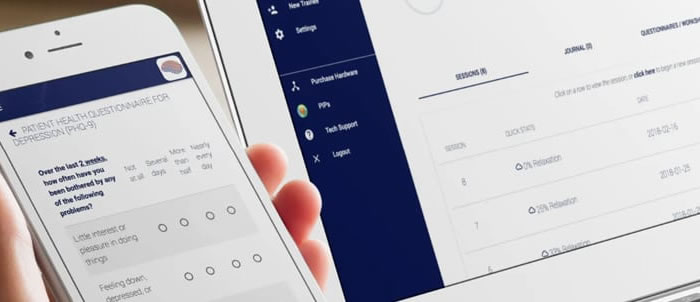
How NeuroFlow is Combining Technology and Treatment to Prevent Suicide

NeuroFlow and CAMS-care partner to offer an evidence-based therapeutic framework for suicide-specific assessment and treatment on electronic medical records.

Enhancing an already unique partnership, CAMS-care and NeuroFlow are once again teaming up to help create a happier and healthier world. The latest element of the partnership now gives clinicians using NeuroFlow access to the CAMS evidence-based Suicide Status Form to treat patients with serious thoughts of suicide.

According to the Substance Abuse and Mental Health Services Administration, there are 12.2 million adults and 3 million adolescents in the United States who are thinking of ending their lives. The Joint Commission, the Surgeon General, the CDC and Zero Suicide all reference the Collaborative Assessment and Management of Suicidality (CAMS) as one of a handful of evidence-based treatments that clinicians should use to reduce suicidal ideation.

Most clinicians today either don’t know that evidence-based treatments exist, have not been trained, or lack access to them in their electronic medical records. Building on an already existing, mission-aligned partnership between the two organizations, this development addresses these issues directly by getting evidence-based resources to care providers when it matters most.

“NeuroFlow is committed to integrating technology with evidence-based practices. Our partnership with CAMS-care provides a solution for the Treat step in Zero Suicide, putting clinicians on the NeuroFlow platform at the forefront of suicide prevention with access to tools that properly Identify, Engage and Treat the patient,” noted Matt Miclette, Head of Clinical Operations.

About NeuroFlow

NeuroFlow provides best-in-class technology and care services for the effective integration of behavioral health. NeuroFlow’s HIPAA-compliant platform supports over 14 million users across 300 health systems, payors, and organizations, helping them capture behavioral health insights and take action to proactively manage individuals and populations holistically.

Visit the NeuroFlow site

About the CAMS Framework®

Developed by David A. Jobes, Ph.D., ABPP, the Collaborative Assessment and Management of Suicidality (CAMS) Framework is a both a clinical philosophy of care and a therapeutic framework for suicide-specific assessment, management, and treatment of a patient’s suicidal risk. With an evidence base supported by multiple randomized controlled trials (RCTs) from around the world, CAMS focuses on empathy, honesty, and collaboration to form a strong alliance between the caregiver and patient to motivate the patient to save their life instead of ending it.

View the Suicide Status Form

About CAMS-care

Our mission is to save lives through effective care by training clinicians to treat suicidal patients. We have developed CAMS Trained™ and CAMS Certified™ designations, which licensed clinicians can achieve through completing training and gaining hands-on experience in the CAMS Framework. Never again feel unprepared when working with a person with serious thoughts of suicide.

Learn more about CAMS-care training & certification

Clinician-Survivors: The Peril and Promise of Risking to Care

Losing someone to suicide

As a clinician and suicide treatment researcher, I have contemplated for decades the prospect of losing someone to suicide. I regularly think about risking to care for people who struggle with thoughts of suicide. Like so many, I have personally known several people who have died by suicide. There was a painful loss of a friend and faculty colleague, who was literally across the hall from me. Tom took his life in the midst of four of us in my department conducting suicide research. Losing Tom was heartbreaking; the eyes of our graduate students were fixed on us faculty as they wondered how could you all have missed this? How could you have let this happen? I have often reflected on the moment a few days before Tom died when he stopped by my open office door to say “hi” and have a quick chat—something we both did countless times over the years as office neighbors. But this particular time after a brief exchange, Tom lingered at my door for a couple of beats as I turned to my computer to respond to my emails. In hindsight, I wish I had taken his subtle cue to invite him into my office to talk in more depth which was something we regularly did. But alas I did not and three days later Tom ended his life. Could my talking to him have prevented Tom’s suicide? I tell myself no, but I nevertheless regret what I failed to do in that moment, given what came to pass. I miss Tom both as a friend and faculty colleague.

Patients who are seriously suicidal

When I was in graduate school I worked as a Psych-Tech on an inpatient psychiatric unit. Within this role I helped avert several suicide attempts (two of which were patients on “15-minute checks” in the middle of hanging themselves in their rooms). While no one died, two patients came within a hair’s breadth of taking their lives. Some years later toward the end of my clinical internship within a V.A. Hospital, I gave a Rorschach Inkblot Test to a veteran who was deeply depressed. This patient struggled with the testing and we feared a closed head injury prompting us to pursue neuropsychology testing. But this testing never occurred because a few days after I met him, this profoundly depressed patient (a father of three young kids) laid down in front a bus as it departed from the hospital bus stop crushing him to death. Did I miss this patient’s potential for suicide? Yes, I had no inkling that this patient would soon be dead. I had met with him for 40 minutes before stopping the Rorschach given his abject inability to do the test. Do I have regrets about missing his suicide risk? Yes of course, but I do not blame myself for missing it.

Losing patients to suicide

As a practicing clinical psychologist for over 35+ years I have likely worked with thousands of patients in the V.A., in university counseling centers, and then as a private practitioner right up to the present day. Over my career, I have seen and treated hundreds of patients who have been suicidal. And while I have cut back on my clinical practice, I still see a couple of patients who are periodically suicidal. Over these years, I have had a half dozen patients make suicide attempts, a few of which could have been fatal but for twists of fate. As I reflect on clinical practice, I have no illusion that I will not lose a patient to suicide just because I am an expert on the topic. When it comes to suicide, no provider is infallible. Indeed, two of my beloved mentors lost patients to suicide. The late Dr. Terry Maltsberger, known for his seminal work on suicide-related countertransference, worked at McLean Hospital and Harvard Medical School, and he maintained a vibrant private practice. Over his career Terry counted himself “lucky” for never losing a patient to suicide after decades of seeing countless patients whom were highly suicidal. But then Terry lost a private practice patient shortly before he retired. Over the years that Dr. Marsha Lineman developed DBT within randomized controlled trials (RCTs), she always saw high risk patients and lost several of her patients to suicide. Thus, even these giants of clinical suicidology were not immune to losing patients.

The need for evidence-based treatment

In more recent years as I have dialed back my clinical practice, I have expanded the clinical trial research of CAMS, resulting in 9 published open clinical trials, 5 published RCT’s, along with two independent meta-analyses that support the effectiveness of CAMS. Given the risk, it is perhaps not surprising that we have also lost 4 patients to suicide who were in CAMS clinical trials. A particularly painful reality for my graduate students and me is watching sessions (on a secure platform) to ensure that CAMS providers are adherent and that RCT fidelity is assured. But in watching these cases for research purposes, we get drawn in and care about the clinicians and their patients. In one particularly challenging case, a CAMS study patient received over 20 sessions only to take her life as she seemed to deteriorate on video before our eyes. This death occurred despite an adherent provider who heroically used CAMS with the best consultation we could provide. We were heartbroken by this patient’s suicide and a tearful grad student asked me, “…after all these years, how do you handle a suicide like this?” My answer: “While losing this patient breaks my heart, and sobers me, it does not deter me from doing what we are doing…and actually it compels me to work even harder…we are not going to not do this kind of research because of this tragedy…we have to remember that we have helped save many more lives than we have lost and that fact keeps me going so others do not have to die this way.”

Using CAMS can help clinical confidence and may comfort family

I have a colleague who attended two early trainings of CAMS and she routinely used it in her counseling center work. After much success using CAMS with counseling center clients, she saw a grad student in chemistry who had a serious history of suicide risk (including two inpatient stays). The provider engaged this client in CAMS for six sessions, but the patient used an “exit-bag” to take his life by inhaling helium. In the midst of her grief, the clinician reached out to me for consultation and together we reviewed de-identified copies of the client’s SSFs during a phone consultation. With the wisdom of hindsight, I noted a few observations for improvement, but overall I felt that the clinician did an excellent job and she was certainly adherent to model. During our call I shared my heartfelt support and gave her encouraging feedback as I expressed my sincere condolences. I reassured her that she had done right by this client. Some six months later, this clinician re-contacted me for a follow up consultation in which I learned that the client’s parents had come across a file folder in their son’s desk entitled “Therapy” with copies of his SSF’s from his CAMS sessions. In that same folder was a printout of internet information about obtaining and then using an exit bag for suicide. The clinician told me that she spoke to the mother, and later the father who joined the 2-hour phone call. Towards the end of the call the bereft mother asked the provider, “…and what can we do for you? Because of course you lost our son too…are you doing okay?” The father finally noted, “…at least we have the comfort of knowing that the counselor who saw our son did not have her head in the sand when it comes to suicide…thank you for what you tried to do for him.”

The risk to care is worth it

When working with suicide risk there are obviously perils and the potential for heartbreak which must be balanced with the promise and rewards of life-saving care. One does not come without the other. What keeps me going is a grim acceptance that no clinician is immune to losing a patient. But I do take comfort and draw strength to persevere in the knowledge that I am able of provide the best possible care that I know to render. What more could I ever aspire to do when faced with the perils of suicide? For me, the risk to care continues to be worth it, because it can literally mean the difference between a death and saving a life. And I find great inspiration in doing right by my patients and endeavoring to foster that same feeling in other providers so they too can provide the best possible care to help save lives.