Hidden Lessons from Black Suicide Science

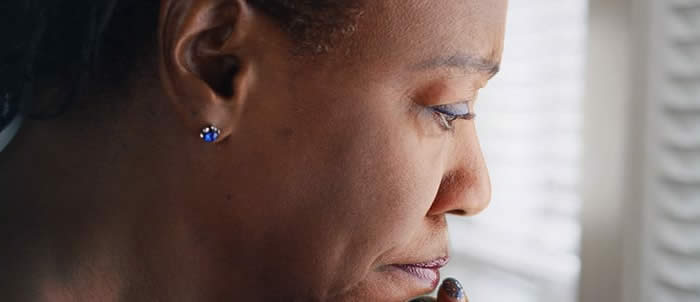
Given the preponderance of suicidogenic risks and vulnerability for Black adults and youth, one might predict higher rates of suicide death in the Black community. However, suicide and factors that contribute to suicide “resilience” are understudied among Black Americans. Dr. Walker will discuss patterns of suicide death, highlight relevant research from the Culture, Risk, and Resilience Lab, and propose important steps in addressing suicide as a serious but preventable public health concern.

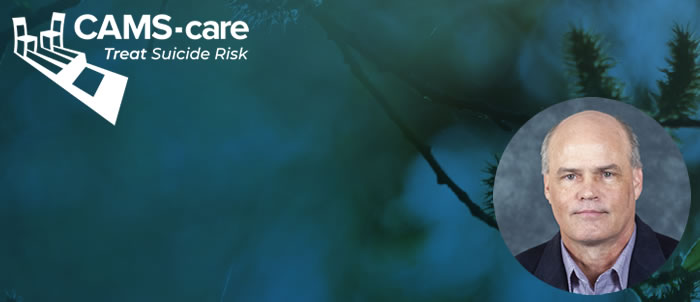
About Dr. Rheeda Walker

Dr. Rheeda Walker is an award-winning Professor of Psychology, a fellow in the American Psychological Association, and a leading scholar who has published more than 60 scientific papers on African American mental health, suicide risk, and emotional resilience. She is also a licensed clinical psychologist who prepares doctoral students for independent careers.

Dr. Walker’s impact has expanded beyond academia and she has quickly become a fan favorite with the release of her first book, The Unapologetic Guide to Black Mental Health. Delving into the heart of the Black experience, Dr. Walker debunks myths about mental health, builds the case for psychological fortitude, and delivers practical advice for use in everyday life. Her charismatic vision and practical approach to life’s challenges have led to numerous appearances on Good Morning America, The Breakfast Club, and NPR, among others. She is often quoted in major publications like the Washington Post, the Los Angeles Times, the Huffington Post, GQ Magazine, and the Houston Chronicle.

Dr. Walker’s eclectic mix of experiences positions her well to achieve her ultimate goal of bringing culturally-informed, psychological fortitude to both professional and lay audiences.

About David A. Jobes, Ph.D., ABPP

David Jobes, PhD, ABPP, is the founder of CAMS-care, LLC. He began his career in 1987 in the Counseling Center of the Catholic University of America, where he developed a suicide risk assessment tool for college students that evolved into an evidence-based treatment, CAMS, recognized by the Joint Commission, the Surgeon General, Zero Suicide, and the CDC. Dr. Jobes is now a Professor of Psychology and Associate Director of Clinical Training at Catholic; he has trained thousands of mental health professionals in the United States and abroad in evidence-based assessment and treatment of suicide risk and the use of CAMS.

  • This field is hidden when viewing the form
  • This field is hidden when viewing the form
  • This field is hidden when viewing the form
  • This field is hidden when viewing the form
  • This field is hidden when viewing the form
  • This field is hidden when viewing the form
  • This field is for validation purposes and should be left unchanged.

After Your Child’s Suicide Attempt

What to Do After Your Child’s Suicide Attempt — and How CAMS-Care Can Help

When a child has attempted suicide, the days and weeks that follow are often filled with fear, confusion, guilt, and uncertainty. Many parents describe feeling overwhelmed — unsure of what to say, what to do next, or how to help their child begin to heal. The video Parents to Parents: After Your Child’s Suicide Attempt was created to speak directly to these very real experiences, offering guidance from both clinicians and other parents who have walked this difficult path.

This guidance aligns with principles from the Zero Suicide Initiative, an organization that offers evidence-based, suicide prevention consultation and guidance. Research on the Zero Suicide Framework shows that care is improved (individually and at a system level) when it is proactive, collaborative, and specifically focused on suicide risk rather than general mental health alone.

The video linked at the bottom of this page can help parents understand what recovery actually looks like after an attempt: how to talk with their child, how to create safety, and how to partner with clinicians in a structured and hopeful way during a frightening time.

1. Acknowledge the Emotional Impact

First and foremost, it’s important for caregivers to recognize and validate their own emotions. Guilt, fear, anger, panic, numbness, and even relief can all coexist in the aftermath of a suicide attempt. These feelings are understandable — and common.

The video underscores that, while it can feel isolating, parents are not alone, and their reactions are shared by many families who have survived this crisis.

2. Understand What Comes Next

After the immediate medical response (emergency care, hospitalization if needed), the focus shifts to support and safety. This includes:

  • Co-creating a safe home environment by removing/securing or reducing access to potential means of harm.
  • Engaging with clinicians and mental health providers to initiate follow-up care, including therapy and psychiatric support.
  • Listening openly to your child’s feelings and thoughts without judgment, and letting them know they are loved, valued, and safe. The film encourages parents to learn what signs to watch for, how to talk about the attempt with their child, and how to make mental health care accessible.

3. Seek Evidence-Based Suicide-Focused Care

One essential piece in a child’s recovery journey is accessing evidence-based therapeutic approaches that focus specifically on suicidality rather than general mental health management alone. One such model is the Collaborative Assessment and Management of Suicidality (CAMS) — often referenced in suicide care communities and clinical settings.

CAMS is a suicide-specific treatment framework that actively involves the young person in identifying what is “driving” their suicidal thinking and collaboratively building a plan to address those drivers. It’s not a rote checklist; it’s a flexible, empathic approach where the clinician and child (or family) work together to:

  • Assess suicidal risk in depth
  • Create personalized safety and stabilization plans
  • Build treatment beyond safety and stability that moves teens towards lives they find worth living
  • Track progress and adapt care as needed

This model has been supported by research showing reductions in suicidal ideation, hopelessness, and distress, and improved engagement with care — all critical in the period after an attempt.

CAMS-4Teens® is a framework in which a clinician works with the parents to keep the home safe and provide guidance on how best to support your child through a course of CAMS treatment( typically six to 8 one-hour sessions) using the Stabilization Support Plan (CAMS-4Teens: Working with Parents).

Parents can locate a CAMS Trained™ clinician in their area using the CAMS‑care Clinician Locator.

4. Build a Support Team Around Your Child

Recovery is rarely a solo journey. The video highlights the value of connecting with both professional and community support — including family therapists, school counselors, peer support groups, and other caregivers who understand the experience. Parents who have been there often say that having someone to talk to — whether a trained provider or another parent who has survived similar circumstances — can make all the difference.

5. Maintain Hope and Patience 

Perhaps the most crucial message is one of hope. While a suicide attempt is a serious and frightening event, it does not mean a child is beyond help or that recovery isn’t possible. With appropriate care, safety planning, ongoing support, and open, compassionate treatment and communication, many families find their way back to stability and connection. Over time, parents and children can work toward healing together — learning new ways to cope, to stay connected, and to build a future worth living.

Please visit Supporting Parents | Zero Suicide where the film can be viewed in chapters and there are additional resources for healthcare providers, faith leaders, and schools.

The Network Effect: Turning Connection into Protection in Suicide Prevention

Communities are made up of relationship networks, but we rarely consider how the structure of these networks—and the interaction between them—shapes suicide prevention. Prof. Tony Pisani reveals how shared trusted connections promote protection, why even small changes in networks make a difference, and how organizations can strengthen these networks to better serve people in their communities. Drawing on research and case examples from high schools, healthcare, and the military, Tony highlights innovative, network-informed approaches. Through reflective exercises, attendees will explore how these insights apply to their life, team, and work, leaving with actionable strategies to build networks that promote connection and wellbeing.

Holly Wilcox, PhD

About Tony Pisani, Ph.D.

Tony Pisani is a Professor of Psychiatry and Pediatrics at the University of Rochester Center for the Study and Prevention of Suicide and the founder of SafeSide Prevention has devoted his career to preventing suicide and promoting wellbeing, combining research at University of Rochester with practical implementation as the founder of SafeSide Prevention. Author of more than 40 peer-reviewed papers and host of the Never the Same Podcast, his work spans research, education, and real-world implementation across healthcare, military, and community settings in the US, Australia, and New Zealand.


David A. Jobes, PhD

About David A. Jobes, Ph.D. ABPP

David A. Jobes, Ph.D., ABPP, is a Professor of Psychology, Director of the Suicide Prevention Laboratory, and Associate Director of Clinical Training at The Catholic University of America. Dr. Jobes is also an Adjunct Professor of Psychiatry, School of Medicine, at Uniformed Services University. He is the author of seven books and hundreds of articles and book chapters. He is the creator of the Collaborative Assessment and Management of Suicidality (CAMS) and one of the founders of CAMS-care, LLC (a professional training and consultation company). Dr Jobes is the recipient of many awards such as the 2022 Alfred M. Wellner Award for Lifetime Achievement (for research excellence) from the National Register of Health Service Psychologists and the 2025 “Erwin Ringel Service Award” for contributions to suicide prevention from the International Association of Suicide Prevention (IASP). He is a Fellow of the American Psychological Association and is board certified in clinical psychology (American Board of Professional Psychology). Dr. Jobes maintains a private clinical and consulting practice in Washington DC and in Maryland.

Watch the Recorded Webinar On-Demand

Enter your information to gain access.

  • This field is hidden when viewing the form
  • This field is hidden when viewing the form
  • This field is hidden when viewing the form
  • This field is hidden when viewing the form
  • This field is hidden when viewing the form
  • This field is hidden when viewing the form
  • This field is for validation purposes and should be left unchanged.

Public Health Approaches to Suicide Prevention

Because of our rising suicide rate, the United States Surgeon General, Vivek Murthy, called mental health the “defining health crisis of our time.” Despite many countries having had suicide prevention strategies for decades, we see a general lack of investment with suicide rates increasing in many settings and suicide-related inequities. The majority of people who die by suicide were not engaged in mental health services in the months before their deaths. This indicates the need to also advance a public health approach to suicide rather than primarily relying on the crisis and mental health systems for suicide prevention. Suicide prevention approaches must be engaging, culturally relevant and meet people where they are by spanning multiple community service sectors (e.g., schools, colleges/universities, healthcare, justice system, child welfare, etc.) and social media. The epidemiology of suicide, risk factors for suicide, the national context, and suicide research evidence are shifting which could point to possible new directions for suicide prevention.

Holly Wilcox, PhD

About Holly Wilcox Ph.D.

Dr. Holly Wilcox is founder and Director of the Johns Hopkins Center for Suicide Prevention. She is also a Professor in the Department of Mental Health at the Johns Hopkins Bloomberg School of Public Health with joint appointments in the Department of Health Policy and Management as well as the schools of medicine and education.  Holly uses research to advance public health approaches to suicide prevention, including policies, early intervention, and chain of care approaches. Holly serves as President of the International Academy of Suicide Research (IASR), on the national board of the American Foundation for Suicide Prevention (AFSP), and as a consultant on suicide prevention for the WHO.


David A. Jobes, PhD

About David A. Jobes Ph.D. ABPP

David Jobes, PhD, ABPP, is the founder of CAMS-care, LLC. He began his career in 1987 in the Counseling Center of the Catholic University of America, where he developed a suicide risk assessment tool for college students that evolved into CAMS. Dr. Jobes is now a Professor of Psychology and Associate Director of Clinical Training at Catholic; he has trained thousands of mental health professionals in the United States and abroad in evidence-based assessment and treatment of suicide risk and the use of CAMS.

Watch the Recorded Webinar On-Demand

Enter your information to gain access.

  • This field is hidden when viewing the form
  • This field is hidden when viewing the form
  • This field is hidden when viewing the form
  • This field is hidden when viewing the form
  • This field is hidden when viewing the form
  • This field is hidden when viewing the form
  • This field is for validation purposes and should be left unchanged.

New Directions in Suicide Safety Planning: The Project Life Force (PLF) Intervention

Dr. Goodman describes the development and testing of a novel treatment – “Project Life Force (PLF)” – which combines aspects of two evidence based treatments: Suicide Safety Planning and Dialectical Behavior Therapy Skills. The intervention is delivered in a group format and virtually since the pandemic. PLF framework, clinical data and implementation efforts were reviewed.

Marianne Goodman, PhD

Marianne Goodman, MD

Dr. Goodman has been a full time VA clinician (psychiatrist)-scientist at the James J. Peters VA Medical Center (JJPVA) for twenty-five years. In addition to being the Director of the VISN 2 Mental Illness, Research, Education, Clinical Center (MIRECC), she was the Director and developer of the JJPVA Dialectical Behavioral Therapy (DBT) Clinical and Research program from 2002-2015 and Director of the JJPVA Suicide Prevention Clinical Research Program from 2015-present. Her expertise is in the management of high risk suicidal and emotionally dysregulated Veterans and is considered one of the top suicide prevention experts in the VA system, actively involved in clinical care, research and education. Additionally, she has been the recipient of several prestigious awards for her involvement in suicide prevention and DBT treatment including the New York Federal Executive Employee Outstanding Individual Achievement Award for her Clinical DBT Program for Suicidal Veterans (2009), VISN 3 Network Director’s Achievement Award for Training VISN 3 Clinicians in DBT (2012), and the New York State Excellence in Suicide Prevention Award for Implementation of Zero Suicide in a Healthcare Setting (2018).
In 2015, she shifted her research direction to focus on treatment development for suicide prevention and designed “Project Life Force” (PLF) a novel group intervention that adapts DBT, combining emotion regulation skills with suicide safety planning and lethal means safety which was initially funded with a VA RR&D SPiRE pilot grant (2016-2018), and more recently funded with a multi-site VA RCT with a CSRD Merit (2018-2024). This intervention has moved to full telehealth delivery and with a 2021 SPRINT pilot award expanded to target populations of suicidal rural Veterans (PLF-RV). Dr. Goodman will present on her Project Life Force Intervention.

David A. Jobes, PhD

About David A. Jobes Ph.D. ABPP

David Jobes, PhD, ABPP, is the founder of CAMS-care, LLC. He began his career in 1987 in the Counseling Center of the Catholic University of America, where he developed a suicide risk assessment tool for college students that evolved into CAMS. Dr. Jobes is now a Professor of Psychology and Associate Director of Clinical Training at Catholic; he has trained thousands of mental health professionals in the United States and abroad in evidence-based assessment and treatment of suicide risk and the use of CAMS.

Watch the Recorded Webinar On-Demand

Enter your information to gain access.

  • This field is hidden when viewing the form
  • This field is hidden when viewing the form
  • This field is hidden when viewing the form
  • This field is hidden when viewing the form
  • This field is hidden when viewing the form
  • This field is hidden when viewing the form
  • This field is for validation purposes and should be left unchanged.

Colorado’s Comprehensive Approach to Suicide Prevention: What’s Working

Colorado's Comprehensive Approach to Suicide Prevention: What's Working

Dr. Lena Heilmann, Director of the Colorado Office of Suicide Prevention (OSP), provided an overview of Colorado’s comprehensive approach to suicide prevention, including the programs OSP funds and leads; Colorado-specific suicide-related data and data systems; a deeper dive into the Colorado-National Collaborative and OSP’s emphasis on suicide-specific care; how OSP works to meet the needs of all Colorado communities, including priority populations that face unique challenges and barriers that can increase risk of suicide; how OSP funds its programs through braided fundings and federal grants; the Colorado Suicide Prevention Commission and collaborations with partners across the state through its five active workgroups covering the programs we run and fund through OSP; what a comprehensive approach is; what the CNC is; that we work to meet the needs of all Colorado communities, including priority populations; which federal grants we have and how we implement them; provide an overview of the Commission and workgroups; and show some Colorado-specific data.

Lena Heilmann, PhD

About Lena Heilmann, PhD

Lena Heilmann (she/hers), PhD, MNM, is the Director of the Colorado Office of Suicide Prevention (which is housed within CDPHE). The Office of Suicide Prevention’s mission is to serve as the lead entity for suicide prevention, intervention supports, and postvention efforts in Colorado, collaborating with communities statewide to reduce the number of suicide deaths and attempts. Lena leads a team of eleven people who are passionate about reducing the impact of suicide in Colorado. Lena leads suicide prevention responses to media inquiries, provides subject matter expertise to legislation, serves as the Co-Chair for the Suicide Prevention Commission, is accountable to meeting statutory mandates for the Office, and serves as PI on two SAMHSA grants: GLS Youth Suicide Prevention and Early Intervention and the National Strategy for Suicide Prevention. Lena is fiercely committed to equity in the Office’s approach to comprehensive suicide prevention and had led various initiatives to center community voice, lived experience, and to address disparities impacting Coloradans.

Lena’s passion for this work comes directly from her lived experience. In 2012, Lena lost her only sister Danielle to suicide. Lena’s world and identity shattered with the loss of her soulmate sister. In order to survive this traumatic grief and to honor her sister, Lena decided to leave her career as a German and Gender/Women’s Studies professor and turned to a life of suicide prevention. She connected with sibling suicide loss survivors and compiled a book-length collection of essays titled Still With Us: Voices of Sibling Suicide Loss Survivors, which the American Association of Suicidology (AAS) recognized by awarding Lena with the 2021 AAS Suicide Loss Survivor of the Year Award. Lena volunteers for the American Foundation for Suicide Prevention (AFSP)’s Healing Conversations program.

David A. Jobes, PhD

About David A. Jobes Ph.D. ABPP

David Jobes, PhD, ABPP, is the founder of CAMS-care, LLC. He began his career in 1987 in the Counseling Center of the Catholic University of America, where he developed a suicide risk assessment tool for college students that evolved into CAMS. Dr. Jobes is now a Professor of Psychology and Associate Director of Clinical Training at Catholic; he has trained thousands of mental health professionals in the United States and abroad in evidence-based assessment and treatment of suicide risk and the use of CAMS.

Watch the Recorded Webinar On-Demand

Enter your information to gain access.

  • This field is hidden when viewing the form
  • This field is hidden when viewing the form
  • This field is hidden when viewing the form
  • This field is hidden when viewing the form
  • This field is hidden when viewing the form
  • This field is hidden when viewing the form
  • This field is for validation purposes and should be left unchanged.

2024 CAMS Update and Introducing CAMS Brief Intervention

2024 CAMS Update and Introducing CAMS Brief Intervention

In this suicide prevention month webinar, Dr. Jobes will discuss recent updates based on clinical trial research, clinical use of CAMS, and training developments related to CAMS. With five on-going randomized controlled trials and a series of recent publications, there is much news to report on all things CAMS. Dr. Jobes will then be joined by Dr. Ray Tucker who will present on the emerging use of CAMS as a single-session brief inpatient and/or emergency department intervention with promising preliminary evidence. There are now several new research efforts to replicate and extend early CAMS-BI™ findings. Join us for this exciting update and introduction to CAMS BI as a novel and much needed suicide-focused brief intervention.

David A. Jobes, PhD

About David A. Jobes Ph.D. ABPP

David Jobes, PhD, ABPP, is the founder of CAMS-care, LLC. He began his career in 1987 in the Counseling Center of the Catholic University of America, where he developed a suicide risk assessment tool for college students that evolved into CAMS. Dr. Jobes is now a Professor of Psychology and Associate Director of Clinical Training at Catholic; he has trained thousands of mental health professionals in the United States and abroad in evidence-based assessment and treatment of suicide risk and the use of CAMS.

Dr Raymond Tucker Headshot

About Dr. Raymond P. Tucker

Associate Professor of Psychology, Louisiana State University (LSU)
Clinical Assistant Professor of Psychiatry, Louisiana State University Health Sciences Center (LSUHSC)/Our Lady of the Lake (OLOL),
Raymond P. Tucker is a licensed clinical psychologist and associate professor of psychology at Louisiana State University. There he teaches undergraduate courses in psychology, graduate courses in clinical psychology, and founded the LSU Mitigation of Suicidal Behavior research laboratory. As a clinical assistant professor of psychology at LSUHSC/OLOL, he trains medical staff/students in suicide-specific evidence-based assessment and intervention protocols.

Watch the Recorded Webinar On-Demand

Enter you information to gain access.

  • This field is hidden when viewing the form
  • This field is hidden when viewing the form
  • This field is hidden when viewing the form
  • This field is hidden when viewing the form
  • This field is hidden when viewing the form
  • This field is hidden when viewing the form
  • This field is for validation purposes and should be left unchanged.

Zero Suicide – Outcomes and Opportunities

Zero Suicide - Outcomes and Opportunities

The Zero Suicide model was launched in 2012 as part of the National Action Alliance for Suicide Prevention. Consistent with the National Strategy for Suicide Prevention, Zero Suicide called for improved suicide identification and care in health care systems and promoted use of evidence-based practices by health care providers. Seven core elements comprise the model: “Lead”, “Train”, and “Improve” are the structural components embedded throughout the system and necessary for change, success, fidelity, and continuous quality improvement. “Identify”, “Engage”, “Treat”, and “Transition” are clinical components of the model and define the care patients should receive. Despite evidence supporting each component, use of the full model within systems of care varies.

Over 38% of individuals have made a healthcare visit (e.g., primary care, emergency department, specialty care, etc.) within the week before their suicide attempt and 95% have had a healthcare visit within the preceding year. While this varies across race and ethnicity, these are clearly missed opportunities to identify and care for people at risk for suicide.

Seeing suicide as a never event forces the organization to use best practices, apply continuous quality improvement, and emphasize reducing errors while holding the system to account, not the individual. The clinical science of treating suicidality has evolved such that we now have several proven suicide-specific treatments with additional promising treatments in development. However, graduate programs, professional certification, and continuing education rarely focus on suicide-specific treatments as a competency for graduation or licensure and clinicians report a lack of comfort, confidence, and skill in delivering suicide care.

The Zero Suicide approach has demonstrated notable reductions in suicide and suicide behaviors as well as improvements to using evidenced-based practices. This webinar will describe the Zero Suicide model, discuss challenges, disparities, and opportunities regarding uptake of the unique components of the model, and share how organizations can get started on their Zero Suicide implementation efforts.

Julie Goldstein Grumet, PhD

Julie Goldstein Grumet, PhD

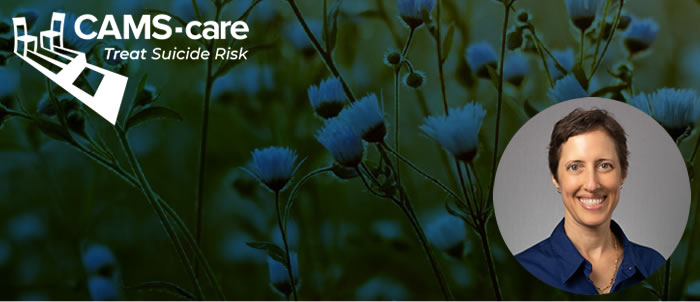
Julie is Vice President for Suicide Prevention Strategy and the Director of the Zero Suicide Institute at the Education Development Center. She provides strategic direction to health care systems to improve the identification and treatment for people at risk for suicide. She has collaborated on numerous grants and publications about systems-based approaches to suicide prevention. Julie’s primary responsibility is to advance the development, dissemination, and effective implementation of comprehensive suicide care practices in various settings. She has expertise in behavioral health transformation, state and local community suicide prevention, quality improvement, and the use of evidence-based practices for suicide care in clinical settings. Julie has a Ph.D. in Clinical Psychology from The George Washington University and lives in Silver Spring, MD.

Watch the Recorded Webinar On-Demand

Enter you information to gain access.

  • This field is hidden when viewing the form
  • This field is hidden when viewing the form
  • This field is hidden when viewing the form
  • This field is hidden when viewing the form
  • This field is hidden when viewing the form
  • This field is hidden when viewing the form
  • This field is for validation purposes and should be left unchanged.

Stigma, Shame, and Suicide Webinar

Stigma, Shame, and Suicide On-Demand Webinar

The connection between stigma, shame, and suicide will be discussed, with a focus on not just understanding the importance of these challenges in clinical care, but what available empirical evidence suggests are the most effective ways to target stigma and shame in treatment. Simple, strategic, and effective interventions will be shared.

M. David Rudd, Ph.D., ABPP

About M. David Rudd, Ph.D., ABPP

M. David Rudd, Ph.D., ABPP is Distinguished University Professor of Psychology and President Emeritus at the University of Memphis. His undergraduate degree is from Princeton University and his doctoral degree from the University of Texas. As one of the developers of brief cognitive behavioral therapy for suicide prevention (BCBT-SP), he has published and cited extensively on the assessment, clinical management, and treatment of suicide risk. A recently completed RCT demonstrated the effectiveness of a modified BCBT-SP protocol with suicidal inpatients.

Watch the Recorded Webinar On-Demand

Enter your information to gain access.

  • This field is hidden when viewing the form
  • This field is hidden when viewing the form
  • This field is hidden when viewing the form
  • This field is hidden when viewing the form
  • This field is hidden when viewing the form
  • This field is hidden when viewing the form
  • This field is for validation purposes and should be left unchanged.

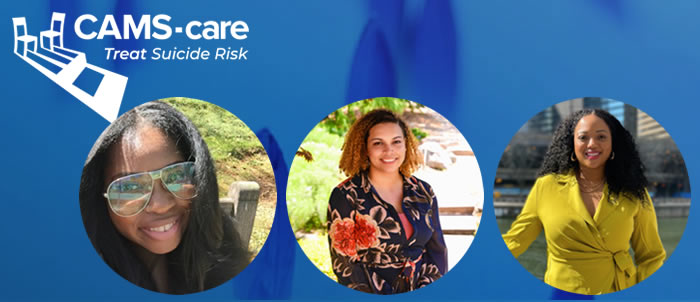
Black Suicidology Summit Webinar

Black Suicidology Summit Webinar On-Demand Webinar

The Interfaith America Black Leadership Fellows introduces the Black Suicidology Summit webinar. We examine the socio-historical context of systemic disparities, provide intersectional discourse on current risk/preventative factors, and visualize the possibilities of future evidence-based practices. This virtual, fireside chat, is a space created for healing, awareness, and community innovation.

Tanisha Esperanza, M.A.

About Tanisha Esperanza, M.A.

Tanisha Esperanza, M.A. is a neurodivergent consultant and suicidologist. She is a 1st generation Afro-Latinx American, queer, and an autistic adult. She obtained her B.A. in anthropology & sociology from Spelman College. In 2019, she graduated with her M.A. in psychology from the Catholic University of America. Her work focuses on providing neuro-affirming support to LGBTQ+/BIPOC adults. Integrating an intersectional and womanist approach in holistically treating trauma. She examines the social-historical impact of systemic trauma on the daily functionings of marginalized individuals and communities. Tanisha is a proud companion of a cavapoo, Ms. Ella Fitzgerald.

Janel Cubbage

About Janel Cubbage

Janel Cubbage currently serves as the Strategic Partnerships and Equity Program Manager at the Johns Hopkins Center for Gun Violence Solutions. Janel began her career providing case management and care coordination to adjudicated youth where she encountered firsthand the deleterious effects of gun violence. It was then that Janel made a commitment to prevent gun violence and care for those who have been affected. Janel transitioned to a career as a suicidologist where she gained experience managing prevention programs for the military, and serving as the Director of Suicide Prevention at Maryland’s Behavioral Health Administration and chairing Maryland’s Governor’s Commission on Suicide Prevention. Janel also works as a licensed trauma therapist, specializing in providing therapy for minoritized communities. She is passionate about healing racial trauma and actively working for racial and social justice. Janel is a recent Fellow of the Bloomberg American Health Initiative and earned her MPH at the Johns Hopkins School of Public Health in 2022. Janel also holds a masters of science in clinical mental health counseling from McDaniel College.

Tianna Dowie-Chin, PhD

About Tianna Dowie-Chin, PhD

Dr. Tianna Dowie-Chin is currently an Assistant Professor of Social Studies Education at the University of Georgia. Tianna was born and raised in Toronto, ON, Canada by Jamaican born parents. She earned her Ph.D. in curriculum and instruction specializing in Teachers, Schools and Society (TSS) from the University of Florida. Her dissertation titled “My Child’s First Teacher: Utilizing Black Mothers’ Counter-Narratives to Reimagine Black Schooling” recently won an Outstanding Dissertation Award from American Educational Research Association’s (AERA) Critical Examination of Race, Ethnicity, Class, and Gender Special Interest Group (SIG). Additionally, her research has been recognized with the University of Florida’s Association for Academic Women (AAW) Madelyn Lockhart Dissertation Fellowship and a National Council of Social Studies (NCSS) Exemplary Research Award. Her research broadly examines race in education with a particular focus on Black feminist thought and education, fostering critical race approaches to teacher education, and challenging global anti-Black racism in education through race theory. She currently serves on the executive committee for NCSS’s College & University Faculty Assembly (CUFA) Scholars of Color Forum and AERA’s Social Studies SIG. One of her professional goals is to support and inspire educators to honor and make space for Black voices and experiences in order to challenge the ways Blackness has been essentialized.

Watch the Recorded Webinar On-Demand

Enter your information to gain access.

  • This field is hidden when viewing the form
  • This field is hidden when viewing the form
  • This field is hidden when viewing the form
  • This field is hidden when viewing the form
  • This field is hidden when viewing the form
  • This field is hidden when viewing the form
  • This field is for validation purposes and should be left unchanged.