Modeling the Complexity of Suicide and Self-Harm using Computational Clinical Science

Mental disorders are incredibly complex, heterogeneous, and dynamic phenomena. Dr. Wang’s research aims to develop and harness novel methods that can capture and model this complexity, with a focus on suicide and other forms of self-harm. In this talk, Dr. Wang first presents a series of studies investigating why people engage in self-harming behaviors by identifying their reinforcement functions, which has also helped test and revise fundamental assumptions about the nature of these behaviors. Second, Shirley describes her data-driven computational work, which harnesses machine learning and real-time monitoring to predict who is at risk for suicide and self-harm and when risk is highest. Third, she discusses her theory-driven computational work investigating how suicide and self-harm arise by building formal mathematical models of these phenomena as complex dynamical systems. Finally, Dr. Wang outlines future directions for her research, which will continue integrating methods from clinical science, machine learning, and mathematical modeling to advance the understanding, prediction, and prevention of suicide and self-harm.

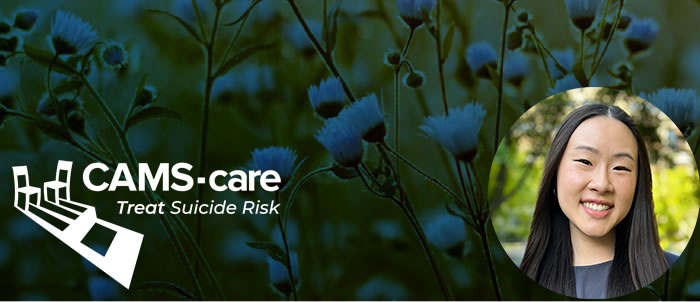
Shirley B. Wang, Ph.D.

About Shirley B. Wang, Ph.D.

Shirley B. Wang, Ph.D. is an Assistant Professor in the Department of Psychology at Yale University, where she directs the Computational Clinical Science Lab. She received her BA from The College of New Jersey (2017) and her PhD from Harvard University (2024). Her research aims to develop and harness methods that can capture and model the immense complexity of psychopathology, including mathematical, computational, and intensive longitudinal methods. She is particularly interested in why people engage in self-destructive behaviors, including suicide, nonsuicidal self-injury, and eating disorders. Dr. Wang’s work has been funded by the National Institutes of Health, the National Science Foundation, several private foundations, and published in over 50 scientific papers and book chapters. Her research and mentorship has also been recognized through the receipt of several awards, and she was recently listed as one of Forbes’ 30 Under 30 in Healthcare.


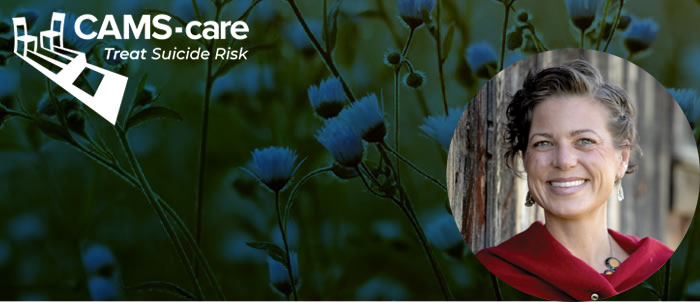
David A. Jobes, PhD

About David A. Jobes Ph.D. ABPP

David Jobes, PhD, ABPP, is the founder of CAMS-care, LLC. He began his career in 1987 in the Counseling Center of the Catholic University of America, where he developed a suicide risk assessment tool for college students that evolved into CAMS. Dr. Jobes is now a Professor of Psychology and Associate Director of Clinical Training at Catholic; he has trained thousands of mental health professionals in the United States and abroad in evidence-based assessment and treatment of suicide risk and the use of CAMS.

Watch the Recorded Webinar On-Demand

Enter your information to gain access.

  • This field is hidden when viewing the form
  • This field is hidden when viewing the form
  • This field is hidden when viewing the form
  • This field is hidden when viewing the form
  • This field is hidden when viewing the form
  • This field is hidden when viewing the form
  • This field is for validation purposes and should be left unchanged.

Public Health Approaches to Suicide Prevention

Because of our rising suicide rate, the United States Surgeon General, Vivek Murthy, called mental health the “defining health crisis of our time.” Despite many countries having had suicide prevention strategies for decades, we see a general lack of investment with suicide rates increasing in many settings and suicide-related inequities. The majority of people who die by suicide were not engaged in mental health services in the months before their deaths. This indicates the need to also advance a public health approach to suicide rather than primarily relying on the crisis and mental health systems for suicide prevention. Suicide prevention approaches must be engaging, culturally relevant and meet people where they are by spanning multiple community service sectors (e.g., schools, colleges/universities, healthcare, justice system, child welfare, etc.) and social media. The epidemiology of suicide, risk factors for suicide, the national context, and suicide research evidence are shifting which could point to possible new directions for suicide prevention.

Holly Wilcox, PhD

About Holly Wilcox Ph.D.

Dr. Holly Wilcox is founder and Director of the Johns Hopkins Center for Suicide Prevention. She is also a Professor in the Department of Mental Health at the Johns Hopkins Bloomberg School of Public Health with joint appointments in the Department of Health Policy and Management as well as the schools of medicine and education.  Holly uses research to advance public health approaches to suicide prevention, including policies, early intervention, and chain of care approaches. Holly serves as President of the International Academy of Suicide Research (IASR), on the national board of the American Foundation for Suicide Prevention (AFSP), and as a consultant on suicide prevention for the WHO.


David A. Jobes, PhD

About David A. Jobes Ph.D. ABPP

David Jobes, PhD, ABPP, is the founder of CAMS-care, LLC. He began his career in 1987 in the Counseling Center of the Catholic University of America, where he developed a suicide risk assessment tool for college students that evolved into CAMS. Dr. Jobes is now a Professor of Psychology and Associate Director of Clinical Training at Catholic; he has trained thousands of mental health professionals in the United States and abroad in evidence-based assessment and treatment of suicide risk and the use of CAMS.

Watch the Recorded Webinar On-Demand

Enter your information to gain access.

  • This field is hidden when viewing the form
  • This field is hidden when viewing the form
  • This field is hidden when viewing the form
  • This field is hidden when viewing the form
  • This field is hidden when viewing the form
  • This field is hidden when viewing the form
  • This field is for validation purposes and should be left unchanged.

Colorado’s Comprehensive Approach to Suicide Prevention: What’s Working

Colorado's Comprehensive Approach to Suicide Prevention: What's Working

Dr. Lena Heilmann, Director of the Colorado Office of Suicide Prevention (OSP), provided an overview of Colorado’s comprehensive approach to suicide prevention, including the programs OSP funds and leads; Colorado-specific suicide-related data and data systems; a deeper dive into the Colorado-National Collaborative and OSP’s emphasis on suicide-specific care; how OSP works to meet the needs of all Colorado communities, including priority populations that face unique challenges and barriers that can increase risk of suicide; how OSP funds its programs through braided fundings and federal grants; the Colorado Suicide Prevention Commission and collaborations with partners across the state through its five active workgroups covering the programs we run and fund through OSP; what a comprehensive approach is; what the CNC is; that we work to meet the needs of all Colorado communities, including priority populations; which federal grants we have and how we implement them; provide an overview of the Commission and workgroups; and show some Colorado-specific data.

Lena Heilmann, PhD

About Lena Heilmann, PhD

Lena Heilmann (she/hers), PhD, MNM, is the Director of the Colorado Office of Suicide Prevention (which is housed within CDPHE). The Office of Suicide Prevention’s mission is to serve as the lead entity for suicide prevention, intervention supports, and postvention efforts in Colorado, collaborating with communities statewide to reduce the number of suicide deaths and attempts. Lena leads a team of eleven people who are passionate about reducing the impact of suicide in Colorado. Lena leads suicide prevention responses to media inquiries, provides subject matter expertise to legislation, serves as the Co-Chair for the Suicide Prevention Commission, is accountable to meeting statutory mandates for the Office, and serves as PI on two SAMHSA grants: GLS Youth Suicide Prevention and Early Intervention and the National Strategy for Suicide Prevention. Lena is fiercely committed to equity in the Office’s approach to comprehensive suicide prevention and had led various initiatives to center community voice, lived experience, and to address disparities impacting Coloradans.

Lena’s passion for this work comes directly from her lived experience. In 2012, Lena lost her only sister Danielle to suicide. Lena’s world and identity shattered with the loss of her soulmate sister. In order to survive this traumatic grief and to honor her sister, Lena decided to leave her career as a German and Gender/Women’s Studies professor and turned to a life of suicide prevention. She connected with sibling suicide loss survivors and compiled a book-length collection of essays titled Still With Us: Voices of Sibling Suicide Loss Survivors, which the American Association of Suicidology (AAS) recognized by awarding Lena with the 2021 AAS Suicide Loss Survivor of the Year Award. Lena volunteers for the American Foundation for Suicide Prevention (AFSP)’s Healing Conversations program.

David A. Jobes, PhD

About David A. Jobes Ph.D. ABPP

David Jobes, PhD, ABPP, is the founder of CAMS-care, LLC. He began his career in 1987 in the Counseling Center of the Catholic University of America, where he developed a suicide risk assessment tool for college students that evolved into CAMS. Dr. Jobes is now a Professor of Psychology and Associate Director of Clinical Training at Catholic; he has trained thousands of mental health professionals in the United States and abroad in evidence-based assessment and treatment of suicide risk and the use of CAMS.

Watch the Recorded Webinar On-Demand

Enter your information to gain access.

  • This field is hidden when viewing the form
  • This field is hidden when viewing the form
  • This field is hidden when viewing the form
  • This field is hidden when viewing the form
  • This field is hidden when viewing the form
  • This field is hidden when viewing the form
  • This field is for validation purposes and should be left unchanged.

Colorado’s Blueprint for Suicide-Specific Care: How the Office of Suicide Prevention Channels Limited Resources into Lasting Impact

Colorado’s Blueprint for Suicide-Specific Care
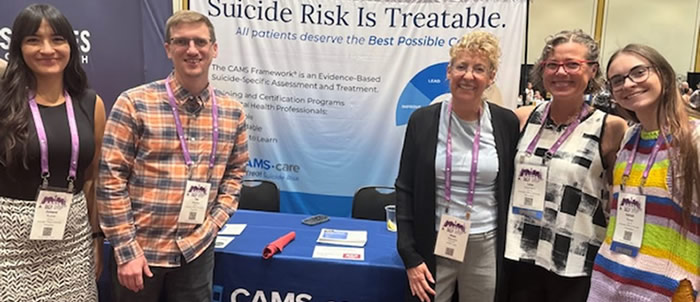
Members from Colorado Office of Suicide Prevention (Dymond Ruybal, Tate Steidley, Anne Weimer of CAMS-care, OSP Director Lena Heilmann, and Kaleigh Kessel) visiting CAMS-care partners at the 2024 American Association of Suicidology Conference.

Colorado has historically faced some of the highest suicide death rates in the United States. In 2020, 21.5 per every 100,000 people died by suicide, compared to 13.5 per every 100,000 people nationally. However, in 2022, after a 15-year high, Colorado’s suicide statistics began trending downward. Since then, suicide rates have remained steady and show promising signs of continued improvement.

Behind this remarkable progress is the Colorado Office of Suicide Prevention (OSP)—a small yet mighty team leading the state’s suicide prevention, intervention, and postvention efforts. By securing competitive state and federal grant funding, implementing a comprehensive suicide-care strategy rooted in evidence-based practices like the Collaborative Assessment and Management of Suicidality (CAMS), and addressing diverse community needs, Colorado is catalyzing lasting change and providing a blueprint for other states and organizations to follow.

The Colorado Office of Suicide Prevention (OSP)

OSP was established in 2000 within the Prevention Services Division of the Colorado Department of Public Health and Environment as the state’s lead entity for suicide prevention. Under the leadership of Director Lena Heilmann, the dedicated team of eleven works tirelessly to enhance suicide-specific care across the state.

Anchored in six core pillars—Connectedness, Economic Stability, Education and Awareness, Improving Access to Safer Suicide Care, Lethal Means Safety, and Postvention—OSP collaborates with communities and agencies across every county in Colorado to develop and implement equitable strategies to reduce suicidal despair, attempts, and deaths. Funding local initiatives, fostering collaborative partnerships, targeting high-risk populations and areas, and training individuals to handle suicidal crises, are a few components of their comprehensive, statewide approach.

Despite resource limitations, competitive state and federal grants have made their growth, strategic approach, and progress possible.

Three Foundational Elements of OSP’s Success

1. Maximizing Resources through Federal Grants

OSP leverages competitive state and federal funding to support its comprehensive, community-based approach to suicide-specific care. They maintain continuous efforts by leveraging diverse funding sources, avoiding funding shortages between grants.

To date, OSP has secured all eligible federal grant options. For example, in FY 2022-23, of their $5.19 million budget, $3.3 million came from federal grant funds, including:

  • SAMHSA Zero Suicide Federal Grant
  • SAMHSA GLS Youth Suicide Prevention Federal Grant
  • SAMHSA National Strategy for Suicide Prevention Federal Grant
  • CDC Comprehensive Suicide Prevention Federal Grant
  • Public Health and Human Services Block Grant

The evidence-based Collaborative Assessment and Management of Suicidality (CAMS) and Zero Suicide frameworks are critical components of comprehensive suicide prevention. OSP collaborates with the CAMS-care team to secure grants, embedding both frameworks into their grant funding to achieve specific goals and enhance suicide prevention efforts.

2. Implementing a Comprehensive and Aligned Approach

OSP collaborates with and engages various stakeholders, including communities and agencies across Colorado, to coordinate suicide prevention programs and efforts. Their comprehensive state-wide approach includes:

  • Funding local initiatives
  • Targeting high-risk populations and areas
  • Implementing primary prevention strategies
  • Training individuals to respond to crises
  • Addressing lethal means safety
  • Supporting those impacted by suicide
  • Leading collaborative partnerships

Embracing the Whole System of Care

OSP’s unified strategy, based on a comprehensive approach that Zero Suicide plays a critical role in, ensures they address all aspects of suicide prevention, intervention, and postvention. This creates a seamless continuum of care for individuals to receive the best possible support. This holistic approach allows for early identification and intervention, continuous support throughout recovery, and effective postvention efforts to mitigate the impact of suicide on families and communities, ensuring no one falls through the cracks.

Prioritizing CAMS and Zero Suicide Frameworks

Evidence-based frameworks, such as CAMS, are the most effective suicide treatment methods. OSP incorporates these frameworks into their health systems, supporting training, suicide-specific care plans and continuous quality improvement activities across the state. For example, through the 2018 GLS grant, OSP trained 980 providers in CAMS during five training programs. More recently, in FY 22-23, they trained 350 providers during six training programs.

The flexible nature of CAMS allows for its adoption across various demographics and care settings. OSP’s initiatives have encouraged providers to integrate CAMS into everyday practice, spurring a cultural shift within the entire system of care toward more empathetic, honest, and trust-based patient interactions. As CAMS training becomes standard, it ensures consistent, high-quality care despite clinician turnover, improving suicide prevention practices statewide.

Colorado’s Blueprint for Suicide-Specific Care
A group of mental health Providers participating in a CAMS role play training with CAMS-care Consultant Ray Tucker in Lakewood, CO in August 2023.

Tailoring Interventions through an Equity Lens

OSP prioritizes equity in its programming, customizing interventions to the specific needs of different demographics and communities. OSP targets groups with the highest suicide rates in Colorado, such as LGBTQ+ individuals, veterans and their families, and workers in high-risk industries, such as construction, oil and gas, and first responders. This helps ensure that their initiatives include culturally appropriate information that address the needs of these communities.

Director Lena Heilmann reflects, “The more comprehensive and aligned our programs are, the more reductions we see in suicide fatality rates. That level of coordination and thoughtfulness will hopefully keep our rates in the direction of decreasing.”

3. Addressing Diverse Communities through Innovative Solutions

OSP meets community needs by observing what works and adapting strategies when necessary. In close collaboration with CAMS-care, they use innovative solutions to enhance their suicide prevention efforts. Recent examples of how OSP and CAMS have collaborated to amplify efforts span boosting training participation numbers to developing the clinician locator.

Training Engagement

When OSP received the GLS grant in 2018, they initiated five CAMS trainings statewide. Unlike the areas of Loveland and Lakewood that saw high attendance, Pueblo only had nine attendees. However, these nine attendees were so impressed with how in-depth the training was that they brought their organizations the following year, increasing participation.

Clinician Locator

When community partners began asking OSP for a list of CAMS Trained™ providers, OSP approached CAMS-care for help. Together, we launched the CAMS Clinician Locator to connect people to CAMS-trained providers, with options to filter by those who serve youth, offer telehealth, and accept Medicare and Medicaid.

CAMS Certification and Train the Trainer Programs

Following high participation rates in recent CAMS trainings, OSP is emphasizing advancing providers from CAMS Trained to CAMS Certified™ to meet higher standards of evidence-based care. Additionally, they are funding a number of CAMS Certified clinicians to become CAMS Internal Trainers to create more sustainable training practices and facilitate quicker onboarding of new staff.

Highlights of Colorado’s Success

Securing competitive grant funding, implementing a comprehensive and aligned approach, and meeting the community’s needs have not only elevated Colorado’s quality of care but also contributed to notable successes in the state’s fight against suicide.

In addition to the overall decrease in its state age-adjusted suicide mortality rate, other impressive state-wide statistics thanks to OSP’s efforts include:

  • Decreased youth suicide deaths: In 2022, the youth suicide rate dropped to 8.53 per 100,000 from 13.06 per 100,000 in 2021.
  • Increased support for youth: In 2021, over 73.5% of high school students reported that they had an adult to go to for help with a serious problem.
  • Decreased Emergency Department visits: The age-adjusted rate for suicide-related visits dropped from 162.12 per 100,000 in 2018 to 151.92 per 100,000 in 2022.
  • Decreased hospitalizations: Suicide-related hospitalizations dropped from 3,165 cases (56.01 per 100,000) in 2018 to 2,734 cases (47.51 per 100,000) in 2022.

These are just a few of OSP’s many key FY 22-23 successes. Most recently, the 2024 National Strategy for Suicide Prevention highlights OSP’s work as a model for supporting upstream comprehensive community-based suicide prevention.

A Blueprint for Saving Lives

The Colorado Office of Suicide Prevention has laid a solid foundation for continued improvement in suicide fatality rates across the state. The Zero Suicide and CAMS frameworks serve as cornerstones of this foundation, driving suicide-related outcomes in a positive direction. While much work remains until the suicide mortality rate reaches zero, OSP’s approach serves as a powerful model for other state and local organizations to follow.

Wherever you are in your suicide prevention journey, CAMS-care is here to support you. Whether you are looking for help applying for state or federal grant funding, repurposing existing funding into a more effective strategy, or finding the latest suicidology resources, we would love to hear from you. Contact us anytime.

Together, we can elevate suicide-specific care and save more lives.

Strengths-Based Approaches to Suicide Prevention in the Black Community

Strengths-Based Approaches to Suicide Prevention in the Black Community Webinar

The crisis of suicide among Black youth and emerging adults has escalated in recent years. Despite this, little is known about what factors can protect against the occurrence of suicide for Black Americans. In this talk, Dr. Brooks Stephens will review socio-cultural risk factors for suicide among Black youth and emerging adults, share her research focusing on strengths-based approaches to suicide prevention, and outline essential actions needed to address this public health crisis.

Jasmin Brooks Stephens, PhD

Jasmin Brooks Stephens, PhD

Dr. Jasmin Brooks Stephens is an incoming Assistant Professor in the Department of Psychology at the University of California, Berkeley (starting July 2025). Dr. Brooks Stephens earned her PhD in Clinical Psychology at the University of Houston and completed her clinical internship at Harvard Medical School/Massachusetts General Hospital. Dr. Brooks Stephens’ research focuses on utilizing qualitative and quantitative clinical science methods to characterize the unique social and contextual risk factors that shape the mental health trajectories of Black youth and emerging adults, with a focus on suicide vulnerability and racial trauma. Grounded in strengths-based approaches, her work also aims to identify cultural protective factors that promote resilience and positive psychological well-being for diverse Black communities. Through her work, she aims to develop and implement culturally relevant interventions, programming, and policies that target the reduction of racism-related stress, suicide, and health disparities within Black communities. Her work has been supported by several national organizations including the NASEM Ford Foundation, APA Minority Fellowship Program, and P.E.O. Foundation.

Dr Raymond Tucker Headshot

About Dr. Raymond P. Tucker

Associate Professor of Psychology, Louisiana State University (LSU)
Clinical Assistant Professor of Psychiatry, Louisiana State University Health Sciences Center (LSUHSC)/Our Lady of the Lake (OLOL),
Raymond P. Tucker is a licensed clinical psychologist and associate professor of psychology at Louisiana State University. There he teaches undergraduate courses in psychology, graduate courses in clinical psychology, and founded the LSU Mitigation of Suicidal Behavior research laboratory. As a clinical assistant professor of psychology at LSUHSC/OLOL, he trains medical staff/students in suicide-specific evidence-based assessment and intervention protocols.

Watch the Recorded Webinar On-Demand

Enter you information to gain access.

  • This field is hidden when viewing the form
  • This field is hidden when viewing the form
  • This field is hidden when viewing the form
  • This field is hidden when viewing the form
  • This field is hidden when viewing the form
  • This field is hidden when viewing the form
  • This field is for validation purposes and should be left unchanged.

Zero Suicide – Outcomes and Opportunities

Zero Suicide - Outcomes and Opportunities

The Zero Suicide model was launched in 2012 as part of the National Action Alliance for Suicide Prevention. Consistent with the National Strategy for Suicide Prevention, Zero Suicide called for improved suicide identification and care in health care systems and promoted use of evidence-based practices by health care providers. Seven core elements comprise the model: “Lead”, “Train”, and “Improve” are the structural components embedded throughout the system and necessary for change, success, fidelity, and continuous quality improvement. “Identify”, “Engage”, “Treat”, and “Transition” are clinical components of the model and define the care patients should receive. Despite evidence supporting each component, use of the full model within systems of care varies.

Over 38% of individuals have made a healthcare visit (e.g., primary care, emergency department, specialty care, etc.) within the week before their suicide attempt and 95% have had a healthcare visit within the preceding year. While this varies across race and ethnicity, these are clearly missed opportunities to identify and care for people at risk for suicide.

Seeing suicide as a never event forces the organization to use best practices, apply continuous quality improvement, and emphasize reducing errors while holding the system to account, not the individual. The clinical science of treating suicidality has evolved such that we now have several proven suicide-specific treatments with additional promising treatments in development. However, graduate programs, professional certification, and continuing education rarely focus on suicide-specific treatments as a competency for graduation or licensure and clinicians report a lack of comfort, confidence, and skill in delivering suicide care.

The Zero Suicide approach has demonstrated notable reductions in suicide and suicide behaviors as well as improvements to using evidenced-based practices. This webinar will describe the Zero Suicide model, discuss challenges, disparities, and opportunities regarding uptake of the unique components of the model, and share how organizations can get started on their Zero Suicide implementation efforts.

Julie Goldstein Grumet, PhD

Julie Goldstein Grumet, PhD

Julie is Vice President for Suicide Prevention Strategy and the Director of the Zero Suicide Institute at the Education Development Center. She provides strategic direction to health care systems to improve the identification and treatment for people at risk for suicide. She has collaborated on numerous grants and publications about systems-based approaches to suicide prevention. Julie’s primary responsibility is to advance the development, dissemination, and effective implementation of comprehensive suicide care practices in various settings. She has expertise in behavioral health transformation, state and local community suicide prevention, quality improvement, and the use of evidence-based practices for suicide care in clinical settings. Julie has a Ph.D. in Clinical Psychology from The George Washington University and lives in Silver Spring, MD.

Watch the Recorded Webinar On-Demand

Enter you information to gain access.

  • This field is hidden when viewing the form
  • This field is hidden when viewing the form
  • This field is hidden when viewing the form
  • This field is hidden when viewing the form
  • This field is hidden when viewing the form
  • This field is hidden when viewing the form
  • This field is for validation purposes and should be left unchanged.

Black Suicidology Summit Webinar

Black Suicidology Summit Webinar On-Demand Webinar

The Interfaith America Black Leadership Fellows introduces the Black Suicidology Summit webinar. We examine the socio-historical context of systemic disparities, provide intersectional discourse on current risk/preventative factors, and visualize the possibilities of future evidence-based practices. This virtual, fireside chat, is a space created for healing, awareness, and community innovation.

Tanisha Esperanza, M.A.

About Tanisha Esperanza, M.A.

Tanisha Esperanza, M.A. is a neurodivergent consultant and suicidologist. She is a 1st generation Afro-Latinx American, queer, and an autistic adult. She obtained her B.A. in anthropology & sociology from Spelman College. In 2019, she graduated with her M.A. in psychology from the Catholic University of America. Her work focuses on providing neuro-affirming support to LGBTQ+/BIPOC adults. Integrating an intersectional and womanist approach in holistically treating trauma. She examines the social-historical impact of systemic trauma on the daily functionings of marginalized individuals and communities. Tanisha is a proud companion of a cavapoo, Ms. Ella Fitzgerald.

Janel Cubbage

About Janel Cubbage

Janel Cubbage currently serves as the Strategic Partnerships and Equity Program Manager at the Johns Hopkins Center for Gun Violence Solutions. Janel began her career providing case management and care coordination to adjudicated youth where she encountered firsthand the deleterious effects of gun violence. It was then that Janel made a commitment to prevent gun violence and care for those who have been affected. Janel transitioned to a career as a suicidologist where she gained experience managing prevention programs for the military, and serving as the Director of Suicide Prevention at Maryland’s Behavioral Health Administration and chairing Maryland’s Governor’s Commission on Suicide Prevention. Janel also works as a licensed trauma therapist, specializing in providing therapy for minoritized communities. She is passionate about healing racial trauma and actively working for racial and social justice. Janel is a recent Fellow of the Bloomberg American Health Initiative and earned her MPH at the Johns Hopkins School of Public Health in 2022. Janel also holds a masters of science in clinical mental health counseling from McDaniel College.

Tianna Dowie-Chin, PhD

About Tianna Dowie-Chin, PhD

Dr. Tianna Dowie-Chin is currently an Assistant Professor of Social Studies Education at the University of Georgia. Tianna was born and raised in Toronto, ON, Canada by Jamaican born parents. She earned her Ph.D. in curriculum and instruction specializing in Teachers, Schools and Society (TSS) from the University of Florida. Her dissertation titled “My Child’s First Teacher: Utilizing Black Mothers’ Counter-Narratives to Reimagine Black Schooling” recently won an Outstanding Dissertation Award from American Educational Research Association’s (AERA) Critical Examination of Race, Ethnicity, Class, and Gender Special Interest Group (SIG). Additionally, her research has been recognized with the University of Florida’s Association for Academic Women (AAW) Madelyn Lockhart Dissertation Fellowship and a National Council of Social Studies (NCSS) Exemplary Research Award. Her research broadly examines race in education with a particular focus on Black feminist thought and education, fostering critical race approaches to teacher education, and challenging global anti-Black racism in education through race theory. She currently serves on the executive committee for NCSS’s College & University Faculty Assembly (CUFA) Scholars of Color Forum and AERA’s Social Studies SIG. One of her professional goals is to support and inspire educators to honor and make space for Black voices and experiences in order to challenge the ways Blackness has been essentialized.

Watch the Recorded Webinar On-Demand

Enter your information to gain access.

  • This field is hidden when viewing the form
  • This field is hidden when viewing the form
  • This field is hidden when viewing the form
  • This field is hidden when viewing the form
  • This field is hidden when viewing the form
  • This field is hidden when viewing the form
  • This field is for validation purposes and should be left unchanged.

988 and the State of Suicide Treatment in the US

On July 16, 2022, the United States took an enormous step forward in crisis care and suicide prevention with the launch of a nationwide 3-digit, 24/7 helpline, known as “988.”

In parallel with 911, the FCC designation of this easy-to-remember number for the Suicide & Crisis Lifeline (formerly the National Suicide Prevention Lifeline), marks an important shift in the way that suicidal thoughts and actions are prioritized, identified, and treated in the United States. And it’s already revolutionizing how individuals living with suicidal thoughts connect to life-saving resources across the US.

But it’s not enough.

The State of Suicide Treatment & Prevention in the US

In 2020, the CDC reported over 312,000 emergency visits for “self-harm injuries” and 45,979 suicide deaths, making suicide the 12th leading cause of death in the US. Suicide was the third leading cause of death for Americans ages 10-24 and the 12th leading cause of death overall.

There are 12.2 million adults and 3 million adolescents in the US with serious thoughts of suicide and yet current wait times for behavioral health care and the treatment of suicidal thoughts can be months. And unfortunately, the launch of 988 will not alleviate this crisis of care on its own.

According to the HHS Assistant Secretary for Mental Health and Substance Use, and leader of the Substance Abuse and Mental Health Services Administration (SAMHSA), Miriam E. Delphin-Rittmon, Ph.D., the demand for timely, effective mental health and suicide interventions is only going to increase — even as federal investment reaches an all-time high.

“Recent investments made in the [988] Lifeline have already resulted in more calls, chats, and texts answered even as volume has increased, but we know that too many people are still experiencing suicidal crisis or mental health-related distress without the support they need.”

In 2021, the National Suicide Prevention Lifeline received 3.6 million calls, chats, and texts. SAMHSA expects that number to at least double within the first full year after the 988 transition.  According to Vibrant Emotional Health, call volumes to 988 are up 45% compared to the week before 988 went live and 66% compared to the same time in 2021.

How to Improve Suicide Treatment & Prevention at Scale

Creating an easy-to-use nationwide suicide prevention helpline is a fantastic tool that is already making a tangible impact on Americans’ lives. But 988 is just the first step in solving our national suicide crisis.

Suicide prevention and mental health crisis services will continue to overwhelm existing systems until we do these two things:

  1. Integrate evidence-based suicide treatment methods directly into the electronic health record (EHR) via the Suicide Status Form (SSF) so that every clinician has access to a simple, effective tool to assess and treat suicidal thoughts in a growing client population.
  2. Provide next-day suicide interventions across the country, regardless of location, with help from organizations like The Hope Institute.

Here’s how healthcare providers can build on the momentum of the 988 launch to create a better suicide response system and take the next steps in suicide treatment and prevention in the US.

Improving the Electronic Health Record with Evidence-Based Care

The biggest hurdle for effective suicide treatment and prevention in the US isn’t a lack of effective treatment models. In fact, the Collaborative Assessment and Management of Suicidality (CAMS) is one of four evidence-based treatments that are trusted by the Joint Commission, Surgeon General and the CDC.

CAMS itself has more than 30 years of evidence, five published randomized control trials, and two meta analyses one of which shows that CAMS is a “Well Supported” treatment by CDC criteria and is even proven to “reduce hopelessness and increase hope” in as few as six sessions.

So if the problem with suicide prevention isn’t a lack of effective treatment methods, what is the issue?

One of the biggest limiting factors in the US for improving suicide crisis care is the current Electronic Health Record (EHR) — or more accurately, the lack of evidence-based methods for suicidal treatment and prevention within most EHRs.

However, CAMS can change that with an 8-page form — the Suicide Status Form — that is a proven and reliable multi-purpose clinical tool once it’s included in the medical record.

How the SSF works

Simply put, the SSF functions as a clinical roadmap within CAMS for assessments, treatment planning, tracking ongoing risk, and clinical outcomes for suicidal ideation. It does this in three-parts:

1. Initial session (Pages 1-4)

The first session of CAMS includes a therapeutic assessment completed by the client and the clinician, and the development of a stabilization and a treatment plan for two “drivers” that the client says makes them consider suicide.

2. Interim (Pages 5 & 6)

In each interim session of CAMS, the clinician treats the client’s drivers and checks with the client to ensure the stabilization plan and treatment plan are working.

3. Outcome (Pages 7 & 8)

The final session of CAMS is held when the clinician and the client is behaviorally stable and able to manage suicidal thoughts and feelings.

Learn how to use the Suicide Status Form

The goal is to build the Suicide Status Form directly into the medical record itself, integrating this effective method into the diagnosis, treatment, and even the billing model for clients across the country for continuity of care no matter where you are. Meta analytic research has even shown that collaboratively completing the assessment portions of the SSF is a therapeutic experience for the client in itself.

One substantial obstacle to the adoption of this evidence-based treatment has been the lack of adoption of this tool into EHRs.

Fortunately, that’s changing as more healthcare record providers recognize the need for integrated systems that streamline assessments, guide treatment, and improve client outcomes within increasing client populations — especially at scale.

Who is currently using the SSF?

At CAMS-care we are proud to say that we have partnered with several healthcare leaders to include the SSF in their platforms and client records including:

  • Epic
  • Netsmart
  • InSync
  • Psyquel
  • Bhworks – a School Mental Health Management System
  • NeuroFlow – a leading Health Integration Solution

These Electronic Health Record and Health Management platforms recognize that having access to evidence-based care within clients’ records is essential for clinicians to meet the complex needs of growing client populations. And that need is quickly being felt as 988 rolls out across the country.

The first crucial step in improving suicide outcomes is to integrate an evidence-based framework — like CAMS and the Suicide Status Form (SSF) — directly into the electronic health record so that every clinician has access to tools backed by more than 30 years of clinical trial evidence.

The next step is changing the way we respond to suicide crises by providing interventions as quickly as possible — ideally within 24 hours of first contact.

The Importance of Next-Day Suicide Interventions

SAMHSA has created new federal resources to help states, territories, tribes, and mental health and substance use disorder professionals better respond to suicide crisis events, and 988 is a large part of that effort that will undoubtedly help millions of Americans.

However, treatment and prevention still largely occur at the state or local level, and that’s where 988 currently falls short.

Today, many suicide crisis interventions involve routing people to emergency departments where they can wait for hours—or even days—for treatment. The other alternative is waiting months for an appointment with a community mental health center (where care is typically not suicide focused or evidence-based). Obviously, neither of these is optimal.

Not only are most EDs ill-equipped to assess, treat, and track suicidal thoughts, they’re also unable to keep up with the increased demand from 988. Relying on either option to treat and prevent suicide leads to wasted resources, or worse, a lack of trust in the system from clients in desperate need of urgent care.

SAMHSA has designed a 988 crisis response system — a Mobile Crisis Team — for people who are in immediate danger to themselves. And while it’s essential that these systems are implemented, most people with serious thoughts of suicide don’t want or need to be picked up and taken to a Crisis Facility.

In fact, according to National Lifeline data, less than 10% of callers are high-risk cases that require immediate intervention on this scale.

The other 90% of callers to 988 can simply benefit from a trained crisis line specialist to provide a Safety Plan and a next-day appointment to receive evidence-based treatment that specifically addresses thoughts of suicide.

And the good news is there’s a way to integrate 988 with existing institutions, like the Hope Institute, to provide better, more timely suicide interventions at locations across the country.

How The Hope Institute works

The Hope Institute integrates the best practices of a modern crisis care continuum with next-day appointments, taking referrals from emergency rooms and hospitals and relieving the strain of suicidal distress on schools, colleges, jails, sheriff’s offices, and first responders. Even better, treatment begins within 24 hours of referral.

Outpatient or telehealth—sometimes offering multiple sessions per week based on need — further increases reach across strained healthcare networks and remote rural areas with few to no services.

Hope Institutes use a combination of evidence-based, suicide-focused treatments, including the Collaborative Assessment and Management of Suicidality (CAMS) and group skills in Dialectic Behavioral Therapy (DBT).

Moreover, Hope Institutes are small, calm, and stigma free, staffed by clinicians who focus exclusively on suicide cases. And the results are clear.

Hope Institute clients are stabilized in an average of 6 weeks (adolescents in an average of 5.2 weeks). Even more impressive, a Hope Institute can be opened in just 90 days and an 18 clinician center can treat over 3,000 clients each year.

Next Steps: How to Include CAMS in your EHR

988 is changing the conversation around suicide treatment and prevention. But there’s still a long way to go to improve suicide crisis care in the US.

It’s time to integrate evidence-based best practices into your EHR, and support more responsive, effective, targeted next-day suicide interventions to communities across the country at scale.

Contact our team today to learn more about the Suicide Status Form (SSF), how you can integrate evidence-based frameworks like CAMS into your EHR, or how to bring The Hope Institute into your community.

Derek Lee – derek@thehopeinstitute.net

Andrew Evans – andrew@cams-care.com

For more information about 988, our partners at NeuroFlow wrote a helpful blog post discussing the new hotline.

For training in evidence-based, suicide-focused treatment visit CAMS Training Products.

New Perspectives on Suicide Risk Among Military Personnel and Veterans

New Perspectives on Suicide Risk Among Military Personnel and Veterans On-Demand Webinar

Suicide rates among U.S. military personnel and military veterans remain elevated despite considerable investment in a wide range of suicide prevention strategies, befuddling researchers, clinicians, and military leaders. This presentation critiques traditional assumptions about the processes by which suicidal ideation and suicidal behaviors are interrelated, and reviews new empirical findings that cast a different perspective on the nature of suicidal ideation. Implications for clinical practice and suicide prevention among military personnel and veterans are discussed.

About Dr. Craig J. Bryan

Dr. Craig J. Bryan, PsyD, ABPP

Dr. Craig J. Bryan, PsyD, ABPP, is a board-certified clinical psychologist in cognitive behavioral psychology. He is the Stress, Trauma, and Resilience (STAR) Professor of Psychiatry and Behavioral Health at The Ohio State University Wexner Medical Center, and is the Division Director for Recovery and Resilience. Dr. Bryan received his PsyD in clinical psychology in 2006 from Baylor University and completed his clinical psychology residency at the Wilford Hall Medical Center, Lackland Air Force Base, TX. Dr. Bryan deployed to Balad, Iraq, in 2009, where he served as the Director of the Traumatic Brain Injury Clinic at the Air Force Theater Hospital. He separated from active duty service shortly after his deployment, and started researching PTSD, suicidal behaviors and suicide prevention strategies, and psychological health and resiliency. He has held faculty appointments at the University of Texas Health San Antonio, the University of Utah, and The Ohio State University Wexner Medical Center, and has managed numerous federally-funded projects in excess of $30 million focused on testing treatments for reducing suicidal behaviors, developing innovative methods to identify and detect high-risk individuals, and facilitating recovery after trauma. Dr. Bryan has published hundreds of peer-reviewed scientific articles. His research has been funded by a wide range of agencies including the Department of Defense, the National Institutes of Health, the Boeing Company, and the Bob Woodruff Foundation, and has been featured in media outlets including Scientific American, CNN, Fox News, NPR, USA Today, the LA Times, the New York Times, and the Washington Post. Dr. Bryan has published over 200 scientific articles and multiple books including Brief Cognitive Behavioral Therapy for Suicide Prevention and Rethinking Suicide.

Dr. Bryan has served as the lead risk management consultant for the $25 million STRONG STAR Research Consortium and the $45 million Consortium to Alleviate PTSD, which investigates treatments for combat-related PTSD among military personnel. Dr. Bryan has served on the Board of Directors of the American Association for Suicidology, the Scientific Advisory Board for the Navy SEAL Foundation, and the Educational Advisory Board of the National Center for PTSD. He has served as a consultant to the Department of Defense, Department of Veterans Affairs, Federal Bureau of Prisons, Avera Health, and Aurora Health Care. For his contributions to mental health and suicide prevention, Dr. Bryan has received numerous awards and recognitions including the Arthur W. Melton Award for Early Career Achievement, the Peter J.N. Linnerooth National Service Award, and the Charles S. Gersoni Military Psychology Award from the American Psychological Association; and the Edwin S Shneidman Award for outstanding contributions to research in suicide from the American Association of Suicidology. He is an internationally recognized expert on suicide prevention, trauma, and resilience.

Watch the Recorded Webinar On-Demand

Enter your information to gain access.

  • This field is hidden when viewing the form
  • This field is hidden when viewing the form
  • This field is hidden when viewing the form
  • This field is hidden when viewing the form
  • This field is hidden when viewing the form
  • This field is hidden when viewing the form
  • This field is for validation purposes and should be left unchanged.

Vermont’s Zero Suicide Initiative

Vermont’s suicide rate has increased by 73.1% since 1999, which marks the 4th largest increase of any state over this time period. Prior to 2008 there was no structured approach in Vermont for reducing suicide deaths in the State.

In 2008, a small group of suicide loss survivors, non-profit and state partners applied for and received a three-year Garrett Lee Smith (GLS) grant from the Substance Abuse and Mental Health Service Administration (“SAMSHA”) to promote suicide prevention among youth. A second GLS Grant was received in 2011, bolstering the emergence of a strong statewide cross-sector Coalition managed by the Center for Health and Learning. The Vermont Suicide Prevention Coalition committed themselves to a lifespan approach and developed the Vermont Suicide Prevention Platform-Working to Prevent Suicide Across the Lifespan. The Platform was based on the National Strategy for Suicide Prevention and has served as a guidance document for the state.

An infrastructure survey indicated the need for an entity to provide leadership and direction for suicide prevention, and the Vermont Suicide Prevention Center (VTSPC) was formed as a public-private partnership to provide sustainability beyond the federal grant, and to ensure input from PWLE and a multi-sector approach. The Center has sustained its work for the past five years on a small state allocation, coupled with projects funded by foundations, and private donor support.

In 2011, Dr. Jay Batra, the medical director of the state hospital system, and Dr. JoEllen Tarallo, the Executive Director for the Center for Health and Learning, and Director of the VTSP Center, attended the annual American Association of Suicidology conference where they listened to Dr. Michael Hogan’s presentation on the Zero Suicide Initiative: a system-wide organizational commitment to safer suicide care in health and behavioral health care systems. Zero Suicide is an approach that meets Goal #7 of the Vermont Platform: Promote suicide prevention, screening, intervention, and treatment as core components of health care services with effective clinical and professional practices.

The Zero Suicide Initiative includes a toolkit introducing the following seven elements:

1. LEAD System-wide culture change committed to reducing suicides
2. TRAIN A competent, confident and caring workforce
3. IDENTIFY Individuals with suicide risk via a comprehensive screening and assessment
4. ENGAGE All individuals at-risk of suicide using a suicide care management plan
5. TREAT Suicidal thoughts and behaviors using evidence-based treatments
6. TRANSITION Individuals through care with warm hand-offs and supportive contacts
7. IMPROVE Policies and procedures through continuous quality improvement


Dr. Hogan’s presentation inspired Dr. Batra and Dr. Tarallo to create Vermont’s own Zero Suicide Initiative.

The Coalition has maintained a strong presence annually at the statehouse, and a one-time allocation of $50,000 has grown to an annual grant of $220,000 from the State to support a population-wide health approach to suicide prevention focused on reducing the number of Vermonters who die by suicide each year. The purpose(s) of the Program is to:

  1. Support public education and information to improve awareness and access to suicide prevention support and services;
  2. Develop and support policy, stakeholder engagement, and a suicide prevention infrastructure to improve suicide prevention planning and implementation;
  3. Advance best and evidence-based practices for suicide prevention through workforce development;
  4. Promote social and emotional wellness to prevent suicides in Vermont.

This is a lot of work to do with just $220,000 a year, and yet the Vermont Suicide Prevention Center has continued its work to comprehensively build a Zero Suicide system of care that addresses all the elements of the Zero Suicide Toolkit.

As this graphic illustrates, in Vermont’s continuum of care the staff use a number of tools to identify, engage, treat, and transition clients.

CAMS’ Role

Within the Vermont pathway to suicide safer care, Umatter, ASIST, and/or QPR are used to train the community and workforce as Gatekeepers, to recognize warning signs, know what to say and do, and how to get help. A standard screening and assessment form (the C-SSRS) is used to identify suicidal ideation, leading to the client being seen by a clinician trained to treat that person using the Collaborative Assessment and Management of Suicidality (CAMS).

The evidence base for CAMS made it an obvious choice to adopt as a treatment in Vermont’s system of care. Dr. Tarallo explained that “the state Zero Suicide Steering Group, which was composed of a variety of clinicians and stakeholders, selected CAMS because of the research base, its strong track record as both an assessment and treatment tool, and because it promotes a collaborative approach with the patient using a set of structured tools. The group was strongly influenced by the data which shows that a structured tool trumps individual professional discretion in a research-based trial every time. The body of evidence for CAMS and the Suicide Status Form is significant and robust.”

Measuring Success

With a background in systems change management, Dr. Tarallo and her team have been using the Concerns Based Adoption Model (CBAM) to guide the implementation of the Vermont Suicide Prevention model. Successfully implementing a new program involves more than providing staff with materials, resources, and training. An often-overlooked factor is the human element—the people actually doing the work. Each person responds to a new program with unique attitudes and beliefs, and each person will use a new program differently. VTSPC has a long term relationship partnering with an evaluator from the Larner College of Medicine at the University of Vermont to evaluate program implementation and collect client level outcome data.

VTSPC has worked with more than 250 clinicians across seven mental health agencies and while they are using the same tools there are differences in approaches and hence variations in outcomes. VTSPC is currently collecting two of the 12 measures for Zero Suicide: screening and safety planning. For screening, they are looking at how many screenings are being performed and in which locations. Not all clinicians are using qualified safety planning tools so the goal is to review these documents and produce guidelines for consistency and quality standards.

A key part of measuring the success of the program is to have documentation and results available in the various Electronic Medical Records. CAMS-care is working with several agencies in Vermont to allow clinicians and mental health centers to use electronic versions of the Suicide Status Form, which will facilitate better tracking of people treated for suicidal ideation and the outcomes. Under short-term COVID relief emergency funding, the VTSPC is working with the VT Department of Mental Health and VT Department of Health Care Access to engage primary care practices in the Vermont “Blueprint” in the pathway of care.

Future Plans

VTSPC has developed a Zero Suicide program that is a model for many other organizations and States. Most impressively, they have achieved this with limited State funding.

With additional funding, the VTSPC would deploy such resources to:

  • Raise awareness of the Zero Suicide program;
  • Reduce the stigma of seeking help for those in need;
  • Further invest in people and facilities to identify and treat suicidal people;
  • Continue to train clinicians in evidence-based protocols and tools;
  • Measure results to show that the Zero Suicide initiative is benefiting Vermonters.