Stigma, Shame, and Suicide Webinar

Stigma, Shame, and Suicide On-Demand Webinar

The connection between stigma, shame, and suicide will be discussed, with a focus on not just understanding the importance of these challenges in clinical care, but what available empirical evidence suggests are the most effective ways to target stigma and shame in treatment. Simple, strategic, and effective interventions will be shared.
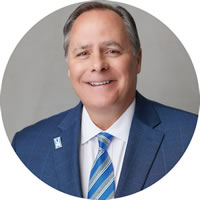
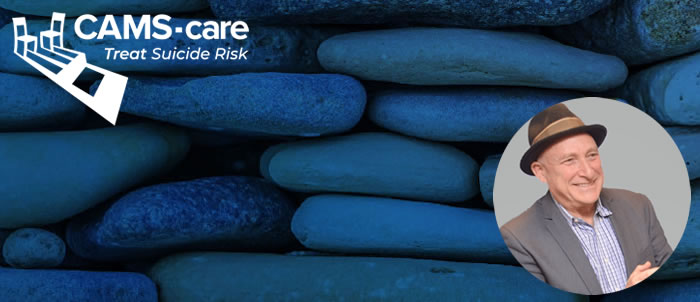
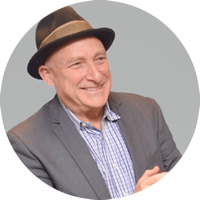
M. David Rudd, Ph.D., ABPP

About M. David Rudd, Ph.D., ABPP

M. David Rudd, Ph.D., ABPP is Distinguished University Professor of Psychology and President Emeritus at the University of Memphis. His undergraduate degree is from Princeton University and his doctoral degree from the University of Texas. As one of the developers of brief cognitive behavioral therapy for suicide prevention (BCBT-SP), he has published and cited extensively on the assessment, clinical management, and treatment of suicide risk. A recently completed RCT demonstrated the effectiveness of a modified BCBT-SP protocol with suicidal inpatients.

Watch the Recorded Webinar On-Demand

Enter your information to gain access.

  • This field is for validation purposes and should be left unchanged.
  • This field is hidden when viewing the form
  • This field is hidden when viewing the form
  • This field is hidden when viewing the form
  • This field is hidden when viewing the form
  • This field is hidden when viewing the form
  • This field is hidden when viewing the form

Black Suicidology Summit Webinar

Black Suicidology Summit Webinar On-Demand Webinar

The Interfaith America Black Leadership Fellows introduces the Black Suicidology Summit webinar. We examine the socio-historical context of systemic disparities, provide intersectional discourse on current risk/preventative factors, and visualize the possibilities of future evidence-based practices. This virtual, fireside chat, is a space created for healing, awareness, and community innovation.

Tanisha Esperanza, M.A.

About Tanisha Esperanza, M.A.

Tanisha Esperanza, M.A. is a neurodivergent consultant and suicidologist. She is a 1st generation Afro-Latinx American, queer, and an autistic adult. She obtained her B.A. in anthropology & sociology from Spelman College. In 2019, she graduated with her M.A. in psychology from the Catholic University of America. Her work focuses on providing neuro-affirming support to LGBTQ+/BIPOC adults. Integrating an intersectional and womanist approach in holistically treating trauma. She examines the social-historical impact of systemic trauma on the daily functionings of marginalized individuals and communities. Tanisha is a proud companion of a cavapoo, Ms. Ella Fitzgerald.

Janel Cubbage

About Janel Cubbage

Janel Cubbage currently serves as the Strategic Partnerships and Equity Program Manager at the Johns Hopkins Center for Gun Violence Solutions. Janel began her career providing case management and care coordination to adjudicated youth where she encountered firsthand the deleterious effects of gun violence. It was then that Janel made a commitment to prevent gun violence and care for those who have been affected. Janel transitioned to a career as a suicidologist where she gained experience managing prevention programs for the military, and serving as the Director of Suicide Prevention at Maryland’s Behavioral Health Administration and chairing Maryland’s Governor’s Commission on Suicide Prevention. Janel also works as a licensed trauma therapist, specializing in providing therapy for minoritized communities. She is passionate about healing racial trauma and actively working for racial and social justice. Janel is a recent Fellow of the Bloomberg American Health Initiative and earned her MPH at the Johns Hopkins School of Public Health in 2022. Janel also holds a masters of science in clinical mental health counseling from McDaniel College.

Tianna Dowie-Chin, PhD

About Tianna Dowie-Chin, PhD

Dr. Tianna Dowie-Chin is currently an Assistant Professor of Social Studies Education at the University of Georgia. Tianna was born and raised in Toronto, ON, Canada by Jamaican born parents. She earned her Ph.D. in curriculum and instruction specializing in Teachers, Schools and Society (TSS) from the University of Florida. Her dissertation titled “My Child’s First Teacher: Utilizing Black Mothers’ Counter-Narratives to Reimagine Black Schooling” recently won an Outstanding Dissertation Award from American Educational Research Association’s (AERA) Critical Examination of Race, Ethnicity, Class, and Gender Special Interest Group (SIG). Additionally, her research has been recognized with the University of Florida’s Association for Academic Women (AAW) Madelyn Lockhart Dissertation Fellowship and a National Council of Social Studies (NCSS) Exemplary Research Award. Her research broadly examines race in education with a particular focus on Black feminist thought and education, fostering critical race approaches to teacher education, and challenging global anti-Black racism in education through race theory. She currently serves on the executive committee for NCSS’s College & University Faculty Assembly (CUFA) Scholars of Color Forum and AERA’s Social Studies SIG. One of her professional goals is to support and inspire educators to honor and make space for Black voices and experiences in order to challenge the ways Blackness has been essentialized.

Watch the Recorded Webinar On-Demand

Enter your information to gain access.

  • This field is for validation purposes and should be left unchanged.
  • This field is hidden when viewing the form
  • This field is hidden when viewing the form
  • This field is hidden when viewing the form
  • This field is hidden when viewing the form
  • This field is hidden when viewing the form
  • This field is hidden when viewing the form

Empirical, Clinical, and Conceptual Evidence Converges to Indicate Good Support for the Interpersonal Theory of Suicide

Empirical, Clinical, and Conceptual Evidence Converges to Indicate Good Support for the Interpersonal Theory of Suicide On-Demand Webinar

In this webinar, Thomas Joiner, Ph.D. discusses the topic of Empirical, Clinical, and Conceptual Evidence Converges to Indicate Good Support for the Interpersonal Theory of Suicide.

Watch the Recorded Webinar On-Demand

Enter your information to gain access.

  • This field is for validation purposes and should be left unchanged.
  • This field is hidden when viewing the form
  • This field is hidden when viewing the form
  • This field is hidden when viewing the form
  • This field is hidden when viewing the form
  • This field is hidden when viewing the form
  • This field is hidden when viewing the form

Essential DBT Skills for Individuals Who are Suicidal and the People that Care for Them

Essential DBT Skills for Individuals Who are Suicidal and the People that Care for Them On-Demand Webinar

Dialectical Behavior Therapy (DBT) is a comprehensive psychological treatment that was originally developed for borderline personality disorder but has been expanded to a variety of problems, many of which have been experienced by people during the historical events of the past few years. Dozens of randomized trials of DBT have been conducted including studies evaluating the efficacy of only the skills portion of the treatment. Results support the use of DBT skills to increase emotion regulation capabilities and decrease negative mental health outcomes such as depression and anxiety. In this presentation, Dr. Rizvi reviews the DBT skills modules, the proposed mechanisms of change within DBT, and will highlight specific skills that may be especially useful to the majority of clients who experience suicidal thoughts and behaviors. In addition, skills that therapists and family members can use themselves to manage stress and burnout will be reviewed.

Shireen L. Rizvi, PhD, ABPP

About Shireen L. Rizvi, PhD, ABPP

Shireen L. Rizvi, PhD, ABPP is Professor of Clinical Psychology at the Graduate School of Applied and Professional Psychology (GSAPP) at Rutgers University, where she also holds affiliate appointments in the psychology department, School of Public Health, and the Department of Psychiatry. Her research interests include improving outcomes, training, and dissemination of Dialectical Behavior Therapy (DBT) for the treatment of complex and severe populations. Dr. Rizvi has received funding from the National Institute of Mental Health (NIMH), the National Institute on Drug Abuse (NIDA), Rutgers University, and the American Foundation for Suicide Prevention (AFSP) for her research. Her work has resulted in dozens of peer-reviewed articles and book chapters, as well as a sole-authored book entitled Chain Analysis in Dialectical Behavior Therapy and a co-edited volume, DBT in Clinical Practice (2nd edition). Dr. Rizvi is board certified in Behavioral and Cognitive Psychology and in Dialectical Behavior Therapy. Dr. Rizvi has trained hundreds of students and practitioners from around the world in DBT. She has received the Spotlight on a Mentor Award from the Association of Cognitive and Behavioral Therapies (2017), the International Society for the Improvement and Teaching of DBT (ISITDBT) Perry Hoffman Service Award (2020), and Professor of the Year for Excellence in Teaching, Graduate School of Applied and Professional Psychology (2022).

Watch the Recorded Webinar On-Demand

Enter your information to gain access.

  • This field is for validation purposes and should be left unchanged.
  • This field is hidden when viewing the form
  • This field is hidden when viewing the form
  • This field is hidden when viewing the form
  • This field is hidden when viewing the form
  • This field is hidden when viewing the form
  • This field is hidden when viewing the form

Attachment-Based Family Therapy: a family safety net approach to suicide treatment

Attachment-Based Family Therapy: a family safety net approach to suicide treatment On-Demand Webinar

For adolescent and young adults, family conflict can drive a suicidal crisis and family support can buffer against it. ABFT aims to identify and address the family events (e.g. divorce) and processes (e.g. high demand, low warmth) that may exacerbate the distress and prohibit the family serving as a safety net. Individual sessions with the patient and the parents prepare them for conversations that address attachment ruptures and disappointment. Not only do these conjoint sessions resolve problems but server as in vivo change events where parents practice new parenting skills and the young person practices new emotion regulation skills. This brief talk will present the essential theory and elements of this well researched empirically supported therapy.

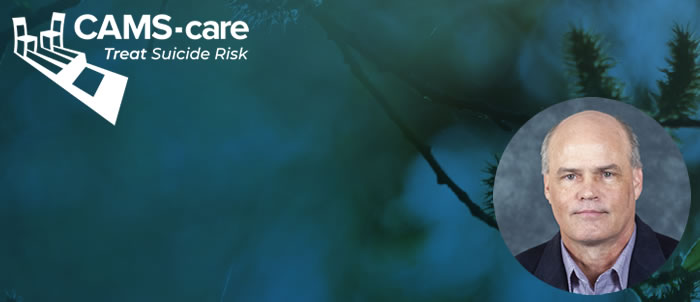
Guy Diamond, Ph.D.

About Guy Diamond, Ph.D.

Guy Diamond Ph.D. is Professor Emeritus at the University of Pennsylvania School of Medicine and Associate Professor at Drexel University in the College of Nursing and Health Professions. At Drexel, he is the Director of the Center for Family Intervention Science (CFIS). His primary work has been in the area of youth suicide prevention and treatment research. On the prevention side, he has created a program focused on training, screening and triage to be implemented in non-behavioral health settings. On the treatment side, he has focused on the development and testing of attachment-based family therapy, especially for teens struggling with depression and suicide. Much of this work has focused on inner city low income families.

Watch the Recorded Webinar On-Demand

Enter your information to gain access.
  • This field is for validation purposes and should be left unchanged.
  • This field is hidden when viewing the form
  • This field is hidden when viewing the form
  • This field is hidden when viewing the form
  • This field is hidden when viewing the form
  • This field is hidden when viewing the form
  • This field is hidden when viewing the form

10 Tips for Clinical Management of Suicide Risk

10 Tips for Clinical Management of Suicide Risk On-Demand Webinar

In this hour-long webinar, “10 Tips for Clinical Management of Suicide Risk,” clinicians often face anxiety and uncertainty in managing and treating suicide risk. This presentation will highlight ten helpful and scientifically informed tips that clinicians can begin to use immediately in the context of their practice.

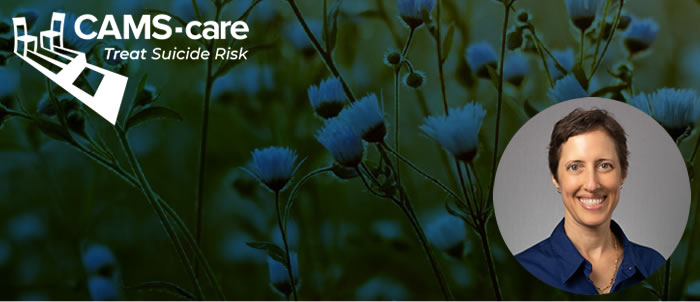
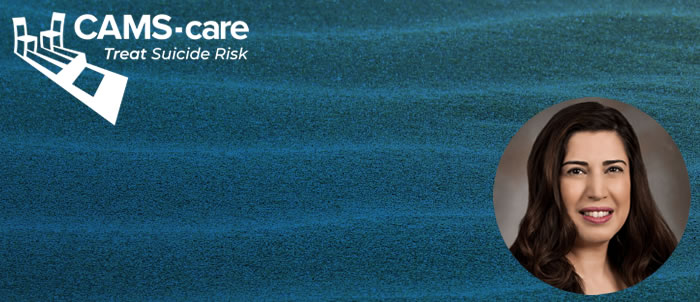
Marjan G. Holloway, Ph.D.

About Marjan G. Holloway, Ph.D.

Dr. Holloway is a Professor of Medical and Clinical Psychology and Psychiatry at Uniformed Services University (USU), a Diplomate of the Academy of Cognitive Therapy, and an Adjunct Faculty Speaker and Consultant at the Beck Institute for Cognitive Behavior Therapy and the Zero Suicide Institute. She completed her postdoctoral training in 2005 at the Center for the Treatment and Prevention of Suicide at the University of Pennsylvania under the mentorship of Dr. Aaron T. Beck. As the Founder and Director for the USU Suicide Care, Prevention and Research Initiative, Dr. Holloway and her team have developed and disseminated a number of evidence-informed psychosocial programs to address the public health burden of suicide as highlighted by (1) the Air Force Guide for Suicide Risk Assessment, Management, and Treatment; (2) the Chaplains-CARE program; (3) Special Operations Cognitive Agility Training (SOCAT); (4) Rational-Thinking and Emotional-Regulation through Problem-Solving (REPS) for newly enlisted military personnel; (5) Mil-iTransition for Service members receiving unfit for duty determinations; and (6) Post-Admission Cognitive Therapy (PACT and PACT-Together) for psychiatric inpatient settings and Intensive Outpatient Programs. Dr. Holloway maintained a part-time private clinical practice for 15 years, shifting recently to a consulting practice.

Watch the Recorded Webinar On-Demand

Enter your information to gain access.
  • This field is for validation purposes and should be left unchanged.
  • This field is hidden when viewing the form
  • This field is hidden when viewing the form
  • This field is hidden when viewing the form
  • This field is hidden when viewing the form
  • This field is hidden when viewing the form
  • This field is hidden when viewing the form

CAMS-4Teens®: The Complexities of Working with Parents

CAMS-4Teens: The Complexities of Working with Parents On-Demand Webinar

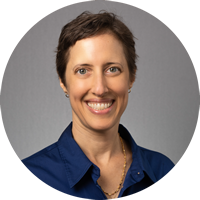
In this hour-long webinar, “CAMS-4Teens: The Complexities of Working with Parents”, there are now three NIMH-funded randomized controlled trials (RCTs) using CAMS with young adults (college students) and adolescents who are suicidal. While CAMS has been used clinically for many years with these populations, RCTs on “CAMS-4Teens” are helping us discern the best possible ways for adapting the intervention and working with this population. Within our clinical trial research we are seeing various challenges–and the promise–of working with teens and their parents using a patient-focused intervention for suicide risk. Based on the early findings, CAMS-4Teens appears to be quite promising and developing ways to help parents to support their child’s suicide-focused treatment is evolving and compelling. This presentation provides an overview of the CAMS-4Teens approach along with an update on the current clinical trial research and emerging recommendations for effective clinical practice with adolescents who are suicidal.

Hosted by Dr. Kevin Crowley, clinical psychologist, private practitioner and CAMS Consultant.

Watch the Recorded Webinar On-Demand

Enter your information to gain access.
  • This field is for validation purposes and should be left unchanged.
  • This field is hidden when viewing the form
  • This field is hidden when viewing the form
  • This field is hidden when viewing the form
  • This field is hidden when viewing the form
  • This field is hidden when viewing the form
  • This field is hidden when viewing the form

What Future? How People Who Are Suicidal Look Beyond the Present Moment

What future? How People Who Are Suicidal Look Beyond The Present Moment On-Demand Webinar

The consideration of suicide involves the contemplation of not only death, but also of life and what it can offer. This presentation explores cognitive underpinnings of life-oriented thoughts, with a particular focus on how people who are suicidal envision their future. Dr. Cha will introduce various ways to assess future thinking among individuals who are suicidal, and present an emerging profile of future thinking abilities that are characteristic of this population.

Christine Cha, PhD

About Christine Cha, PhD

Dr. Christine Cha is an Associate Professor of Clinical Psychology at Teachers College, Columbia University, and Director of the Laboratory for Clinical and Developmental Studies. Her research focuses on thought patterns that may contribute to suicidal thoughts and behaviors, and pertain to concepts proximal to suicide (e.g., death) as well as alternatives to suicide (e.g., future). Dr. Cha’s work has been funded by the American Foundation for Suicide Prevention and the National Institute of Mental Health (NIMH). She serves on the editorial boards of the Journal of Clinical Child and Adolescent Psychology, Journal of Abnormal Psychology, and General Hospital Psychiatry, and has received the Rising Star Award from the Association for Psychological Science.

Watch the Recorded Webinar On-Demand

Enter your information to gain access.
  • This field is for validation purposes and should be left unchanged.
  • This field is hidden when viewing the form
  • This field is hidden when viewing the form
  • This field is hidden when viewing the form
  • This field is hidden when viewing the form
  • This field is hidden when viewing the form
  • This field is hidden when viewing the form

How can technology improve how we predict and prevent suicidal thoughts and behavior?

How can technology improve how we predict and prevent suicidal thoughts and behavior? On-Demand Webinar

Technology like smartphones and smartwatches have become nearly ubiquitous over the past few years. This has led to a surge of interest into using this technology to better understand suicide risk as it occurs in everyday life as well as improve the delivery of interventions for suicide risk. In this webinar, Dr. Evan Kleiman will first focus on the progress we have made in using technology to predict and prevent suicidal thoughts and behaviors. Next, he will talk about the opportunities and challenges of using technology with suicidal individuals in clinical practice. Dr. Kleiman will end by giving a balanced view of what may and may not be possible in the future when using technology to study suicide.

Dr. Evan Kleiman, PhD

About Dr. Evan Kleiman, PhD

Evan Kleiman is an Assistant Professor of Psychology at Rutgers University, with a secondary appointment in the Department of Health Behavior, Society, and Policy in the School of Public Health. Dr. Kleiman’s work focuses on understanding the everyday occurrence of factors of interest to clinical psychological scientists. He has a specific focus on the everyday lives of individuals at risk for suicide using smartphone and wearable monitoring technology. His work has been published in over 125 peer-reviewed manuscripts and is currently funded by several NIMH grants.

Watch the Recorded Webinar On-Demand

Enter your information to gain access.
  • This field is for validation purposes and should be left unchanged.
  • This field is hidden when viewing the form
  • This field is hidden when viewing the form
  • This field is hidden when viewing the form
  • This field is hidden when viewing the form
  • This field is hidden when viewing the form
  • This field is hidden when viewing the form

New Perspectives on Suicide Risk Among Military Personnel and Veterans

New Perspectives on Suicide Risk Among Military Personnel and Veterans On-Demand Webinar

Suicide rates among U.S. military personnel and military veterans remain elevated despite considerable investment in a wide range of suicide prevention strategies, befuddling researchers, clinicians, and military leaders. This presentation critiques traditional assumptions about the processes by which suicidal ideation and suicidal behaviors are interrelated, and reviews new empirical findings that cast a different perspective on the nature of suicidal ideation. Implications for clinical practice and suicide prevention among military personnel and veterans are discussed.

About Dr. Craig J. Bryan

Dr. Craig J. Bryan, PsyD, ABPP

Dr. Craig J. Bryan, PsyD, ABPP, is a board-certified clinical psychologist in cognitive behavioral psychology. He is the Stress, Trauma, and Resilience (STAR) Professor of Psychiatry and Behavioral Health at The Ohio State University Wexner Medical Center, and is the Division Director for Recovery and Resilience. Dr. Bryan received his PsyD in clinical psychology in 2006 from Baylor University and completed his clinical psychology residency at the Wilford Hall Medical Center, Lackland Air Force Base, TX. Dr. Bryan deployed to Balad, Iraq, in 2009, where he served as the Director of the Traumatic Brain Injury Clinic at the Air Force Theater Hospital. He separated from active duty service shortly after his deployment, and started researching PTSD, suicidal behaviors and suicide prevention strategies, and psychological health and resiliency. He has held faculty appointments at the University of Texas Health San Antonio, the University of Utah, and The Ohio State University Wexner Medical Center, and has managed numerous federally-funded projects in excess of $30 million focused on testing treatments for reducing suicidal behaviors, developing innovative methods to identify and detect high-risk individuals, and facilitating recovery after trauma. Dr. Bryan has published hundreds of peer-reviewed scientific articles. His research has been funded by a wide range of agencies including the Department of Defense, the National Institutes of Health, the Boeing Company, and the Bob Woodruff Foundation, and has been featured in media outlets including Scientific American, CNN, Fox News, NPR, USA Today, the LA Times, the New York Times, and the Washington Post. Dr. Bryan has published over 200 scientific articles and multiple books including Brief Cognitive Behavioral Therapy for Suicide Prevention and Rethinking Suicide.

Dr. Bryan has served as the lead risk management consultant for the $25 million STRONG STAR Research Consortium and the $45 million Consortium to Alleviate PTSD, which investigates treatments for combat-related PTSD among military personnel. Dr. Bryan has served on the Board of Directors of the American Association for Suicidology, the Scientific Advisory Board for the Navy SEAL Foundation, and the Educational Advisory Board of the National Center for PTSD. He has served as a consultant to the Department of Defense, Department of Veterans Affairs, Federal Bureau of Prisons, Avera Health, and Aurora Health Care. For his contributions to mental health and suicide prevention, Dr. Bryan has received numerous awards and recognitions including the Arthur W. Melton Award for Early Career Achievement, the Peter J.N. Linnerooth National Service Award, and the Charles S. Gersoni Military Psychology Award from the American Psychological Association; and the Edwin S Shneidman Award for outstanding contributions to research in suicide from the American Association of Suicidology. He is an internationally recognized expert on suicide prevention, trauma, and resilience.

Watch the Recorded Webinar On-Demand

Enter your information to gain access.
  • This field is for validation purposes and should be left unchanged.
  • This field is hidden when viewing the form
  • This field is hidden when viewing the form
  • This field is hidden when viewing the form
  • This field is hidden when viewing the form
  • This field is hidden when viewing the form
  • This field is hidden when viewing the form