
New Perspectives on Suicide Risk Among Military Personnel and Veterans

New Perspectives on Suicide Risk Among Military Personnel and Veterans On-Demand Webinar

Suicide rates among U.S. military personnel and military veterans remain elevated despite considerable investment in a wide range of suicide prevention strategies, befuddling researchers, clinicians, and military leaders. This presentation critiques traditional assumptions about the processes by which suicidal ideation and suicidal behaviors are interrelated, and reviews new empirical findings that cast a different perspective on the nature of suicidal ideation. Implications for clinical practice and suicide prevention among military personnel and veterans are discussed.

About Dr. Craig J. Bryan

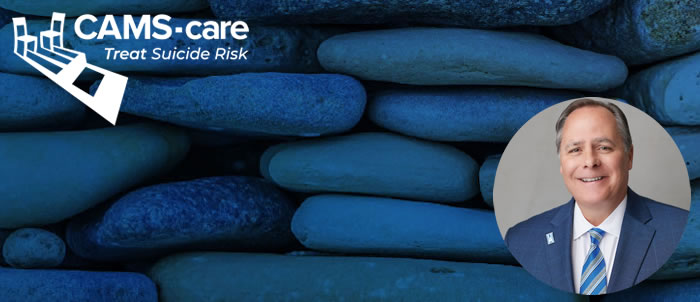
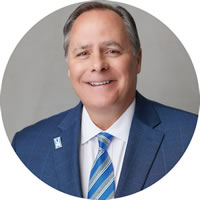
Dr. Craig J. Bryan, PsyD, ABPP

Dr. Craig J. Bryan, PsyD, ABPP, is a board-certified clinical psychologist in cognitive behavioral psychology. He is the Stress, Trauma, and Resilience (STAR) Professor of Psychiatry and Behavioral Health at The Ohio State University Wexner Medical Center, and is the Division Director for Recovery and Resilience. Dr. Bryan received his PsyD in clinical psychology in 2006 from Baylor University and completed his clinical psychology residency at the Wilford Hall Medical Center, Lackland Air Force Base, TX. Dr. Bryan deployed to Balad, Iraq, in 2009, where he served as the Director of the Traumatic Brain Injury Clinic at the Air Force Theater Hospital. He separated from active duty service shortly after his deployment, and started researching PTSD, suicidal behaviors and suicide prevention strategies, and psychological health and resiliency. He has held faculty appointments at the University of Texas Health San Antonio, the University of Utah, and The Ohio State University Wexner Medical Center, and has managed numerous federally-funded projects in excess of $30 million focused on testing treatments for reducing suicidal behaviors, developing innovative methods to identify and detect high-risk individuals, and facilitating recovery after trauma. Dr. Bryan has published hundreds of peer-reviewed scientific articles. His research has been funded by a wide range of agencies including the Department of Defense, the National Institutes of Health, the Boeing Company, and the Bob Woodruff Foundation, and has been featured in media outlets including Scientific American, CNN, Fox News, NPR, USA Today, the LA Times, the New York Times, and the Washington Post. Dr. Bryan has published over 200 scientific articles and multiple books including Brief Cognitive Behavioral Therapy for Suicide Prevention and Rethinking Suicide.

Dr. Bryan has served as the lead risk management consultant for the $25 million STRONG STAR Research Consortium and the $45 million Consortium to Alleviate PTSD, which investigates treatments for combat-related PTSD among military personnel. Dr. Bryan has served on the Board of Directors of the American Association for Suicidology, the Scientific Advisory Board for the Navy SEAL Foundation, and the Educational Advisory Board of the National Center for PTSD. He has served as a consultant to the Department of Defense, Department of Veterans Affairs, Federal Bureau of Prisons, Avera Health, and Aurora Health Care. For his contributions to mental health and suicide prevention, Dr. Bryan has received numerous awards and recognitions including the Arthur W. Melton Award for Early Career Achievement, the Peter J.N. Linnerooth National Service Award, and the Charles S. Gersoni Military Psychology Award from the American Psychological Association; and the Edwin S Shneidman Award for outstanding contributions to research in suicide from the American Association of Suicidology. He is an internationally recognized expert on suicide prevention, trauma, and resilience.

Watch the Recorded Webinar On-Demand

Enter your information to gain access.

  • This field is for validation purposes and should be left unchanged.
  • This field is hidden when viewing the form
  • This field is hidden when viewing the form
  • This field is hidden when viewing the form
  • This field is hidden when viewing the form
  • This field is hidden when viewing the form
  • This field is hidden when viewing the form

404 ERROR: Mistakes We Need to Stop Making in Suicidology On-Demand

Rates of death from heart disease, stroke, drunk driving, homicide, and other public health problems have fallen substantially. Yet, suicide deaths have not declined. Why is suicidology not doing better? In this webinar I suggest that we overvalue predicting suicide — so much so that we mistakenly treat prediction as synonymous with understanding and preventing suicide. In reality, highly accurate real-world prediction is a) neither sufficient nor necessary for suicide prevention, b) impossible to achieve, and c) an inappropriate basis for developing and validating suicide theory. These claims may sound counterintuitive, but they reflect common knowledge and practice in other fields of health and science. If we want to make progress, suicidology must correct these mistakes, and adjust suicide research and prevention efforts accordingly.

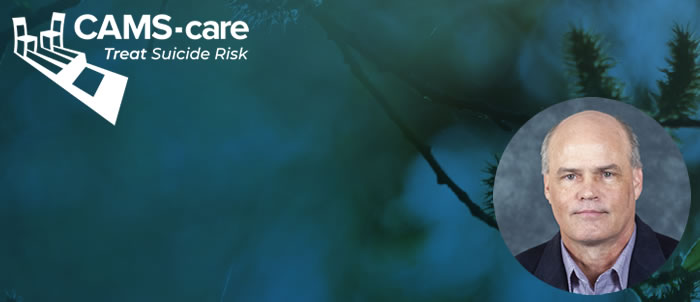
Dr. E. David Klonsky

About Dr. E. David Klonsky

E. David Klonsky, PhD, is Professor of Psychology at the University of British Columbia. He has more than 100 publications on suicide, self-injury, and related topics, and his contributions have been recognized by awards from the American Association of Suicidology, Association for Psychological Science, and Society of Clinical Psychology (APA). He is Past-President of the International Society for the Study of Self-injury, Associate Editor of Suicide and Life-Threatening Behavior, and has advised the American Psychiatric Association for DSM-5 and both the US and Canadian governments regarding suicide and self-injury prevention. In 2015 he published the Three-Step Theory (3ST) of suicide.

Watch the Recorded Webinar On-Demand

Enter your information to gain access.

  • This field is for validation purposes and should be left unchanged.
  • This field is hidden when viewing the form
  • This field is hidden when viewing the form
  • This field is hidden when viewing the form
  • This field is hidden when viewing the form
  • This field is hidden when viewing the form
  • This field is hidden when viewing the form

Meeting the Growing Need for Training in Evidence-Based Suicide Prevention and Treatment

While there are many obstacles to training in effective suicide & evidence-based prevention and treatment, CAMS-care tackles the alarming training deficit with a robust offering of training on how to use the evidence-based and outcome-based CAMS (Collaborative Assessment and Management of Suicidality) system of care.

CAMS-care understands that suicide prevention requires equipping healthcare workers and clinicians with effective training. To fulfill the mission of reducing suicide deaths globally, CAMS training is thoughtfully crafted to be accessible and impactful for individuals and organizations alike, ensuring that the necessary knowledge and skills can be disseminated widely to those committed to suicide prevention efforts.

CAMS-care Suicide Prevention Training Highlights

Easily Accessed

Especially in this age of COVID-19, online delivery systems make remote training accessible while limiting in-person contact. All elements of CAMS training are available online, including role-playing modules and consultations.

Convenient & Flexible for Busy Schedules

Since all CAMS training is on-demand, it can be completed at any time, and there are no deadlines. Clinicians and healthcare workers can complete the materials at their own pace, at any time convenient to them. This level of flexibility helps facilitate training for anyone, regardless of their schedule.

Affordable for Individuals & Companies

Although the CDC reports that suicide is the 10th leading cause of death in the United States and the second leading cause of death in youth, funding for suicide prevention and treatment lags behind other top causes of death, as pointed out in a 2018 article by USAToday. However, CAMS-care’s training is very affordable, and most budgets can easily accommodate the cost – whether they be individual modules or through a company.

Increases Confidence

Working with suicidal patients can be intimidating at first for many healthcare providers, especially when they are unsure of how to best interact with clients who present with suicidal behaviors & tendencies. It’s not always clear how to best help them. CAMS-care’s suicide prevention training recognizes these challenges and provides clinicians with the knowledge and tools to gain confidence in working with even the most challenging cases. Thousands of clinicians and organizations all over the world are using CAMS as their preferred method of training and treatment.“The CAMS model and training tools have very quickly helped us to feel more confident and prepared to manage risky patients. Assessment and treatment in these cases are often confusing, and we have benefitted greatly from the structure of the CAMS approach, which has helped us on a case by case basis to understand the phenomenon of suicide risk and organize our treatment approach. I have yet to find a comparable framework that is as accessible to clinicians and yet so robust.” –Eric Lewandowski, NYU Langone

Evidence-Based and Outcome-Based Treatment Plans

The CAMS Framework® is backed by 30 years of on-going clinical research, with replicated data across various clinical research studies. In fact, the Joint Commission issued a Sentinel Event Alert on February 24, 2016 titled Detecting and Treating Suicidal Ideation in all Settings. In recommendations for Behavioral Health Treatment and Discharge, CAMS was identified as one of four “evidence-based clinical approaches that help to reduce suicidal thoughts and behaviors.”

Mitigates Suicide Malpractice Risk

Often, the reality and proliferation of malpractice lawsuits prevent even the best, well-meaning therapists from treating suicidal patients – and that’s a significant loss for the 12 million suicidal ideators in this country. However, proper documentation using evidence-based, suicide-specific treatment greatly reduces this risk, and the CAMS “Suicide Status Form (SSF)” provides just that. With the SSF, which is a collaborative tool used in every treatment session, CAMS helps clinicians complete exhaustive medical record documentation that ensures competent clinical practice that far exceeds the standard of care and decreases exposure to malpractice liability.


New “CAMS Trained™” and “CAMS Certified™” Designations

To further support CAMS-care’s mission to save lives by training clinicians to effectively treat suicidal patients, CAMS-care now offers “CAMS Trained” and “CAMS Certified” designations. These designations offer a clear path to those seeking to help treat & prevent suicidal ideation by creating a network of accessible care for patients.

CAMS Trained

The path to becoming CAMS Trained requires only 10 hours of course work and 4 hours of consultation calls when working with patients. Course work involves completing 4 elements:

    • The CAMS Foundational Video Course
    • Online Role-Play Training Day
    • CAMS Consultation Calls
    • CAMS Book

All training is available online. For an additional fee, up to 16 Continuing Education Credits are available.

Anyone with the CAMS Trained designation has the option of being included in the online CAMS Clinician Locator, which helps those in need find qualified CAMS providers in their area.

Learn more about becoming CAMS Trained here.

CAMS Certified

Building on the foundation received with the CAMS Trained designation, becoming CAMS Certified involves demonstrating your knowledge of and adherence to the CAMS Framework

Learn more about CAMS Certified here.

Death by suicide rates are sadly on the rise, but with effective training in evidence-based suicide prevention systems of care, we can slow this trend, together.

About the Author

Andrew Evans - CAMS-care President and COO

Andrew Evans - CAMS-care President and COO
Andrew Evans is the President and COO of CAMS-care, the exclusive training company for the Collaborative Assessment and Management of Suicidality, created by world renowned suicidologist, <a href="https://cams-care.com/about-us/meet-david-a-jobes/" target="_blank" rel="noopener">Dr. David Jobes</a>. <a href="https://www.usatoday.com/in-depth/news/nation/2020/02/27/suicide-prevention-therapists-rarely-trained-treat-suicidal-people/4616734002/" target="_blank" rel="noopener">Very few clinicians receive any training in suicide prevention</a> so they lack confidence and feel unprepared to work with people who have serious thoughts of suicide. CAMS-care has trained over 30,000 clinicians in CAMS as part of its mission to save lives through effective care.

About Andrew Evans - CAMS-care President and COO

Andrew Evans - CAMS-care President and COO
Andrew Evans is the President and COO of CAMS-care, the exclusive training company for the Collaborative Assessment and Management of Suicidality, created by world renowned suicidologist, Dr. David Jobes. Very few clinicians receive any training in suicide prevention so they lack confidence and feel unprepared to work with people who have serious thoughts of suicide. CAMS-care has trained over 30,000 clinicians in CAMS as part of its mission to save lives through effective care.

Adolescent Suicide Prevention On-Demand

Dr. Cheryl King shares her extensive expertise on youth suicide prevention. Highlights of her presentation center on risk factors for youth suicide, screening, and assessment. In addition, Dr. King discusses clinical prevention work including her YST approach.

Dr. Cheryl King

About Dr. Cheryl King

Cheryl King, Ph.D., ABPP, is a Professor in the Departments of Psychiatry and Psychology and Director of the Youth Depression and Suicide Prevention Program at the University of Michigan. Her research focuses on the development of evidence-based practices for suicide risk screening, assessment, and intervention. She has provided leadership for multiple NIMH-funded projects, including Emergency Department Screen for Teens at Risk for Suicide, 24-Hour Risk for Suicide Attempts in a National Cohort of Adolescents, the Youth-Nominated Support Team Intervention for Suicidal Adolescents, and Electronic Bridge to Mental Health for College Students. A clinical psychologist, educator, and research mentor, Dr. King has served as Director of Psychology Training and Chief Psychologist in the Department of Psychiatry and has twice received the Teacher of the Year Award in Child and Adolescent Psychiatry. She is the lead author of Teen Suicide Risk: A Practitioner Guide to Screening, Assessment, and Management. In addition, Dr. King has provided testimony in the U.S. Senate on youth suicide prevention and is a Past President of the American Association of Suicidology, the Association of Psychologists in Academic Health Centers, and the Society for Clinical Child and Adolescent Psychology. She is a current member of the National Advisory Mental Health Council.

Watch the Recorded Webinar On-Demand

Enter your information to gain access.

  • This field is for validation purposes and should be left unchanged.
  • This field is hidden when viewing the form
  • This field is hidden when viewing the form
  • This field is hidden when viewing the form
  • This field is hidden when viewing the form
  • This field is hidden when viewing the form
  • This field is hidden when viewing the form

Suicide and Older Adults: On-Demand

Suicide and Older Adults: On-Demand

Dr. Jobes and his special guest expert Dr. Yeates Conwell discuss suicide among older adults with an eye to research and evidence for effective approaches to its prevention.

The suicide rate among older adults is higher overall than at other points in the life course and poses particular challenges for prevention. Older adults take their own lives with high lethality of intent and utilize firearms more often than younger age groups. Suicide attempts are also less frequent and older adults less often express suicidal ideation than younger adults. While interventions must be aggressive in the actively suicidal older person, the lethality of suicidal behavior in older adults underscores the need for relatively greater emphasis on upstream preventive interventions.

In addition to access to deadly means, risk factors for completed suicide in later life can be characterized as “the 5 Ds”: demographic characteristics (male, older, unmarried), depression, disease (physical illness), disablement, and disconnectedness. Because older adults who take their own lives are more likely to be seen in primary care than mental health care settings, primary care-based integrated care models hold promise for reducing suicide in this age group. Social disconnectedness, which is made worse by the “social distancing” required by the coronavirus pandemic, is also a modifiable state for which community-based services and supports should be mobilized.

At the conclusion of this webinar, participants will understand the scope of the problem of suicide in older adults, factors that place older people at increased risk for suicide, and evidence for effective approaches to its prevention.

Dr. Yeates Conwell

About Dr. Yeates Conwell

Yeates Conwell, M.D. received his medical training at the University of Cincinnati and completed his Psychiatry Residency and a Fellowship in Geriatric Psychiatry at Yale University School of Medicine. He is now Professor of and Vice-Chair of Psychiatry, University of Rochester School of Medicine and Dentistry, where he is Director of the Geriatric Psychiatry Program and the UR Medical Center’s Office for Aging Research and Health Services, and Co-Director of the UR Center for the Study and Prevention of Suicide. In addition to teaching, clinical care, and service system development, Dr. Conwell directs an interdisciplinary program of research in aging, mental health services, and suicide prevention.

Watch the Recorded Webinar On-Demand

Enter your information to gain access.

  • This field is for validation purposes and should be left unchanged.
  • This field is hidden when viewing the form
  • This field is hidden when viewing the form
  • This field is hidden when viewing the form
  • This field is hidden when viewing the form
  • This field is hidden when viewing the form
  • This field is hidden when viewing the form

Obstacles to Suicide Prevention and Treatment Training

Suicide claims one person in the U.S. every 12 minutes, according to the CDC. That’s 123 lives lost each day in America alone.

Many of these people reach out to or are referred to counseling or other treatment and interventions intended to prevent an eventual death by suicide, but unfortunately – and despite the best of intentions – most of these therapists and professionals are undertrained (or not trained at all) and ill-equipped to effectively help these troubled individuals.

Two major obstacles stand in the way of developing and delivering effective training for those in the suicide prevention and treatment field:  insufficient funds availability and a lack of national standards.

Lack of Funding for Suicide Prevention and Treatment in General

As pointed out in a 2018 article by USAToday, although the CDC reports that suicide is the 10th leading cause of death in the United States, and the second leading cause of death in youth, funding for suicide prevention and treatment lags behind other top killers.

In fact, according to NIH, Centers for Disease Control and Prevention, more funds are available for vision disorders, intellectual and developmental disabilities, sleep research, and dietary supplements than for suicide prevention – all associated with conditions having much lower mortality rates than death by suicide.

Additionally, with the exception of accidents, the same study shows that the leading causes of death have declined since 1999, while the suicide rate has increased by 33.3%.

Suicide Rate Chart

Conducting research projects and completing randomized controlled trials (RCTs) needed to determine effective prevention and treatment methods can be expensive, and the costs of developing evidence-based and outcome-based programs and running treatment centers are prohibitive for many organizations.

With this lack of funds for suicide assessment and treatment in general, it follows that training in effective assessment and treatment is also lacking – and that is certainly distressing for those in this field.

No National Standards Requiring Training for Suicide Prevention and Treatment

As reported in the American Journal of Public Health, a study completed in 2017 found that only ten states currently mandate training for behavioral healthcare professionals in how to spot risk for suicide and take preventative action. Furthermore, there are no national standards requiring training. The study identified the following:

  • # of states with policies mandating and encouraging suicide prevention training for healthcare professionals:  2
  • # of states with a policy mandating suicide prevention education for healthcare professionals:  8
  • # of states with a policy encouraging suicide prevention education for healthcare professionals:  5
  • # of states with a policy mandating or encouraging training for the treatment for suicidal patients for healthcare professionals:  0

The same report, which emphasizes deficiencies in mental health training, asserts that accrediting organizations must include suicide-specific training and education in their graduate programs, and furthermore, the government should require such training for healthcare systems receiving state or federal funds.

The Dangers of These Obstacles

We all want to help, but the fear of doing or saying the wrong thing and failing to effectively treat a person in need can have devastating effects.

In fact, with no other option in sight, poorly trained therapists often resort to referring suicidal clients to the emergency room. However, studies show that emergency department presentation and admission into psychiatric hospitalization can actually increase the risk of a lethal outcome in people with suicidal ideation.

In addition to a fear of failing to successfully treat a suicidal client, there’s also the concern of exposure to malpractice liability and the risk of losing one’s license to practice. In their confusion and grief, families of suicide victims often look for external causes for the loss of their loved ones, sometimes landing on the actions or inactions of those who were meant to help.

Too often, these fears leave suicidal patients without the care, treatment, or interventions that they so desperately need.

Overcoming Obstacles to Training

If suicide were more commonly and widely viewed as a leading public health issue, as other leading risks are, perhaps more funds would be allocated to suicide prevention and treatment, and more focus would be put on developing standards for effective training.

In the meantime, CAMS-care offers training in the evidence-based and outcome-based Collaborative Assessment and Management of Suicidality (CAMS) Framework, developed by Dr. David A. Jobes over the course of the last 30 years.

With a robust base of clinical trial research, the CAMS Framework® presents a collaborative approach to suicide assessment, intervention, and treatment. Flexible and affordable training, available both online and onsite, helps healthcare providers and other individuals become more confident in their ability to help their clients and patients with suicidal ideation and risk and avoid lethal outcomes.

Malpractice Liability Related to Suicidal Risk: How to Decrease the Risk

Few clinical concerns frighten mental health providers more than the fear of being sued for malpractice related to working with suicidal patients.

In my professional life, I routinely train clinicians across the spectrum of mental health care. Over the past thirty years, I have trained thousand of mental health providers who practice in virtually all disciplines and treatment settings. As an Associate Director of Clinical Training in an APA-accredited clinical psychology training program, I have had countless opportunities to discuss the topic of suicide risk assessment and treatment with aspiring mental health providers. In all my years of teaching, training, supervising, and consulting, I have been struck by the concern that seemingly affects all types of mental health providers: the fear of malpractice liability pertaining to clinical work with suicidal patients.

Mental Health Providers Want to Know “How Do I Not Get Sued?”

Recently, I presented at a psychiatric grand rounds at a prestigious medical center. As often is the case with such engagements, I had a series of meetings with young mental health providers at this facility – psychologists, clinical social workers, and psychiatrists. In one meeting, I was introduced to a group of young providers, and they were invited to ask me “anything under the sun” about clinical work and suicide risk. After going around the room, the single most pressing question, by far, was, “How do I not get sued if a patient of mine takes their life?” We had an hour to talk about any topic related to clinical suicide prevention, and yet we spent fifty minutes talking about how to avoid getting sued.

This example underscores perhaps the most problematic aspect of the fear of malpractice liability related to treating suicidal patients. Namely, that mental health clinicians can easily become preoccupied with the perceived threat of malpractice and thus resort to defensive practices. In adopting a defensive posture, one may come to see the suicidal patient as a threat to one’s professional livelihood. Within this dynamic, the patient (and potentially the patient’s family) may seem like the enemy—an adversary who is ready and eager to sue if treatment goes south.

Fatal Suicide Outcomes Are Often Viewed as Malpractice

Early survey data has shown that when there’s a fatal suicide outcome of someone engaged in mental health care, the majority of family members studied considered the death of their loved one as an obvious case of malpractice. Indeed, within this survey, 25% of family members of people who had died by suicide contacted an attorney to pursue litigation for malpractice.

Reflecting on the topic of mental health provider malpractice, it is interesting to note that, within our culture, there is not the same routine presumption of negligent liability with other fatal outcomes following health care treatment. Certainly, with egregious examples, malpractice litigation is considered (e.g. a surgical procedure in which a surgical tool is left in the body). But despite the fact that we live in a highly litigious society, malpractice lawsuits are not routinely considered across health care delivery as they are in cases of suicide. There is one notable exception: Fatalities in childbirth that occur during delivery also often prompt the assumption of negligent malpractice. As a society, apparently, there is little tolerance for care that fails to prevent a self-inflicted death or the loss of an infant during childbirth. Even if the care provided was competent or heroic, a lawsuit might well be considered and pursued.

Fear of Malpractice Can Change the Way You Practice

In describing the topic of malpractice liability, I do so in full recognition that any death is a personal and family tragedy. But the concern that I am presently raising is how the fear of malpractice litigation can potentially paralyze an otherwise conscientious provider – leading to the proverbial deer in headlights. Such paralysis can lead to defensive practices in mental health care that might decrease the apparent exposure to malpractice risk but may have little to do with what is actually in the patient’s best interest.

As I have written about elsewhere, defensive practices within mental health can often lead to the overuse of inpatient psychiatric hospitalizations. Because of fear of malpractice, this type of “better safe than sorry” rationale often comes into play for patients who do not necessarily need this level of intensive intervention. In addition, there is often an overreliance – even a kind of wishful thinking – related to prescribing psychotropic medications to treat underlying psychiatric disorders of suicidal people. Despite the fact that the literature supporting the use of medicine to treat suicidality is limited or mixed at best, malpractice-related concerns may compel pursuing options that are extreme or ineffective.

If defensive practice is not the best way to avoid a malpractice suit, what is?

Definition of Malpractice in Mental Health Care

The answer to this question lies in understanding what constitutes malpractice. Briefly, malpractice is a tort action wherein a plaintiff (typically a surviving family member of someone who has died by suicide) engages a lawyer to argue that the defendant (the mental health provider) insufficiently met the “standard of care” and that what the provider did or did not do was a direct or proximate cause of the fatal outcome.

The standard of care for mental health providers is defined on a case-by-case basis by expert witnesses who attest to what a similarly trained clinician (with a similar case and in a similar setting) would do. An expert witness is hired by the plaintiff’s attorney to argue that the defendant did not meet this standard of care. The burden of proof lies with the plaintiff. In turn, the defendant’s lawyer hires their expert witness who argues that the mental health provider actually did meet the standard of care.

What ensues is an unpleasant process of discovery of records and relevant documentation, interrogatories, and depositions of the major parties within the case. Many, if not most, malpractice cases do not make it to trial—they get dropped or settled—yet the process of litigation can be traumatic for the defendant.

How to Decrease Your Potential Exposure to Suicide-related Malpractice Liability

More than twenty-five years ago, I published a journal article about how mental health providers can decrease their exposure to malpractice liability related to suicide. The glib answer was, and is, to save every suicidal patient! In reality, tragically, this is not always possible.

What one can do, however, is provide the best possible care, which is both suicide-specific and well-documented. This can be readily accomplish in your routine clinical practice by developing and adhering to “usual and customary practices” that focus on four key pillars of competent clinical care for suicidal patients.

These key pillars are:
1) Routinely and thoroughly assess for suicidal risk, and document that risk within the ongoing medical record.
2) If your patient is suicidal, there should be a sufficient focus on suicidality within the treatment plan, the use of a stabilization plan, and ongoing discussions about lethal-means safety.
3) As a competent mental health provider, you cannot “drop the ball” on the topic of suicide within the ongoing course of care. This means that the issue of suicide should be routinely assessed, treated, and well-documented.
4) You need to seek consultation on cases of potential suicide and document the consultative input.

Fatal suicide outcomes in mental health care are difficult for everyone involved, including families, providers, and organizations. But such outcomes are not necessarily legitimate grounds for malpractice litigation. There is no guarantee that by following these relatively simple steps, you will not be sued in the event of a fatal suicide outcome. But such routine practices can reduce one’s risk of malpractice exposure to negligible levels. This is because plaintiff attorneys take malpractices cases on contingency, which means they do not make a great deal of money unless they win or settle the case.

Skip Simpson, one of the nation’s leading plaintiff attorneys, has noted that if mental health providers follow the steps listed above and diligently document their practices, there is little incentive for malpractice lawyers to pursue litigation. Why? Because if a provider does follow these steps, the central litigation question becomes: Where was the negligence? Mental health providers are not expected to be mind readers or miracle workers, with unlimited control over the behaviors of their patients. But they are expected to be competent and to meet or exceed the standard of care.

CAMS Integrates “Competent Care” into All Clinical Care

While mental health providers can readily follow the recommended steps described above, the use of CAMS ensures that these basic steps of competent care are “baked” into their clinical care practices. CAMS, which stands for “Collaborative Assessment and Management of Suicidality,” is an evidence-based approach for the assessment and treatment of suicidal risk.

While I have seen cases in which patients who received CAMS-guided care have died by suicide, I have never seen or heard of a successful case of malpractice against a provider who adherently used CAMS. I have in fact seen on a few occasions that the use of CAMS has directly discouraged the pursuit of malpractice litigation. More to the point, I have directly seen or heard about countless cases in which CAMS successfully helped suicidal patients walk back from the brink of self-destruction.

Within CAMS-care, all of the members of our team are dedicated to reliably providing the best possible mental health care for patients at risk of suicide. In most cases, that will result in saving a life and averting the hardship that befalls families—and providers—who lose someone to suicide.

About the Author

David A. Jobes Ph.D. ABPP

David A. Jobes Ph.D. ABPP
David Jobes, PhD, ABPP, is the founder of CAMS-care, LLC. He began his career in 1987 in the Counseling Center of the Catholic University of America, where he developed a suicide risk assessment tool for college students that evolved into CAMS. Dr. Jobes is now a Professor of Psychology and Associate Director of Clinical Training at Catholic; he has trained thousands of mental health professionals in the United States and abroad in evidence-based assessment and treatment of suicide risk and the use of CAMS.

About David A. Jobes Ph.D. ABPP

David A. Jobes Ph.D. ABPP
David Jobes, PhD, ABPP, is the founder of CAMS-care, LLC. He began his career in 1987 in the Counseling Center of the Catholic University of America, where he developed a suicide risk assessment tool for college students that evolved into CAMS. Dr. Jobes is now a Professor of Psychology and Associate Director of Clinical Training at Catholic; he has trained thousands of mental health professionals in the United States and abroad in evidence-based assessment and treatment of suicide risk and the use of CAMS.

The Gender Paradox of Suicide: How Suicide Differs Between Men, Women, and Transgender/Gender Diverse Individuals

Over the last 60 years, research in field of suicidology (the science of why people die by suicide) has produced a large body of knowledge, including identifying hundreds of risk factors and dozens of theories on cause. Multiple suicide prevention initiatives have also been tested during this time.

And while we’ve learned a lot, perhaps one of the most important aspects of study consistently present across the decades of research on suicide is what is commonly referred to as the gender paradox, or why men account for more suicide deaths than women. More recently, the question of gender in suicidal behavior has expanded to include transgender and gender-diverse (TGD) individuals. Here’s a look at the role gender plays in suicide.

What is the Gender Paradox of Suicide?

The traditional gender paradox of suicide is simple: Men die by suicide more often than women, even though women report thoughts of suicide more often and make more non-fatal suicide attempts than men. In fact, the data from research on the subject is quite striking.

CDC data demonstrates that men account for over 76% of suicide deaths in the United States each year. The CDC also found that there are 3.3 male suicide deaths for every female suicide death. In contrast, in research studies, women are two to three times more likely to discuss thoughts of suicide than men, and there are approximately three female suicide attempts per every one male suicide attempt.

Although rates of suicide are different across age groups (e.g., middle-age and older adults die by suicide more than younger adults) and race/ethnicity (e.g., non-Hispanic White and Indigenous individuals die by suicide more than people of Hispanic ethnicity and/or Black racial identity), the gender paradox remains true across other demographics.

These data points demonstrate a simple truth: men die by suicide far more than women, but women experience thoughts of suicide and attempt suicide more than men. So why does this gender disparity persist when it comes to suicidal thoughts vs suicidal behavior?

Why Do More Men Die by Suicide Than Women?

Certainly, answering this question would provide meaningful information on the broad nature of suicide. However, the findings from this line of research are far more complicated than the paradox itself.

One potential reason that men die more by suicide than women is that men, compared to women, appear to be more fearless of death and able to tolerate more physical pain. As such, they may have a higher capability of a lethal suicide attempt if thoughts of suicide develop. This understanding is fairly intuitive. If people do not fear death and can feel confident they can tolerate the pain associated with suicide, they may be more likely to follow through on a plan to die by suicide. This concept is a central component of the Interpersonal Theory of Suicide, which provides clear hypotheses about how the desire and capability for suicide develops and has been researched for almost 20 years.

This fearlessness of death and tolerance of pain may also explain one key finding within the gender paradox of suicide. Compared to women, men generally use more violent methods for suicide, such as suicide by firearm. For example, approximately 60% of male suicides are by firearm, whereas just over 30% of female suicides include self-inflicted gun violence. This finding is important, since suicide attempts by firearm result in death in nearly 90% of cases. With other suicide methods such as overdose, suffocation/hanging, and self-piercing/burning, death is the result in less than 10% of these cases.

This means that for many men, their first attempt at suicide is fatal, whereas women are more likely to live through a first attempt. In fact, less than half of men who die by suicide have a documented history of one or more previous suicide attempts, whereas well over 50% of women who die by suicide have attempted before.

Why Do Women Attempt Suicide More Than Men?

According to the American Foundation for Suicide Prevention (AFSP) women are 1.5 times more likely to attempt suicide than men. But why are suicide attempts so much higher in women while the mortality rate of suicide is 3 to 4 times higher in men? One potential answer lies in the different rates of deliberate self-harm (DSH) between men and women.

According to a Cambridge study on gender differences in suicide behavior, researchers found that DSH is more common in women. The study goes on to suggests that:

“Acts of DSH by females are more often based on non-suicidal motivation.” In females, the appeal function of DSH, whereby DSH is used to communicate distress or to modify the behavior and reactions of other people, seems more common. In males, DSH is more often associated with greater suicidal intent. It is interesting that in community samples, suicidal ideation is reported far more often by females than males and when DSH is found in men it more strongly correlates with suicide.”

Another important suicidal driver for women is major Depression. According to a Danish study, major depression is approximately “twice as common in females, and is known to underlie more than half of all suicides” which can potentially account for the increased rate of suicidal behaviors in women.

What About Transgender and Gender Diverse (TGD) People?

Although some of the above ideas may explain why the gender paradox of suicide exists, there is potentially a need to revise our understanding of the paradox as we begin to learn more about suicide in transgender and gender diverse (TGD) individuals. For the sake of terminology, the term TGD refers to individuals whose sex assigned at birth (“natal sex”) does not match their own feelings about their gender, or “gender identity.” In this way, people who were deemed to be a man at birth (male natal sex) but feel as though their gender is not male (a gender identity of female or neither male/female, etc.), would fit under the umbrella term of TGD.

Our field’s understanding of the gender paradox of suicide was developed when most scholars viewed gender as a male/female binary. It has only been since the late 2000s that scholars have investigated suicide in those whose gender identity do not match their sex assigned at birth.

What Do We Know About Suicide in TGD Individuals?

As with the “why does the gender paradox exist” question, the answer is not simple. Some research suggests that TGD individuals whose sex assigned at birth was female may be at slightly higher risk for thoughts of suicide compared to those who were assigned male at birth, while other research has found the opposite relationship. More consistently, suicidal thoughts appear to be more prevalent in those TGD individuals who perceive their gender as neither male nor female (sometimes referred to as “non-binary”) compared to transgender men and transgender women (TGD individuals who view themselves as the male or female gender that is incongruent with their sex assigned at birth).

Like the relationship between suicidal thoughts and sex assigned at birth, the relationships between suicide attempt history and the TGD aspects of gender are murky at best. For example, as mentioned above, in relationship to suicide attempts, some research has found higher lifetime rates of attempts in TGD individuals with a female sex assigned at birth as compared to male sex assigned at birth. A roughly equal number of studies have found no relationship between sex assigned at birth and suicide attempt history.

A similar lack of consistent findings has been seen in studies comparing suicide attempt histories in those who identify within and outside of the gender binary. Simply put, there currently is no consistent research regarding the relationship between suicide attempt history and both natal sex and current gender identity in TGD individuals.

Suicide Attempts vs. Suicide Deaths

As you may notice, the paragraphs above note relationships with suicidal thoughts and attempts, not death by suicide. In fact, a very clear lack of research regarding death by suicide in TGD individuals can be seen in the research literature. Why is this? This answer is fairly simple: National rates of suicide are most often calculated using death certificates filed in each state.

These death certificates are most commonly completed by coroners and other medical certifiers, many of whom may not know a deceased individual identified as TGD. Also, early versions of these certificates only allowed for binary male/female gender identification. Thus, we do not know how the gender paradox “plays out” in TGD individuals as it relates to death by suicide.

So what do we know about death by suicide in TGD individuals? First and foremost, we know it is prevalent – and likely more prevalent than suicide in those who identify with their sex assigned at birth (“cisgender”). A study of all veterans who were given a gender-related diagnosis in the Veterans Affairs healthcare system between the years 2000-2009 indicated that TGD veterans died by suicide at over two times the rate of the national average of veteran suicide, and over six times the rate of the general population. This research corresponds with death records review in Denmark that demonstrates a higher suicide rate in their TGD versus cisgender population.

This study published in the American Journal of Public Health in 2013 unfortunately did not contain additional information about sex assigned at birth or gender identity and relied on healthcare providers having asked questions regarding a gender-related diagnosis in order to have a record of TGD status in patient charts. Scholars argue that, because of these limitations, the estimates for suicide in TGD veterans may be underestimated.

Gender and Suicide Conclusions

For years, the gender paradox was quite simple: women think about and attempt suicide more than men, but more men die by suicide. This has been and continues to be true in basically all age groups and races/ethnicities.

Complexity to the paradox has been added over the last decade or so for two reasons:

  1. Scholars wanted to identify why this paradox existed
  2. Work with TGD individuals became more prominent.

It is likely that we will learn more over the next decades of research regarding why this paradox exists and if it can be extended to the understanding of suicide in TGD individuals.

Although it is simple in theory, the gender paradox is a great example of the complexity of why people die by suicide. There may be trends, risk factors, and consistencies across stories, but for those who die, there is great individual complexity in why and how. Although hundreds of risk factors play a role in predicting suicide, including sex assigned at birth and gender identity, the prevention of suicide in clinical settings will likely rely on far more than knowing basic demographic factors.

One’s own suicide story, reasons for living, reasons for dying, and visualized method of suicide are likely important and may only slightly be influenced by one’s sex assigned at birth/gender.

How CAMS Can Help

Clinical tools such as the Suicide Status Form (SSF), a critical component of the Collaborative Assessment and Management of Suicide (CAMS), exist to help providers and patients collaboratively determine one’s drivers for suicide that can be mitigated through intervention to reduce suicide risk. Regardless of a patient’s sex assigned at birth, gender, or even mental health diagnosis, the collaborative assessment of these individual factors may help clinicians and patients alike understand more about one’s suicide risk and how a future suicide attempt could be prevented. Recommendations for the integration of affirmative care practices into the CAMS Framework® have been published and can help guide providing CAMS to TGD individuals.

Learn more about how you can become CAMS Trained™ and CAMS Certified™ to provide an evidence-based suicide treatment framework with all of your patients, no matter their gender.

References:

  1. Centers for Disease Control and Prevention, Suicide rising across the US.
  2. National Center for Biotechnology Information, The interpersonal theory of suicide: A systematic review and meta-analysis of a decade of cross-national research. https://www.ncbi.nlm.nih.gov/pubmed/29072480
  3. Joiner, Ph.D., Thomas E., “Why Do People Die By Suicide” Lecture Video. https://www.youtube.com/watch?v=DESRIZtUIT4
  4. National Center for Biotechnology Information, Prevalence of gender identity disorder and suicide risk amount transgender veterans utilizing veterans health administration care. https://www.ncbi.nlm.nih.gov/pubmed/23947310

About the Author

Raymond P. Tucker Ph.D.

Raymond P. Tucker Ph.D.
Raymond is an Assistant Professor of Psychology at Louisiana State University (LSU) where he founded the Mitigation of Suicidal Behavior (MOSB) Laboratory in 2017. He also is a Clinical Assistant Professor of Psychiatry at Louisiana State University Health Sciences Center /Our Lady of the Lake Medical Center. He finished his Ph.D. in clinical psychology from Oklahoma State University in 2017 following his clinical internship at VA Puget Sound. Raymond's research broadly focuses on the enhancement of theoretical models of suicide and suicide risk assessment tools, particularly in underserved populations (e.g., Veterans, Transgender and Gender Diverse adults). Raymond began his tenure as a CAMS consultant in 2019 after receiving a state-level grant to implement CAMS across the Our Lady of the Lake Regional Medical Center in Baton Rouge L.A. He is a former board member of the American Association of Suicidology and is a current faculty member at the National Suicidology Training Center.

About Raymond P. Tucker Ph.D.

Raymond P. Tucker Ph.D.
Raymond is an Assistant Professor of Psychology at Louisiana State University (LSU) where he founded the Mitigation of Suicidal Behavior (MOSB) Laboratory in 2017. He also is a Clinical Assistant Professor of Psychiatry at Louisiana State University Health Sciences Center /Our Lady of the Lake Medical Center. He finished his Ph.D. in clinical psychology from Oklahoma State University in 2017 following his clinical internship at VA Puget Sound. Raymond's research broadly focuses on the enhancement of theoretical models of suicide and suicide risk assessment tools, particularly in underserved populations (e.g., Veterans, Transgender and Gender Diverse adults). Raymond began his tenure as a CAMS consultant in 2019 after receiving a state-level grant to implement CAMS across the Our Lady of the Lake Regional Medical Center in Baton Rouge L.A. He is a former board member of the American Association of Suicidology and is a current faculty member at the National Suicidology Training Center.

Challenges of Assessing and Treating Youth Suicide: A Solution in CAMS-4Teens®

The news of rising teen suicide rates is difficult to ignore. Every few months, the media reports on another study that documents how much teen suicide rates have increased in the past 20 years. Rates jumped from 6.8 deaths per 100,000 people in 2000 to 10.6 deaths per 100,000 people in 2017.1 Suicide is now the second-leading cause of death for 15- to 24-year-olds, with only motor vehicle accident deaths outnumbering it. Researchers have noticed trends in suicide rates among girls and young women increasing, as well as for young black men.1,2

Researchers and mental health professionals are struggling to identify causes for these trends and to quickly identify effective prevention and treatment strategies to address this major public health concern. While many research studies report on trends in rates among certain gender and ethnic groups, it is extremely difficult to identify causes for rising suicide rates. Our best educated guesses about this alarming trend relate to added stress caused by:

  • addiction in families (as seen in the opioid crisis),
  • the use of social media and the associated feelings of inadequacy, loneliness, and the pressures of “keeping up” with friends,3
  • lack of access to mental health resources in schools and communities,
  • lack of suicide-specific training for mental health professionals, and
  • evidence that the current generation of youth experience more depression, anxiety, and stress in general than prior generations4.

All of these issues combined with easier access of searching, finding, and being exposed to media that depict or offer information on suicide may be impacting the increase.

Obstacles to Treatment

A major obstacle to reducing the rise of suicide rates across all age groups is the lack of evidenced-based care available for individuals who are suicidal5. Funding for research on suicide treatment lags far behind other health issues. For decades, researchers and mental health professionals did not include suicidal individuals in studies that tested promising new treatments because it was considered too risky. These barriers have brought us to our current state of feeling far behind in terms of knowing what works best for treating suicide. The National Institute of Mental Health has identified research on suicide as an area of priority, and more studies are being funded to help evaluate what methods work best for prevention, screening youth for suicide risk, and finding the best possible treatments.6

There are many layers of prevention and treatment that can be implemented for youth suicide. Many states have suicide prevention centers within their public health departments, which are tasked with implementing prevention programs in communities and schools and training mental health professionals in their state on best practices for working with suicidal patients. Within schools, Signs of Suicide has been found to be an effective gatekeeper training program that teaches teens about recognizing suicide risk in their peers and the steps they should take to connect their friends with resources.7 The Good Behavior Game is a classroom-management system that is used for second-graders and focuses on minimizing aggressive and disruptive behavior, and amazingly has shown long-term reductions in suicidal behavior as kids move through adolescence.8

Existing Treatment Programs

From a treatment standpoint, few treatments specific to suicide exist that have been shown to provide best clinical care for suicidal teens. Cognitive Behavioral Therapy (CBT) and Dialectical Behavior Therapy (DBT) are both used for teens with suicide risk. CBT works well as a treatment for depression and anxiety-related disorders, and it can also be used to help someone understand their thoughts about suicide and their feelings of hopelessness.9 DBT specifically addresses self-harming behavior and teaches teens important coping skills to use in place of self-harm.10

Safety-planning interventions and crisis response plans are useful when used in conjunction with DBT or CBT, as they provide concrete steps for teens and their families to follow when the teen is in crisis or thinking seriously about suicide.11,12

Advantages of CAMS with Youth and Teen Suicidality

Collaborative Assessment and Management of Suicidality (CAMS) is a therapeutic assessment and treatment framework that combines all elements from these treatments into one approach. First, CAMS provides a thorough risk assessment in the first session and uses the Suicide Status Form (SSF) to gather valuable information about a teen’s current experience and overall suicide risk.

With CAMS, the entire assessment approach is collaborative. The therapist sits next to the teen (if they are comfortable with it), encouraging the feeling that they are literally on the same page. Because many adolescents may be hesitant or suspicious of the treatment process, CAMS emphasizes transparency and empathy. Instead of a therapist sitting across from the teen with a clipboard and taking notes (that the teen can’t see) while asking questions, the teen is either writing their responses on the Suicide Status Form themselves (first page), or they are watching the therapist write down their responses (second page). The therapist and the teen write the treatment plan together, identify the top two drivers together, and create the stabilization plan together.

We have seen the CAMS approach work very well with teens (CAMS-4Teens), both in our own practices and with consultation and case presentations from other clinicians, as well as in research. A recent study found that the Suicide Status Form works just as well for assessing teen’s suicide risk as it does with adults. Teens in the study were able to understand and rate constructs like psychological pain, hopelessness, and self-hate in a way that was helpful to determining their overall level of distress and suicide risk.13

Once the therapist and teen identify the top two drivers for the treatment plan, the therapist explains what the goals and objectives will be, and which interventions they will use to help achieve those goals. Many teens have some version of self-hate as a driver for suicide. Therapists can make simple goals of decreasing self-hate and identify interventions to target that driver. Examples of interventions may be CBT interventions for increasing self-esteem or behavioral activation for getting teens out of the house and connected to the community and causes they care about (e.g., mentoring younger kids, animal shelters, volunteer work). Furthermore, elements from CBT, DBT skills, problem-solving, interpersonal therapy, and many other methods can be integrated into the CAMS Treatment® plan to target and treat drivers.

Especially for teens in an acute suicidal state, sometimes it is extremely helpful to first identify the problem. The CAMS Assessment® provides a guided walk-through of the teen’s life at that moment, and if a particular stressor or issue is uncovered as being related to the current suicidal thoughts, it can be addressed quickly in treatment. Teens can be overwhelmed with situational factors that feel unsurmountable. We have observed CAMS to be very useful in breaking down these factors into more manageable pieces that the teen can then recognize as treatable.

Tips for Using CAMS with Teens and Adolescents (CAMS-4Teens)

We have assembled some general tips for using CAMS with teens that may be helpful. Before making any major modifications to the Suicide Status Form (SSF) for use with teens, we decided to test it in its existing form. Our hunches were correct: we discovered that CAMS does not need to be radically changed for use with youth (ages 12-17).13

However, other slight procedural recommendations are helpful to keep in mind. First, some youth may need slower pacing for the assessment. It may take more time to explain concepts like psychological pain and agitation. Also, it may take some time to think about how to explain these concepts in a variety of ways.

Second, if the assessment is taking longer than usual, it is beneficial to prioritize getting the stabilization plan completed and in place. As much as possible and practical, intensive outpatient treatment is the goal of CAMS. This is largely achieved by having a solid stabilization plan/safety plan in place. It is very helpful to identify any supportive adults in the teen’s life that they can list on their stabilization plan as someone they can contact in a crisis. You may need to be creative in identifying these adults (e.g., parents, older siblings, other relatives, coaches, pastors, school counselors, etc.).

Third, some youth may respond better with a “parallel assessment” in which you are still gathering the information for the SSF while they are engaging in some other activity (coloring, fidget toys, etc.).

The last tip is focused on how to work with parents and caregivers during the course of CAMS Treatment. It is essential that other adults in the teen’s life are aware of the stabilization plan, understand how to respond to the child in a crisis, and can help assure access to lethal means are limited. We recommend completing the SSF with just the teen present, and then inviting the caregivers into the session at the end to review the stabilization plan. Caregivers may have a wide variety of emotional reactions to their suicidal teen, and it’s important to provide education on suicide in general, and the process of CAMS. Parents and caregivers may need their own support via therapy or community support groups.

In Conclusion

Thus far we have confidence from recent research results that the SSF is appropriate for teens,13 and that CAMS is a promising evidence-based treatment for suicidal teens.14,15 We know that CAMS is an effective treatment for adults,16 and that many clinicians are using CAMS with youth ages 12+ with success.

Our consultants provide on-going support to clinicians using CAMS with teens, and the overwhelming response from clinicians has been positive. They describe CAMS as useful with all types of teens – from those who are very expressive and talkative as CAMS helps organize their thoughts and feelings, to those who may be more reserved as CAMS allows them to express themselves through the SSF without needing to verbalize everything.

The next phase of CAMS-4Teens research includes randomized clinical trials (RCT), which are the gold standard in treatment research, to gather more evidence for the effectiveness of using CAMS with youth. We see a bright future in which CAMS will be available as an evidenced-base intervention for suicidal youth, a group for which having effective treatment will make a big impact and save lives.

    1. Curtin, S. C., & Heron, M. (2019). Death rates due to suicide and homicide among persons aged 10–24: United States, 2000–2017. NCHS Data Brief, no 352. Hyattsville, MD: National Center for Health Statistics.
    2. Miron, R., Yu, K-H., Wilf-Miron, R., & Kohane, I. S. (2019). Suicide Rates Among Adolescents and Young Adults in the United States, 2000-2017. JAMA, 321, 2362-2364.
    3. Twenge, J. M. (2017). Have smartphones destroyed a generation? The Atlantic, https://www.theatlantic.com/magazine/archive/2017/09/has-the-smartphone-destroyed-a-generation/534198/.
    4. Twenge, J. M., Cooper, A. B., Joiner, T. E., Duffy, M. E., & Binau, S. G. (2019). Age, period, and cohort trends in mood disorder indicators and suicide-related outcomes in a nationally representative dataset, 2005-2017. Journal of Abnormal Psychology, 128, 185-199.
    5. Jobes, D. A., & Joiner, T. E. (2019). Reflections on suicidal ideation. Crisis, 40, 227-230.
    6. Research Prioritization Task Force. (2014). A prioritized research agenda for suicide prevention: An action plan to save lives. National Action Alliance for Suicide Prevention.

http://actionallianceforsuicideprevention.org/sites/actionallianceforsuicideprevention.org/files/Agenda.pdf

  1. Seltine, R. H., James, A., Schilling, E. A., & Glanovsky, J. (2007). Evaluating the SOS suicide prevention program: a replication and extension. BMC Public Health, 7, 161.
  2. Wilcox, H. C., Kellam, S. G., Brown, C. H., Poduska, J. M., Ialongo, N. S., Wang, W., & Anthony. J. C. (2008). The impact of two universal randomized first- and second-grade classroom interventions on young adult suicide ideation and attempts. Drug and Alcohol Dependence, 95 (s1), s60-s73.
  3. Stanley, B. Brown, G., Brent, D. et al. (2009). Cognitive Behavior Therapy for Suicide Prevention (CBT-SP): Treatment model, feasibility, and acceptability. Journal of the American Academy of Child and Adolescent Psychiatry, 48, 1005-1013.
  4. McCauley, E., Berk, M. S., & Asarnow, J. R. (2018). Efficacy of Dialectical Behavior Therapy for adolescents at high risk for suicide. JAMA Psychiatry, 75, 777-785.
  5. Stanley, B., & Brown, G. K. (2012). Safety Planning Intervention: A brief intervention to mitigate suicide risk. Cognitive and Behavioral Practice, 19, 256-264.
  6. Bryan, C. J., Mintz, J., Clemans, T. A., Burch, T. S., Leeson, B., Williams, S., & Rudd, M. D. (2017). Effect of Crisis Response Planning on patient mood and clinician decision making: A clinical trial with suicidal U.S. soldiers. Psychiatric Services, 69, 108-111.
  7. Brausch, A. M., O’Connor, S. S., Powers, J. T., McClay, M. M., Gregory, J. A., & Jobes, D. A. (2019, early on-line). Validating the Suicide Status Form for the Collaborative Assessment and Management of Suicidality in a clinical adolescent sample. Suicide and Life-Threatening Behavior. DOI: 10.1111/sltb.12587
  8. O’Connor, S. S., Brausch, A. M., Ridge Anderson, A., & Jobes, D. (2014). Applying the Collaborative Assessment and Management of Suicidality (CAMS) to suicidal adolescents. The International Journal of Behavioral Consultation and Therapy, 9, 53-58.
  9. Jobes, D. A., Vergara, G. A., Lanzillo, E. C., & Ridge-Anderson, A. (2019). The potential use of CAMS for suicidal youth: Building on epidemiology and clinical interventions. Children’s Health Care, 48, 444-468.
  10. Jobes, D. A. (2015). Managing suicidal risk: A collaborative approach (2nd edition). New York: Guilford.

About the Author

Amy Brausch Ph.D.

Amy Brausch Ph.D.
Dr. Amy Brausch is an Associate Professor of Psychological Sciences at Western Kentucky University where she founded the Risk Behaviors and Suicide Prevention Laboratory in 2011. She completed her Ph.D. in clinical psychology at Northern Illinois University in 2008, following her clinical internship at Utah State University Counseling and Psychological Services Center. Dr. Brausch’s research program broadly focuses on youth suicide risk assessment, prevention, and treatment. Specifically, her work has also focused on the overlap between nonsuicidal self-injury and suicide risk, the overlap between body image, disordered eating, and self-harm, and the role of emotion dysregulation in NSSI and suicide risk. Her work has been funded by the Kentucky Biomedical Research Infrastructure Network and the National Institute of Mental Health. Dr. Brausch has collaborated with Dr. Jobes on research related to CAMS-4Teens, including a validation study of the Suicide Status Form for adolescents. As a Senior Consultant with CAMS-care, LLC, Dr. Brausch has provided training in CAMS to mental health providers in the United States and Australia at community mental health centers, university counseling centers, school districts, and local and state mental health suicide prevention organizations.

About Amy Brausch Ph.D.

Amy Brausch Ph.D.
Dr. Amy Brausch is an Associate Professor of Psychological Sciences at Western Kentucky University where she founded the Risk Behaviors and Suicide Prevention Laboratory in 2011. She completed her Ph.D. in clinical psychology at Northern Illinois University in 2008, following her clinical internship at Utah State University Counseling and Psychological Services Center. Dr. Brausch’s research program broadly focuses on youth suicide risk assessment, prevention, and treatment. Specifically, her work has also focused on the overlap between nonsuicidal self-injury and suicide risk, the overlap between body image, disordered eating, and self-harm, and the role of emotion dysregulation in NSSI and suicide risk. Her work has been funded by the Kentucky Biomedical Research Infrastructure Network and the National Institute of Mental Health. Dr. Brausch has collaborated with Dr. Jobes on research related to CAMS-4Teens, including a validation study of the Suicide Status Form for adolescents. As a Senior Consultant with CAMS-care, LLC, Dr. Brausch has provided training in CAMS to mental health providers in the United States and Australia at community mental health centers, university counseling centers, school districts, and local and state mental health suicide prevention organizations.

4 Things that Can Go Wrong When Working with Suicidal Minorities

One thing that has become increasingly important in this contemporary age of diversity is the importance of tailoring programs to individual needs. Arguably, nowhere is this more important than in the field of suicide prevention and treatment.

Using a cookie-cutter approach to treatment with a suicidal person who is part of a minority community (such as racial and religious minorities, women, LGBTQ, etc.) further alienates the client, who most likely already feels marginalized by “the system”. It’s important for therapists and care providers to take the cultural and societal differences of minority groups into careful consideration when working with these individuals and in devising prevention and treatment plans for these valuable members of our society.

Here are four things that can go wrong when we fail to consider and understand cultural differences in suicidal minority clients.

#1: Misunderstandings Cause Confusion and Alienation

Since the dawn of time, different cultures have developed their own unique ways of life, including beliefs, values, behaviors, and methods of communication. Something as simple as unfamiliar terminology can cause the client and the provider to misunderstand each other.

Minority clients especially need to feel confident that their unique needs are understood to develop confidence in their care provider or therapist. We as providers should strive to understand where our clients are coming from and find common ground from which to work – especially when their societal norms differ from our own.

#2: Trust is Eroded

We all know that the bedrock of any therapy session is trust. Without it, our counsel can fall on deaf ears. Clients need to feel that they can rely on their therapist or care provider to have their best interests at heart.

But how can we really have a minority client’s best interests at heart if we don’t understand their heart?

Taking time to understand a client’s cultural background provides valuable insight into her needs and helps build a foundation of trust between you and your client.

#3: Suicidal Thoughts May Become Exacerbated Instead of Mitigated

Many minorities already feel alone in their thoughts and experiences – even mentally healthy ones.

When minority clients feel misunderstood and unsupported (especially by the very person that is charged with helping them), this can contribute to a feeling hopelessness and increased “otherness”. If a suicidal minority client feels further alienated as a result of their treatment, her thoughts of suicide may become even more prevalent.

#4: Treatment is Less Effective

We all want to feel like our efforts are succeeding, and that our work with those struggling with suicidal ideation or behavior is making a difference. However, when misunderstandings and a lack of trust exist between a client and his provider, even the most proven-effective prevention methods can fall flat.

Clients can sense when we simply don’t “get them.” As a result, they are less like to open up and share, which prevents us from providing the best care possible.

As professionals in the suicide prevention and treatment field, we need to become culturally aware of our more diverse communities’ specific needs in order to ensure that the work we do is effective and successful.

To avoid these pitfalls, it’s important to consider ways to “bridge the cultural divide” when working with minority clients who do not share our own experiences and identities.

For more information

To learn more about effective methods for working with suicidal minorities, read “5 Effective Approaches When Working with Minority Clients” by Tanisha Esperanza Jarvis, M.A.

About the Author

Tanisha Esperanza Jarvis M.A.

Tanisha Esperanza Jarvis M.A.
Tanisha Esperanza Jarvis received her B.A. in anthropology and sociology at Spelman College in 2015, where she also minored in Comparative Women’s Studies. While at Spelman, her research focused on integrating academia and social justice. As a Bonner Scholar and Social Justice Fellow her research work included preventative and interventional treatment of sexual trauma and LGBTQ and racial/ethnic minority research. She finished her M.A. in psychological sciences from The Catholic University of America (CUA) in 2019. Her research within the Suicide Prevention Lab (SPL) focused on integrating an international approach to CAMS research and treatment of suicidality within marginalized communities.

About Tanisha Esperanza Jarvis M.A.

Tanisha Esperanza Jarvis M.A.
Tanisha Esperanza Jarvis received her B.A. in anthropology and sociology at Spelman College in 2015, where she also minored in Comparative Women’s Studies. While at Spelman, her research focused on integrating academia and social justice. As a Bonner Scholar and Social Justice Fellow her research work included preventative and interventional treatment of sexual trauma and LGBTQ and racial/ethnic minority research. She finished her M.A. in psychological sciences from The Catholic University of America (CUA) in 2019. Her research within the Suicide Prevention Lab (SPL) focused on integrating an international approach to CAMS research and treatment of suicidality within marginalized communities.