Kids Today: Thoughts From Research, Practice, and the Classroom

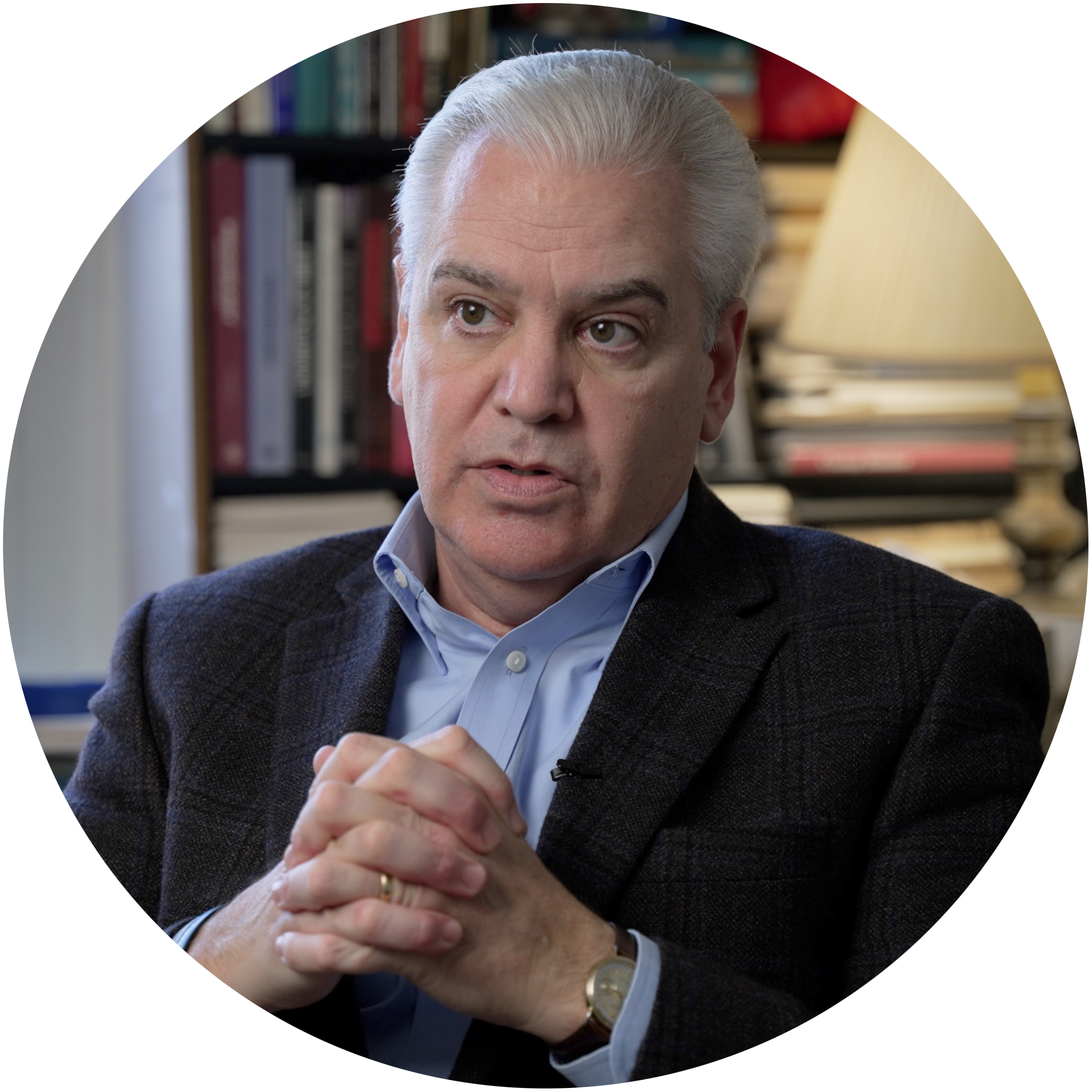
Drawing on over 35 years of suicide research, clinical practice, and the college classroom, Dr. Jobes – developer of the CAMS Framework® – offers a nuanced, evidence-informed perspective on today’s youth. Through the voices of young people themselves, the article challenges generational stereotypes and makes a compelling case for creating more space for young people to be heard, understood, and supported.

Read the full article: Kids Today: Thoughts From Research, Practice, and the Classroom

About the Author

David A. Jobes Ph.D. ABPP

David A. Jobes Ph.D. ABPP
David Jobes, PhD, ABPP, is the founder of CAMS-care, LLC. He began his career in 1987 in the Counseling Center of the Catholic University of America, where he developed a suicide risk assessment tool for college students that evolved into CAMS. Dr. Jobes is now a Professor of Psychology and Associate Director of Clinical Training at Catholic; he has trained thousands of mental health professionals in the United States and abroad in evidence-based assessment and treatment of suicide risk and the use of CAMS.

What Stops People Seeking Help?

A compelling evidence-based talk examining why suicide prevention in the UK continues to fall short — not from lack of effort, but from intervening too late, persistent stigma, and treatments not designed for suicidality. Professor Zaffer Iqbal, Clinical Director of Psychological Services, University of Hull, presents a clear case for redesigning how and when we engage people at risk.

Suicide Risk Following Hospital Discharge

When a person is facing a serious mental health crisis, they often go to or are taken to the hospital. While at the hospital, the focus is on stabilization and keeping them safe. But what happens once they leave?

Multiple studies show that a patient’s risk of suicide significantly increases once they are discharged from the hospital. [1] In the first week after discharge, the risk of suicide increases by 300 times higher compared to the general population. [2] Also, as many as 30% of patients admitted to the hospital for a suicide-related concern are re-admitted within a year. [3]

Something clearly needs to change. We must better support patients who experience a serious mental health crisis. We also need to help prevent a crisis from happening again. During this vulnerable time, patients deserve the best care possible so they can get on a path to healing. While there are many factors at play when it comes to post-discharge suicide risk, there are some steps that hospitals and clinicians can begin implementing to help start actionable change.

What Happens During Hospital Discharge?

Before a patient is discharged from the hospital, there are steps put in place to help reduce the patient’s risk of suicide. These steps often include creating a safety plan and counseling on reducing access to lethal means. While these are meant to help reduce risk, they are often not enough. The patient is then discharged from the hospital with either a plan for follow-up outpatient care or a care referral. This transition is where the risk period begins.

Why Post-Discharge Care is Often Unsuccessful

There are many factors at play when it comes to suicide after hospitalization. Here are some of the key areas where the systems in place may be failing.

Inconsistent use of screening and assessment tools
Hospitals often vary in how they identify high-risk patients. Many of the tools focus on risk factors rather than digging deeper and identifying the root of the patient’s suicidal thoughts. These standard risk assessments can feel like a checklist rather than a unique, patient-centered approach to treating what lies beneath. They may miss specifics that could be helpful in treating the patient moving forward.

Fragmented care transitions
Currently, there is no standard protocol to follow when it comes to handing off patients in emergency departments to outpatient providers. This handoff is where a lot of the risk comes in because the next steps often rely heavily on the patient. Patients may leave the hospital feeling confused, unsupported, or ill-equipped to take the next steps toward getting long-term, sustainable care. It’s important to also remember that the patient just went through an extremely traumatic event and may still be feeling overwhelmed. It’s important that they have the correct steps laid out in front of them and a plan in place for care with a clinician who can provide further support.

Barriers to accessing outpatient mental health services
Ideally, the first follow-up session after discharge should happen as soon as possible. Unfortunately, follow-up care is not always straightforward or easy to access. Often, the patient does not follow their discharge plans. In fact, around only 50% of patients follow up on their referrals for outpatient care. [4] Depending on the patient’s situation, they may face several barriers when it comes to accessing outpatient care, whether it’s financial, logistical, or a combination.

Challenges Hospitals are Facing

In addition to each of the factors above, hospitals themselves are also facing their own challenges. Many hospitals are overwhelmed. From overcrowded emergency departments to short (and often overworked) staff, hospitals struggle to keep up with the demand. Clinicians may not have the capacity to do a thorough suicide risk assessment of the patient as well as intervention work. There may simply even not be enough space for patients at risk to stay in the hospital for as long as they need to.

Hospitals and emergency departments can also be extremely stressful environments for those already dealing with a mental health crisis. People in emergency rooms for mental health reasons may often be deprioritized due to other more urgent needs coming through the doors. This means that those in a mental health crisis may be waiting for hours if not days before they are truly seen and helped in the ways they may need.

Emergency medical settings are a critical point of care. By providing access to suicide-focused treatment beyond just stabilization, there are opportunities to bridge a consistent gap in mental health care and take the necessary steps towards saving lives.

Tia Tyndal, Ph.D.

How CAMS Can Help Address These Gaps

CAMS, the Collaborative Assessment and Management of Suicidality, is an evidence-based clinical framework that is focused on identifying and treating suicidal drivers. CAMS has been used in various mental health care and hospital settings. Here are a few of the ways that CAMS can work to help bridge the gap between inpatient and outpatient care for those in crisis.

  • Structured yet flexible: CAMS works well within fast-paced settings. It can easily be integrated into existing workflows without disrupting other methods and protocols.
  • Improved risk assessment: CAMS tools focus on the patient’s voice and their meaning, not just symptoms or risk assessment scores. It supports clinicians in documenting clear, shared clinical plans.
  • Safety planning that works: Safety planning is a key element of CAMS. It is collaborative, meaning the patient and provider work together to come up with a plan. This helps patients feel more equipped and in control.
  • Bridging the transition: CAMS helps bridge the transition between inpatient and outpatient follow-up care. By providing protocols for follow-up, CAMS helps cement continuity so that no patient falls through the cracks after discharge.
  • Training & skill-building for staff: CAMS provides specific training that helps those working with people in crisis. CAMS Brief Intervention (CAMS-BI™) is a training that is designed to be used for those working in emergency departments.

Complementary Solutions: EmPATH Units

One fairly recent advancement in emergency care for those struggling with a mental health crisis is the development of EmPATH units. As an extension of emergency departments, EmPATH units are designated spaces specifically for those in a mental health crisis. They are designed to offer a more calm and comforting atmosphere. While still fairly new, more EmPATH units continue to be added onto hospitals and clinics across the United States.

Practical Steps Hospitals Can Take Now

While not every hospital has the current ability or resources to add an EmPATH unit into their system, there are other steps that many of them can take in the meantime.

Training & implementation
Training and implementing CAMS is a great place to start. All individuals start with the foundational clinician training. From there, staff can be trained in specific areas, such as CAMS-BI™. Hospitals might consider a phased rollout with champions in key departments to help them as they get started.

Workflow integration
Next, embedding the CAMS Suicide Status Form (SSF) into electronic health records is a way to help make sure nothing slips through the cracks. Hospitals might start aligning their discharge protocols with CAMS documentation. They might also align follow-up procedures. This could happen as they continue to implement CAMS into their system.

Cross-department collaboration
It’s important to be sure that everyone is on the same page. By connecting emergency departments, inpatient psychology and psychiatry, outpatient providers, and care managers, everyone can know the standard protocols of CAMS. If possible, it may be helpful to have times of regular case reviews to refine practice and improve outcomes as well as referrals that continue using CAMS.

A Better Path Forward

Suicide risk after hospital discharge is a serious issue. It seems backwards that the time period after a patient receives care for a crisis is also the time they are at the highest risk of suicide. However, taking steps to lower this risk is doable.

CAMS provides an evidence-based treatment that improves patient care. It is structured, giving clinicians real, concrete steps to follow. It is also extremely adaptable and can be catered to individual patients and their lived experiences. From assessment to discharge to after care, CAMS can be used along every point of a patient’s road to recovery. Hospitals can start pursuing training in CAMS. They can also take steps to better align their departments and clinicians. This will help everyone be on the same page when treating at-risk patients. Nobody should have to slip through the cracks when treatment and hope is available for all.

Frequently Asked Questions

Suicide risk is significantly elevated after hospital discharge because patients are transitioning from a highly structured environment to one where support and monitoring may be less consistent. During this period, individuals may still be coping with the factors that contributed to their crisis while also facing barriers to accessing follow-up care. Research shows that suicide risk can be dramatically higher in the first week after discharge compared to the general population.

The period immediately following discharge—especially the first week—is considered one of the highest-risk times for suicide. However, elevated risk can persist for months as patients attempt to reconnect with outpatient care and stabilize their mental health. Ensuring continuity of care and timely follow-up appointments is critical during this extended vulnerability window.

Common gaps include inconsistent suicide risk assessments, fragmented transitions between hospital and outpatient providers, and limited access to timely follow-up care. Many discharge plans rely heavily on patients to arrange services themselves, which can be difficult during a period of emotional distress. These system challenges can leave individuals feeling unsupported and increase the likelihood of disengagement from treatment.

The Collaborative Assessment and Management of Suicidality (CAMS) is an evidence-based clinical framework designed to assess and treat suicidal risk by identifying the psychological drivers behind a person’s suicidal thoughts. Rather than focusing solely on risk factors, CAMS emphasizes a collaborative process between clinician and patient to develop targeted treatment and safety planning. Learn more about the CAMS Framework® at https://cams-care.com/about-cams/.

Hospitals can improve post-discharge suicide prevention by strengthening care transitions, implementing consistent suicide-focused assessments, and ensuring rapid follow-up with outpatient providers. Training clinicians in structured, suicide-specific approaches can also help improve continuity of care and documentation. Many healthcare systems integrate the CAMS approach into their workflows to support assessment, collaborative safety planning, and follow-up care. Learn more about CAMS training at https://cams-care.com/training-certification/.

KVC Health Systems’ 6-Step Guide to Implementing CAMS with Private Funding

Date: February 18, 2026

KVC encourages ongoing training to support our teams in providing high-quality, evidence-based services to their clients.
 

“Nearly every person in this world has been touched by suicide in some way.”

Dr. Megan Moore sees this reality every day. As the Senior Director of Innovation and Impact with KVC Behavioral HealthCare Kentucky, a subsidiary of KVC Health Systems, she’s worked tirelessly alongside her 2,800 colleagues across 65 locations in five states to eradicate suicide, which takes about 50,000 lives in the U.S. each year.

Moore knew that achieving this ambitious goal wouldn’t be possible overnight. But by equipping clinicians with the competence and confidence to deliver timely, individualized care, including treating the drivers of each patient’s suicidal ideation, KVC could strengthen its approach to suicide prevention and save more lives.

In 2024, together with Chad Anderson, LSCSW, KVC’s Chief Clinical Officer based in Kansas, who brought deep clinical expertise and system-wide leadership, they integrated the evidence-based Collaborative Assessment and Management of Suicidality (CAMS) framework into their system of care. With an engaged cohort of leaders and clinicians, private philanthropic funding, and a collaborative partnership with CAMS-care, the KVC team moved from concept to implementation in just four months.

KVC’s early results of clinician engagement and patient outcomes are incredibly exciting. Their practical six-step approach offers a replicable blueprint for other mental health organizations with limited time and resources to similarly strengthen their suicide prevention practices and join us in advancing a world without suicide.

Connection as the Foundation for Saving Lives

At the heart of both KVC and CAMS is the shared belief that connection saves lives. Connection is what fosters health and healing. In suicide prevention, connection is especially critical, both in terms of a patient’s relation to family and community and ensuring a coordinated approach to services. When a person who is suicidal has access to timely, individualized, and connected care at the ideation stage, we can minimize the risk of ideation becoming behavior. Fewer attempts mean fewer deaths and lower health system costs.

At KVC, connection is ingrained across its entire system of care. Through their Safe and Connected practice model, they support families and communities with high-quality mental health and family-strengthening services spanning the continuum of care from in-home to inpatient treatment. Access to healthcare (both physical and mental) and community support is limited in rural areas. In the past two decades, suicide rates have increased 46% in non-metro areas (compared to 27.3% in metro areas). Many of KVC’s locations are in rural communities to meet this growing need for services, often providing in-home treatment and wraparound support, where access to services can be limited, and transportation is a barrier for those who need it most.

CAMS is an evidence-based, suicide-focused framework that operationalizes this approach to suicide prevention. Dr. Mariam Gregorian, CAMS Consultant, explains, “The CAMS Framework® is the most effective treatment for the largest population — the 16.9 million Americans who experience serious thoughts of suicide each year.” Through its collaborative, flexible process, clinicians and patients jointly identify and treat the personal drivers of suicidality as early as possible. It also serves as an umbrella framework that integrates seamlessly into existing models of care, strengthening what clinicians are already doing while aligning teams around a shared, proactive prevention strategy.

The natural synergy between KVC’s connection-first culture and CAMS’ focus on proactively and collaboratively treating suicidal drivers planted the seeds for change.

Discovering CAMS to Treat Suicidal Drivers

KVC’s first exposure to CAMS happened in the early 2000s. Megan Moore met Dr. Melinda Moore, CAMS Consultant, suicide loss survivor, and professor at Eastern Kentucky University, at a training hosted by her agency in Lexington, KY. What Megan Moore learned about CAMS changed the way she thought about suicide. She no longer saw suicide as a symptom of depression, but as the specific focus of care.

Moore and Anderson were curious to learn more about CAMS and its potential to strengthen KVC’s approach to suicide prevention. They also wanted to bring in other members of their clinical leadership team for their feedback. Through both virtual and in-person conversations, Gregorian helped them understand their options and their advantages in a systemic way.

After previewing some of the CAMS training products, the KVC team became determined to integrate CAMS as an evidence-based practice into their system of care. Because no two patients are alike and insurance policies vary by state, Anderson envisioned adding CAMS as another tool in clinicians’ toolkits. Anderson recalls, “We saw how CAMS saves lives. Why wouldn’t we invest in it?”

Implementing CAMS into KVC’s System of Care

Moore and Anderson approached this process with thoughtfulness and intentionality to minimize resources and maximize impact. Here are the six steps that took them from planning to implementation.

Step 1: Identify and Empower Champions

Every system-wide change needs a strong leader behind it. For KVC, that was Moore and Anderson. They’re both visionaries with a deep understanding of both clinical practice and implementation science. They built momentum, provided ongoing support and communication, and kept their teams informed and engaged from pilot toimplementation.

Step 2: Establish a Pilot Group

In January 2024, KVC launched a small, multidisciplinary pilot group. It consisted of approximately 32 clinicians and senior business leaders from its six subsidiaries: KVC Kansas, KVC Kentucky, KVC Missouri, KVC Nebraska, KVC West Virginia, and Camber Mental Health, KVC’s network of inpatient mental health hospitals and residential treatment centers.

Anderson describes, “We were all in it together.” Energy and engagement levels were high. The cohort established regular touch points and met consistently for 12 months. During this time, they received monthly consultation calls, peer support, and case review. Leadership actively participated alongside clinicians, ensuring they stayed in lock step throughout the process.

Step 3: Secure Funding

To begin the CAMS training process, KVC needed funding. Each of the six nonprofit subsidiaries operates independently, so each led respective efforts to secure funding. They focused their efforts on reaching out to existing networks, with support from their KVC Foundation team.

As a result of their outreach, an anonymous private funder awarded $25,000 to fund the CAMS pilot program to include 32 clinicians and trainers across the health system. The donor asked that KVC also use their gift to attract additional funders to support more clinicians and trainers beyond the pilot. While additional funding would be needed to scale, this first seed funding established a proof of concept to begin the CAMS training process.

Step 4: Conduct CAMS Trainings

In February 2024, 32 clinicians and clinical leaders participated and completed the CAMS Trained™ program.Throughout the program’s 10 hours of online coursework and 4 hours of consultation calls, KVC clinicians worked closely with Dr. Gregorian, Dr. Melinda Moore, and the entire CAMS team to gain direct skills, knowledge, and confidence to effectively assess and treat suicidal patients. This pilot group also completed role-play training and the CAMS-4Teens® training to learn how to work with adolescents and their parents/caregivers.

Moore, Anderson, and other cohort leaders stayed closely engaged throughout the training to ensure everyone continued to feel informed and empowered. Gregorian also remained involved to support the clinicians through consultation calls and answering questions as they arose.

Step 5: Put CAMS into Practice

The key to implementation would come from giving clinicians the opportunity to apply CAMS in practice and build their confidence.

In April 2024, 10-15 clinicians began utilizing CAMS with patients. This phased approach allowed the team to focus first on successful uptake of the model, ensuring clinicians felt supported as they navigated suicide-specific conversations and interventions using a new framework. Moore reconnected with Dr. Melinda Moore, the CAMS-care Consultant who hosted the role-play training and consultation calls for the cohort.

Step 6: Scale Across the System of Care

After the initial CAMS training and implementation with 32 clinicians across the health system, KVC continued seeking funding to scale the model.

KVC Kansas secured a new $35,000 grant from the state to train 40 more clinicians in CAMS and the team began to identify and create a plan.

Camber Mental Health, KVC’s team of inpatient and residential psychiatric treatment experts, budgeted $18,000 to train 12 therapists in CAMS (3 per campus). They plan to seek state funding to train the remainder of their clinicians in CAMS.

In 2025, the State of Kansas made a second gift of $35,000 to train staff in Dialectical Behavior Therapy (DBT), to treat the drivers identified in the CAMS Framework and strengthen treatment for youth experiencing foster care.

The Kentucky team also found local partners who wanted to invest in suicide prevention in the community. In May 2025, Lexington, KY-based Valvoline, a national leader in automotive maintenance, partnered with KVC Kentucky by contributing funding to train 53 clinicians in CAMS.. Valvoline’s donation also provided long-term sustainability of the model, funding three licensed practitioners to become CAMS trainers.

In total, in just under two years, KVC has trained 100 clinicians in CAMS across three subsidiaries. Their goal is to train all 450 clinicians nationwide.

While all six of KVC’s local teams have recognized the benefits and plan to implement CAMS, their timelines have varied based on their ability to secure funding. KVC’s teams in Missouri, Nebraska and West Virginia are still in the process of seeking funding to begin training.

Leaning On Each Other to Save Lives

Implementing new and different modalities into your system of care takes work. It takes resources — time, money, and effort. For mental health organizations, many of whom are already stretched thin, implementing something new may feel overwhelming and complicated. Our hope is that this guide can provide a practical model for replicating KVC’s successful implementation through its dedicated leadership, efficient resource use, and collaborative partnership with CAMS.

One of the key components to strengthening your system of care is, of course, funding. Government grants used to be a primary source of funding for mental health services. But recent uncertainty emphasizes the importance of diversifying your pipeline so people can receive the right life-saving support at the right time.

Private philanthropic funding is a critical and effective source. Where to search for it may not be obvious at first. But sometimes we find it in the most unexpected and creative places— like the initial private funder who provided KVC with $25,000 to kickstart training or Valvoline’s larger partnership to save lives.

Anderson shares, “Anyone can do this. It’s not too expensive. It’s not out of reach. But you don’t need to do it alone. Lean on us. Take what KVC has learned and achieved as an organization, and do it even better.”

Please reach out to the CAMS-care team here to learn more. Connecting with you to help you strengthen your system of care is why we’re here.

We are made to live in connection with others. Together, we are committed to creating a world without suicide.

LEARN MORE: KVC Health Systems Funding Proposal Template

Hidden Lessons from Black Suicide Science

Given the preponderance of suicidogenic risks and vulnerability for Black adults and youth, one might predict higher rates of suicide death in the Black community. However, suicide and factors that contribute to suicide “resilience” are understudied among Black Americans. Dr. Walker will discuss patterns of suicide death, highlight relevant research from the Culture, Risk, and Resilience Lab, and propose important steps in addressing suicide as a serious but preventable public health concern.

About Dr. Rheeda Walker

Dr. Rheeda Walker is an award-winning Professor of Psychology, a fellow in the American Psychological Association, and a leading scholar who has published more than 60 scientific papers on African American mental health, suicide risk, and emotional resilience. She is also a licensed clinical psychologist who prepares doctoral students for independent careers.

Dr. Walker’s impact has expanded beyond academia and she has quickly become a fan favorite with the release of her first book, The Unapologetic Guide to Black Mental Health. Delving into the heart of the Black experience, Dr. Walker debunks myths about mental health, builds the case for psychological fortitude, and delivers practical advice for use in everyday life. Her charismatic vision and practical approach to life’s challenges have led to numerous appearances on Good Morning America, The Breakfast Club, and NPR, among others. She is often quoted in major publications like the Washington Post, the Los Angeles Times, the Huffington Post, GQ Magazine, and the Houston Chronicle.

Dr. Walker’s eclectic mix of experiences positions her well to achieve her ultimate goal of bringing culturally-informed, psychological fortitude to both professional and lay audiences.

About David A. Jobes, Ph.D., ABPP

David Jobes, PhD, ABPP, is the founder of CAMS-care, LLC. He began his career in 1987 in the Counseling Center of the Catholic University of America, where he developed a suicide risk assessment tool for college students that evolved into an evidence-based treatment, CAMS, recognized by the Joint Commission, the Surgeon General, Zero Suicide, and the CDC. Dr. Jobes is now a Professor of Psychology and Associate Director of Clinical Training at Catholic; he has trained thousands of mental health professionals in the United States and abroad in evidence-based assessment and treatment of suicide risk and the use of CAMS.

  • This field is for validation purposes and should be left unchanged.
  • This field is hidden when viewing the form
  • This field is hidden when viewing the form
  • This field is hidden when viewing the form
  • This field is hidden when viewing the form
  • This field is hidden when viewing the form
  • This field is hidden when viewing the form

After Your Child’s Suicide Attempt

What to Do After Your Child’s Suicide Attempt — and How CAMS-Care Can Help

When a child has attempted suicide, the days and weeks that follow are often filled with fear, confusion, guilt, and uncertainty. Many parents describe feeling overwhelmed — unsure of what to say, what to do next, or how to help their child begin to heal. The video Parents to Parents: After Your Child’s Suicide Attempt was created to speak directly to these very real experiences, offering guidance from both clinicians and other parents who have walked this difficult path.

This guidance aligns with principles from the Zero Suicide Initiative, an organization that offers evidence-based, suicide prevention consultation and guidance. Research on the Zero Suicide Framework shows that care is improved (individually and at a system level) when it is proactive, collaborative, and specifically focused on suicide risk rather than general mental health alone.

The video linked at the bottom of this page can help parents understand what recovery actually looks like after an attempt: how to talk with their child, how to create safety, and how to partner with clinicians in a structured and hopeful way during a frightening time.

1. Acknowledge the Emotional Impact

First and foremost, it’s important for caregivers to recognize and validate their own emotions. Guilt, fear, anger, panic, numbness, and even relief can all coexist in the aftermath of a suicide attempt. These feelings are understandable — and common.

The video underscores that, while it can feel isolating, parents are not alone, and their reactions are shared by many families who have survived this crisis.

2. Understand What Comes Next

After the immediate medical response (emergency care, hospitalization if needed), the focus shifts to support and safety. This includes:

  • Co-creating a safe home environment by removing/securing or reducing access to potential means of harm.
  • Engaging with clinicians and mental health providers to initiate follow-up care, including therapy and psychiatric support.
  • Listening openly to your child’s feelings and thoughts without judgment, and letting them know they are loved, valued, and safe. The film encourages parents to learn what signs to watch for, how to talk about the attempt with their child, and how to make mental health care accessible.

3. Seek Evidence-Based Suicide-Focused Care

One essential piece in a child’s recovery journey is accessing evidence-based therapeutic approaches that focus specifically on suicidality rather than general mental health management alone. One such model is the Collaborative Assessment and Management of Suicidality (CAMS) — often referenced in suicide care communities and clinical settings.

CAMS is a suicide-specific treatment framework that actively involves the young person in identifying what is “driving” their suicidal thinking and collaboratively building a plan to address those drivers. It’s not a rote checklist; it’s a flexible, empathic approach where the clinician and child (or family) work together to:

  • Assess suicidal risk in depth
  • Create personalized safety and stabilization plans
  • Build treatment beyond safety and stability that moves teens towards lives they find worth living
  • Track progress and adapt care as needed

This model has been supported by research showing reductions in suicidal ideation, hopelessness, and distress, and improved engagement with care — all critical in the period after an attempt.

CAMS-4Teens® is a framework in which a clinician works with the parents to keep the home safe and provide guidance on how best to support your child through a course of CAMS treatment( typically six to 8 one-hour sessions) using the Stabilization Support Plan (CAMS-4Teens: Working with Parents).

Parents can locate a CAMS Trained™ clinician in their area using the CAMS‑care Clinician Locator.

4. Build a Support Team Around Your Child

Recovery is rarely a solo journey. The video highlights the value of connecting with both professional and community support — including family therapists, school counselors, peer support groups, and other caregivers who understand the experience. Parents who have been there often say that having someone to talk to — whether a trained provider or another parent who has survived similar circumstances — can make all the difference.

5. Maintain Hope and Patience 

Perhaps the most crucial message is one of hope. While a suicide attempt is a serious and frightening event, it does not mean a child is beyond help or that recovery isn’t possible. With appropriate care, safety planning, ongoing support, and open, compassionate treatment and communication, many families find their way back to stability and connection. Over time, parents and children can work toward healing together — learning new ways to cope, to stay connected, and to build a future worth living.

Please visit Supporting Parents | Zero Suicide where the film can be viewed in chapters and there are additional resources for healthcare providers, faith leaders, and schools.

Supporting Clients Between Sessions: Peer Support and New Data from NowMattersNow

When clients are struggling most, support often needs to extend beyond the therapy hour. This webinar introduces Now Matters Now’s (NMN) three free programs, with a focused look at NMN Peer Support Meetings and new engagement and outcomes data, highlighting how peer support can complement CAMS-informed care between sessions.

Ursula Whiteside, PhD

About Ursula Whiteside Ph.D.

Dr. Ursula Whiteside is a licensed psychologist, certified DBT clinician, and founder/CEO of NowMattersNow.org. She trained for over a decade directly with Dr. Marsha Linehan, the creator of Dialectical Behavior Therapy. Today, NowMattersNow.org hosts the world’s largest lived-experience DBT skills library, offers free weekly DBT Peer Support Meetings, and provides a brief intervention for overwhelming suicidal urges.

Dr. Whiteside serves as Clinical Faculty at the University of Washington and as national faculty for the Zero Suicide initiative. She is co-founder of United Suicide Survivors International and advises on AI chatbot development, centering the lived experience, preferences, and safety of suicidal users. Dr. Whiteside is open about her experiences with intense emotions and suicidal thoughts.


David A. Jobes, PhD

About David A. Jobes, Ph.D. ABPP

David A. Jobes, Ph.D., ABPP, is a Professor of Psychology, Director of the Suicide Prevention Laboratory, and Associate Director of Clinical Training at The Catholic University of America. Dr. Jobes is also an Adjunct Professor of Psychiatry, School of Medicine, at Uniformed Services University. He is the author of seven books and hundreds of articles and book chapters. He is the creator of the Collaborative Assessment and Management of Suicidality (CAMS) and one of the founders of CAMS-care, LLC (a professional training and consultation company). Dr Jobes is the recipient of many awards such as the 2022 Alfred M. Wellner Award for Lifetime Achievement (for research excellence) from the National Register of Health Service Psychologists and the 2025 “Erwin Ringel Service Award” for contributions to suicide prevention from the International Association of Suicide Prevention (IASP). He is a Fellow of the American Psychological Association and is board certified in clinical psychology (American Board of Professional Psychology). Dr. Jobes maintains a private clinical and consulting practice in Washington DC and in Maryland.

Watch the Recorded Webinar On-Demand

Enter your information to gain access.

  • This field is for validation purposes and should be left unchanged.
  • This field is hidden when viewing the form
  • This field is hidden when viewing the form
  • This field is hidden when viewing the form
  • This field is hidden when viewing the form
  • This field is hidden when viewing the form
  • This field is hidden when viewing the form

The Network Effect: Turning Connection into Protection in Suicide Prevention

Communities are made up of relationship networks, but we rarely consider how the structure of these networks—and the interaction between them—shapes suicide prevention. Prof. Tony Pisani reveals how shared trusted connections promote protection, why even small changes in networks make a difference, and how organizations can strengthen these networks to better serve people in their communities. Drawing on research and case examples from high schools, healthcare, and the military, Tony highlights innovative, network-informed approaches. Through reflective exercises, attendees will explore how these insights apply to their life, team, and work, leaving with actionable strategies to build networks that promote connection and wellbeing.

Holly Wilcox, PhD

About Tony Pisani, Ph.D.

Tony Pisani is a Professor of Psychiatry and Pediatrics at the University of Rochester Center for the Study and Prevention of Suicide and the founder of SafeSide Prevention has devoted his career to preventing suicide and promoting wellbeing, combining research at University of Rochester with practical implementation as the founder of SafeSide Prevention. Author of more than 40 peer-reviewed papers and host of the Never the Same Podcast, his work spans research, education, and real-world implementation across healthcare, military, and community settings in the US, Australia, and New Zealand.


David A. Jobes, PhD

About David A. Jobes, Ph.D. ABPP

David A. Jobes, Ph.D., ABPP, is a Professor of Psychology, Director of the Suicide Prevention Laboratory, and Associate Director of Clinical Training at The Catholic University of America. Dr. Jobes is also an Adjunct Professor of Psychiatry, School of Medicine, at Uniformed Services University. He is the author of seven books and hundreds of articles and book chapters. He is the creator of the Collaborative Assessment and Management of Suicidality (CAMS) and one of the founders of CAMS-care, LLC (a professional training and consultation company). Dr Jobes is the recipient of many awards such as the 2022 Alfred M. Wellner Award for Lifetime Achievement (for research excellence) from the National Register of Health Service Psychologists and the 2025 “Erwin Ringel Service Award” for contributions to suicide prevention from the International Association of Suicide Prevention (IASP). He is a Fellow of the American Psychological Association and is board certified in clinical psychology (American Board of Professional Psychology). Dr. Jobes maintains a private clinical and consulting practice in Washington DC and in Maryland.

Watch the Recorded Webinar On-Demand

Enter your information to gain access.

  • This field is for validation purposes and should be left unchanged.
  • This field is hidden when viewing the form
  • This field is hidden when viewing the form
  • This field is hidden when viewing the form
  • This field is hidden when viewing the form
  • This field is hidden when viewing the form
  • This field is hidden when viewing the form

Black Youth Suicide: Investigation of Current Trends and Precipitating Circumstances

Black Youth Suicide

Seeing rising suicide rates in certain populations is always a cause for concern. It is especially concerning when these rates are happening among young people. In the U.S., suicide rates among Black youth have been increasing in recent years. While there are many possible factors, this should signal that work needs to be done and change needs to be made. 


Suicide Trends Affecting Black Youth

From 2018 to 2021, suicide rates increased from 8.2% to 11.2% for Black youth ages 10–24. [1] It was the third leading cause of death for this age demographic in 2022. [2] When looking further back, in the last 25 years, self-reported Black youth suicide attempts have increased by a staggering 73%. [3] Among Black youth, suicide rates for males were four times higher than females in 2021. [4]


According to the Suicide Prevention Resource Center, suicide rates among Black populations peaked for youth between the years 2011–2020. There was a sharp spike in suicide rates starting for those around age 15 with the highest rates being in the 25–34 age range. However, rates slowly and steadily declined with each age group afterwards. This pattern is noticeably different than that of the overall U.S. population, where the highest suicide rates happen between the ages of 45–54 as well as 75 and older. [5] These numbers signal a huge concern that Black youth do not have appropriate mental health support


Why are Black Youth at Risk?

Black communities face various barriers to treatment and support when it comes to mental health and suicide prevention. Youth may face particular challenges when it comes to finding and accessing limited resources. They also deal with other risk factors that often surround them. These difficulties can put them at a disadvantage. Here are a few of the leading factors when it comes to suicide risk among black youth. 


COVID-19 pandemic

The pandemic hit some communities harder than others. Youth in particular were put in a difficult position. They had to adjust to remote learning, miss out on important milestone events, and were isolated from their friends. Black youth specifically may have faced even more difficulties, especially those living in low-income areas or households. Some segments of the Black youth population struggled greatly. They faced challenges from not having the tools or technology to keep up with school from home. Others were affected by being stuck in an abusive home environment. A study from the state of Maryland found that suicide rates doubled for Black youth during the early days of the pandemic. [6] However, it’s important to remember that even before the pandemic, suicide rates in Black youth were already rising, signaling that other factors have been playing a role.


Trauma exposure

Another contributing role in Black youth suicide is the exposure to trauma, violence, or other adverse childhood experiences (ACEs). Racial discrimination is one example of an ACE. This can be detected in children as young as six years old and is likely to stick with them throughout their lives. [7] Additionally, Black youth who are living in racially segregated and low-income areas are more likely than their peers to experience or witness violence in their families or neighborhoods. [8] Generational trauma may also be present in those whose parents or grandparents experienced violence, abuse, or discrimination. About 65% of Black youth report experiencing some kind of trauma in their lives. [9]


Limited access to culturally appropriate mental health care

Many Black communities are faced with barriers when it comes to receiving mental health care, especially care that is culturally appropriate. Socioeconomic disparities play a big factor, making it difficult for many in Black communities to access and afford the care they need. Only about 25% of Black people in the U.S. seek mental health care treatment, compared to 40% of white people. [10] Finding culturally appropriate mental health care is also important—yet it can be another barrier. Only about 2% of the U.S. psychologists are Black. [11] Seeing a Black mental health professional may not feel necessary to some. However, it’s important to find someone who is trained to provide culturally sensitive care. This creates a safe, judgement-free space and helps trust be more easily built. 


Taking Steps Toward Black Youth Suicide Prevention

In order to start seeing a decline of suicide rates among Black youth, change has to be made across the board. First, investing in more research specifically focused on Black youth can be a way to shed more light on this growing problem. It can help others see that larger, systemic change needs to happen within Black communities. This includes better and more affordable access to quality healthcare. Additionally, the healthcare provided should be culturally appropriate. Finding ways to support current and future Black psychologists is another step in helping Black youth get access to culturally sensitive care. Finally, it’s important to continue to have open conversations around mental health to break the stigma. Many communities continue to push the narrative that opening up makes a person appear weak. Families and communities need to become safer places for young people to share their feelings, experiences, and ways they may be struggling.

Black youth need more support now than ever when it comes to their mental health. From the struggles of the pandemic to lack of appropriate and accessible resources, many in this population feel stuck and don’t know where to turn when they’re struggling. However, steps can be taken to help Black youth feel seen, heard, and supported. Through continual small steps and increased public awareness of this crisis, the seeds for change can be planted. This can start to positively impact Black communities and future generations.

If you’re curious to learn more, watch Strengths-Based Approaches to Suicide Prevention in the Black Community, an on-demand webinar hosted by Jasmin Brooks Stephens, PhD. In this talk, Dr. Brooks Stephens covers socio-cultural risk factors for Black youth as well as outlines steps that can be taken to address this crisis. 

Remember, if you or someone you know is struggling or in a crisis, the 988 Suicide & Crisis Lifeline is available.


Sources:

[1] https://www.cdc.gov/mmwr/volumes/72/wr/pdfs/mm7206a4-h.pdf 

[2] https://minorityhealth.hhs.gov/mental-and-behavioral-health-blackafrican-americans 

[3] https://theactionalliance.org/sites/default/files/ring_the_alarm-_the_crisis_of_black_youth_suicide_in_america_copy.pdf 

[4] https://minorityhealth.hhs.gov/mental-and-behavioral-health-blackafrican-americans 

[5] https://sprc.org/about-suicide/scope-of-the-problem/racial-and-ethnic-disparities/black-populations/ 

[6] https://pmc.ncbi.nlm.nih.gov/articles/PMC10227859/ 

[7] https://pmc.ncbi.nlm.nih.gov/articles/PMC9035019/

[8] https://www.nctsn.org/sites/default/files/resources/complex_trauma_facts_in_urban_african_american_children_youth_families.pdf 

[9] https://www.mcleanhospital.org/essential/black-mental-health 

[10] https://www.mcleanhospital.org/essential/black-mental-health 

[11] https://www.mcleanhospital.org/essential/black-mental-health 

Addressing Suicide in Indigenous Populations

Indigenous Suicide Prevention

Suicide is an issue that all communities face, but some populations have much higher rates than others. Indigenous communities are an example. For decades in the U.S., Indigenous populations have disproportionally high rates of suicide compared to other populations. [1] However, this isn’t only happening in the U.S. In Canada, First Nations people, Métis, and Inuit all have significantly higher suicide rates than non-Indigenous people. [2] The same is true for First Nations people in Australia, with suicide rates being more than three times higher than non-Indigenous populations. [3] 

Why are Indigenous populations across the globe at a greater risk of suicide than non-Indigenous populations? Historically, Indigenous communities have been overlooked when it comes to research and funding. Indigenous groups make up around 6% of the world’s population [4] and approximately 2% of the population in the U.S. [5] Even though they’re small, these communities are incredibly important.

Mental health challenges can affect everyone. However, Indigenous populations face unique struggles. This contributes to significantly higher rates of suicide among Indigenous people. These disparities are rooted in a complex history of colonization, cultural erasure, discrimination, and generational trauma. Addressing suicide, then, is not only a matter of public health. It is also an essential step toward finding healing and creating equity for Indigenous peoples everywhere.

Who are Indigenous Peoples?
Indigenous peoples are identified as those who inhabited a land long before other groups from other cultures settled there. These communities have their own rich histories and cultures, including their own languages and beliefs. They have strong ties to the land itself and deep knowledge of the natural world. Many Indigenous communities are also self-governing. In the U.S. alone, 574 different American Indian tribes and Alaska Native entities are recognized. [6] 

Causes of Suicide: Poverty and Other Factors
Suicide is a complex issue. It can be caused by a variety of factors. Indigenous populations have their own set of unique challenges. Many of these challenges are tied to their history of oppression. Because these challenges are unique to this population, it can be difficult for Indigenous communities. They struggle to get the attention they need. Understanding and assistance are often elusive for them.

One of the most prominent issues is poverty. Based on the 2018 U.S. Census data, Indigenous people had the highest rate of poverty among all minority groups, with 25.4% living in poverty. [7] In 2022, poverty levels rose specifically for American Indian and Alaska Native children, with 25.9% living in poverty. [8] Poverty can have ripple effects, leading to lack of healthcare and the issue of substance use.

  • Lack of healthcare access
    Many Indigenous communities have limited access to healthcare services. This is due to a variety of factors, ranging from unemployment to racial discrimination to limited access to transportation. Because of this, Indigenous people are more likely to suffer from health issues that many of the general population are able to more easily prevent. For example, over 50% of Indigenous people worldwide over age 35 have type 2 diabetes. [9] They also are more likely to experience cardiovascular illnesses. [10] Living with health challenges can be isolating, physically uncomfortable, and may lead to depression and risk of suicide.
  • Substance use
    Just like the lack of general healthcare access, Indigenous communities also have limited access to resources for substance use treatment. In the U.S., substance use among Indigenous people is much greater than that of the general population. The 2018 National Survey on Drug Use and Health (NSDUH) found that 10% of Native Americans have a substance use disorder and 7.1% have an alcohol use disorder. [11] It also found that nearly 25% of Native Americans reported binge drinking in the past month. [12] Again, much of this is due to a lack of available treatment options. There is also a lack of transportation services. Both of these issues stem from the problem of poverty. Studies report that over 50% of all suicides are associated with drugs or alcohol. [13] 

          Additionally, there are other cultural and historical factors that play into negative mental health outcomes and suicide risk.  

  • Stigma around mental health
    While steps have been made in many areas to reduce mental health stigma, certain populations still hold tight to certain beliefs related to mental health issues. This makes it difficult for those struggling to feel safe and accepted if they reach out for help. According to the American Psychiatric Association, many Native American people experience some type of stigma around seeking out mental health care services. [14] They may be afraid that admitting they need help makes them appear weak or that this will bring shame upon their families or communities. 
  • Generational trauma
    One of the big issues affecting many Indigenous people is generational trauma. Generational trauma happens when one or more people experience something traumatic and pass the trauma down to further generations. The affected person often learns an unhealthy coping mechanism that their children are inevitably taught. This is one way that abuse gets passed down from generation to generation. Because Indigenous communities have historically faced oppression, displacement, and other forms of mistreatment, it has led to these cycles of generational trauma. These cycles can be difficult to break and often have a lasting impact on people’s mental health.
  • Violence
    Domestic violence is another prevalent issue among Indigenous communities. Over 84% of American Indian and Alaska Native women experience some form of violence in their lifetime. More than 50% experience sexual violence. [15] Violence can happen for a number of reasons. It can be the result of unresolved generational trauma as well as the result of drug or alcohol abuse. No matter the cause, it can have lasting, damaging effects on a person’s mental and emotional well-being. 

Approaching Prevention: A Community Effort
Tackling a multi-faceted issue such as suicide requires more than just a singular approach. Helping Indigenous communities feel supported and have access to quality, culturally appropriate care requires many avenues of change. Here are a few steps to start the momentum of prevention. 

  • Promote cultural revitalization
    Prioritizing and celebrating Indigenous cultures is a critical starting point for healing. Many communities carry deep pain from past events. This includes being displaced from their land. It also involves having key components of their cultures erased. By reconnecting with traditional languages, spiritual practices, and ancestral knowledge, Indigenous cultures can gain strength, identity, and build stronger communities. When community members are empowered to reclaim and celebrate their cultural heritage, it can restore pride, resilience, and hope in who they are. 
  • Elevate Indigenous voices
    Along with promoting cultural revitalization, it’s also crucial to find ways to help elevate the voices of Indigenous communities. This includes making decisions that affect their own land. It also involves telling their own stories. Examples of ways to help elevate the voices of Indigenous communities include providing opportunities for them to share their knowledge. It is also important to support them in sharing their history and opinions. Funding various Indigenous organizations and advocating for land back initiatives can also be a step towards healing. While it doesn’t change the pain and trauma from the past, it’s another way to strengthen these communities and show that they matter and are important. When people know they matter, it can set them up for a successful future.
  • Foster youth empowerment
    Helping the next generation find strength and freedom is another way to begin breaking the cycle of pain. When Indigenous youth are given meaningful opportunities to lead and engage fully with their culture, they grow in their confidence, resilience, and form a stronger sense of identity. Empowerment programs that focus on leadership development, mentorship, education, and cultural engagement help youth feel valued and give them a sense of hope for their futures. These initiatives also foster community connection and generational healing, as young people become active participants in preserving and revitalizing their heritage. By investing in youth empowerment, communities create pathways of hope, resilience, and self-determination that can break cycles of despair and promote long-term well-being.
  • Provide appropriate mental health services
    Accessible, culturally appropriate mental health services are incredibly important. These services can provide support for individuals struggling with depression and anxiety. They also assist those dealing with substance use and suicidal thoughts. These issues are often rooted in historical oppression and systemic racism. Additionally, they are linked to the erosion of cultural identity. It’s important to be aware, though, that addressing complex issues such as generational and communal trauma involves specific care targeted toward specific populations. The CAMS Framework® has been successful in helping those in marginalized communities, including Indigenous populations, who experience suicidal ideation. Culturally appropriate mental health services, including peer support programs and community-based healing initiatives, can offer therapeutic support while helping to restore dignity, connection, and hope. 

Current Resources for Indigenous Suicide Prevention
These are a few current resources and initiatives that have been working to make a difference in the lives of Indigenous people who are struggling with suicide.

  • Center for Native American Youth (Aspen Institute)
    This is a national education and advocacy organization that works with Native youth ages 24 and under on reservations, in rural villages, and in cities all across the U.S.
  • Zero Suicide in Indian Country
    Zero Suicide is a framework of suicide-specific care that is used in a wide range of behavioral healthcare systems. This resource uses the Zero Suicide framework tailored specifically to Indigenous populations and their unique needs.
  • Celebrating Life (Center for Indigenous Health)
    Funded by the National Institutes of Health (NIH), Celebrating Life was created to support individuals of the White Mountain Apache Tribe struggling with suicide through a partnership with John Hopkins Center for Indigenous Health. This program has seen incredible success, including a 38% decrease of death by suicide. [16]
  • Qungasvik Toolbox
    The Qungasvik Toolbox was created by Yup’ik Alaska Native communities to help youth who are struggling with alcohol abuse and suicidal ideation. It engages elders, parents, and other adults, helping create a safe space for healing while helping youth be engaged in their culture.

Addressing suicide in Indigenous populations is not a small task. It demands long-term commitment to listening, understanding, and helping create systemic change. By acknowledging both the historical and present-day injustices, we can better understand how they have shaped mental health outcomes in these communities. This recognition allows us to create spaces that honor cultural resilience. Additionally, we can support holistic healing. This means investing in culturally appropriate mental health services, empowering and elevating Indigenous voices, and promoting community-led initiatives. Most importantly, it means recognizing that healing is possible when we come together, lift up those who are hurting, and celebrate their important role in our world. 


Sources:

[1] https://www.cdc.gov/suicide/facts/data.html 

[2] https://www150.statcan.gc.ca/n1/pub/99-011-x/99-011-x2019001-eng.htm 

[3] https://www.aihw.gov.au/suicide-self-harm-monitoring/population-groups/first-nations-people 

[4] https://www.worldbank.org/en/topic/Indigenouspeoples 

[5] https://iwgia.org/en/usa.html 

[6] https://www.usa.gov/tribes

[7] https://ncrc.org/racial-wealth-snapshot-native-americans 

[8] https://www.epi.org/blog/native-american-child-poverty-more-than-doubled-in-2022-after-safety-net-cutbacks-child-poverty-rate-is-higher-than-before-the-pandemic/ 

[9] https://www.un.org/development/desa/Indigenouspeoples/mandated-areas1/

[10] https://www.un.org/development/desa/Indigenouspeoples/mandated-areas1/

[11] https://americanaddictioncenters.org/rehab-guide/addiction-statistics-demographics/native-americans

[12] https://americanaddictioncenters.org/rehab-guide/addiction-statistics-demographics/native-americans 

[13] https://pubmed.ncbi.nlm.nih.gov/1932152/ 

[14] https://www.mcleanhospital.org/essential/native-american-mh 

[15] https://www.ncai.org/section/vawa/overview/key-statistics 

[16] https://pmc.ncbi.nlm.nih.gov/articles/PMC5105000/