Hidden Lessons from Black Suicide Science

Given the preponderance of suicidogenic risks and vulnerability for Black adults and youth, one might predict higher rates of suicide death in the Black community. However, suicide and factors that contribute to suicide “resilience” are understudied among Black Americans. Dr. Walker will discuss patterns of suicide death, highlight relevant research from the Culture, Risk, and Resilience Lab, and propose important steps in addressing suicide as a serious but preventable public health concern.

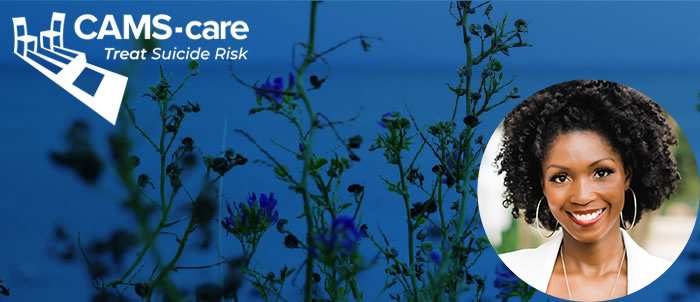
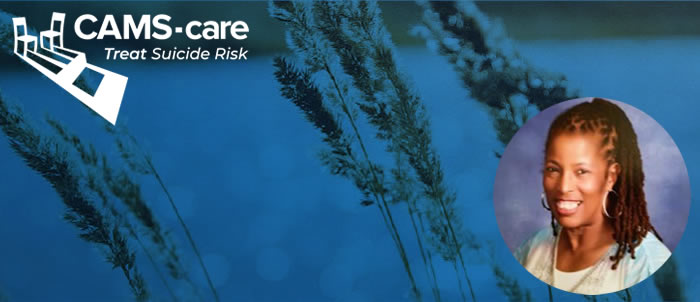
About Dr. Rheeda Walker

Dr. Rheeda Walker is an award-winning Professor of Psychology, a fellow in the American Psychological Association, and a leading scholar who has published more than 60 scientific papers on African American mental health, suicide risk, and emotional resilience. She is also a licensed clinical psychologist who prepares doctoral students for independent careers.

Dr. Walker’s impact has expanded beyond academia and she has quickly become a fan favorite with the release of her first book, The Unapologetic Guide to Black Mental Health. Delving into the heart of the Black experience, Dr. Walker debunks myths about mental health, builds the case for psychological fortitude, and delivers practical advice for use in everyday life. Her charismatic vision and practical approach to life’s challenges have led to numerous appearances on Good Morning America, The Breakfast Club, and NPR, among others. She is often quoted in major publications like the Washington Post, the Los Angeles Times, the Huffington Post, GQ Magazine, and the Houston Chronicle.

Dr. Walker’s eclectic mix of experiences positions her well to achieve her ultimate goal of bringing culturally-informed, psychological fortitude to both professional and lay audiences.

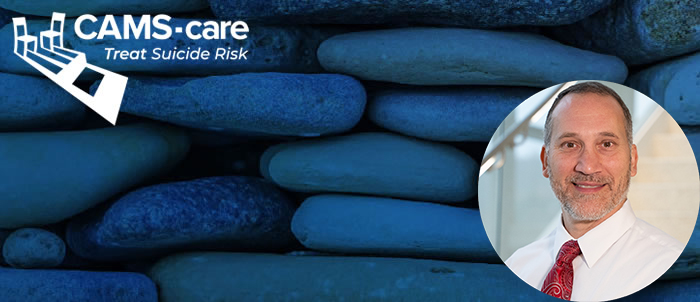
About David A. Jobes, Ph.D., ABPP

David Jobes, PhD, ABPP, is the founder of CAMS-care, LLC. He began his career in 1987 in the Counseling Center of the Catholic University of America, where he developed a suicide risk assessment tool for college students that evolved into an evidence-based treatment, CAMS, recognized by the Joint Commission, the Surgeon General, Zero Suicide, and the CDC. Dr. Jobes is now a Professor of Psychology and Associate Director of Clinical Training at Catholic; he has trained thousands of mental health professionals in the United States and abroad in evidence-based assessment and treatment of suicide risk and the use of CAMS.

  • This field is hidden when viewing the form
  • This field is hidden when viewing the form
  • This field is hidden when viewing the form
  • This field is hidden when viewing the form
  • This field is hidden when viewing the form
  • This field is hidden when viewing the form
  • This field is for validation purposes and should be left unchanged.

After Your Child’s Suicide Attempt

What to Do After Your Child’s Suicide Attempt — and How CAMS-Care Can Help

When a child has attempted suicide, the days and weeks that follow are often filled with fear, confusion, guilt, and uncertainty. Many parents describe feeling overwhelmed — unsure of what to say, what to do next, or how to help their child begin to heal. The video Parents to Parents: After Your Child’s Suicide Attempt was created to speak directly to these very real experiences, offering guidance from both clinicians and other parents who have walked this difficult path.

This guidance aligns with principles from the Zero Suicide Initiative, an organization that offers evidence-based, suicide prevention consultation and guidance. Research on the Zero Suicide Framework shows that care is improved (individually and at a system level) when it is proactive, collaborative, and specifically focused on suicide risk rather than general mental health alone.

The video linked at the bottom of this page can help parents understand what recovery actually looks like after an attempt: how to talk with their child, how to create safety, and how to partner with clinicians in a structured and hopeful way during a frightening time.

1. Acknowledge the Emotional Impact

First and foremost, it’s important for caregivers to recognize and validate their own emotions. Guilt, fear, anger, panic, numbness, and even relief can all coexist in the aftermath of a suicide attempt. These feelings are understandable — and common.

The video underscores that, while it can feel isolating, parents are not alone, and their reactions are shared by many families who have survived this crisis.

2. Understand What Comes Next

After the immediate medical response (emergency care, hospitalization if needed), the focus shifts to support and safety. This includes:

  • Co-creating a safe home environment by removing/securing or reducing access to potential means of harm.
  • Engaging with clinicians and mental health providers to initiate follow-up care, including therapy and psychiatric support.
  • Listening openly to your child’s feelings and thoughts without judgment, and letting them know they are loved, valued, and safe. The film encourages parents to learn what signs to watch for, how to talk about the attempt with their child, and how to make mental health care accessible.

3. Seek Evidence-Based Suicide-Focused Care

One essential piece in a child’s recovery journey is accessing evidence-based therapeutic approaches that focus specifically on suicidality rather than general mental health management alone. One such model is the Collaborative Assessment and Management of Suicidality (CAMS) — often referenced in suicide care communities and clinical settings.

CAMS is a suicide-specific treatment framework that actively involves the young person in identifying what is “driving” their suicidal thinking and collaboratively building a plan to address those drivers. It’s not a rote checklist; it’s a flexible, empathic approach where the clinician and child (or family) work together to:

  • Assess suicidal risk in depth
  • Create personalized safety and stabilization plans
  • Build treatment beyond safety and stability that moves teens towards lives they find worth living
  • Track progress and adapt care as needed

This model has been supported by research showing reductions in suicidal ideation, hopelessness, and distress, and improved engagement with care — all critical in the period after an attempt.

CAMS-4Teens® is a framework in which a clinician works with the parents to keep the home safe and provide guidance on how best to support your child through a course of CAMS treatment( typically six to 8 one-hour sessions) using the Stabilization Support Plan (CAMS-4Teens: Working with Parents).

Parents can locate a CAMS Trained™ clinician in their area using the CAMS‑care Clinician Locator.

4. Build a Support Team Around Your Child

Recovery is rarely a solo journey. The video highlights the value of connecting with both professional and community support — including family therapists, school counselors, peer support groups, and other caregivers who understand the experience. Parents who have been there often say that having someone to talk to — whether a trained provider or another parent who has survived similar circumstances — can make all the difference.

5. Maintain Hope and Patience 

Perhaps the most crucial message is one of hope. While a suicide attempt is a serious and frightening event, it does not mean a child is beyond help or that recovery isn’t possible. With appropriate care, safety planning, ongoing support, and open, compassionate treatment and communication, many families find their way back to stability and connection. Over time, parents and children can work toward healing together — learning new ways to cope, to stay connected, and to build a future worth living.

Please visit Supporting Parents | Zero Suicide where the film can be viewed in chapters and there are additional resources for healthcare providers, faith leaders, and schools.

Supporting Clients Between Sessions: Peer Support and New Data from NowMattersNow

When clients are struggling most, support often needs to extend beyond the therapy hour. This webinar introduces Now Matters Now’s (NMN) three free programs, with a focused look at NMN Peer Support Meetings and new engagement and outcomes data, highlighting how peer support can complement CAMS-informed care between sessions.

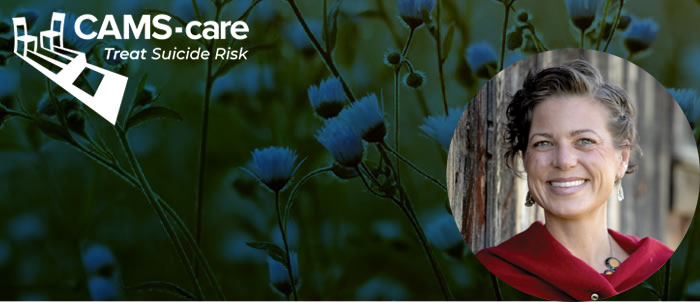
Ursula Whiteside, PhD

About Ursula Whiteside Ph.D.

Dr. Ursula Whiteside is a licensed psychologist, certified DBT clinician, and founder/CEO of NowMattersNow.org. She trained for over a decade directly with Dr. Marsha Linehan, the creator of Dialectical Behavior Therapy. Today, NowMattersNow.org hosts the world’s largest lived-experience DBT skills library, offers free weekly DBT Peer Support Meetings, and provides a brief intervention for overwhelming suicidal urges.

Dr. Whiteside serves as Clinical Faculty at the University of Washington and as national faculty for the Zero Suicide initiative. She is co-founder of United Suicide Survivors International and advises on AI chatbot development, centering the lived experience, preferences, and safety of suicidal users. Dr. Whiteside is open about her experiences with intense emotions and suicidal thoughts.


David A. Jobes, PhD

About David A. Jobes, Ph.D. ABPP

David A. Jobes, Ph.D., ABPP, is a Professor of Psychology, Director of the Suicide Prevention Laboratory, and Associate Director of Clinical Training at The Catholic University of America. Dr. Jobes is also an Adjunct Professor of Psychiatry, School of Medicine, at Uniformed Services University. He is the author of seven books and hundreds of articles and book chapters. He is the creator of the Collaborative Assessment and Management of Suicidality (CAMS) and one of the founders of CAMS-care, LLC (a professional training and consultation company). Dr Jobes is the recipient of many awards such as the 2022 Alfred M. Wellner Award for Lifetime Achievement (for research excellence) from the National Register of Health Service Psychologists and the 2025 “Erwin Ringel Service Award” for contributions to suicide prevention from the International Association of Suicide Prevention (IASP). He is a Fellow of the American Psychological Association and is board certified in clinical psychology (American Board of Professional Psychology). Dr. Jobes maintains a private clinical and consulting practice in Washington DC and in Maryland.

Watch the Recorded Webinar On-Demand

Enter your information to gain access.

  • This field is hidden when viewing the form
  • This field is hidden when viewing the form
  • This field is hidden when viewing the form
  • This field is hidden when viewing the form
  • This field is hidden when viewing the form
  • This field is hidden when viewing the form
  • This field is for validation purposes and should be left unchanged.

The Network Effect: Turning Connection into Protection in Suicide Prevention

Communities are made up of relationship networks, but we rarely consider how the structure of these networks—and the interaction between them—shapes suicide prevention. Prof. Tony Pisani reveals how shared trusted connections promote protection, why even small changes in networks make a difference, and how organizations can strengthen these networks to better serve people in their communities. Drawing on research and case examples from high schools, healthcare, and the military, Tony highlights innovative, network-informed approaches. Through reflective exercises, attendees will explore how these insights apply to their life, team, and work, leaving with actionable strategies to build networks that promote connection and wellbeing.

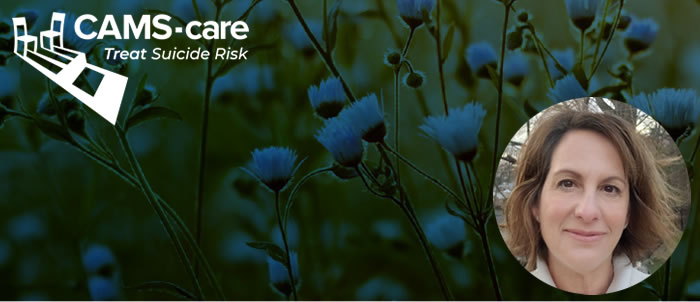
Holly Wilcox, PhD

About Tony Pisani, Ph.D.

Tony Pisani is a Professor of Psychiatry and Pediatrics at the University of Rochester Center for the Study and Prevention of Suicide and the founder of SafeSide Prevention has devoted his career to preventing suicide and promoting wellbeing, combining research at University of Rochester with practical implementation as the founder of SafeSide Prevention. Author of more than 40 peer-reviewed papers and host of the Never the Same Podcast, his work spans research, education, and real-world implementation across healthcare, military, and community settings in the US, Australia, and New Zealand.


David A. Jobes, PhD

About David A. Jobes, Ph.D. ABPP

David A. Jobes, Ph.D., ABPP, is a Professor of Psychology, Director of the Suicide Prevention Laboratory, and Associate Director of Clinical Training at The Catholic University of America. Dr. Jobes is also an Adjunct Professor of Psychiatry, School of Medicine, at Uniformed Services University. He is the author of seven books and hundreds of articles and book chapters. He is the creator of the Collaborative Assessment and Management of Suicidality (CAMS) and one of the founders of CAMS-care, LLC (a professional training and consultation company). Dr Jobes is the recipient of many awards such as the 2022 Alfred M. Wellner Award for Lifetime Achievement (for research excellence) from the National Register of Health Service Psychologists and the 2025 “Erwin Ringel Service Award” for contributions to suicide prevention from the International Association of Suicide Prevention (IASP). He is a Fellow of the American Psychological Association and is board certified in clinical psychology (American Board of Professional Psychology). Dr. Jobes maintains a private clinical and consulting practice in Washington DC and in Maryland.

Watch the Recorded Webinar On-Demand

Enter your information to gain access.

  • This field is hidden when viewing the form
  • This field is hidden when viewing the form
  • This field is hidden when viewing the form
  • This field is hidden when viewing the form
  • This field is hidden when viewing the form
  • This field is hidden when viewing the form
  • This field is for validation purposes and should be left unchanged.

Black Youth Suicide: Investigation of Current Trends and Precipitating Circumstances

Black Youth Suicide

Seeing rising suicide rates in certain populations is always a cause for concern. It is especially concerning when these rates are happening among young people. In the U.S., suicide rates among Black youth have been increasing in recent years. While there are many possible factors, this should signal that work needs to be done and change needs to be made. 


Suicide Trends Affecting Black Youth

From 2018 to 2021, suicide rates increased from 8.2% to 11.2% for Black youth ages 10–24. [1] It was the third leading cause of death for this age demographic in 2022. [2] When looking further back, in the last 25 years, self-reported Black youth suicide attempts have increased by a staggering 73%. [3] Among Black youth, suicide rates for males were four times higher than females in 2021. [4]


According to the Suicide Prevention Resource Center, suicide rates among Black populations peaked for youth between the years 2011–2020. There was a sharp spike in suicide rates starting for those around age 15 with the highest rates being in the 25–34 age range. However, rates slowly and steadily declined with each age group afterwards. This pattern is noticeably different than that of the overall U.S. population, where the highest suicide rates happen between the ages of 45–54 as well as 75 and older. [5] These numbers signal a huge concern that Black youth do not have appropriate mental health support


Why are Black Youth at Risk?

Black communities face various barriers to treatment and support when it comes to mental health and suicide prevention. Youth may face particular challenges when it comes to finding and accessing limited resources. They also deal with other risk factors that often surround them. These difficulties can put them at a disadvantage. Here are a few of the leading factors when it comes to suicide risk among black youth. 


COVID-19 pandemic

The pandemic hit some communities harder than others. Youth in particular were put in a difficult position. They had to adjust to remote learning, miss out on important milestone events, and were isolated from their friends. Black youth specifically may have faced even more difficulties, especially those living in low-income areas or households. Some segments of the Black youth population struggled greatly. They faced challenges from not having the tools or technology to keep up with school from home. Others were affected by being stuck in an abusive home environment. A study from the state of Maryland found that suicide rates doubled for Black youth during the early days of the pandemic. [6] However, it’s important to remember that even before the pandemic, suicide rates in Black youth were already rising, signaling that other factors have been playing a role.


Trauma exposure

Another contributing role in Black youth suicide is the exposure to trauma, violence, or other adverse childhood experiences (ACEs). Racial discrimination is one example of an ACE. This can be detected in children as young as six years old and is likely to stick with them throughout their lives. [7] Additionally, Black youth who are living in racially segregated and low-income areas are more likely than their peers to experience or witness violence in their families or neighborhoods. [8] Generational trauma may also be present in those whose parents or grandparents experienced violence, abuse, or discrimination. About 65% of Black youth report experiencing some kind of trauma in their lives. [9]


Limited access to culturally appropriate mental health care

Many Black communities are faced with barriers when it comes to receiving mental health care, especially care that is culturally appropriate. Socioeconomic disparities play a big factor, making it difficult for many in Black communities to access and afford the care they need. Only about 25% of Black people in the U.S. seek mental health care treatment, compared to 40% of white people. [10] Finding culturally appropriate mental health care is also important—yet it can be another barrier. Only about 2% of the U.S. psychologists are Black. [11] Seeing a Black mental health professional may not feel necessary to some. However, it’s important to find someone who is trained to provide culturally sensitive care. This creates a safe, judgement-free space and helps trust be more easily built. 


Taking Steps Toward Black Youth Suicide Prevention

In order to start seeing a decline of suicide rates among Black youth, change has to be made across the board. First, investing in more research specifically focused on Black youth can be a way to shed more light on this growing problem. It can help others see that larger, systemic change needs to happen within Black communities. This includes better and more affordable access to quality healthcare. Additionally, the healthcare provided should be culturally appropriate. Finding ways to support current and future Black psychologists is another step in helping Black youth get access to culturally sensitive care. Finally, it’s important to continue to have open conversations around mental health to break the stigma. Many communities continue to push the narrative that opening up makes a person appear weak. Families and communities need to become safer places for young people to share their feelings, experiences, and ways they may be struggling.

Black youth need more support now than ever when it comes to their mental health. From the struggles of the pandemic to lack of appropriate and accessible resources, many in this population feel stuck and don’t know where to turn when they’re struggling. However, steps can be taken to help Black youth feel seen, heard, and supported. Through continual small steps and increased public awareness of this crisis, the seeds for change can be planted. This can start to positively impact Black communities and future generations.

If you’re curious to learn more, watch Strengths-Based Approaches to Suicide Prevention in the Black Community, an on-demand webinar hosted by Jasmin Brooks Stephens, PhD. In this talk, Dr. Brooks Stephens covers socio-cultural risk factors for Black youth as well as outlines steps that can be taken to address this crisis. 

Remember, if you or someone you know is struggling or in a crisis, the 988 Suicide & Crisis Lifeline is available.


Sources:

[1] https://www.cdc.gov/mmwr/volumes/72/wr/pdfs/mm7206a4-h.pdf 

[2] https://minorityhealth.hhs.gov/mental-and-behavioral-health-blackafrican-americans 

[3] https://theactionalliance.org/sites/default/files/ring_the_alarm-_the_crisis_of_black_youth_suicide_in_america_copy.pdf 

[4] https://minorityhealth.hhs.gov/mental-and-behavioral-health-blackafrican-americans 

[5] https://sprc.org/about-suicide/scope-of-the-problem/racial-and-ethnic-disparities/black-populations/ 

[6] https://pmc.ncbi.nlm.nih.gov/articles/PMC10227859/ 

[7] https://pmc.ncbi.nlm.nih.gov/articles/PMC9035019/

[8] https://www.nctsn.org/sites/default/files/resources/complex_trauma_facts_in_urban_african_american_children_youth_families.pdf 

[9] https://www.mcleanhospital.org/essential/black-mental-health 

[10] https://www.mcleanhospital.org/essential/black-mental-health 

[11] https://www.mcleanhospital.org/essential/black-mental-health 

Addressing Suicide in Indigenous Populations

Indigenous Suicide Prevention

Suicide is an issue that all communities face, but some populations have much higher rates than others. Indigenous communities are an example. For decades in the U.S., Indigenous populations have disproportionally high rates of suicide compared to other populations. [1] However, this isn’t only happening in the U.S. In Canada, First Nations people, Métis, and Inuit all have significantly higher suicide rates than non-Indigenous people. [2] The same is true for First Nations people in Australia, with suicide rates being more than three times higher than non-Indigenous populations. [3] 

Why are Indigenous populations across the globe at a greater risk of suicide than non-Indigenous populations? Historically, Indigenous communities have been overlooked when it comes to research and funding. Indigenous groups make up around 6% of the world’s population [4] and approximately 2% of the population in the U.S. [5] Even though they’re small, these communities are incredibly important.

Mental health challenges can affect everyone. However, Indigenous populations face unique struggles. This contributes to significantly higher rates of suicide among Indigenous people. These disparities are rooted in a complex history of colonization, cultural erasure, discrimination, and generational trauma. Addressing suicide, then, is not only a matter of public health. It is also an essential step toward finding healing and creating equity for Indigenous peoples everywhere.

Who are Indigenous Peoples?
Indigenous peoples are identified as those who inhabited a land long before other groups from other cultures settled there. These communities have their own rich histories and cultures, including their own languages and beliefs. They have strong ties to the land itself and deep knowledge of the natural world. Many Indigenous communities are also self-governing. In the U.S. alone, 574 different American Indian tribes and Alaska Native entities are recognized. [6] 

Causes of Suicide: Poverty and Other Factors
Suicide is a complex issue. It can be caused by a variety of factors. Indigenous populations have their own set of unique challenges. Many of these challenges are tied to their history of oppression. Because these challenges are unique to this population, it can be difficult for Indigenous communities. They struggle to get the attention they need. Understanding and assistance are often elusive for them.

One of the most prominent issues is poverty. Based on the 2018 U.S. Census data, Indigenous people had the highest rate of poverty among all minority groups, with 25.4% living in poverty. [7] In 2022, poverty levels rose specifically for American Indian and Alaska Native children, with 25.9% living in poverty. [8] Poverty can have ripple effects, leading to lack of healthcare and the issue of substance use.

  • Lack of healthcare access
    Many Indigenous communities have limited access to healthcare services. This is due to a variety of factors, ranging from unemployment to racial discrimination to limited access to transportation. Because of this, Indigenous people are more likely to suffer from health issues that many of the general population are able to more easily prevent. For example, over 50% of Indigenous people worldwide over age 35 have type 2 diabetes. [9] They also are more likely to experience cardiovascular illnesses. [10] Living with health challenges can be isolating, physically uncomfortable, and may lead to depression and risk of suicide.
  • Substance use
    Just like the lack of general healthcare access, Indigenous communities also have limited access to resources for substance use treatment. In the U.S., substance use among Indigenous people is much greater than that of the general population. The 2018 National Survey on Drug Use and Health (NSDUH) found that 10% of Native Americans have a substance use disorder and 7.1% have an alcohol use disorder. [11] It also found that nearly 25% of Native Americans reported binge drinking in the past month. [12] Again, much of this is due to a lack of available treatment options. There is also a lack of transportation services. Both of these issues stem from the problem of poverty. Studies report that over 50% of all suicides are associated with drugs or alcohol. [13] 

          Additionally, there are other cultural and historical factors that play into negative mental health outcomes and suicide risk.  

  • Stigma around mental health
    While steps have been made in many areas to reduce mental health stigma, certain populations still hold tight to certain beliefs related to mental health issues. This makes it difficult for those struggling to feel safe and accepted if they reach out for help. According to the American Psychiatric Association, many Native American people experience some type of stigma around seeking out mental health care services. [14] They may be afraid that admitting they need help makes them appear weak or that this will bring shame upon their families or communities. 
  • Generational trauma
    One of the big issues affecting many Indigenous people is generational trauma. Generational trauma happens when one or more people experience something traumatic and pass the trauma down to further generations. The affected person often learns an unhealthy coping mechanism that their children are inevitably taught. This is one way that abuse gets passed down from generation to generation. Because Indigenous communities have historically faced oppression, displacement, and other forms of mistreatment, it has led to these cycles of generational trauma. These cycles can be difficult to break and often have a lasting impact on people’s mental health.
  • Violence
    Domestic violence is another prevalent issue among Indigenous communities. Over 84% of American Indian and Alaska Native women experience some form of violence in their lifetime. More than 50% experience sexual violence. [15] Violence can happen for a number of reasons. It can be the result of unresolved generational trauma as well as the result of drug or alcohol abuse. No matter the cause, it can have lasting, damaging effects on a person’s mental and emotional well-being. 

Approaching Prevention: A Community Effort
Tackling a multi-faceted issue such as suicide requires more than just a singular approach. Helping Indigenous communities feel supported and have access to quality, culturally appropriate care requires many avenues of change. Here are a few steps to start the momentum of prevention. 

  • Promote cultural revitalization
    Prioritizing and celebrating Indigenous cultures is a critical starting point for healing. Many communities carry deep pain from past events. This includes being displaced from their land. It also involves having key components of their cultures erased. By reconnecting with traditional languages, spiritual practices, and ancestral knowledge, Indigenous cultures can gain strength, identity, and build stronger communities. When community members are empowered to reclaim and celebrate their cultural heritage, it can restore pride, resilience, and hope in who they are. 
  • Elevate Indigenous voices
    Along with promoting cultural revitalization, it’s also crucial to find ways to help elevate the voices of Indigenous communities. This includes making decisions that affect their own land. It also involves telling their own stories. Examples of ways to help elevate the voices of Indigenous communities include providing opportunities for them to share their knowledge. It is also important to support them in sharing their history and opinions. Funding various Indigenous organizations and advocating for land back initiatives can also be a step towards healing. While it doesn’t change the pain and trauma from the past, it’s another way to strengthen these communities and show that they matter and are important. When people know they matter, it can set them up for a successful future.
  • Foster youth empowerment
    Helping the next generation find strength and freedom is another way to begin breaking the cycle of pain. When Indigenous youth are given meaningful opportunities to lead and engage fully with their culture, they grow in their confidence, resilience, and form a stronger sense of identity. Empowerment programs that focus on leadership development, mentorship, education, and cultural engagement help youth feel valued and give them a sense of hope for their futures. These initiatives also foster community connection and generational healing, as young people become active participants in preserving and revitalizing their heritage. By investing in youth empowerment, communities create pathways of hope, resilience, and self-determination that can break cycles of despair and promote long-term well-being.
  • Provide appropriate mental health services
    Accessible, culturally appropriate mental health services are incredibly important. These services can provide support for individuals struggling with depression and anxiety. They also assist those dealing with substance use and suicidal thoughts. These issues are often rooted in historical oppression and systemic racism. Additionally, they are linked to the erosion of cultural identity. It’s important to be aware, though, that addressing complex issues such as generational and communal trauma involves specific care targeted toward specific populations. The CAMS Framework® has been successful in helping those in marginalized communities, including Indigenous populations, who experience suicidal ideation. Culturally appropriate mental health services, including peer support programs and community-based healing initiatives, can offer therapeutic support while helping to restore dignity, connection, and hope. 

Current Resources for Indigenous Suicide Prevention
These are a few current resources and initiatives that have been working to make a difference in the lives of Indigenous people who are struggling with suicide.

  • Center for Native American Youth (Aspen Institute)
    This is a national education and advocacy organization that works with Native youth ages 24 and under on reservations, in rural villages, and in cities all across the U.S.
  • Zero Suicide in Indian Country
    Zero Suicide is a framework of suicide-specific care that is used in a wide range of behavioral healthcare systems. This resource uses the Zero Suicide framework tailored specifically to Indigenous populations and their unique needs.
  • Celebrating Life (Center for Indigenous Health)
    Funded by the National Institutes of Health (NIH), Celebrating Life was created to support individuals of the White Mountain Apache Tribe struggling with suicide through a partnership with John Hopkins Center for Indigenous Health. This program has seen incredible success, including a 38% decrease of death by suicide. [16]
  • Qungasvik Toolbox
    The Qungasvik Toolbox was created by Yup’ik Alaska Native communities to help youth who are struggling with alcohol abuse and suicidal ideation. It engages elders, parents, and other adults, helping create a safe space for healing while helping youth be engaged in their culture.

Addressing suicide in Indigenous populations is not a small task. It demands long-term commitment to listening, understanding, and helping create systemic change. By acknowledging both the historical and present-day injustices, we can better understand how they have shaped mental health outcomes in these communities. This recognition allows us to create spaces that honor cultural resilience. Additionally, we can support holistic healing. This means investing in culturally appropriate mental health services, empowering and elevating Indigenous voices, and promoting community-led initiatives. Most importantly, it means recognizing that healing is possible when we come together, lift up those who are hurting, and celebrate their important role in our world. 


Sources:

[1] https://www.cdc.gov/suicide/facts/data.html 

[2] https://www150.statcan.gc.ca/n1/pub/99-011-x/99-011-x2019001-eng.htm 

[3] https://www.aihw.gov.au/suicide-self-harm-monitoring/population-groups/first-nations-people 

[4] https://www.worldbank.org/en/topic/Indigenouspeoples 

[5] https://iwgia.org/en/usa.html 

[6] https://www.usa.gov/tribes

[7] https://ncrc.org/racial-wealth-snapshot-native-americans 

[8] https://www.epi.org/blog/native-american-child-poverty-more-than-doubled-in-2022-after-safety-net-cutbacks-child-poverty-rate-is-higher-than-before-the-pandemic/ 

[9] https://www.un.org/development/desa/Indigenouspeoples/mandated-areas1/

[10] https://www.un.org/development/desa/Indigenouspeoples/mandated-areas1/

[11] https://americanaddictioncenters.org/rehab-guide/addiction-statistics-demographics/native-americans

[12] https://americanaddictioncenters.org/rehab-guide/addiction-statistics-demographics/native-americans 

[13] https://pubmed.ncbi.nlm.nih.gov/1932152/ 

[14] https://www.mcleanhospital.org/essential/native-american-mh 

[15] https://www.ncai.org/section/vawa/overview/key-statistics 

[16] https://pmc.ncbi.nlm.nih.gov/articles/PMC5105000/ 


Autism Spectrum Disorder (ASD) and Suicidality

Please note the following post uses identity-first language, though acknowledges that preferences may differ between self-advocates.

Background

Autism Spectrum Disorder (ASD) is a developmental disorder characterized by ongoing differences and challenges in social communication and restricted and repetitive behaviors (American Psychiatric Association, 2013). Research has highlighted increased early death in autistic individuals, and suicide is a primary cause (Cassidy et al., 2014). Autistic adults are at increased risk for suicide compared to non-autistic adults (Hedley et al., 2017). In a study of a large, diverse population of adults in the United States, the risk of suicide attempts was five times higher for autistic adults than for non-autistic adults (Croen et al., 2015). While suicide research has largely focused on autistic adults so far (McDonnell et al., 2020), autistic youth are also more likely to attempt and die by suicide (Navaneelan, 2012). A study of autistic individuals aged 4-20 years evaluated during a psychiatric hospital stay found that 22% of autistic youth commonly talked about death or suicide (Horowitz et al., 2018). While studies differ about exact prevalence rates, experts agree that there is reason for concern.

Despite the increase in research and autistic self-advocacy groups’ attention on this topic, there continues to be a major lack of tools to manage suicidal behaviors in the autistic population. Therapists feel less confident providing care to autistic individuals experiencing suicidal thoughts (Jager-Hyman et al., 2020). The good news is that there are efforts to validate screening tools for use with autistic adults, including screeners (e.g., SBQ-ASC, SIDAS-M, STUQ), and more in-depth assessment tools such as the Suicide Assessment Kit-Modified Interview (Hedley et al., 2025). However, these tools are designed for adults, and there are not yet appropriate for autistic youth. This is important when considering existing screening tools, given that autistic individuals may not always exhibit traditional suicide symptoms and warning signs. For example, autistic individuals may present with facial expressions which may not directly match their emotional experience (e.g., laughter when anxious or depressed) or have difficulty verbalizing their thoughts, feelings, and experiences when overwhelmed (Oliphant et al., 2020).

While quality access to mental health services is a problem for all children and adolescents, this challenge is worse for autistic individuals and their families (Cervantes et al., 2023). In fact, many providers do not accept autistic patients. In a study of over 6,000 outpatient mental health facilities in the United States, only half offered services to autistic children (Cantor et al., 2022), which is particularly concerning given this group’s increased mental health care needs. When these needs go unmet, autistic youth are more likely to present to Emergency Departments (EDs) (Badgett et al., 2023). Unfortunately, EDs and psychiatric hospitals are not designed for autistic individuals’ needs from both an environmental perspective (e.g., sensory sensitivities to bright lights, crowdedness, unpredictability) and a treatment standpoint (e.g., stigma related to mental health in medical settings, lack of training related to autistic learning styles, and behavior management techniques). Sadly, this can then lead to negative or traumatic experiences, inappropriate treatments, excessive interventions (e.g., physical or chemical restraints, seclusion), and longer admissions (Gabriels et al., 2012; Klinepeter et al., 2024).

Adapting evidence-based suicide-focused treatments, such as Dialectical Behavioral Therapy (DBT) (Ritschel et al., 2022) and Safety Planning Intervention (Rodgers et al., 2023), remains an area of emerging research. Therefore, evidence-based suicidality treatment made for autistic individuals is a sparsely available, yet urgently needed service.

Clinical Insights

Unfortunately, many of the clinicians who treat suicidality or autism remained siloed in their respective treatment areas, without clear communication and overlap, despite extensive research and clinical experience on both sides. To treat suicidality in autism, it is necessary that these “worlds” collaborate, create synergistic relationships, and develop treatments to address this life-threatening phenomenon.

Recent work has suggested that some general changes to treatments can be helpful for autistic learning styles, such as visual supports, environment and sensory considerations, making language more concrete, caregiver collaboration, and embedding special interests into treatment (Schwartzman et al., 2021; Dickson et al., 2021).

As a result of this critical gap in services, a clinic was created to treat suicidality in autistic youth at a large children’s hospital, the Clinic for Autism and Suicide Prevention (CLASP). As mentioned above, collaboration between the autism center and the hospital’s department of behavioral and mental health was necessary and invaluable. The Collaborative Assessment and Management of Suicidality (CAMS was) incorporated as the primary treatment framework when appropriate, and autism-specific interventions were then plugged in to address specific drivers. The CAMS Framework® identifies the “drivers” that a patient says make them consider suicide as an option.

For example, if a patient identified difficulty with change as a driver, an autism intervention, such as Unstuck and on Target, was used. If a patient identified loneliness as a driver, then social skills practice or PEERS videos were incorporated to improve relationships. Additionally, interventions such as cognitive behavior therapy, dialectical behavior therapy, and trauma-focused cognitive behavior therapy were often used to address many other drivers such as conflict with others, traumatic experiences, or difficulty managing strong emotions.

The clinic provides individual weekly therapy to autistic youth experiencing suicidality and has successfully discharged several patients due to reduced suicidality. We have learned many key insights from this clinic and from the powerful, brave work these patients are doing. Below are some recommendations for working with autistic clients who experience suicidality.

Recommendations for clinical practice:

  • Consider whether there are outside factors which can be addressed or managed. For example, if a patient is struggling with bullying, consider whether school can intervene. Remember that autistic are neurodivergent individuals living in a world designed for neurotypical needs!
  • Take your time and expect that treatment progress may take longer. Negative repetitive patterns can be “stickier” in autistic individuals and breaking out of these cycles can require more effort and time.
  • Create structure when possible. CAMS forms (e.g., the Suicide Status Form, the Stabilization Support Plan for parents and caregivers and the CAMS Therapeutic Worksheet) are a great way to introduce a visual form and help clients know what to expect from session to session.
  • Determine whether expressing suicidal thoughts is a form of communication and if so, consider what the patient is communicating and whether this can be addressed. For example, if a patient repeatedly makes suicidal comments when transitioning away from a preferred activity (e.g., video game, favorite location), consider working on transitions with behavioral strategies. Think about whether there are other ways the patient can communicate their frustration.
  • Discuss what happens both for the patient and others when they share suicidal thoughts. First, understand what the patient is feeling and why they are sharing. Next, while openness is important, some individuals may not be aware of the procedures certain organizations have to follow when someone makes a suicidal comment (e.g., school policies, medical staff) and explaining what to expect can help reduce emotional overload.
  • Help increase emotional awareness. In some autistic clients, the ramp up to a crisis moment can be much faster than in non-autistic individuals, so increasing emotional self-monitoring can improve their ability to access coping strategies earlier.
  • Do not assume that physical social or human contacts are the only way to reduce suicidal risk. Perhaps there are other non-human or non-physical connections which can be important for coping, such as a preferred stimming object, online video game friends, or an important pet. Stimming (i.e., repetitive self-soothing movements, such as pacing, rocking, humming, finger tapping) can be helpful both during therapy and as part of a stabilization plan.
  • Do not assume that all autistic patients need autism-specific treatments. This can create barriers and close important doors to care. Some autistic patients benefit from working with clinicians experienced in autism, though this is not necessary for every patient. Our saying is “when you’ve met one autistic person, you’ve met one autistic person!”

Most importantly, remember that autistic clients often have amazing and powerful insight into their emotional experiences that leads to suicidality. Start with the patient perspective first, gather additional information, and empower the client to work collaboratively toward a life worth living one small step at a time!

Below are several helpful resources available online including those developed by autistic self-advocates:

References

American Psychiatric Association (2013). Diagnostic and statistical manual of mental disorders (5th edition). Arlington, VA: Author.

Badgett, N. M., Sadikova, E., Menezes, M., & Mazurek, M. O. (2023). Emergency department utilization among youth with autism spectrum disorder: exploring the role of preventive care, medical home, and mental health access. Journal of Autism and Developmental Disorders, 53(6), 2274-2282.

Cantor, J., McBain, R. K., Kofner, A., Stein, B. D., & Yu, H. (2022). Where are US outpatient mental health facilities that serve children with autism spectrum disorder? A national snapshot of geographic disparities. Autism, 26(1), 169-177.

Cassidy, S., Bradley, P., Robinson, J., Allison, C., McHugh, M., & Baron-Cohen, S. (2014). Suicidal ideation and suicide plans or attempts in adults with Asperger’s syndrome attending a specialist diagnostic clinic: a clinical cohort study. The Lancet Psychiatry, 1(2), 142-147. https://10.1016/S2215-0366(14)70248-2

Cervantes, P. E., Conlon, G. R., Seag, D. E., Feder, M., Lang, Q., Meril, S., … & Horwitz, S. M. (2023). Mental health service availability for autistic youth in New York City: An examination of the developmental disability and mental health service systems. Autism, 27(3), 704-713.

Klinepeter, E. A., Choate, J. D., Nelson Hall, T., & Gibbs, K. D. (2024). A “whole child approach”: parent experiences with acute care hospitalizations for children with autism spectrum disorder and behavioral health needs. Journal of Autism and Developmental Disorders, 1-15.

Croen, L., Zerbo, O., Qian, Y., Massolo, M., Rich, S., Sidney, S. & Kripke, C. (2015). The health status of adults on the autism spectrum. Autism, 19(7), 1-10. https://doi/abs/10.1177/1362361315577517

Gabriels, R. L., Agnew, J. A., Beresford, C., Morrow, M. A., Mesibov, G., & Wamboldt, M. (2012). Improving psychiatric hospital care for pediatric patients with autism spectrum disorders and intellectual disabilities. Autism research and treatment, 2012(1), 685053.

Hedley, D., Uljarević, M., Wilmot, M., Richdale, A., & Dissanayake, C. (2017). Brief report: social support, depression and suicidal ideation in adults with autism spectrum disorder. Journal of Autism and Developmental Disorders, 47(11), 3669-3677. https://10.1007/s10803-017-3274-2

Hedley, D., Williams, Z. J., Deady, M., Batterham, P. J., Bury, S. M., Brown, C. M., … & Stokes, M. A. (2025). The Suicide Assessment Kit-Modified Interview: Development and preliminary validation of a modified clinical interview for the assessment of suicidal thoughts and behavior in autistic adults. Autism, 29(3), 766-787.

Horowitz, L. M., Thurm, A., Farmer, C., Mazefsky, C., Lanzillo, E., Bridge, J. A., Greenbaum, R., Pao, M., & Siegel, M. (2018). Talking about death or suicide: Prevalence and clinical correlates in youth with autism spectrum disorder in the psychiatric inpatient setting. Journal of Autism and Developmental Disorders, 48(11), 3702-3710. https://10.1007/s10803-017-3180-7

Jager-Hyman, S., Maddox, B. B., Crabbe, S. R., & Mandell, D. S. (2020). Mental health clinicians’ screening and intervention practices to reduce suicide risk in autistic adolescents and adults. Journal of Autism and Developmental Disorders, 50(10), 3450-3461.

McDonnell, C. G., DeLucia, E. A., Hayden, E. P., Anagnostou, E., Nicolson, R., Kelley, E., … & Stevenson, R. A. (2020). An exploratory analysis of predictors of youth suicide-related behaviors in autism spectrum disorder: implications for prevention science. Journal of Autism and Developmental Disorders, 50(10), 3531-3544. https://10.1007/s10803-019-04320-6

Navaneelan, T. (2012). Suicide rates: An overview. Ottawa (ON): Statistics Canada.

Oliphant, R. Y., Smith, E. M., & Grahame, V. (2020). What is the prevalence of self-harming and suicidal behaviour in under 18s with ASD, with or without an intellectual disability?. Journal of Autism and Developmental Disorders, 50(10), 3510-3524.

Ritschel, L. A., Guy, L., & Maddox, B. B. (2022). A pilot study of dialectical behaviour therapy skills training for autistic adults. Behavioural and Cognitive Psychotherapy, 50(2), 187-202.

Rodgers, J., Goodwin, J., Nielsen, E., Bhattarai, N., Heslop, P., Kharatikoopaei, E., … & Cassidy, S. (2023). Adapted suicide safety plans to address self-harm, suicidal ideation, and suicide behaviours in autistic adults: protocol for a pilot randomised controlled trial. Pilot and feasibility studies, 9(1), 31.

Fact vs Fiction: What Actually Works in Contemporary Clinical Suicidology- 2025 CAMS Update

Much of what is done in the name of clinical care for suicidal risk is based a well-established history that centers on controlling a person who is suicidal largely out of fear and a presumption that providers know best what the person needs. Importantly, clinical research is increasingly showing that many common practices for suicidal risk are ineffective or may actually increase risk. This presentation systematically reviews the history of dealing with suicidal risk from its medieval origins, through decades of a carceral medical model approach, right up to present day suicide-focused interventions that reliably and effectively decrease suicidal suffering and related behaviors. This presentation separates fact from fiction–what actually works based on clinical science, in marked contrast to largely fear-based clinical practices that have little to no empirical support too often relying on habit or wishful thinking. To this end, the presentation considers screening for suicidal risk, the use of voluntary and involuntary hospitalization, safety-plan type interventions and other acute interventions, as well as suicide-focused treatments that reliably reduce suicidal risk. Various challenges to enhancing clinical suicide care are considered along with recommendations for the way forward.

David A. Jobes, PhD

About David A. Jobes, Ph.D., ABPP

David A. Jobes, Ph.D., ABPP, is a Professor of Psychology, Director of the Suicide Prevention Laboratory, and Associate Director of Clinical Training at The Catholic University of America. Dr. Jobes is also an Adjunct Professor of Psychiatry, School of Medicine, at Uniformed Services University. He is the author of seven books and hundreds of articles and book chapters. He is the creator of the Collaborative Assessment and Management of Suicidality (CAMS) and one of the founders of CAMS-care, LLC (a professional training and consultation company). Dr Jobes is the recipient of many awards such as the 2022 Alfred M. Wellner Award for Lifetime Achievement (for research excellence) from the National Register of Health Service Psychologists and the 2025 “Erwin Ringel Service Award” for contributions to suicide prevention from the International Association of Suicide Prevention (IASP). He is a Fellow of the American Psychological Association and is board certified in clinical psychology (American Board of Professional Psychology). Dr. Jobes maintains a private clinical and consulting practice in Washington DC and in Maryland.

Edwin Boudreaux, PhD

About Kevin Crowley, Ph.D.

In addition to serving as a CAMS-care Senior Consultant, Dr. Kevin Crowley works as a Staff Psychologist at Capital Institute for Cognitive Therapy, LLC, and as a Lecturer at The Catholic University of America. He has conducted risk assessments, delivered suicide-specific treatments, and provided suicide-focused consultation and training through the VA Health Care System and outpatient private practices since 2010. He has also been involved in several suicide-focused program evaluations and formal research projects through The Catholic University of America’s Suicide Prevention Laboratory (Washington, DC) and the Rocky Mountain MIRECC for Suicide Prevention (Denver, CO). Dr. Crowley’s research to date has emphasized brief interventions for reducing shame and suicide risk, understanding suicide “drivers,” and considerations for optimizing the effectiveness of suicide-focused training. He has presented this research and offered clinical workshops at the annual conventions of both the American Association of Suicidology and the Association for Behavioral and Cognitive Therapies.

Watch the Recorded Webinar On-Demand

Enter your information to gain access.

  • This field is hidden when viewing the form
  • This field is hidden when viewing the form
  • This field is hidden when viewing the form
  • This field is hidden when viewing the form
  • This field is hidden when viewing the form
  • This field is hidden when viewing the form
  • This field is for validation purposes and should be left unchanged.

How CAMS Empowers Families to Support Suicidal Loved Ones

Youth mental health remains a growing concern in the U.S. According to the Centers for Disease Control and Prevention (CDC), suicide is the second-leading cause of death for teens and young adults between the ages of 10–34 in the U.S. [1] Additionally, 36.7% of young adults ages 18–25 have mental health needs that are not being treated. [2] 

It is common for family members, especially caregivers, to feel overwhelmed. They may wonder what to do when a loved one talks about suicide. CAMS (Collaborative Assessment and Management of Suicidality) is an evidence-based treatment for suicide that allows family members to be a part of the process. It puts emphasis on the “collaborative” aspect. Rather than teaching and handing off the tools to the at-risk person to manage themselves, CAMS strives to involve parents and caregivers. The Stabilization Support Plan is one way that CAMS does this. This plan provides guidance to family members to help support their child’s treatment moving forward. This helps create a bigger system of support for the person who is struggling.  

The Role that Family Plays

Family members and caregivers play crucial roles in helping support their child’s mental health. Adolescence is often a time of instability and change—from changes in friendships to increased demands at school and other activities. Children and teens who are close with their family members have positive, built-in relationships with people they can rely on for help and support through the ups and downs. Here are a few specific ways that family members can help each other when it comes to mental health and suicide prevention. 

Offering emotional support

In a healthy dynamic, family members can provide emotional support to one another. They provide safe spaces for each other to open up and share about their struggles. Families often have deep bonds from shared experiences, good and bad. They know each other’s history, struggles, and triumphs. They are often the first place that people go to with those struggles and triumphs. Having people available to lean on during these times can be extremely helpful.  

Detecting early warning signs of suicide

Family members may be more in-tune and aware of certain warning signs, sensing when things seem “off.” They can easily detect abnormal behavior since they’re familiar with what normal behavior looks like. They are often able to be on alert for signs of distress. Being able to identify warning signs and abnormal behaviors in someone is a key first step to suicide prevention.

Being involved with treatment

When it comes to treatment, family members and caregivers are able to be more easily and seamlessly involved than those on the outside. Parents and caregivers can help their child stay healthy. They can manage logistics like scheduling and driving to appointments. They can also encourage their child to follow treatment plans

Family: A Protective Factor 

When talking about suicide, risk factors and protective factors are important to discuss. Risk factors are things that make suicide more likely. Protective factors are things that make suicide less likely. Some people are naturally more at risk than others depending on their background and living situation. According to the Suicide Prevention Resource Center, social isolation can be a big risk factor. Connectedness to other individuals, community, and family is a protective factor. [3] Therefore, it’s important for families to be present and know how to help their child or adolescent through their struggles.

Ways CAMS Supports Family Involvement

Unlike many other types of treatment methods, CAMS puts a large emphasis on collaboration when it comes to working with and supporting the at-risk individual. CAMS is set up to help family members be involved and take an active role in their loved one’s treatment, especially when dealing with parents and children. One way is through CAMS-4Teens®. CAMS-4Teens is a specific method of using the CAMS Framework® to treat children, teens, and young adults who are struggling with thoughts of suicide. Parents and caregivers are engaged in this process, as well. They are given expectations and information up front about the treatment. They are updated regularly as the treatment goes on. They join sessions to learn about their child’s “suicidal drivers.” They also discuss stabilization and support plans, among other topics.

Allowing parents to have a more active role in their child’s treatment allows for open communication and helps reduce the stigma about mental health and suicide. Parents and caregivers can learn about what leads to thoughts of suicide. They can also understand the CAMS therapy approach. This knowledge helps them better understand their child’s mind. 

Benefits of CAMS for Families

CAMS not only benefits the person at risk, but it can help families as a whole grow closer and move forward together in confidence. Here are a few of the specific areas in which families can benefit when working with CAMS.  

Insight into the issues

Many young people, especially teenagers, struggle with issues related to friendships, insecurity, and comparing themselves to their peers. In CAMS, the patient is always listened to first. This helps the therapist see the person’s suicidal thoughts from their point of view. This makes it easier to share these thoughts with family members who can then gain a better understanding.  

Greater sense of control and direction

CAMS allows parents and caregivers the opportunity to get a glimpse into what is going on

and what their role is in helping their child. This is helpful for the children but also helpful for the parents. It gives them a greater understanding and knowledge about what tools and techniques their child is learning to deal with their difficult thoughts and feelings. 

Strengthening trust and relationships

When mental health is openly talked about, trust is more easily built. Family members of any age can benefit from these open conversations around mental health and struggles. When parents and caregivers see how serious the issue is, it helps their child. They also learn what is being done to help. This way, the child can trust that their parents care about what is happening. 

Increased confidence in dealing with a crisis

A common fear that many parents and caregivers have is that they will make a situation worse by saying or doing the wrong thing, particularly in a moment of crisis. CAMS works with parents to put a plan in place for dealing with emergencies. That way, if a crisis happens, parents and caregivers will know how to respond appropriately.

Warning Signs to Watch For

It’s always important to stay aware of the warning signs of suicide, especially because they may look different for people of different ages. Here are some warning signs to watch for from the Substance Abuse and Mental Health Services Administration (SAMHSA): [4]

Warning signs in adults:

  • Talking about or making a plan for suicide
  • Behaving recklessly or acting agitated
  • Talking about feeling trapped or like a burden
  • Increased use of alcohol or drugs
  • Withdrawing or isolating from others
  • Changes in sleep (increased or decreased)
  • Showing signs of rage 
  • Displaying extreme mood swings

Warning signs in youth and children:

  • Expressing hopelessness about the future
  • Displaying severe or overwhelming emotional distress
  • Withdrawing or isolating from others
  • Changes in sleep (increased or decreased)
  • Sudden anger or hostility that seems out of character
  • Increased irritability 

Supporting a loved one who is struggling with suicidal ideation can feel overwhelming and even scary, especially those who feel ill equipped. CAMS aims to help families by offering them a lifeline and including them on the healing journey. CAMS helps parents and caregivers by encouraging open talks about struggles. It focuses on what matters most to the person at risk. This way, they gain the tools and confidence to support their loved one on the path to recovery.  

Curious to learn more about CAMS-4Teens? See more information in this article here: Proven CAMS-4Teens Strategies to Treat Adolescent Suicide. For those interested in or pursuing CAMS-Trained™ designation, check out our on-demand video CAMS-4Teens: Working with Parents. This 3-hour video training covers how therapists can work with parents to support the use of CAMS treatment with their child using the Stabilization Support Plan. 

For more help and tips on supporting a loved one, see this guide from the Center for Suicide Research and Prevention with resources.

Remember, if you or someone you know is in crisis, reach out to the 988 Suicide & Crisis Lifeline via call, text, or online chat.


Sources:

[1] https://www.cdc.gov/nchs/data/vsrr/vsrr024.pdf
[2] https://www.samhsa.gov/data/sites/default/files/reports/rpt47095/National%20Report/National%20Report/2023-nsduh-annual-national.pdf
[3] https://sprc.org/risk-and-protective-factors/
[4] https://www.samhsa.gov/mental-health/suicidal-behavior/warning-signs

Healthcare System-based Case Formulation of Suicide Events after Acute Care

This presentation will focus on exploring foundational principles of healthcare system-based case formulation using the Exploratory, Preparation, Implementation, and Sustainment (EPIS) implementation science model. Learners will develop skills for applying the formulation approach to identify the proximal and distal causes of process failure within health systems that lead to adverse suicide-related events.

Edwin Boudreaux, PhD

About Edwin Boudreaux Ph.D.

Edwin D. Boudreaux, PhD, is a clinical health psychologist with a significant focus on suicide prevention and intervention. He holds the position of Professor of Emergency Medicine, Psychiatry, and Population and Quantitative Health Sciences at the UMass Chan Medical School. Dr. Boudreaux is also the Vice Chair of Research for the Department of Emergency and Co-Director of the Center for Accelerating Practice to End Suicide (CAPES).
He received his undergraduate education at the University of Louisiana and earned his PhD from Louisiana State University, where he studied health psychology. He completed his internship at the Medical University of South Carolina, specializing in addiction treatment. Dr. Boudreaux is licensed as a clinical psychologist in Massachusetts and has a strong background in integrating behavioral health across various medical settings, including emergency medicine, inpatient, and primary care.


David A. Jobes, PhD

About David A. Jobes Ph.D. ABPP

David Jobes, PhD, ABPP, is the founder of CAMS-care, LLC. He began his career in 1987 in the Counseling Center of the Catholic University of America, where he developed a suicide risk assessment tool for college students that evolved into CAMS. Dr. Jobes is now a Professor of Psychology and Associate Director of Clinical Training at Catholic; he has trained thousands of mental health professionals in the United States and abroad in evidence-based assessment and treatment of suicide risk and the use of CAMS.

Watch the Recorded Webinar On-Demand

Enter your information to gain access.

  • This field is hidden when viewing the form
  • This field is hidden when viewing the form
  • This field is hidden when viewing the form
  • This field is hidden when viewing the form
  • This field is hidden when viewing the form
  • This field is hidden when viewing the form
  • This field is for validation purposes and should be left unchanged.