New Perspectives on Suicide Risk Among Military Personnel and Veterans

New Perspectives on Suicide Risk Among Military Personnel and Veterans On-Demand Webinar

Suicide rates among U.S. military personnel and military veterans remain elevated despite considerable investment in a wide range of suicide prevention strategies, befuddling researchers, clinicians, and military leaders. This presentation critiques traditional assumptions about the processes by which suicidal ideation and suicidal behaviors are interrelated, and reviews new empirical findings that cast a different perspective on the nature of suicidal ideation. Implications for clinical practice and suicide prevention among military personnel and veterans are discussed.

About Dr. Craig J. Bryan

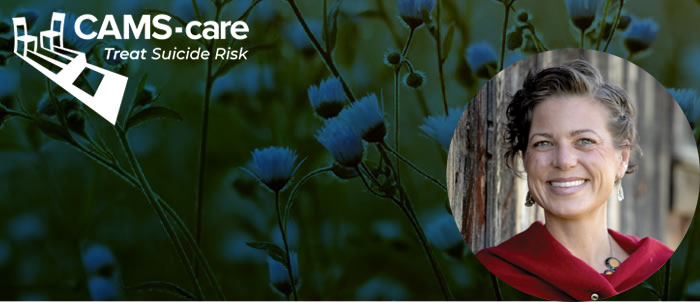
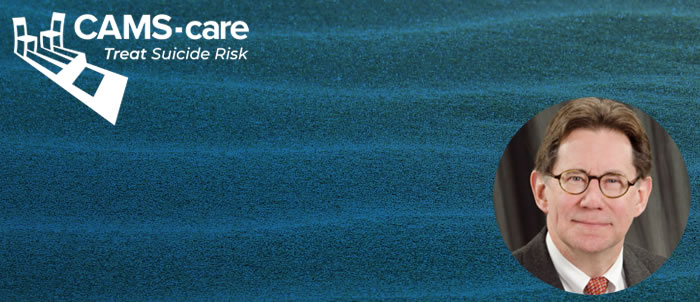
Dr. Craig J. Bryan, PsyD, ABPP

Dr. Craig J. Bryan, PsyD, ABPP, is a board-certified clinical psychologist in cognitive behavioral psychology. He is the Stress, Trauma, and Resilience (STAR) Professor of Psychiatry and Behavioral Health at The Ohio State University Wexner Medical Center, and is the Division Director for Recovery and Resilience. Dr. Bryan received his PsyD in clinical psychology in 2006 from Baylor University and completed his clinical psychology residency at the Wilford Hall Medical Center, Lackland Air Force Base, TX. Dr. Bryan deployed to Balad, Iraq, in 2009, where he served as the Director of the Traumatic Brain Injury Clinic at the Air Force Theater Hospital. He separated from active duty service shortly after his deployment, and started researching PTSD, suicidal behaviors and suicide prevention strategies, and psychological health and resiliency. He has held faculty appointments at the University of Texas Health San Antonio, the University of Utah, and The Ohio State University Wexner Medical Center, and has managed numerous federally-funded projects in excess of $30 million focused on testing treatments for reducing suicidal behaviors, developing innovative methods to identify and detect high-risk individuals, and facilitating recovery after trauma. Dr. Bryan has published hundreds of peer-reviewed scientific articles. His research has been funded by a wide range of agencies including the Department of Defense, the National Institutes of Health, the Boeing Company, and the Bob Woodruff Foundation, and has been featured in media outlets including Scientific American, CNN, Fox News, NPR, USA Today, the LA Times, the New York Times, and the Washington Post. Dr. Bryan has published over 200 scientific articles and multiple books including Brief Cognitive Behavioral Therapy for Suicide Prevention and Rethinking Suicide.

Dr. Bryan has served as the lead risk management consultant for the $25 million STRONG STAR Research Consortium and the $45 million Consortium to Alleviate PTSD, which investigates treatments for combat-related PTSD among military personnel. Dr. Bryan has served on the Board of Directors of the American Association for Suicidology, the Scientific Advisory Board for the Navy SEAL Foundation, and the Educational Advisory Board of the National Center for PTSD. He has served as a consultant to the Department of Defense, Department of Veterans Affairs, Federal Bureau of Prisons, Avera Health, and Aurora Health Care. For his contributions to mental health and suicide prevention, Dr. Bryan has received numerous awards and recognitions including the Arthur W. Melton Award for Early Career Achievement, the Peter J.N. Linnerooth National Service Award, and the Charles S. Gersoni Military Psychology Award from the American Psychological Association; and the Edwin S Shneidman Award for outstanding contributions to research in suicide from the American Association of Suicidology. He is an internationally recognized expert on suicide prevention, trauma, and resilience.

Watch the Recorded Webinar On-Demand

Enter your information to gain access.

  • This field is for validation purposes and should be left unchanged.
  • This field is hidden when viewing the form
  • This field is hidden when viewing the form
  • This field is hidden when viewing the form
  • This field is hidden when viewing the form
  • This field is hidden when viewing the form
  • This field is hidden when viewing the form

Telehealth: A Critical Tool for Treating Suicidal Risk On-Demand

Telehealth: A Critical Tool for Treating Suicidal Risk On-Demand Webinar

In this hour-long webinar, “Telehealth: A Critical Tool for Treating Suicidal Risk”. Dr. David Jobes, the creator of the Collaborative Assessment and Management of Suicidality, discusses the benefits of telehealth using evidenced based treatment. 15,000,000 adults and youth in the US struggle with serious thoughts of suicide. Thoughts matter and telehealth is a critical tool in working with this population.

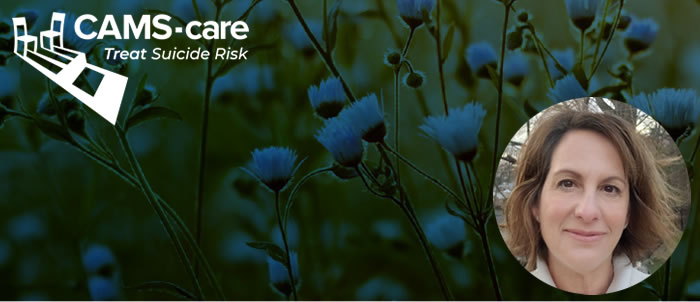
Hosted by Dr. Kevin Crowley, clinical psychologist, private practitioner and CAMS Consultant.

Watch the Recorded Webinar On-Demand

Enter your information to gain access.

  • This field is for validation purposes and should be left unchanged.
  • This field is hidden when viewing the form
  • This field is hidden when viewing the form
  • This field is hidden when viewing the form
  • This field is hidden when viewing the form
  • This field is hidden when viewing the form
  • This field is hidden when viewing the form

Lethal Means Safety and CAMS

It is interesting how ideas and constructs within suicide prevention that have been around for many years can rather suddenly become popular. For example, the notion of “lethal means safety” (LMS) has been around for as long as I have been in suicide prevention (which is now pushing 40 years).

We used to refer to LMS as “restricting access to lethal means,” but there was a sense that firearm owners might be sensitive to this language as a threat to their second amendment rights. And if there is one thing that is true in the world of suicide prevention, it is that words matter! The most striking example is “committing suicide,” which has now been banished within the field because of how it criminalizes the behavior (“die by suicide” is less stigmatizing). Indeed, recent LMS research has shown the referring to “firearms” is less off-putting to people who own them than the word “guns”—which is good to know! In any case, within contemporary legislation and policy, a particular emphasis on LMS has become red hot.

Understanding Lethal Means Safety

Simply stated, LMS broadly refers to any clinical, community-based, or policy-driven effort that literally blocks or hinders ready access to potentially lethal means that could be used in a suicide to end one’s life. The range of examples is extensive. In the United States, our #1 method choice is by firearm, and brilliant work has been done in recent years in this area by Mike Anestis at Rutgers, Kathy Barber and Matt Miller at Harvard, and Craig Bryan at Ohio State University. While it has been contentious, sincere efforts to engage the firearm community have led to some valuable shared perspectives that can be good for suicide prevention. But there are many other means, including hanging, jumping, drowning, helium “Exit Bags,” medications, razors/knives, carbon monoxide car exhaust, etc.

The Nuances of Lethal Means Interventions

Major population-level increases in suicides have been linked to certain lethal means. A decade ago, dramatic increases in female suicides in rural China were due to toxic pesticides. During the 1970s, Brits in the UK were using lethal coal gas fumes for suicides. These examples are well known because rather simple interventions that involved locking up pesticides and switching over to less toxic forms of coal directly reduced suicides in China and England, respectively.

Keith Hawton at Oxford did a clever study in the UK limiting daily access from pharmacies of over-the-counter pain-relievers and the use of blister packs that literally made it more difficult to gather a lethal dose (of the English equivalent to Tylenol) reduced overdose behaviors! My friend Konrad Michel in Switzerland has been the leader in the use of netting sites where people jump to their death.

During one family vacation, we visited a public park with Konrad at a palace in Bern where netting had been installed below a balcony of an infamous jumping location. Interestingly this net reduced suicide jumps to zero even though one can walk to the end of the balcony and jump off the side, but apparently, no one does this! So lethal means interventions do not have to be 100% foolproof; sometimes symbols of deterrence are quite effective.

Effective Lethal Means Safety Interventions

Within one early CAMS clinical trial, a patient lived in a group house where a loaded handgun was left on the dining room table for anyone that needed it! This was easily removed with the encouragement of the patient’s CAMS clinician. But then the patient had a prized knife collection and, when he became psychotic, he was tempted to stab himself in the eye (a rather gruesome method with uncertain lethality). He refused to surrender or give his beloved knives to another party for safekeeping.

Undeterred, the resourceful CAMS clinician bought him a metal box for his knives with a padlock and gave him the key. On top of his box was a taped copy of his CAMS Stabilization Plan. The patient was moved and grateful for this gift from his intrepid provider.

I once had a patient who almost jumped to her death but for a last-minute grab of her boyfriend (who I called to rescue her) as she started going over the railing. Following a two-week psychiatric hospitalization, we all agreed to have her life-saving boyfriend (who was a carpenter) build a wooden buttress to the sliding glass door to her balcony so she could not jump to her death.

Many of us who have seen suicidal patients over many years have countless stories of lethal means safety interventions that we have orchestrated that have made our patients immediately safer and less tempted by readily available lethal means. In my professional trainings, I often note that ready access to lethal means poses a “rival” approach to suicide-focused treatment for addressing the needs that underlie all potential suicides (e.g., unbearable suffering, isolation, financial ruin, etc.—what we call “drivers” within the CAMS Framework®). By removing temptation, the patient is more inclined to get needs met differently, more therapeutically, and the risk of suicide death decreased accordingly.

The CAMS Evidence-Based Approach to Lethal Means Safety

Within CAMS, lethal means safety is central to the evidence-based treatment framework. In fact, discussing access to lethal means is the first step in the CAMS Stabilization Plan. My friends Barbara Stanley and Greg Brown have developed the famous Safety Plan Intervention, which is a “first cousin” of the CAMS Stabilization Plan and Rudd and Bryan’s Crisis Response Plan. But in contrast to the CAMS Stabilization Plan, “Making the environment safe” is Step # 6 of the Safety Plan. The reason LMS is the first consideration of the CAMS Stabilization Plan is because of the differences between a one-shot Safety Plan Intervention and on-going treatment of suicidal risk, which is the emphasis in CAMS.

A common goal in “standard” CAMS is to keep a person who is suicidal out of the hospital if at all possible. In my view, the decision not to hospitalize a patient in CAMS is almost always rooted in the quality of the Stabilization Plan we are able to negotiate with the patient. If there is strong push back about lethal means, we may have no choice but to hospitalize. But if I can persuade a patient to surrender a stash of pills to their partner for safekeeping or convince another patient to use a cable lock on their firearm for the duration of our treatment, the need to hospitalize is often eliminated. We can then proceed in good faith to complete the balance of the CAMS Stabilization Plan, which focuses on different problem-solving techniques, who to contact in crisis, identifying people who will help decrease interpersonal isolation, and addressing potential barriers to receiving CAMS-guided care. CAMS Treatment® planning then concludes with a discussion of patient-defined drivers and how we plan to target and treat those problems and issues over the course of using CAMS. LMS is thus central to the CAMS Framework.

Unconventional Care Saves Lives

Several years ago, I was in the lab watching a digital recording of a CAMS session for fidelity purposes in our Army randomized controlled trial of CAMS. One of my favorite therapists in the study was working with a challenging case of a Soldier who had been repeatedly sexually assaulted. In turn, she kept a handgun in a side table drawer next to her bed for protection. However, her method for suicide would be to use this very firearm. She was emphatic that removing the gun was simply not negotiable because of the rapes she had endured—a definite therapeutic standoff!

The clinician thoughtfully considered the potential clinical standoff for a moment and then proposed the following: make a box to store the gun and to put a picture of the Soldier’s niece on the box as a reminder about why she should fight to live (her niece was her #1 Reason for Living on the SSF assessment). The Soldier readily agreed. I was worried, but the clinician felt confident in his intervention. In her next CAMS session, the patient brought in a work of art: a beautiful wooden box that she made in a shop with decoupaged images of the beloved niece! In my consultation with the provider, I pushed to swap-out the firearm with a taser, but the patient had zero interest in my helpful LMS suggestion! This remarkable woman responded beautifully to CAMS in 8 sessions.

In any final successful course of CAMS-guided care, there is a question about “what made the difference?” on the final outcome-disposition SSF. This Soldier, without hesitation, said, “CAMS showed me I could get my needs met without resorting to suicide…and you let me keep my gun!”

404 ERROR: Mistakes We Need to Stop Making in Suicidology On-Demand

Rates of death from heart disease, stroke, drunk driving, homicide, and other public health problems have fallen substantially. Yet, suicide deaths have not declined. Why is suicidology not doing better? In this webinar I suggest that we overvalue predicting suicide — so much so that we mistakenly treat prediction as synonymous with understanding and preventing suicide. In reality, highly accurate real-world prediction is a) neither sufficient nor necessary for suicide prevention, b) impossible to achieve, and c) an inappropriate basis for developing and validating suicide theory. These claims may sound counterintuitive, but they reflect common knowledge and practice in other fields of health and science. If we want to make progress, suicidology must correct these mistakes, and adjust suicide research and prevention efforts accordingly.

Dr. E. David Klonsky

About Dr. E. David Klonsky

E. David Klonsky, PhD, is Professor of Psychology at the University of British Columbia. He has more than 100 publications on suicide, self-injury, and related topics, and his contributions have been recognized by awards from the American Association of Suicidology, Association for Psychological Science, and Society of Clinical Psychology (APA). He is Past-President of the International Society for the Study of Self-injury, Associate Editor of Suicide and Life-Threatening Behavior, and has advised the American Psychiatric Association for DSM-5 and both the US and Canadian governments regarding suicide and self-injury prevention. In 2015 he published the Three-Step Theory (3ST) of suicide.

Watch the Recorded Webinar On-Demand

Enter your information to gain access.

  • This field is for validation purposes and should be left unchanged.
  • This field is hidden when viewing the form
  • This field is hidden when viewing the form
  • This field is hidden when viewing the form
  • This field is hidden when viewing the form
  • This field is hidden when viewing the form
  • This field is hidden when viewing the form

On-Demand: Providing Effective, Risk Managed Treatment for Potentially Suicidal Patients in Outpatient Private Practice

CAMS-care has partnered with The Trust and TrustPARMA to offer this free webinar as a way for psychologists to build awareness about using an evidence-based, suicide-focused treatment for suicidal patients. Our experts will explore the issues psychologists face and how to address licensing boards and angry clients. They’ll also look at the prevalence of suicidal ideation and why training more clinicians in evidence-based treatment is paramount to reducing the national suicide rate.

They’ll detail the magnitude of suicide rates in America, screening and assessment best practices to determine when to hospitalize a suicidal patient and the considerations for treating patients in an outpatient clinical setting. There will be an overview of evidence-based treatments (DBT, CT-SP, BCBT, and CAMS), systems of care, why psychologists will continue to play a vital role, using the Suicide Status Form (SSF) as a clinical roadmap, and much more.

Dr. Eric A. Harris

About Dr. Eric A. Harris

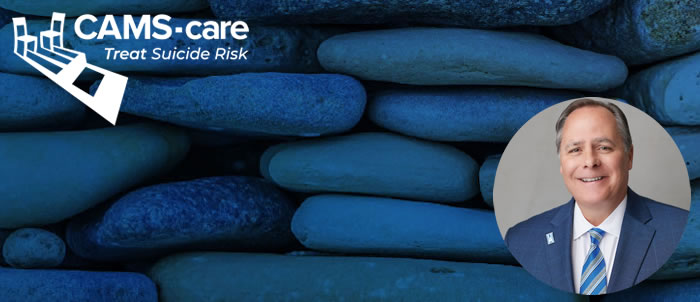
Dr. Harris is a licensed psychologist and attorney in Massachusetts. Dr. Harris received his J.D. from Harvard Law School and his Ed.D. in Clinical Psychology and Public Practice from the Harvard University School of Education. He was the initiator of the Trust risk management program in 1994 and has provided risk management services to Trust Insured since then.


Watch the Recorded Webinar On-Demand

Enter your information to gain access.

  • This field is for validation purposes and should be left unchanged.
  • This field is hidden when viewing the form
  • This field is hidden when viewing the form
  • This field is hidden when viewing the form
  • This field is hidden when viewing the form
  • This field is hidden when viewing the form
  • This field is hidden when viewing the form

First Randomized Trial of Ketamine for Youth Suicidality to Launch With NIH Support

The first randomized trial of ketamine combined with CAMS therapy is set to begin at the Cleveland Clinic in early 2021. This study will focus on reducing suicidality in adolescents and young adults. According to the researchers, “ketamine is effective in the short term, but the period of transition after discharge is very risky.” In this study, patients will be given acute medical therapy, as well as weekly CAMS sessions for long-term management. The goal is that by combining ketamine with CAMS therapy the patients will have the resources they need to take care and protect themselves against further suicide attempts.

Read the entire article from Consult QD: First Randomized Trial of Ketamine for Youth Suicidality to Launch With NIH Support

Adolescent Suicide Prevention On-Demand

Dr. Cheryl King shares her extensive expertise on youth suicide prevention. Highlights of her presentation center on risk factors for youth suicide, screening, and assessment. In addition, Dr. King discusses clinical prevention work including her YST approach.

Dr. Cheryl King

About Dr. Cheryl King

Cheryl King, Ph.D., ABPP, is a Professor in the Departments of Psychiatry and Psychology and Director of the Youth Depression and Suicide Prevention Program at the University of Michigan. Her research focuses on the development of evidence-based practices for suicide risk screening, assessment, and intervention. She has provided leadership for multiple NIMH-funded projects, including Emergency Department Screen for Teens at Risk for Suicide, 24-Hour Risk for Suicide Attempts in a National Cohort of Adolescents, the Youth-Nominated Support Team Intervention for Suicidal Adolescents, and Electronic Bridge to Mental Health for College Students. A clinical psychologist, educator, and research mentor, Dr. King has served as Director of Psychology Training and Chief Psychologist in the Department of Psychiatry and has twice received the Teacher of the Year Award in Child and Adolescent Psychiatry. She is the lead author of Teen Suicide Risk: A Practitioner Guide to Screening, Assessment, and Management. In addition, Dr. King has provided testimony in the U.S. Senate on youth suicide prevention and is a Past President of the American Association of Suicidology, the Association of Psychologists in Academic Health Centers, and the Society for Clinical Child and Adolescent Psychology. She is a current member of the National Advisory Mental Health Council.

Watch the Recorded Webinar On-Demand

Enter your information to gain access.

  • This field is for validation purposes and should be left unchanged.
  • This field is hidden when viewing the form
  • This field is hidden when viewing the form
  • This field is hidden when viewing the form
  • This field is hidden when viewing the form
  • This field is hidden when viewing the form
  • This field is hidden when viewing the form

Suicide and Older Adults: On-Demand

Suicide and Older Adults: On-Demand

Dr. Jobes and his special guest expert Dr. Yeates Conwell discuss suicide among older adults with an eye to research and evidence for effective approaches to its prevention.

The suicide rate among older adults is higher overall than at other points in the life course and poses particular challenges for prevention. Older adults take their own lives with high lethality of intent and utilize firearms more often than younger age groups. Suicide attempts are also less frequent and older adults less often express suicidal ideation than younger adults. While interventions must be aggressive in the actively suicidal older person, the lethality of suicidal behavior in older adults underscores the need for relatively greater emphasis on upstream preventive interventions.

In addition to access to deadly means, risk factors for completed suicide in later life can be characterized as “the 5 Ds”: demographic characteristics (male, older, unmarried), depression, disease (physical illness), disablement, and disconnectedness. Because older adults who take their own lives are more likely to be seen in primary care than mental health care settings, primary care-based integrated care models hold promise for reducing suicide in this age group. Social disconnectedness, which is made worse by the “social distancing” required by the coronavirus pandemic, is also a modifiable state for which community-based services and supports should be mobilized.

At the conclusion of this webinar, participants will understand the scope of the problem of suicide in older adults, factors that place older people at increased risk for suicide, and evidence for effective approaches to its prevention.

Dr. Yeates Conwell

About Dr. Yeates Conwell

Yeates Conwell, M.D. received his medical training at the University of Cincinnati and completed his Psychiatry Residency and a Fellowship in Geriatric Psychiatry at Yale University School of Medicine. He is now Professor of and Vice-Chair of Psychiatry, University of Rochester School of Medicine and Dentistry, where he is Director of the Geriatric Psychiatry Program and the UR Medical Center’s Office for Aging Research and Health Services, and Co-Director of the UR Center for the Study and Prevention of Suicide. In addition to teaching, clinical care, and service system development, Dr. Conwell directs an interdisciplinary program of research in aging, mental health services, and suicide prevention.

Watch the Recorded Webinar On-Demand

Enter your information to gain access.

  • This field is for validation purposes and should be left unchanged.
  • This field is hidden when viewing the form
  • This field is hidden when viewing the form
  • This field is hidden when viewing the form
  • This field is hidden when viewing the form
  • This field is hidden when viewing the form
  • This field is hidden when viewing the form

A Guide to Contextualizing the Reality of Systemic Racism and Black Suicidology – Part 3: Working with Suicidal Black Youth

On our journey of enlightenment and understanding the mechanisms of Black suicidality, we have explored the socio-historical context, current literature, and treatments available towards mental health care. By utilizing an intersectional lens, we began to unravel the complexities of systemic racism and how those processes influence and trigger suicidal behavior among Black Americans. It illustrates the erasure of methodology and treatment centered towards the Black experience within the U.S. Like a worn-out washing machine, it continues to perpetrate the cycle of institutionalized violence.

Now what? It is important to articulate the discourse around Black suicidology, but discourse by itself is an empty vessel. Even more relevant is the ability to apply knowledge to practice. In this final part of this series, we will conceptualize the implementation of effective treatment on suicidal Black youth, which has been alarmingly on the rise these past few years. Although we have been taken a macro analysis of Black suicide, I think it is important to center our lens towards the current crises: Black adolescents.1

Internal & External Risk Factors

As we have discussed in the previous parts of this series, there is a magnitude of risk factors that influence Black youth suicidality. I have compiled a list of internal and external risk factors that possibly influence suicidal behavior among Black adolescents:

  • A history of mental health disorders.
    Research suggests that Black children with a history of mental health disorders (i.e., depression, anxiety, ADHD, etc.) are at higher risk to die by suicide.2 Factoring the prevalence of misdiagnosis and underdiagnosis of Black mental disorders, these suggestions are alarming.
  • Bullying victimization.
    Black children raised in predominately White neighborhoods experience increased peer bullying, institutionalized racism, lower academic performance, and higher suspensions than their White counterparts.3 Trends show these children (ranging from school age to adolescence) use more lethal means such as suicide by hanging.
  • Lack of family/community cohesion.
    Within marginalized groups, family and community are important components of social survival. Family/community cohesion is the perception and inclusion of an individual within their identity groups, enabling a feeling of inclusion and the action of support. Sometimes these cohesive structures maybe broken due to social, economic, and other structural stressors. An individual that does not have family/community cohesion may exhibit feelings of isolation, burdensomeness, and hopelessness.
  • Inaccessibility to mental health services.
    Mental health services are often inaccessible to individuals who reside in low-income communities. Without the means to affordable and accessible care, suicidal behavior is not addressed or left unchecked.
  • Mental health stigma.
    The average person is not fully versed on the scientific and psychological understandings of mental health. There are numerous taboos and perceptions about suicide that may hinder treatment. Some religious, cultural, and social backgrounds may perceive suicidal behavior as a manifestation of “weakness” or “crazy-behavior”. These views help to stigmatize suicidal individuals.
  • Racial biases among mental health providers.
    As we have previously discussed, there has been a racialized bias, and even intentional mistreatment, of Black patients within the mental health field. This can be presented as the perception that Black people are so mentally and physically “strong” that suicide might not be a problem, or they have a higher threshold for the stressors that lead to suicidal behavior. This may lead to dismissal of an individual’s mental health needs.

Treating Black Youth Suicidality

While working with Black clients, I have established three main goals that I think are essential to the therapeutic process. These objectives can be implemented across your therapeutic style, whether CBT, psychoanalyses, or a mix-treatment. The aim is to build a foundation of trust between the client and the provider. The initial process of therapy should include the following steps:

  1. Identify Risk Factors.
    Address the core issues presented by your client. Suicidal behavior among Black youth is not isolated. In my opinion, it is a residual effect of environmental, social, genetic, and psychological stressors. It is like a puzzle piece, a small component of a larger picture. It is influenced by many other factors, and to effectively address suicidal behavior you must identify and acknowledge the risk factors that influence the client’s suicidality.
  2. Affirm Their Experiences.
    Affirming the client’s experiences is crucial because it provides it provides a safe space in the context of solidarity and helps to re-distribute the power dynamics in the relationship. Affirmation of the individual allows them to feel and experience a sense of control, while allowing the therapist to embrace empathy.
  3. Speak Truth to Power.
    There is power in words. In expression. Vocalization is the act of giving voice what is voiceless. It is providing the tools necessary for an individual’s enlightenment of self and the support system. This can be presented in the form of education through family/community engagement, client narrative writing (journaling), or a tool such as the CAMS the suicidal status form (SSF), which allows the therapist and client to note suicidal behavior through a collaborative exercise.

I try to implement these objectives in both my academic and clinical work. They can be generalized to every patient; however, I find that keeping these three objectives in mind helps me to provide a more holistic approach when working with Black adolescents.

Case Studies: Practicing the Identify-Affirm-Speak Method

Tiffany

Tiffany is six years old. She lives in the suburbs of Northern Virginia with her parents. She attends a predominately White primary school and is the only Black student in her classroom. Tiffany is often bullied by her peers due to her physical appearance. She is beginning to feel isolated from her classmates. Tiffany informs her teacher about the bullying. The teacher assures her that if she ignores the bullies, the bullying will stop.

The bullying does not stop. It continues and begins to affect her academic performance. Tiffany, a recently high achiever, has not been completing her assignments and is not engaged in class discussions. Her teacher remarks to her parents that Tiffany’s behavior has become detached and rude towards others. Tiffany’s mother has also noticed negative changes in her behavior. She labels Tiffany’s behavior as lazy and disrespectful.

Tiffany attempts to avoid school by stating she feels sick during the weekdays, and on the weekends, she sleeps the whole day. Tiffany also spends a lot of time on the computer. Her mother has discovered her recent search history includes “how to kill yourself” and “how to hang a rope”. Her parents have found a Black, female therapist in the region because they are worried about her wellbeing.

When providing therapy for Tiffany, the therapist might find it helpful to:

  1. Identify risk factors: Tiffany’s risk factors include a history of victimization/bullying by her peers. It is important for the therapist to recognize the racialized/gendered aspect of the discrimination. Tiffany is constantly being dismissed or negatively perceived by authority figures (her teacher and mother). This increases her feelings of isolation and withdrawal. She displays symptoms of depression and her exposure to the internet has provided her with information to make death by suicide a reality.
  2. Affirm her experience. Tiffany’s emotions and experiences are valid. It is important to affirm her experiences because she has been de-valued by her peers, authority figures, and parents. Providing affirmation will build the foundation to work together to create a plan to deal with the factors that influence her suicidality.
  3. Speak truth to her power. The therapist should work with Tiffany and her parents to establish a solid support system and establish health boundaries between the parent-child relationship and provide educational understanding of suicidal behavior. Increasing the parents’ comprehension may address the academic challenges as a cohesive unit. Finding positive outlets of expression may increase Tiffany’s vocalization of her emotions and experiences.

Omar

Omar is a thirteen-year-old who lives in the Bronx with his parents, who are working class and sometimes struggle with finances. Omar has always been perceived as “troubled”. Since a toddler, he has displayed emotional outburst whenever he is frustrated or annoyed. He struggles with academics and continues to display a lack of emotional regulation. When confronted by an authority figure, Omar erupts into explosive outbursts. His teachers classify his behavior as disruptive and aggressive, however he is viewed as a class clown by his classmates. Omar has an extensive history of suspensions and has recently been expelled from his current school due to a physical altercation with a teacher.

At the age of nine, Omar was diagnosed with Oppositional Defiant Disorder (ODD). Omar is very active on social media and follows a politically motivated group that shares information about police brutality and systemic racism in the NYC area. Omar shares with the group his negative experiences with “the system”. On these sites, Omar has been increasingly exposed to visual media of images of Black people being brutalized on camera. These images have psychologically impacted Omar and influence his feelings of isolation and trauma.

Omar has a history of hospitalization due to self-mutilation and suicide attempts. Recently, Omar has been hospitalized after threatening suicide with his father’s handgun. He has been referred by his social worker to a White, male therapist who specializes in suicidal behavior and multicultural therapy.

When providing therapy for Omar, the therapist might find it helpful to:

  1. Identify risk factors: Omar’s history with a mental disorder is something to be considered. However, it is important to be mindful of the delicate balance between providing treatment and safe space for the client. Analyze what you observe from the behavior and confront assumptions that may contribute to systematic biases. Omar’s history of self-mutilation and past suicide attempts are huge red flags. His increased exposure to social media and political engagement may increase his suicidal behavior if not moderated. His proximity to lethal means is also a consideration.
  2. Affirm his experiences. Omar’s therapist should internalize the complexities of Omar’s mental disorder and his subjective experience with racism, classism, and other oppressive categorizations. Individuals who experience mental disorders are not a monolith, so in treating Omar’s suicidal behavior, the therapist should affirm his subjective experiences. What might be presented as symptoms of a mental disorder could be symptoms of discrimination, and vice versa. These things can also be mutually inclusive. It is a complex and delicate balance that a professional needs to navigate. I think that to be effective, all possibilities must be affirmed with the client. The therapist might want to be mindful that while social media and political engagement can be therapeutic, past a certain threshold it can turn counterproductive and unhealthy. Omar’s methods of engagement and the possibility of social media burnout should also be discussed with him. Omar’s complicated history with authority figures should warn the therapist that this relationship must be more mutually inclusive and collaborative to function.
  3. Speak truth to his power. The therapist should work with Omar and his parents to better understand and discuss his mental health including his suicidal behavior. Omar is at a critical stage where he needs a cohesive support system. At this step, a focus is Omar’s emotional regulation and ability of expression. A plan should be created to implement safe spaces where Omar can freely acknowledge his emotional triggers and build confidence in expressing himself. Room should be provided to address the suicidal behavior. As the therapist continues to validate Omar’s experience, discussion can begin on self-care and de-escalation of engagement for Omar’s personal growth.

Tiffany and Omar are examples of the complexities of treating Black youth and express the importance of encompassing a critical theory lens when addressing suicidal behavior among minority groups. To address their suicidality a mental health provider should contextualize the social, cultural, and historical oppositions that they endure. This is their positionality within society. Identify their risk factors. Affirm their experiences. Speak truth to their power.

In Conclusion

There are numerous risk factors impacting the phenomena of suicidal behavior among Black adolescents in the U.S. These internal and external factors possibly underscore the undercurrent of institutionalized racism. Addressing the context of this marginalization may help build the therapeutic relationship between mental health providers and Black clients—extending to the larger Black community.

I appreciate your willingness to journey with me in this series through the complex dynamics of systemic racism and its impact on the suicidality of Black youth. These things are messy and uncomfortable. Yet we must sit with our discomfort and acknowledge the social-historical context of medical biases, racial civil unrest, and political engagement. If we can ask our clients to enter our spaces and share their personal experiences, then it is our responsibility to reciprocate, we can make a difference in this vulnerable population. The mental health of Black children depends on it.

Footnotes:

  1. https://www.apa.org/news/apa/2020/01/black-youth-suicide
  2. https://www.usatoday.com/story/news/education/2019/02/04/black-history-month-february-schools-ap-racism-civil-rights/2748790002/

About the Author

Tanisha Esperanza Jarvis M.A.

Tanisha Esperanza Jarvis M.A.
Tanisha Esperanza Jarvis received her B.A. in anthropology and sociology at Spelman College in 2015, where she also minored in Comparative Women’s Studies. While at Spelman, her research focused on integrating academia and social justice. As a Bonner Scholar and Social Justice Fellow her research work included preventative and interventional treatment of sexual trauma and LGBTQ and racial/ethnic minority research. She finished her M.A. in psychological sciences from The Catholic University of America (CUA) in 2019. Her research within the Suicide Prevention Lab (SPL) focused on integrating an international approach to CAMS research and treatment of suicidality within marginalized communities.

About Tanisha Esperanza Jarvis M.A.

Tanisha Esperanza Jarvis M.A.
Tanisha Esperanza Jarvis received her B.A. in anthropology and sociology at Spelman College in 2015, where she also minored in Comparative Women’s Studies. While at Spelman, her research focused on integrating academia and social justice. As a Bonner Scholar and Social Justice Fellow her research work included preventative and interventional treatment of sexual trauma and LGBTQ and racial/ethnic minority research. She finished her M.A. in psychological sciences from The Catholic University of America (CUA) in 2019. Her research within the Suicide Prevention Lab (SPL) focused on integrating an international approach to CAMS research and treatment of suicidality within marginalized communities.

A Guide to Contextualizing the Reality of Systemic Racism and Black Suicidology – Part 2: Current Research and Treatments

In Part 1 of this series, we discussed the complex political and historical context of social unrest that influences the growing rates of Black youth suicide. We addressed how systemic racism is an umbrella under which the conditions of Black suicidology, high COVID-19 mortality rates for African Americans, and the current protest against police brutality are interconnected. In conclusion, we highlighted the importance of dismantling marginalization within the mental health system. In this second part of this three-part series, we will examine the current research and evidence-based treatments that address Black suicidology.

In general, death by suicide within the U.S. has continued to significantly increase.1 When examining suicidal patterns by race/ethnicity, suicide rates are lower among African Americans. However, when we take a closer look, suicide among Black adolescents is increasing at an alarming rate.2 The matter of concern is so disturbing that in 2018 a taskforce was pioneered by Representative Bonnie Watson Coleman (D-NJ) and leading experts engineered a bill that will help combat political and mental health factors that influence Black youth suicidology. H.R. 5469: Pursing Equity in Mental Health Act of 2019 has been introduced to the House and referred to the subcommittee of Health. The main objectives of the bill are as follows:

  1. strengthen school-based mental health resources for children and teens,
  2. provide mental health awareness to minorities through community outreach,
  3. address racial and ethnic minority gaps in research, and
  4. address racial disparities in mental health treatment.3

It is immensely important for mental health providers to contextualize the growing trend of suicide among Black adolescents, which does not only encompass suicide, but also factors in self-harm, suicidal ideation, and hospitalization. As we take a comprehensive snapshot of Black suicidology, systematic patterns of marginalization, biases, and inadequacies emerge that contribute to systemic racism.

As I have noted in Part 1, we cannot address Black suicidology without addressing the whole system. The influences of generational poverty, employment biases, housing segregation, environmental racism, and academic disparities play a crucial part in the efficacy of treatment directed at Black communities.

Research on Black Suicidology

Throughout human history, people have been intrigued by the nuances of psychology, including suicidal behavior. The contemporary written literature begins around the late 19th century. Sociologist Émile Durkheim was among the early suicidologists who published his theories. Durkheim theorized suicide as an outcome of social isolation rather than a psychological disfunction.4 Durkheim’s research, primarily a European, male-focused sample, conceptualized suicide as an act exerted by the forces of external factors. This approach neglected the understanding of internal, individualistic behaviors that factor into suicide.

As we transition to more contemporary theories, the paradigm shifts to a greater collective comprehension of individualized behavior. Psychiatrist Aaron Beck centers cognitive behavior within suicidology. He interprets suicide within the framework that individuals with higher degrees of hopelessness—an emotional state referring to negative perceptions of oneself and/or positionality—are tied to more lethal means of suicidality.5 Cognitive Behavioral Therapy (CBT) was created by Beck to treat suicidal clients using a technique that modifies cognitive process. In comparison to Durkheim, Beck’s theory of suicide does address the emotional difficulties linked to psychological disturbances within cognition.

The interpersonal theory of suicide, coined by psychologist Thomas Joiner, conceptualizes suicidal behavior as a complex mental health problem induced by external and internal conflicts, specifically the correlation of:

  1. thwarted belongingness—the psychological necessity of connectedness,
  2. perceived burdensomeness—feelings of exclusion from one’s social group(s), and
  3. capability for suicide—the accessibility to lethal means, increases the desirability for suicide.6

The study of suicide is interdisciplinary and has an extensive philosophical history. However, the magnitude of theory has provided a European, patriarchal lens that centers Whiteness as the default subject. While suicide has been considered a White male problem, the patterns we currently observe stress the importance of integrating the “other”. While we understand that racial/ethnic differences are not attributable to psychological or cognitive differences, social and cultural differences may impact a client’s suicidality.

There is limited literature/research on the phenomenon of African American suicidality. However, suicide research is beginning to be diversified due to the growing attention to Black youth suicide centralized by Black researchers, lawmakers, and mental health professionals.

Another factor in the discrepancies of suicidal research among Black participants is the communal distrust of the mental health field. African Americans, and other minority groups, have historically been subject to unethical, inhumane experiments ranging from scientific racism that naturalizes the inferiority of Black people to forced sterilization. 7,8 In the current state, it is comprehensible and valid that these communities may hesitate to participate in modern research.

Suicide research has contributed to the marginalization of suicidal Black clients by neglecting to examine the complex and unique social/cultural factors that impact Black people experiences. In addition, minorities might be hesitant to participant in studies due to the historical centering of racism within mental health.9

In addressing these concerns, here are a few things to keep in mind when conducting research:

  1. Re-valuate the Research Question.
    If your objective is to study a diverse sample, check that the research question(s) reflects that purpose.
  2. Expand Recruitment Techniques.
    While recruiting participants from university settings (i.e., college campuses, university hospitals) are possibly more convenient, these settings may not be helpful in collecting a more diversified sample. If applicable, think about networking directly with local community clinics, non-profits, religious institutes, and organizations. These groups tend to be the pillars of community engagement and trust.
  3. Integrate Diversity among Researchers.
    Diversifying the scientific community is equally important as including minority participants in research efforts. Providing diversity inclusion within academia is not merely an act of diversity for the sake of diversity, rather providing opportunities for people of color to share their expertise with other professionals within leadership roles.
  4. Highlight the Importance of Research.
    Sometimes scientific jargon is dense, and to the non-scientist can be intimidating. If applicable, highlighting the importance of your study to the participants may be helpful in bridging the trust divide. What is the big picture? Why is this important? Adding the individual, community, and social importance of research integrates a humanistic approach to science.

Treatments for Black Suicidology

In this section, we will discuss the efficacy of two main evidence-based treatments that have been shown to efficiently treat suicidal behavior: CBT and Dialectical Behavioral Therapy (DBT). We will also examine relevance of CAMS as a therapeutic framework in treating Black suicidology.

Cognitive Behavioral Therapy (CBT)
As a cognitive-centered intervention CBT focuses on modifying the mental processes that influence suicidal thoughts. Fundamentally, at its core, CBT is a behavioral modification technique.10 CBT training that directly addresses suicidal cognitions and behaviors have shown to be very effective in treating suicidal clients.11 There is limited information on the efficacy of CBT treatment specific to Black suicidal behavior. The available empirical findings concentrate on depressive disorders, post-traumatic stress disorder (PTSD), and substance abuse. The findings show a mixture of support on integrating multicultural specific interventions.11

Dialectical Behavioral Therapy (DBT)
Dr. Marsha M. Lineman, designed DBT as an evidence-based practice to treat chronically suicidal clients. An off shoot of CBT, DBT is a mindful-based, behavior modifying treatment that centers the client-therapist relationship to alter processes such as emotional regulation and build coping mechanisms.13 DBT has shifted to primarily treat Borderline Personality Disorder (BPD). While there are a multitude of research that supports the efficacy of DBT with BPD clients that express suicidal behavior, the limited literature that discusses African Americans, centers on Black adolescent males diagnosed with Conduct Disorder or display aggressive tendencies.14, 15

The Collaborative Assessment and Management of Suicidality (CAMS)
CAMS is a therapeutic framework that centers on a collaborative, client-focused approach to treating suicidal clients. It is administered with other treatments, and research supports its validity in supplementing suicide-related therapy.16 Research indicates that CAMS has significant potential in multicultural clients, though the efficacy of CAMS Treatment™ on African American suicidology is limited.17

There are a handful of evidence based, suicide-focused treatments. CBT and DBT appear to be highly beneficial to suicidal clients due to their direct modification of suicidal thoughts. The inclusion of client-centered therapeutic frameworks may contribute to increasing support for minority clients. There is a balancing act between sticking to the foundation of these therapies and integrating multicultural awareness.

Based on these possibilities, here are few suggestions to consider when treating Black clients:

  1. Provide Affordable & Accessible Treatment.
    There are not enough treatments accessible and affordable to low-income, disadvantaged communities. Some reasons for this deficiency are due to factors outside of the mental health field. However, they can be addressed through the client-therapist relationship.
  2. Acknowledge Cultural Differences.
    It is essential within the client-therapist relationship to acknowledge the cultural and social disparities that influence the client’s suicidal behavior. As the mental health provider, it is important to not dismiss or ignore their concerns.
  3. Affirm: The Client is the Expert on their Experiences.
    My key ideology when addressing clients is to affirm the expertise of the client. Affirming that their experience is valid is crucial in building trust and rapport.
  4. Establish Space for Black Mental Health Providers.
    As in research, creating a diverse workforce of mental health providers should be normalized. Black therapists are situated in a unique space where they might have an insider understanding on the complex challenges of treating suicide within Black communities.

Conclusion

The study of suicide and suicidal behavior has an extensive history, yet there is a limitation on the understanding of impacts on Black clients. Whiteness has played a central role in our understanding of suicide, but current research illustrates an alarming uptake in suicidal behavior by Black children and teens. In strengthening research and treatment, we must consider our clients’ experiences and the impact of systemic racism on institutions.

In Part 1, we analyzed the context of systemic racism and its psychological toll on Black consciousness. In this Part 2, we reviewed current research and treatment centered on Black suicidology. Now what?  In the comprehensive conclusion to this series, we will address where we go from here with an in-depth look at the necessary measures needed to strengthen treatment for suicidal Black youth.

  1. https://www.cdc.gov/nchs/data/databriefs/db330-h.pdf
  2. https://www.nyu.edu/about/news-publications/news/2019/december/BlackYouthSuicideRatesRising.html
  3. Suicide by Émile Durkheim
  4. https://www.ncbi.nlm.nih.gov/books/NBK223847/
  5. Why do People Die by Suicide by Thomas Joiner
  6. Medical Apartheid by Harriet A. Washington
  7. https://www.smithsonianmag.com/science-nature/disturbing-resilience-scientific-racism-180972243/
  8. Eliminating Race-Based Mental Health Disparities by Dr. Monnica Williams, Dr. Daniel Rosen, & Dr. Johnathan Kanter
  9. https://beckinstitute.org/get-informed/what-is-cognitive-therapy/
  10. https://www.ncbi.nlm.nih.gov/pmc/articles/PMC4780394/
  11. https://www.ncbi.nlm.nih.gov/pmc/articles/PMC4547560/
  12. https://www.dbtselfhelp.com/DBTinaNutshell.pdf
  13. https://www.sciencedirect.com/science/article/abs/pii/S1359178914000147
  14. https://psycnet.apa.org/fulltext/2014-49443-001.html
  15. Managing Suicidal Risk: A Collaborative Approach by David A. Jobes
  16. Choi, J.L., Rogers, J.R., & Werth Jr, J.L. (2009). Suicide risk assessment with asian american college students: A culturally informed perspective. The Counseling Psychologist, 37, 186-218.

About the Author

Tanisha Esperanza Jarvis M.A.

Tanisha Esperanza Jarvis M.A.
Tanisha Esperanza Jarvis received her B.A. in anthropology and sociology at Spelman College in 2015, where she also minored in Comparative Women’s Studies. While at Spelman, her research focused on integrating academia and social justice. As a Bonner Scholar and Social Justice Fellow her research work included preventative and interventional treatment of sexual trauma and LGBTQ and racial/ethnic minority research. She finished her M.A. in psychological sciences from The Catholic University of America (CUA) in 2019. Her research within the Suicide Prevention Lab (SPL) focused on integrating an international approach to CAMS research and treatment of suicidality within marginalized communities.

About Tanisha Esperanza Jarvis M.A.

Tanisha Esperanza Jarvis M.A.
Tanisha Esperanza Jarvis received her B.A. in anthropology and sociology at Spelman College in 2015, where she also minored in Comparative Women’s Studies. While at Spelman, her research focused on integrating academia and social justice. As a Bonner Scholar and Social Justice Fellow her research work included preventative and interventional treatment of sexual trauma and LGBTQ and racial/ethnic minority research. She finished her M.A. in psychological sciences from The Catholic University of America (CUA) in 2019. Her research within the Suicide Prevention Lab (SPL) focused on integrating an international approach to CAMS research and treatment of suicidality within marginalized communities.