What Future? How People Who Are Suicidal Look Beyond the Present Moment

What future? How People Who Are Suicidal Look Beyond The Present Moment On-Demand Webinar

The consideration of suicide involves the contemplation of not only death, but also of life and what it can offer. This presentation explores cognitive underpinnings of life-oriented thoughts, with a particular focus on how people who are suicidal envision their future. Dr. Cha will introduce various ways to assess future thinking among individuals who are suicidal, and present an emerging profile of future thinking abilities that are characteristic of this population.

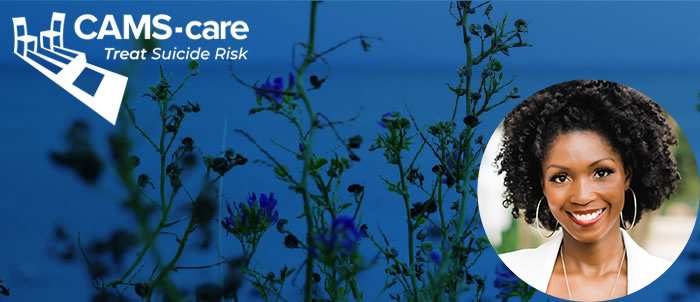
Christine Cha, PhD

About Christine Cha, PhD

Dr. Christine Cha is an Associate Professor of Clinical Psychology at Teachers College, Columbia University, and Director of the Laboratory for Clinical and Developmental Studies. Her research focuses on thought patterns that may contribute to suicidal thoughts and behaviors, and pertain to concepts proximal to suicide (e.g., death) as well as alternatives to suicide (e.g., future). Dr. Cha’s work has been funded by the American Foundation for Suicide Prevention and the National Institute of Mental Health (NIMH). She serves on the editorial boards of the Journal of Clinical Child and Adolescent Psychology, Journal of Abnormal Psychology, and General Hospital Psychiatry, and has received the Rising Star Award from the Association for Psychological Science.

Watch the Recorded Webinar On-Demand

Enter your information to gain access.

  • This field is for validation purposes and should be left unchanged.
  • This field is hidden when viewing the form
  • This field is hidden when viewing the form
  • This field is hidden when viewing the form
  • This field is hidden when viewing the form
  • This field is hidden when viewing the form
  • This field is hidden when viewing the form

Cultivating Perspectives | Managing Suicidal Risk, 3rd Edition

Over decades of teaching clinical psychology Ph.D. students in graduate courses on clinical assessment, treatment, and theory, one inevitably develops certain adages. One of my favorites that is central to successful psychotherapy is the “cultivation of perspective.” In other words, successful psychological care invariably includes a series of shifts in perspective in relation to how the patient thinks and feels which shapes and guides behavior over time. While this notion is central to effective psychological transformation, I also find it relevant to writing books.

The 3rd and Final Edition of Managing Suicidal Risk

A couple of weeks ago, I submitted the 3rd edition manuscript of Managing Suicidal Risk: A Collaborative Approach, which is now going into production to be published by Guilford Press in 2023. This is the final edition of a series for the source book on the Collaborative Assessment and Management of Suicidality (CAMS). With this newest edition, I’ve now written seven books on suicide prevention & treatment, and may continue to write more in the future. But this 3rd edition is special and feels like a fitting end of a 30+ year journey. With four ongoing randomized controlled trials (RCTs) underway and new trials in the works, there will be more journal articles and book chapters about CAMS. But for me, the 3rd edition feels like a final concluding paragraph to a story that I have been writing across the course of my professional life. Completion of this manuscript also marks the end of a yearlong sabbatical from my “day job” as a university professor. I can attest that sabbatical leave is one of the single greatest perks within academic life. As a university professor one is always immersed in the ebb and flow of ideas, data, theories, and constantly shifting perspectives—these are the stock and trade of a scholar’s life. So, to step away from that life to immerse oneself in a singular focused year of reading, researching, and writing is a meaningful alternative reality. As this sabbatical concludes, I am awash in musings about life, death, suicide, hope, hopelessness, purpose, meaning, and what ultimately makes life worth living during these trying times in the world.

The History Behind the First Edition of Managing Suicidal Risk

In 2004 I was elated to land a contract to write the first edition of my book with Guilford. In those days, my SSF clinical research and the nascent development of CAMS was garnering some attention. I was thus eager to promote key CAMS ideas that were novel and controversial in some quarters at the time. For example, the overt goal within CAMS to keep a patient who is suicidal, out of the hospital was not a widely embraced idea. The idea of making suicide the singular focus of clinical care (no matter the diagnosis) was greeted with wary skepticism. Eschewing the use of no-harm contracts in lieu of focusing on stabilization was only beginning to gain some traction in the field at that time. My research mentor, Marsha Linehan, was dismayed that I wanted to write a book before I had definitive randomized controlled trial (RCT) support for CAMS. While there were articles about the assessment aspects of the SSF, there was only one modest non-randomized controlled comparison trial of CAMS with U.S. Airmen who were suicidal. While the data was encouraging, Marsha flatly reproached me, “…you’re jumping the gun, get some RCT data and then write your book!” On the heels of being admonished by Marsha, I reached out to Ed Shneidman—another seminal influence—who was extremely enthusiastic about the prospect of my writing the first book, and instantly offered to pen the foreword to the first edition. For the record, Ed was always keen about the writing of books! In fairness to my friend Marsha, she would have been right had I only written the first edition. But I argued that I could write about the work to date while also pursuing future CAMS RCTs. Marsha saw my point and was extremely supportive of all my efforts to fully test CAMS with grant funded RCTs. Notably, she readily agreed to write the foreword to the 2nd edition of the book published in 2016, remarking on the importance of two published RCTs of CAMS at that time.

The Evolution of CAMS

The 2006 first edition of the book was frankly my version of a “hard sell” for what CAMS could become, largely based on the strength of our SSF assessment research. And while there are still those who mistakenly think of CAMS as a mere assessment tool (focusing on the first page of the SSF’s first session), I’m only too happy to dispel the misconception. I am regularly encouraging people to catch up to the 2nd edition which presented CAMS as a major clinical intervention focused on identifying, targeting, and treating patient-defined “drivers” of suicide. The 2nd edition therefore made a strong case for CAMS being seen as a suicide-focused therapeutic framework increasingly supported by the burgeoning RCT support in the U.S. and abroad. As of this blog’s writing in June 2022, there are now ten published open/correlational trials and five published RCTs. Importantly, a 9-study meta-analysis of CAMS published 2021 marked a watershed moment in the development and empirical support of CAMS. There are two supportive CAMS RCTs now under review for publication, and four more rigorous CAMS RCT’s are ongoing. Needless to say, I took Marsha’s feedback to heart! Moreover, I would say in hindsight that writing that first edition clearly spurred interest in the approach and poured fuel on the fire of CAMS clinical trials by my lab and other investigators.

Perseverance and the importance of Clinical Trial Investigations

I share this not as a self-congratulatory exercise but as a testament to both perseverance and the importance of clinical trial investigations. At 63 I feel blessed to have had such success raising CAMS from its infancy, and nurturing and parenting it into what it has become today. For me, this work has always been first and foremost about the patients and their clinicians. Beyond this clear priority, the importance of scientifically proving that CAMS works has always been paramount. What we now know from clinical trial data is gratifying; in 6-8 sessions CAMS reliably shifts the patient’s perspective on suicide, creating a different way to think and feel about it, and experience life anew. The single biggest effect-size from the CAMS meta-analysis is the fact that CAMS significantly decreases hopelessness while significantly increasing hope (compared to control treatments). CAMS also reliably reduces overall symptom distress across clinical trials. In other words, CAMS does not necessarily eradicate every vestige of suicidality. Instead the data show that CAMS helps make the patient’s suicidal thoughts and feelings more manageable which makes them more behaviorally stable while it opens the door to consider life in a different way. When this occurs, it is a profound clinical achievement that clearly decreases suffering and can help save lives as well.

3rd Edition Highlights

Given all that has happened over the past 25 years, writing the 3rd edition has been a joy. I am delighted to have Thomas Joiner writing the foreword and it is a pleasure to report out what we now know about CAMS—how it works and what it does. The forthcoming SSF-5 has a few tweaks but much of it remains unchanged because of the extant empirical support it has garnered. One tweak is moving from an overall judgment of risk (mild, moderate, high) to a new clinical judgment related to concern about the patient’s relative stability (none, mild, moderate, serious, and extreme). There is a new Stabilization Support Plan (SSP) that can be used with significant others that complements the patient’s CAMS Stabilization Plan. There is further consideration of CAMS driver-oriented treatment planning and a major revision of the optional use of the CAMS Therapeutic Worksheet. There is further exploration of a “post-suicidal life” and a new optional Living Status Form (LSF) that completely mirrors the first page SSF used in the first session for successful CAMS outcomes. These are but a few highlights of the 3rd edition that includes an update of the clinical research literature, particularly the ever increasing CAMS-related studies.

Research is Hard, Expensive, & Endlessly Challenging

As I now reflect on the perspectives I have cultivated in writing the 3rd edition over the last year, a few observations surface. First, I am fortunate to have known Ed Shneidman, Bob Litman, Norm Farberow, and Jerry Motto—our founding fathers—who each influenced me deeply. The early support of Lanny Berman and giants in the field including Aaron Beck, Marsha Linehan, and Don Meichenbaum has been immeasurable. Second, there is nothing quite like clinical trial research. Studying a suicide-focused treatment is frankly harrowing; it is hard to do, expensive, risky, and endlessly challenging. Each study is a gamble; results do not always turn out as we would hope. Yet we always learn and find new ways to persevere based on what we find. And third, writing a series of books is a hell of a way to develop, support, and promote a new clinical intervention. Across three editions I have learned so much, and I have done my level best to translate that learning into helping patients who suffer and their providers who struggle to care.

The Cultivation of Wisdom

As I return to the classroom this fall, I will be heading into my final lap of my long academic run. Another seven years—one more blessed sabbatical—and then a transition into emeritus life and a well-earned retirement (God willing). Given the aches and pains, and various affronts of getting older, there are still certain virtues of becoming senior within our youth-obsessed culture. Among the virtues that rise to the top for me is: wisdom. In my view, wisdom is a remarkably underappreciated construct. In terms of perspective, wisdom is a pinnacle attainment within the pursuit of perspective-cultivation. Wisdom only comes with experience and the accrual of time; it is the operational culmination of an amassed perspective that is reflected in finely-tuning sound judgment. Wisdom is something that is best shared in a focused and measured way, always with a sense of patience and an experience-informed sense of timing. It often involves listening more and speaking less. But when words of wisdom are rendered, such words can carry the gravitas of a well-earned and valuable informed perspective. Simply stated, wisdom is cultivated perspective, par excellence! Having meaningful work, great love, and playing hard and well over the years all seem to contribute to an overall accumulation of experiential wealth that can directly inform one’s perspective and one’s sense of hard-earned wisdom. And apparently writing a few books along the way seems to help too! But for my part, with the time I have left, I will endeavor to listen more and speak less and endeavor to make my words count for the greater good.

“It’s Not About the Nail”: confession of a problem-solver

When I was initially being trained to be a Suicide Prevention Call Specialist, I found it difficult to not jump right into problem-solving with the Caller. My law school education and professional experience as an attorney immediately triggered a need to identify the underlying problem and solve it. I struggled with simply listening to the Caller’s challenges and not offering ideas to “fix” them.

I was fortunate to have an in-house expert help me with this. Dave suggested I watch a short YouTube video (1 min 41 seconds) that was popular in 2013, called “It’s Not About the Nail”. It uses comedy and an outrageous demonstration to convey how “problem solvers” can be distracted by “fixable” problems, and as such, miss or ignore the pain and frustration of the person they are talking to.

I am not sharing this to make light of anyone struggling with mental health issues, but as a resource to “problem-solvers” like myself who find it hard to grasp that our problem-solving skills are not always helpful. If you choose to watch it, I hope you find it as eye-opening as I did.

It’s Not About the Nail

Colleen Kelly Jobes
Former Suicide Prevention LifeLine Call Specialist
Loss Survivor

Why do Black Males Consider Suicide?

Why do Black Males Consider Suicide? On-Demand Webinar

Suicidologists have focused on the quality and reproducibility of the science of why people die by suicide. Dr. Sean Joe, a social work scientist, highlights the emerging science on suicidal behavior among Black Americans, calling attention to important roles of sex and age that reflect not only differences in etiology, but also other important variations in relation to risk, the nature of suicidal behavior and its prevention and practice with Black boys and young men.

Dr. Sean Joe, PhD, MSW

About Dr. Sean Joe, PhD, MSW

Dr. Joe is a nationally recognized scholar on suicidal behavior among Black Americans, particularly regarding the role of firearms as a risk factor and is expanding the evidence base for effective practice with Black boys and young men. His research focuses on Black adolescents’ mental health service use patterns, epidemiology and prevention of Black suicidal behavior, and family-based interventions to prevent urban Black American adolescent males from engaging in multiple forms of self-destructive behaviors.

Dr. Joe is the President of the Society for Social Work and Research (SSWR), whose members represent more than 200 universities and institutions, 45 states in the United States as well as from 15 countries. SSWR advances, disseminates, and translates research that addresses issues of social work practice and policy and promotes a diverse, just, and equitable society. Dr. Joe is a Fellow of the American Academy of Social Work and Social Welfare, the Society for Social Work and Research, and New York Academy of Medicine. He serves on the Steering Committee of the national Suicide Prevention Resource Center (SPRC), Standards, Training and Practices Committee of the National Suicide Prevention Lifeline, and the Scientific Advisory Board of the American Foundation for Suicide Prevention.

As founding Director of the Race and Opportunity Lab, which examines race, opportunity, and social mobility with an emphasis on informing policies, interventions, and intra-professional practice to lessen ethnic inequality in adolescents’ healthy transition to adulthood. The lab leading community science project is HomeGrown STL, which is a multi-systemic placed-based capacity building intervention to enhance upward mobility opportunities and health of Black males ages 12-29 years in the St. Louis region. His epistemological work focuses on the concept of race in medical and social sciences.

Watch the Recorded Webinar On-Demand

Enter your information to gain access.

  • This field is for validation purposes and should be left unchanged.
  • This field is hidden when viewing the form
  • This field is hidden when viewing the form
  • This field is hidden when viewing the form
  • This field is hidden when viewing the form
  • This field is hidden when viewing the form
  • This field is hidden when viewing the form

Suicide Status Form Intake: Integrating a Culturally Informed Interview Process

What is the Suicide Status Form?

The Suicide Status Form (SSF) is part of the Collaborative Assessment and Management of Suicidality (CAMS) completed in conjunction with the client’s sessions. This form helps assess the client, acquire suicidal behavior history, and create an individualized treatment plan. The Suicide Status Form is 1) a tool to integrate the client as an active participant in the therapeutic process and 2) a guide to creating a comprehensive suicide prevention model for the client-clinician.

The initial intake session provides the foundation, developing trust and engagement. For minority clients, the intake can be an intimidating process due to increased exposure to systemic disparities, mental health biases, and marginalization.1 The effectiveness of the SSF is found within its collaborative approach.2 Efficacious and valid treatment for marginalized clients centers client-focused and culturally informed treatment.3 This article is a comprehensive guide to formulating culturally informed questions and feedback during the interview process.

Section A of the Suicide Status Form: Psychological Assessment

Section A of the Suicide Status Form is an assessment of the client’s current suicidal behavior. This section is the baseline of the clinician-client relationship and guides the outcome of the intake. In this section, the client is directly involved in the response of the assessment, while the clinician guides the client. The collaborative approach establishes client autonomy, intimacy, and vulnerability between the clinician-client. Provided below are suggestions for culturally informed questions and feedback for Section A of the SSF:

  • Rate Psychological Pain

    In my experience working with minority clients, the question of “psychological pain” can be difficult to answer. This is potentially due to the stigma of openly talking about suicidal behavior.4 It helps to reframe the discussion as one about physical pain, which then directs the conversation toward disclosing suicidal thoughts.

    “When you begin feeling like hurting yourself, can you share with me where on your body you feel that pain most?”

  • Rate Stress

    Stress can result from both internal and external factors. It can also result from structural factors such as systemic and institutionalized disparities.5 Establishing an interview process which acknowledges the multiple factors of stress on the client’s mental health supports an effective, individualized treatment plan.

    “I acknowledge that there are external stressors and situations that might impact your suicidal behavior. I would like you to know as we proceed with treatment that this is a safe space for you to share those stressors with me, without judgement”.

  • Rate Self-Hate

    See above. As the client measures self-hate, it is suggested to frame the conversation by acknowledging both internal and external factors.

  • Thoughts and Feelings about Suicidal Behavior

    It is important to consider that clients from underserved populations may have a history of experiencing stigmatization and other disparities during previous encounters with mental health providers.6 This may present itself in the form of distrust, lack of engagement, and discomfort with the therapeutic process. In reducing these responses, the provider can discuss the procedures of disclosure and confidentiality to re-affirm trust with the client.

    “We are beginning to discuss more about your suicidal thoughts. This means we are going to talk about what makes you feel suicidal. Before we go any further, do you have any questions about the process?”

  • Reasons to Live; Reasons to Die

    For some cultures, openly discussing suicidal thoughts is taboo. The reasons for these taboos range from beliefs of “keeping things in the family” to limitations with psychoeducation. This section is an intentional approach in comprehending the cultural, social, and individual factors that impact the client’s suicidality. For some clients, this is expressed in community and family being a protective and/or risk factor for suicidal behavior. The family/community might be a support system, but also can represent stressors to the client. Discussing these dynamics with the client will be helpful in future sections of the SSF.

    “Thank you for sharing your experiences with me. I can understand this process has been very difficult, and I thank you for being open to the process. We are going to move at your pace, so if you need a moment, we can take a break. I am here to support you, and sharing how you feel is valid.”

Section B: History of Suicidal Behavior

This section of the Suicide Status Form is where the clinician and client discuss the client’s history of suicidal behavior. This section also details the history of physical and mental health, as well as interpersonal and socio-economic factors that may influence a client’s suicidality. The responses to this section will influence the treatment plan in Section C. Provided below are suggestions for culturally informed questions and feedback for Section B of the SSF:

  • Reliving and discussing these factors might be traumatic to the client. Continuing to re-affirm and validate the client’s openness is beneficial.
  • Burden to Others. Help-seeking behavior is reduced in racial minorities due to a multitude of factors, such as sense of burden on their family/community, fear of the mental health system, and experiences with discrimination.7
  • History of Legal/Financial Issues. When discussing a client’s socioeconomic status, consider that financial stressors may impact a client’s ability to receive mental health support or contribute as a risk factor. Discussing the financial stressors of therapy is important in reducing overall stressors.

Section C: Treatment and Stabilization Plan

Following the responses from Section A and B, Section C of the Suicide Status Form is where the client and clinician work on establishing an individualized treatment plan. CAMS effectively integrates the client into the therapeutic process with its collaborative approach, which aids in establishing the treatment plan. Provided below are suggestions for culturally informed questions and feedback for Section C of the SSF:

  • Confusing Terminology

    In my experience, I have found that terminology can be confusing to clients. At this stage, the clinician needs to thoroughly explain the treatment plan and ask clients if they have any questions.

    “I understand we have been sharing a lot today and that can be overwhelming. We have discussed your thoughts of suicide and your history. Now, I want to share your treatment plan for the remainder of your time with me. I can explain, and if you have any questions, we can discuss them. How do you feel about this plan?”

  • CAMS Stabilization Plan

    As we have established in Section A, family/culture are very important aspects of an individual’s treatment, especially for racial/ethnic minorities.8

    This means for some individuals the support system can be represented by external community services (i.e., therapist, social worker, support group, etc.). For others, the support system might include a complex network of friends, family, and religious/spiritual leaders.

  • Potential Barriers to Treatment

    In section A, we discussed the potential barriers to accessible treatment. I suggest extending the conversation by asking about potential social and structural stressors that may hinder the client’s accessibility to your services. This might include lack of steady transportation, disability restrictions, unsafe family environments, lack of housing, financial instability, and a plethora of other societal factors. Having an early discussion to talk about minimizing those barriers will increase client retention and build trust.

Section D: Clinician Evaluation

In the final intake section of the Suicide Status Form, the clinician provides post-sessions evaluations of the client’s behavior and mental status. Provided below are suggestions for culturally informed questions and feedback for Section D of the SSF:

  • While evaluating a client’s behavior and mental status, the clinician should reflect on their evaluation. Understand that biases and assumptions are a human reality. Our positionality influences our thoughts, ideologies, and assumptions. Check in to see if you are interpreting a certain body language, tone, or response with an open mind. For example, what might be perceived as aggression or hostility to a clinician might be a cultural expression of sadness or pain. Being informed on cultural expressions reduces mental health disparities and implicit biases.

Conclusion: Becoming a Culturally Informed Clinician

To be a culturally informed clinician means that the mental health provider acknowledges and integrates their client’s cultural identity into the treatment. It is not about being a professional anthropologist but being open to exploring and discussing the impact of social identity. This is important in establishing an effective treatment plan. The Suicide Status Form builds a collective understanding of a client’s suicidal thoughts, history, and individualized treatment. The recommendations in this article are a comprehensive guide in forming a culturally informed intake process.

  1. https://www.apa.org/pi/oema/resources/brochures/treatment-minority.pdf
  2. https://cams-care.com/resources/educational-content/vermonts-zero-suicide-initiative/
  3. Foundations of Multicultural Psychology: Research to Inform Effective Practice, by T. B. Smith and J. E. Trimble Copyright © 2016 by the American Psychological Association
  4. https://www.nimh.nih.gov/news/media/2020/responding-to-the-alarm-addressing-black-youth-suicide
  5. https://www.ncbi.nlm.nih.gov/pmc/articles/PMC6532404/
  6. https://www.journals.uchicago.edu/doi/pdfplus/10.5243/jsswr.2010.10
  7. Addressing Mental Health in the Black Community | Columbia University Department of Psychiatry (columbiapsychiatry.org)

About the Author

Tanisha Esperanza Jarvis M.A.

Tanisha Esperanza Jarvis M.A.
Tanisha Esperanza Jarvis received her B.A. in anthropology and sociology at Spelman College in 2015, where she also minored in Comparative Women’s Studies. While at Spelman, her research focused on integrating academia and social justice. As a Bonner Scholar and Social Justice Fellow her research work included preventative and interventional treatment of sexual trauma and LGBTQ and racial/ethnic minority research. She finished her M.A. in psychological sciences from The Catholic University of America (CUA) in 2019. Her research within the Suicide Prevention Lab (SPL) focused on integrating an international approach to CAMS research and treatment of suicidality within marginalized communities.

About Tanisha Esperanza Jarvis M.A.

Tanisha Esperanza Jarvis M.A.
Tanisha Esperanza Jarvis received her B.A. in anthropology and sociology at Spelman College in 2015, where she also minored in Comparative Women’s Studies. While at Spelman, her research focused on integrating academia and social justice. As a Bonner Scholar and Social Justice Fellow her research work included preventative and interventional treatment of sexual trauma and LGBTQ and racial/ethnic minority research. She finished her M.A. in psychological sciences from The Catholic University of America (CUA) in 2019. Her research within the Suicide Prevention Lab (SPL) focused on integrating an international approach to CAMS research and treatment of suicidality within marginalized communities.

Telehealth: A Critical Tool for Treating Suicidal Risk On-Demand

Telehealth: A Critical Tool for Treating Suicidal Risk On-Demand Webinar

In this hour-long webinar, “Telehealth: A Critical Tool for Treating Suicidal Risk”. Dr. David Jobes, the creator of the Collaborative Assessment and Management of Suicidality, discusses the benefits of telehealth using evidenced based treatment. 15,000,000 adults and youth in the US struggle with serious thoughts of suicide. Thoughts matter and telehealth is a critical tool in working with this population.

Hosted by Dr. Kevin Crowley, clinical psychologist, private practitioner and CAMS Consultant.

Watch the Recorded Webinar On-Demand

Enter your information to gain access.

  • This field is for validation purposes and should be left unchanged.
  • This field is hidden when viewing the form
  • This field is hidden when viewing the form
  • This field is hidden when viewing the form
  • This field is hidden when viewing the form
  • This field is hidden when viewing the form
  • This field is hidden when viewing the form

Suicide Risk: Effective Clinical Assessment, Management, & Treatment

Major misunderstandings about clinical care related to suicidal risk tend to exasperate me a bit. Let me therefore address and clarify some common misunderstandings that can interfere with saving lives. The key constructs at hand are assessing suicidal risk, managing acute risk, and treating suicidal risk.

The Importance of Assessing Suicidal Risk

While it’s true that we cannot reliably predict future suicidal behaviors, assessing suicidal risk remains a crucial step in preventing suicide. The goal of suicide risk assessment is to identify individuals who may be at risk for suicide and develop a safety plan to prevent suicide.

It’s important to differentiate between screening and assessment. Suicide screening is a brief assessment of an individual’s risk for suicide, whereas suicide assessment involves a more comprehensive evaluation of an individual’s suicide risk. Both screening and assessment are important in identifying individuals at risk for suicide and ensuring they receive appropriate care.

Suicide Screening in Managing Suicidal Risk

Identifying individuals who may be at risk for suicide is crucial to save lives, and suicide screening is an effective approach to achieve this goal. Suicide screeners consist of a set of standardized questions or tools that are used to quickly identify individuals who may be at risk for suicide. The aim is to detect the prospect of suicidal risk using a short screener of questions.

ASQ and C-SSRS are two widely used suicide screeners with solid psychometrics, normed on both youth and adult populations. Developed by Dr. Lisa Horowitz at NIMH and Dr. Kelly Posner at Columbia University, respectively, these screeners are non-proprietary and available online. They have various versions for different populations and needs.

Although PHQ-9 is a free online screener, it was originally developed as a depression assessment and is therefore not a perfect screener for suicide risk. Suicide screeners such as ASQ and C-SSRS are preferred due to their psychometric robustness and suitability for suicide risk assessment.

Suicide Risk Screening vs. Suicide Assessment: Understanding the Difference

It is important to understand the difference between suicide risk screening and suicide assessment. Suicide risk screening involves the use of a standardized set of questions or tools to quickly identify individuals who may be at risk for suicide. In contrast, suicide assessment is a more in-depth process that involves the use of longer versions of suicide-specific assessment tools, along with clinical interviewing and relying on a clinician’s clinical judgement.

The C-SSRS is an example of a suicide-specific assessment tool that has longer versions for assessing suicide risk. However, there are many other proprietary assessment tools available that are not widely used. Research has shown that while clinicians prefer relying on their gut judgments, these assessments are never as good as actuarial assessment scales.

It is important to note that suicide risk screening and assessment are not the same as treatment. They are only the start of the process of identifying and addressing suicide risk. Clinicians should be aware of the different suicide screening and assessment tools available to provide the best care for their patients.

Managing Acute Suicidal Crises: The Importance of Intervention

Interventions for managing acute suicidal crises are not a substitute for treatment or assessment. To help individuals in crisis, the Safety Plan Intervention (SPI) developed by Dr. Barbara Stanley and Dr. Greg Brown is widely used and proven to be more effective than the outdated “no-harm/no-suicide” contract. Another tool, the Crisis Response Plan (CRP) developed by Dr. David Rudd and studied by Dr. Craig Bryan, also shows promise in reducing suicidal ideation and suicide attempts. A recent meta-analysis of safety planning studies in Europe confirms that such interventions significantly reduce suicide attempts. However, it’s essential to note that managing an acute crisis is just the beginning and not equal to treating suicide risk.

Treating Suicidal Risk: DBT, CT-SP, BCBT & CAMS

Treating suicide risk is a critical aspect of suicide prevention. Several proven interventions have been developed and tested through randomized controlled trials (RCTs) by independent investigators. Dialectical Behavior Therapy (DBT) is effective in reducing suicide attempts and self-harm behaviors. Cognitive Therapy for Suicide Prevention (CT-SP) and Brief Cognitive Behavioral Therapy (BCBT) have both shown significant reductions in suicide attempts. However, these interventions are not necessarily effective in reducing suicidal thoughts. On the other hand, the Collaborative Assessment and Management of Suicidality (CAMS) is the most supported intervention for treating suicidal thoughts, with five published RCTs, nine published non-randomized clinical trials, and a new independent meta-analysis of nine CAMS trials. It is important to note that treating suicidal risk is not a one-size-fits-all approach, and treatment should be tailored to the individual’s specific needs.

* * * * *

In summary, some of my biggest professional frustrations around clinical misunderstandings related to suicide risk are implied above but permit me to spell them out plainly:

  1. Simply doing a suicide screening and/or an assessment is not an intervention.
  2. Having a patient complete a Safety Plan is not treatment.
  3. Many treatments used for suicidal risk have little to no empirical support (e.g., medications and inpatient hospitalizations).
  4. Not all suicide-focused treatments impact all aspects of suicidality (e.g., behaviors vs. ideation).

The CAMS Approach: Effective Suicide Risk Assessment, Management, and Treatment

When it comes to suicide prevention, effective risk assessment, management, and treatment are critical. While the C-SSRS is an excellent screener and assessment tool for detecting suicide risk, it is not a treatment for suicidal risk. That’s where the Collaborative Assessment and Management of Suicidality (CAMS) approach comes in. CAMS is a proven, suicide-focused clinical intervention that includes both assessment and treatment components, with extensive empirical support.

One of the unique features of CAMS is its ability to function as a “therapeutic assessment” experience. It also manages and treats suicidal individuals better than any other clinical treatment available, with promising data on suicide attempts and self-harm as well. CAMS is not a one-size-fits-all solution, but it is an excellent option for the largest population in the field of suicide prevention: the 12 to 14 million Americans of all ages who experience serious thoughts of suicide.

Using CAMS can help clinicians avoid common clinical misunderstandings and ensure better clinical care, potentially leading to life-saving outcomes. So while the C-SSRS is a valuable tool for detecting suicide risk, it is important to remember that it is not a treatment. CAMS, on the other hand, is a proven approach that can effectively assess, manage, and treat suicidal risk.

When It is Darkest: Why People Die by Suicide On-Demand

When It is Darkest: Why People Die by Suicide: On-Demand Webinar

Based around his new book, Dr. Rory O’Connor will try to dispel myths around suicide. He will also describe the complex set of factors that can lead to suicide, drawing from the innovative Integrated Motivational-Volitional Model of Suicide. Dr. O’Connor will end with an overview of what we can do to support those who are vulnerable.

Dr. Rory O'Connor

About Dr. Rory O’Connor

Rory O’Connor PhD FAcSS is Professor of Health Psychology at the University of Glasgow in Scotland, President of the International Association for Suicide Prevention and a Past President of the International Academy of Suicide Research. Rory leads the Suicidal Behaviour Research Laboratory (Web: www.suicideresearch.info; Twitter: @suicideresearch) at Glasgow, one of the leading suicide/self-harm research groups in UK. He also leads the Mental Health & Wellbeing Research Group at Glasgow. He has published extensively in the field of suicide and self-harm, specifically concerning the psychological processes which precipitate suicidal behaviour and self-harm. He is also co-author/editor of several books and is author of When It is Darkest. Why People Die by Suicide and What We Can Do To Prevent It (2021). He is Co-Editor-in-Chief of Archives of Suicide Research and Associate Editor of Suicide and Life-Threatening Behavior. Rory acts as an advisor to a range of national and international organisations including national governments on the areas of suicide and self-harm. He is also Co-Chair of the Academic Advisory Group to the Scottish Government’s National Suicide Prevention Leadership Group.

Watch the Recorded Webinar On-Demand

Enter your information to gain access.

  • This field is for validation purposes and should be left unchanged.
  • This field is hidden when viewing the form
  • This field is hidden when viewing the form
  • This field is hidden when viewing the form
  • This field is hidden when viewing the form
  • This field is hidden when viewing the form
  • This field is hidden when viewing the form

Lethal Means Safety and CAMS

It is interesting how ideas and constructs within suicide prevention that have been around for many years can rather suddenly become popular. For example, the notion of “lethal means safety” (LMS) has been around for as long as I have been in suicide prevention (which is now pushing 40 years).

We used to refer to LMS as “restricting access to lethal means,” but there was a sense that firearm owners might be sensitive to this language as a threat to their second amendment rights. And if there is one thing that is true in the world of suicide prevention, it is that words matter! The most striking example is “committing suicide,” which has now been banished within the field because of how it criminalizes the behavior (“die by suicide” is less stigmatizing). Indeed, recent LMS research has shown the referring to “firearms” is less off-putting to people who own them than the word “guns”—which is good to know! In any case, within contemporary legislation and policy, a particular emphasis on LMS has become red hot.

Understanding Lethal Means Safety

Simply stated, LMS broadly refers to any clinical, community-based, or policy-driven effort that literally blocks or hinders ready access to potentially lethal means that could be used in a suicide to end one’s life. The range of examples is extensive. In the United States, our #1 method choice is by firearm, and brilliant work has been done in recent years in this area by Mike Anestis at Rutgers, Kathy Barber and Matt Miller at Harvard, and Craig Bryan at Ohio State University. While it has been contentious, sincere efforts to engage the firearm community have led to some valuable shared perspectives that can be good for suicide prevention. But there are many other means, including hanging, jumping, drowning, helium “Exit Bags,” medications, razors/knives, carbon monoxide car exhaust, etc.

The Nuances of Lethal Means Interventions

Major population-level increases in suicides have been linked to certain lethal means. A decade ago, dramatic increases in female suicides in rural China were due to toxic pesticides. During the 1970s, Brits in the UK were using lethal coal gas fumes for suicides. These examples are well known because rather simple interventions that involved locking up pesticides and switching over to less toxic forms of coal directly reduced suicides in China and England, respectively.

Keith Hawton at Oxford did a clever study in the UK limiting daily access from pharmacies of over-the-counter pain-relievers and the use of blister packs that literally made it more difficult to gather a lethal dose (of the English equivalent to Tylenol) reduced overdose behaviors! My friend Konrad Michel in Switzerland has been the leader in the use of netting sites where people jump to their death.

During one family vacation, we visited a public park with Konrad at a palace in Bern where netting had been installed below a balcony of an infamous jumping location. Interestingly this net reduced suicide jumps to zero even though one can walk to the end of the balcony and jump off the side, but apparently, no one does this! So lethal means interventions do not have to be 100% foolproof; sometimes symbols of deterrence are quite effective.

Effective Lethal Means Safety Interventions

Within one early CAMS clinical trial, a patient lived in a group house where a loaded handgun was left on the dining room table for anyone that needed it! This was easily removed with the encouragement of the patient’s CAMS clinician. But then the patient had a prized knife collection and, when he became psychotic, he was tempted to stab himself in the eye (a rather gruesome method with uncertain lethality). He refused to surrender or give his beloved knives to another party for safekeeping.

Undeterred, the resourceful CAMS clinician bought him a metal box for his knives with a padlock and gave him the key. On top of his box was a taped copy of his CAMS Stabilization Plan. The patient was moved and grateful for this gift from his intrepid provider.

I once had a patient who almost jumped to her death but for a last-minute grab of her boyfriend (who I called to rescue her) as she started going over the railing. Following a two-week psychiatric hospitalization, we all agreed to have her life-saving boyfriend (who was a carpenter) build a wooden buttress to the sliding glass door to her balcony so she could not jump to her death.

Many of us who have seen suicidal patients over many years have countless stories of lethal means safety interventions that we have orchestrated that have made our patients immediately safer and less tempted by readily available lethal means. In my professional trainings, I often note that ready access to lethal means poses a “rival” approach to suicide-focused treatment for addressing the needs that underlie all potential suicides (e.g., unbearable suffering, isolation, financial ruin, etc.—what we call “drivers” within the CAMS Framework®). By removing temptation, the patient is more inclined to get needs met differently, more therapeutically, and the risk of suicide death decreased accordingly.

The CAMS Evidence-Based Approach to Lethal Means Safety

Within CAMS, lethal means safety is central to the evidence-based treatment framework. In fact, discussing access to lethal means is the first step in the CAMS Stabilization Plan. My friends Barbara Stanley and Greg Brown have developed the famous Safety Plan Intervention, which is a “first cousin” of the CAMS Stabilization Plan and Rudd and Bryan’s Crisis Response Plan. But in contrast to the CAMS Stabilization Plan, “Making the environment safe” is Step # 6 of the Safety Plan. The reason LMS is the first consideration of the CAMS Stabilization Plan is because of the differences between a one-shot Safety Plan Intervention and on-going treatment of suicidal risk, which is the emphasis in CAMS.

A common goal in “standard” CAMS is to keep a person who is suicidal out of the hospital if at all possible. In my view, the decision not to hospitalize a patient in CAMS is almost always rooted in the quality of the Stabilization Plan we are able to negotiate with the patient. If there is strong push back about lethal means, we may have no choice but to hospitalize. But if I can persuade a patient to surrender a stash of pills to their partner for safekeeping or convince another patient to use a cable lock on their firearm for the duration of our treatment, the need to hospitalize is often eliminated. We can then proceed in good faith to complete the balance of the CAMS Stabilization Plan, which focuses on different problem-solving techniques, who to contact in crisis, identifying people who will help decrease interpersonal isolation, and addressing potential barriers to receiving CAMS-guided care. CAMS Treatment® planning then concludes with a discussion of patient-defined drivers and how we plan to target and treat those problems and issues over the course of using CAMS. LMS is thus central to the CAMS Framework.

Unconventional Care Saves Lives

Several years ago, I was in the lab watching a digital recording of a CAMS session for fidelity purposes in our Army randomized controlled trial of CAMS. One of my favorite therapists in the study was working with a challenging case of a Soldier who had been repeatedly sexually assaulted. In turn, she kept a handgun in a side table drawer next to her bed for protection. However, her method for suicide would be to use this very firearm. She was emphatic that removing the gun was simply not negotiable because of the rapes she had endured—a definite therapeutic standoff!

The clinician thoughtfully considered the potential clinical standoff for a moment and then proposed the following: make a box to store the gun and to put a picture of the Soldier’s niece on the box as a reminder about why she should fight to live (her niece was her #1 Reason for Living on the SSF assessment). The Soldier readily agreed. I was worried, but the clinician felt confident in his intervention. In her next CAMS session, the patient brought in a work of art: a beautiful wooden box that she made in a shop with decoupaged images of the beloved niece! In my consultation with the provider, I pushed to swap-out the firearm with a taser, but the patient had zero interest in my helpful LMS suggestion! This remarkable woman responded beautifully to CAMS in 8 sessions.

In any final successful course of CAMS-guided care, there is a question about “what made the difference?” on the final outcome-disposition SSF. This Soldier, without hesitation, said, “CAMS showed me I could get my needs met without resorting to suicide…and you let me keep my gun!”

404 ERROR: Mistakes We Need to Stop Making in Suicidology On-Demand

Rates of death from heart disease, stroke, drunk driving, homicide, and other public health problems have fallen substantially. Yet, suicide deaths have not declined. Why is suicidology not doing better? In this webinar I suggest that we overvalue predicting suicide — so much so that we mistakenly treat prediction as synonymous with understanding and preventing suicide. In reality, highly accurate real-world prediction is a) neither sufficient nor necessary for suicide prevention, b) impossible to achieve, and c) an inappropriate basis for developing and validating suicide theory. These claims may sound counterintuitive, but they reflect common knowledge and practice in other fields of health and science. If we want to make progress, suicidology must correct these mistakes, and adjust suicide research and prevention efforts accordingly.

Dr. E. David Klonsky

About Dr. E. David Klonsky

E. David Klonsky, PhD, is Professor of Psychology at the University of British Columbia. He has more than 100 publications on suicide, self-injury, and related topics, and his contributions have been recognized by awards from the American Association of Suicidology, Association for Psychological Science, and Society of Clinical Psychology (APA). He is Past-President of the International Society for the Study of Self-injury, Associate Editor of Suicide and Life-Threatening Behavior, and has advised the American Psychiatric Association for DSM-5 and both the US and Canadian governments regarding suicide and self-injury prevention. In 2015 he published the Three-Step Theory (3ST) of suicide.

Watch the Recorded Webinar On-Demand

Enter your information to gain access.

  • This field is for validation purposes and should be left unchanged.
  • This field is hidden when viewing the form
  • This field is hidden when viewing the form
  • This field is hidden when viewing the form
  • This field is hidden when viewing the form
  • This field is hidden when viewing the form
  • This field is hidden when viewing the form