Can a single 60-minute session make a meaningful difference for inpatients experiencing suicidal thoughts and behaviors? Inpatient psychiatric care for this population remains highly variable, and patient-centered behavioral interventions are often absent at the level one setting. The Collaborative Assessment and Management of Suicidality Brief Intervention (CAMS-BI) was designed to address this gap.
Other Topic: Collaborative Care Model
Suicide Prevention in K-12 Schools: Introduction to the Special Issue
Date: April 27, 2026
School-based mental health partnerships are vital for youth suicide prevention, especially in rural areas with limited access. Evidence shows asking about suicide does not increase risk and aids early intervention. Developing comprehensive, multi-tiered approaches, including tertiary supports like CAMS, and strengthening collaborations among schools, researchers, and communities are essential for scalable, effective prevention.
About the Authors
Amy Brausch Ph.D.

Dr. Amy Brausch is an Associate Professor of Psychological Sciences at Western Kentucky University where she founded the Risk Behaviors and Suicide Prevention Laboratory in 2011. She completed her Ph.D. in clinical psychology at Northern Illinois University in 2008, following her clinical internship at Utah State University Counseling and Psychological Services Center. Dr. Brausch’s research program broadly focuses on youth suicide risk assessment, prevention, and treatment. Specifically, her work has also focused on the overlap between nonsuicidal self-injury and suicide risk, the overlap between body image, disordered eating, and self-harm, and the role of emotion dysregulation in NSSI and suicide risk. Her work has been funded by the Kentucky Biomedical Research Infrastructure Network and the National Institute of Mental Health. Dr. Brausch has collaborated with Dr. Jobes on research related to CAMS-4Teens, including a validation study of the Suicide Status Form for adolescents. As a Senior Consultant with CAMS-care, LLC, Dr. Brausch has provided training in CAMS to mental health providers in the United States and Australia at community mental health centers, university counseling centers, school districts, and local and state mental health suicide prevention organizations.
Kurt D. Michael, Ph.D.
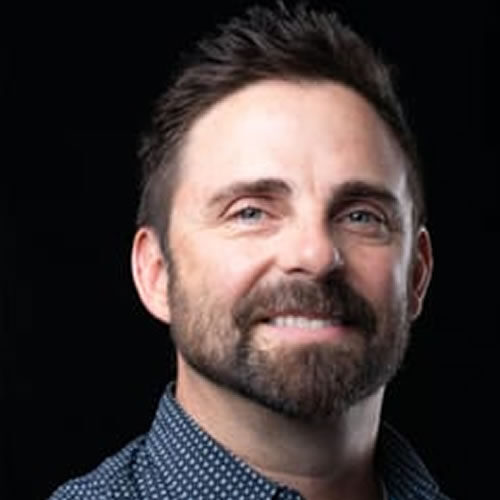
Kurt D. Michael, Ph.D. is Senior Clinical Director at the Jed Foundation and former Stanley R. Aeschleman Distinguished Professor of Psychology at Appalachian State University, where he spent 23 years building a nationally recognized program in rural school mental health and adolescent suicidology. Born and raised in Denver, Colorado, he earned his BA from the University of Colorado at Boulder, followed by his MS and PhD in Clinical-School Psychology from Utah State University, and completed his internship in Child Clinical Psychology at Duke University Medical Center.
Dr. Michael founded the Assessment, Support, and Counseling (ASC) Centers — embedded school mental health partnerships serving rural K–12 communities in Appalachia — which annually reach 10–30% of enrolled students with services including crisis assessment, cognitive-behavioral therapy, and psychoeducational groups. He has been a leading voice in suicide prevention, lethal means counseling (CALM), and the implementation of CAMS with youth, and developed the Prevention of Escalating Adolescent Crisis Events (PEACE) Protocol, which has been adapted for use in rural and tribal communities across the country.
His prolific research spans meta-analysis, crisis intervention, and rural mental health, including a landmark network meta-analysis on antidepressant efficacy in youth published in The Lancet. He is also co-editor of the Handbook of Rural School Mental Health and serves as Associate Editor of the Journal of Rural Mental Health. His work has been recognized with the Governor's UNC Board of Governors Award for Excellence in Public Service, among other honors.
The Collaborative Assessment and Management of Suicidality vs. Treatment as Usual: A Retrospective Study with Suicidal Outpatients
This retrospective study compared CAMS — a collaborative, structured approach to suicide risk assessment — against standard care in 55 military outpatients. CAMS patients resolved suicidality faster (~7 sessions vs. ~11 for TAU) and used significantly less non-mental health medical care afterward. No differences were found in hospitalization or suicide attempt rates. The authors conclude CAMS shows early promise but call for larger, randomized studies to confirm results.
Authors: David A. Jobes, PhD, Steven A. Wong, PhD, Amy K. Conrad, MA, John F. Drozd, PhD, and Tracy Neal-Walden, PhD
About the Author
David A. Jobes Ph.D. ABPP

David Jobes, PhD, ABPP, is the founder of CAMS-care, LLC. He began his career in 1987 in the Counseling Center of the Catholic University of America, where he developed a suicide risk assessment tool for college students that evolved into CAMS. Dr. Jobes is now a Professor of Psychology and Associate Director of Clinical Training at Catholic; he has trained thousands of mental health professionals in the United States and abroad in evidence-based assessment and treatment of suicide risk and the use of CAMS.
Collaborative Assessment and Management of Suicidality in the Aftercare Focus Study: Costs, Benefits, Cost-Effectiveness, and Cost-Benefits
This dissertation by Phoebe McCutchan examines whether the Collaborative Assessment and Management of Suicidality (CAMS) — a suicide-focused therapy — offers economic advantages over standard care for recently discharged psychiatric patients. Using data from a randomized controlled trial, the study finds that CAMS was less costly, comparably or more effective at reducing suicidal ideation, and more cost-effective and cost-beneficial than standard care, suggesting it delivers better value in resource-constrained healthcare settings.
Suicide Risk Following Hospital Discharge

When a person is facing a serious mental health crisis, they often go to or are taken to the hospital. While at the hospital, the focus is on stabilization and keeping them safe. But what happens once they leave?
Multiple studies show that a patient’s risk of suicide significantly increases once they are discharged from the hospital. [1] In the first week after discharge, the risk of suicide increases by 300 times higher compared to the general population. [2] Also, as many as 30% of patients admitted to the hospital for a suicide-related concern are re-admitted within a year. [3]
Something clearly needs to change. We must better support patients who experience a serious mental health crisis. We also need to help prevent a crisis from happening again. During this vulnerable time, patients deserve the best care possible so they can get on a path to healing. While there are many factors at play when it comes to post-discharge suicide risk, there are some steps that hospitals and clinicians can begin implementing to help start actionable change.
What Happens During Hospital Discharge?
Before a patient is discharged from the hospital, there are steps put in place to help reduce the patient’s risk of suicide. These steps often include creating a safety plan and counseling on reducing access to lethal means. While these are meant to help reduce risk, they are often not enough. The patient is then discharged from the hospital with either a plan for follow-up outpatient care or a care referral. This transition is where the risk period begins.
Why Post-Discharge Care is Often Unsuccessful
There are many factors at play when it comes to suicide after hospitalization. Here are some of the key areas where the systems in place may be failing.
Inconsistent use of screening and assessment tools
Hospitals often vary in how they identify high-risk patients. Many of the tools focus on risk factors rather than digging deeper and identifying the root of the patient’s suicidal thoughts. These standard risk assessments can feel like a checklist rather than a unique, patient-centered approach to treating what lies beneath. They may miss specifics that could be helpful in treating the patient moving forward.
Fragmented care transitions
Currently, there is no standard protocol to follow when it comes to handing off patients in emergency departments to outpatient providers. This handoff is where a lot of the risk comes in because the next steps often rely heavily on the patient. Patients may leave the hospital feeling confused, unsupported, or ill-equipped to take the next steps toward getting long-term, sustainable care. It’s important to also remember that the patient just went through an extremely traumatic event and may still be feeling overwhelmed. It’s important that they have the correct steps laid out in front of them and a plan in place for care with a clinician who can provide further support.
Barriers to accessing outpatient mental health services
Ideally, the first follow-up session after discharge should happen as soon as possible. Unfortunately, follow-up care is not always straightforward or easy to access. Often, the patient does not follow their discharge plans. In fact, around only 50% of patients follow up on their referrals for outpatient care. [4] Depending on the patient’s situation, they may face several barriers when it comes to accessing outpatient care, whether it’s financial, logistical, or a combination.
Challenges Hospitals are Facing
In addition to each of the factors above, hospitals themselves are also facing their own challenges. Many hospitals are overwhelmed. From overcrowded emergency departments to short (and often overworked) staff, hospitals struggle to keep up with the demand. Clinicians may not have the capacity to do a thorough suicide risk assessment of the patient as well as intervention work. There may simply even not be enough space for patients at risk to stay in the hospital for as long as they need to.
Hospitals and emergency departments can also be extremely stressful environments for those already dealing with a mental health crisis. People in emergency rooms for mental health reasons may often be deprioritized due to other more urgent needs coming through the doors. This means that those in a mental health crisis may be waiting for hours if not days before they are truly seen and helped in the ways they may need.
Emergency medical settings are a critical point of care. By providing access to suicide-focused treatment beyond just stabilization, there are opportunities to bridge a consistent gap in mental health care and take the necessary steps towards saving lives.
Tia Tyndal, Ph.D.
How CAMS Can Help Address These Gaps
CAMS, the Collaborative Assessment and Management of Suicidality, is an evidence-based clinical framework that is focused on identifying and treating suicidal drivers. CAMS has been used in various mental health care and hospital settings. Here are a few of the ways that CAMS can work to help bridge the gap between inpatient and outpatient care for those in crisis.
- Structured yet flexible: CAMS works well within fast-paced settings. It can easily be integrated into existing workflows without disrupting other methods and protocols.
- Improved risk assessment: CAMS tools focus on the patient’s voice and their meaning, not just symptoms or risk assessment scores. It supports clinicians in documenting clear, shared clinical plans.
- Safety planning that works: Safety planning is a key element of CAMS. It is collaborative, meaning the patient and provider work together to come up with a plan. This helps patients feel more equipped and in control.
- Bridging the transition: CAMS helps bridge the transition between inpatient and outpatient follow-up care. By providing protocols for follow-up, CAMS helps cement continuity so that no patient falls through the cracks after discharge.
- Training & skill-building for staff: CAMS provides specific training that helps those working with people in crisis. CAMS Brief Intervention (CAMS-BI™) is a training that is designed to be used for those working in emergency departments.
Complementary Solutions: EmPATH Units
One fairly recent advancement in emergency care for those struggling with a mental health crisis is the development of EmPATH units. As an extension of emergency departments, EmPATH units are designated spaces specifically for those in a mental health crisis. They are designed to offer a more calm and comforting atmosphere. While still fairly new, more EmPATH units continue to be added onto hospitals and clinics across the United States.
Practical Steps Hospitals Can Take Now
While not every hospital has the current ability or resources to add an EmPATH unit into their system, there are other steps that many of them can take in the meantime.
Training & implementation
Training and implementing CAMS is a great place to start. All individuals start with the foundational clinician training. From there, staff can be trained in specific areas, such as CAMS-BI™. Hospitals might consider a phased rollout with champions in key departments to help them as they get started.
Workflow integration
Next, embedding the CAMS Suicide Status Form (SSF) into electronic health records is a way to help make sure nothing slips through the cracks. Hospitals might start aligning their discharge protocols with CAMS documentation. They might also align follow-up procedures. This could happen as they continue to implement CAMS into their system.
Cross-department collaboration
It’s important to be sure that everyone is on the same page. By connecting emergency departments, inpatient psychology and psychiatry, outpatient providers, and care managers, everyone can know the standard protocols of CAMS. If possible, it may be helpful to have times of regular case reviews to refine practice and improve outcomes as well as referrals that continue using CAMS.
A Better Path Forward
Suicide risk after hospital discharge is a serious issue. It seems backwards that the time period after a patient receives care for a crisis is also the time they are at the highest risk of suicide. However, taking steps to lower this risk is doable.
CAMS provides an evidence-based treatment that improves patient care. It is structured, giving clinicians real, concrete steps to follow. It is also extremely adaptable and can be catered to individual patients and their lived experiences. From assessment to discharge to after care, CAMS can be used along every point of a patient’s road to recovery. Hospitals can start pursuing training in CAMS. They can also take steps to better align their departments and clinicians. This will help everyone be on the same page when treating at-risk patients. Nobody should have to slip through the cracks when treatment and hope is available for all.
Frequently Asked Questions
Suicide risk is significantly elevated after hospital discharge because patients are transitioning from a highly structured environment to one where support and monitoring may be less consistent. During this period, individuals may still be coping with the factors that contributed to their crisis while also facing barriers to accessing follow-up care. Research shows that suicide risk can be dramatically higher in the first week after discharge compared to the general population.
The period immediately following discharge—especially the first week—is considered one of the highest-risk times for suicide. However, elevated risk can persist for months as patients attempt to reconnect with outpatient care and stabilize their mental health. Ensuring continuity of care and timely follow-up appointments is critical during this extended vulnerability window.
Common gaps include inconsistent suicide risk assessments, fragmented transitions between hospital and outpatient providers, and limited access to timely follow-up care. Many discharge plans rely heavily on patients to arrange services themselves, which can be difficult during a period of emotional distress. These system challenges can leave individuals feeling unsupported and increase the likelihood of disengagement from treatment.
The Collaborative Assessment and Management of Suicidality (CAMS) is an evidence-based clinical framework designed to assess and treat suicidal risk by identifying the psychological drivers behind a person’s suicidal thoughts. Rather than focusing solely on risk factors, CAMS emphasizes a collaborative process between clinician and patient to develop targeted treatment and safety planning. Learn more about the CAMS Framework® at https://cams-care.com/about-cams/.
Hospitals can improve post-discharge suicide prevention by strengthening care transitions, implementing consistent suicide-focused assessments, and ensuring rapid follow-up with outpatient providers. Training clinicians in structured, suicide-specific approaches can also help improve continuity of care and documentation. Many healthcare systems integrate the CAMS approach into their workflows to support assessment, collaborative safety planning, and follow-up care. Learn more about CAMS training at https://cams-care.com/training-certification/.
KVC Health Systems’ 6-Step Guide to Implementing CAMS with Private Funding
Date: February 18, 2026
 KVC encourages ongoing training to support our teams in providing high-quality, evidence-based services to their clients.
“Nearly every person in this world has been touched by suicide in some way.”
Dr. Megan Moore sees this reality every day. As the Senior Director of Innovation and Impact with KVC Behavioral HealthCare Kentucky, a subsidiary of KVC Health Systems, she’s worked tirelessly alongside her 2,800 colleagues across 65 locations in five states to eradicate suicide, which takes about 50,000 lives in the U.S. each year.
Moore knew that achieving this ambitious goal wouldn’t be possible overnight. But by equipping clinicians with the competence and confidence to deliver timely, individualized care, including treating the drivers of each patient’s suicidal ideation, KVC could strengthen its approach to suicide prevention and save more lives.
In 2024, together with Chad Anderson, LSCSW, KVC’s Chief Clinical Officer based in Kansas, who brought deep clinical expertise and system-wide leadership, they integrated the evidence-based Collaborative Assessment and Management of Suicidality (CAMS) framework into their system of care. With an engaged cohort of leaders and clinicians, private philanthropic funding, and a collaborative partnership with CAMS-care, the KVC team moved from concept to implementation in just four months.
KVC’s early results of clinician engagement and patient outcomes are incredibly exciting. Their practical six-step approach offers a replicable blueprint for other mental health organizations with limited time and resources to similarly strengthen their suicide prevention practices and join us in advancing a world without suicide.
Connection as the Foundation for Saving Lives
At the heart of both KVC and CAMS is the shared belief that connection saves lives. Connection is what fosters health and healing. In suicide prevention, connection is especially critical, both in terms of a patient’s relation to family and community and ensuring a coordinated approach to services. When a person who is suicidal has access to timely, individualized, and connected care at the ideation stage, we can minimize the risk of ideation becoming behavior. Fewer attempts mean fewer deaths and lower health system costs.
At KVC, connection is ingrained across its entire system of care. Through their Safe and Connected™ practice model, they support families and communities with high-quality mental health and family-strengthening services spanning the continuum of care from in-home to inpatient treatment. Access to healthcare (both physical and mental) and community support is limited in rural areas. In the past two decades, suicide rates have increased 46% in non-metro areas (compared to 27.3% in metro areas). Many of KVC’s locations are in rural communities to meet this growing need for services, often providing in-home treatment and wraparound support, where access to services can be limited, and transportation is a barrier for those who need it most.
CAMS is an evidence-based, suicide-focused framework that operationalizes this approach to suicide prevention. Dr. Mariam Gregorian, CAMS Consultant, explains, “The CAMS Framework® is the most effective treatment for the largest population — the 16.9 million Americans who experience serious thoughts of suicide each year.” Through its collaborative, flexible process, clinicians and patients jointly identify and treat the personal drivers of suicidality as early as possible. It also serves as an umbrella framework that integrates seamlessly into existing models of care, strengthening what clinicians are already doing while aligning teams around a shared, proactive prevention strategy.
The natural synergy between KVC’s connection-first culture and CAMS’ focus on proactively and collaboratively treating suicidal drivers planted the seeds for change.
Discovering CAMS to Treat Suicidal Drivers
KVC’s first exposure to CAMS happened in the early 2000s. Megan Moore met Dr. Melinda Moore, CAMS Consultant, suicide loss survivor, and professor at Eastern Kentucky University, at a training hosted by her agency in Lexington, KY. What Megan Moore learned about CAMS changed the way she thought about suicide. She no longer saw suicide as a symptom of depression, but as the specific focus of care.
Moore and Anderson were curious to learn more about CAMS and its potential to strengthen KVC’s approach to suicide prevention. They also wanted to bring in other members of their clinical leadership team for their feedback. Through both virtual and in-person conversations, Gregorian helped them understand their options and their advantages in a systemic way.
After previewing some of the CAMS training products, the KVC team became determined to integrate CAMS as an evidence-based practice into their system of care. Because no two patients are alike and insurance policies vary by state, Anderson envisioned adding CAMS as another tool in clinicians’ toolkits. Anderson recalls, “We saw how CAMS saves lives. Why wouldn’t we invest in it?”
Implementing CAMS into KVC’s System of Care
Moore and Anderson approached this process with thoughtfulness and intentionality to minimize resources and maximize impact. Here are the six steps that took them from planning to implementation.
Step 1: Identify and Empower Champions
Every system-wide change needs a strong leader behind it. For KVC, that was Moore and Anderson. They’re both visionaries with a deep understanding of both clinical practice and implementation science. They built momentum, provided ongoing support and communication, and kept their teams informed and engaged from pilot to implementation.
Step 2: Establish a Pilot Group
In January 2024, KVC launched a small, multidisciplinary pilot group. It consisted of approximately 32 clinicians and senior business leaders from its six subsidiaries: KVC Kansas, KVC Kentucky, KVC Missouri, KVC Nebraska, KVC West Virginia, and Camber Mental Health, KVC’s network of inpatient mental health hospitals and residential treatment centers.
Anderson describes, “We were all in it together.” Energy and engagement levels were high. The cohort established regular touch points and met consistently for 12 months. During this time, they received monthly consultation calls, peer support, and case review. Leadership actively participated alongside clinicians, ensuring they stayed in lock step throughout the process.
Step 3: Secure Funding
To begin the CAMS training process, KVC needed funding. Each of the six nonprofit subsidiaries operates independently, so each led respective efforts to secure funding. They focused their efforts on reaching out to existing networks, with support from their KVC Foundation team.
As a result of their outreach, an anonymous private funder awarded $25,000 to fund the CAMS pilot program to include 32 clinicians and trainers across the health system. The donor asked that KVC also use their gift to attract additional funders to support more clinicians and trainers beyond the pilot. While additional funding would be needed to scale, this first seed funding established a proof of concept to begin the CAMS training process.
Step 4: Conduct CAMS Trainings
In February 2024, 32 clinicians and clinical leaders participated and completed the CAMS Trained™ program. Throughout the program’s 10 hours of online coursework and 4 hours of consultation calls, KVC clinicians worked closely with Dr. Gregorian, Dr. Melinda Moore, and the entire CAMS team to gain direct skills, knowledge, and confidence to effectively assess and treat suicidal patients. This pilot group also completed role-play training and the CAMS-4Teens® training to learn how to work with adolescents and their parents/caregivers.
Moore, Anderson, and other cohort leaders stayed closely engaged throughout the training to ensure everyone continued to feel informed and empowered. Gregorian also remained involved to support the clinicians through consultation calls and answering questions as they arose.
Step 5: Put CAMS into Practice
The key to implementation would come from giving clinicians the opportunity to apply CAMS in practice and build their confidence.
In April 2024, 10-15 clinicians began utilizing CAMS with patients. This phased approach allowed the team to focus first on successful uptake of the model, ensuring clinicians felt supported as they navigated suicide-specific conversations and interventions using a new framework. Moore reconnected with Dr. Melinda Moore, the CAMS-care Consultant who hosted the role-play training and consultation calls for the cohort.
Step 6: Scale Across the System of Care
After the initial CAMS training and implementation with 32 clinicians across the health system, KVC continued seeking funding to scale the model.
KVC Kansas secured a new $35,000 grant from the state to train 40 more clinicians in CAMS and the team began to identify and create a plan.
Camber Mental Health, KVC’s team of inpatient and residential psychiatric treatment experts, budgeted $18,000 to train 12 therapists in CAMS (3 per campus). They plan to seek state funding to train the remainder of their clinicians in CAMS.
In 2025, the State of Kansas made a second gift of $35,000 to train staff in Dialectical Behavior Therapy (DBT), to treat the drivers identified in the CAMS Framework and strengthen treatment for youth experiencing foster care.
The Kentucky team also found local partners who wanted to invest in suicide prevention in the community. In May 2025, Lexington, KY-based Valvoline, a national leader in automotive maintenance, partnered with KVC Kentucky by contributing funding to train 53 clinicians in CAMS.. Valvoline’s donation also provided long-term sustainability of the model, funding three licensed practitioners to become CAMS trainers.
In total, in just under two years, KVC has trained 100 clinicians in CAMS across three subsidiaries. Their goal is to train all 450 clinicians nationwide.
While all six of KVC’s local teams have recognized the benefits and plan to implement CAMS, their timelines have varied based on their ability to secure funding. KVC’s teams in Missouri, Nebraska and West Virginia are still in the process of seeking funding to begin training.
Leaning On Each Other to Save Lives
Implementing new and different modalities into your system of care takes work. It takes resources — time, money, and effort. For mental health organizations, many of whom are already stretched thin, implementing something new may feel overwhelming and complicated. Our hope is that this guide can provide a practical model for replicating KVC’s successful implementation through its dedicated leadership, efficient resource use, and collaborative partnership with CAMS.
One of the key components to strengthening your system of care is, of course, funding. Government grants used to be a primary source of funding for mental health services. But recent uncertainty emphasizes the importance of diversifying your pipeline so people can receive the right life-saving support at the right time.
Private philanthropic funding is a critical and effective source. Where to search for it may not be obvious at first. But sometimes we find it in the most unexpected and creative places— like the initial private funder who provided KVC with $25,000 to kickstart training or Valvoline’s larger partnership to save lives.
Anderson shares, “Anyone can do this. It’s not too expensive. It’s not out of reach. But you don’t need to do it alone. Lean on us. Take what KVC has learned and achieved as an organization, and do it even better.”
Please reach out to the CAMS-care team here to learn more. Connecting with you to help you strengthen your system of care is why we’re here.
We are made to live in connection with others. Together, we are committed to creating a world without suicide.
LEARN MORE: KVC Health Systems Funding Proposal Template
After Your Child’s Suicide Attempt

What to Do After Your Child’s Suicide Attempt — and How CAMS-Care Can Help
When a child has attempted suicide, the days and weeks that follow are often filled with fear, confusion, guilt, and uncertainty. Many parents describe feeling overwhelmed — unsure of what to say, what to do next, or how to help their child begin to heal. The video Parents to Parents: After Your Child’s Suicide Attempt was created to speak directly to these very real experiences, offering guidance from both clinicians and other parents who have walked this difficult path.
This guidance aligns with principles from the Zero Suicide Initiative, an organization that offers evidence-based, suicide prevention consultation and guidance. Research on the Zero Suicide Framework shows that care is improved (individually and at a system level) when it is proactive, collaborative, and specifically focused on suicide risk rather than general mental health alone.
The video linked at the bottom of this page can help parents understand what recovery actually looks like after an attempt: how to talk with their child, how to create safety, and how to partner with clinicians in a structured and hopeful way during a frightening time.
1. Acknowledge the Emotional Impact
First and foremost, it’s important for caregivers to recognize and validate their own emotions. Guilt, fear, anger, panic, numbness, and even relief can all coexist in the aftermath of a suicide attempt. These feelings are understandable — and common.
The video underscores that, while it can feel isolating, parents are not alone, and their reactions are shared by many families who have survived this crisis.
2. Understand What Comes Next
After the immediate medical response (emergency care, hospitalization if needed), the focus shifts to support and safety. This includes:
- Co-creating a safe home environment by removing/securing or reducing access to potential means of harm.
- Engaging with clinicians and mental health providers to initiate follow-up care, including therapy and psychiatric support.
- Listening openly to your child’s feelings and thoughts without judgment, and letting them know they are loved, valued, and safe. The film encourages parents to learn what signs to watch for, how to talk about the attempt with their child, and how to make mental health care accessible.
3. Seek Evidence-Based Suicide-Focused Care
One essential piece in a child’s recovery journey is accessing evidence-based therapeutic approaches that focus specifically on suicidality rather than general mental health management alone. One such model is the Collaborative Assessment and Management of Suicidality (CAMS) — often referenced in suicide care communities and clinical settings.
CAMS is a suicide-specific treatment framework that actively involves the young person in identifying what is “driving” their suicidal thinking and collaboratively building a plan to address those drivers. It’s not a rote checklist; it’s a flexible, empathic approach where the clinician and child (or family) work together to:
- Assess suicidal risk in depth
- Create personalized safety and stabilization plans
- Build treatment beyond safety and stability that moves teens towards lives they find worth living
- Track progress and adapt care as needed
This model has been supported by research showing reductions in suicidal ideation, hopelessness, and distress, and improved engagement with care — all critical in the period after an attempt.
CAMS-4Teens® is a framework in which a clinician works with the parents to keep the home safe and provide guidance on how best to support your child through a course of CAMS treatment( typically six to 8 one-hour sessions) using the Stabilization Support Plan (CAMS-4Teens: Working with Parents).
Parents can locate a CAMS Trained™ clinician in their area using the CAMS‑care Clinician Locator.
4. Build a Support Team Around Your Child
Recovery is rarely a solo journey. The video highlights the value of connecting with both professional and community support — including family therapists, school counselors, peer support groups, and other caregivers who understand the experience. Parents who have been there often say that having someone to talk to — whether a trained provider or another parent who has survived similar circumstances — can make all the difference.
5. Maintain Hope and Patience
Perhaps the most crucial message is one of hope. While a suicide attempt is a serious and frightening event, it does not mean a child is beyond help or that recovery isn’t possible. With appropriate care, safety planning, ongoing support, and open, compassionate treatment and communication, many families find their way back to stability and connection. Over time, parents and children can work toward healing together — learning new ways to cope, to stay connected, and to build a future worth living.
Please visit Supporting Parents | Zero Suicide where the film can be viewed in chapters and there are additional resources for healthcare providers, faith leaders, and schools.
Fact vs Fiction: What Actually Works in Contemporary Clinical Suicidology- 2025 CAMS Update

Much of what is done in the name of clinical care for suicidal risk is based a well-established history that centers on controlling a person who is suicidal largely out of fear and a presumption that providers know best what the person needs. Importantly, clinical research is increasingly showing that many common practices for suicidal risk are ineffective or may actually increase risk. This presentation systematically reviews the history of dealing with suicidal risk from its medieval origins, through decades of a carceral medical model approach, right up to present day suicide-focused interventions that reliably and effectively decrease suicidal suffering and related behaviors. This presentation separates fact from fiction–what actually works based on clinical science, in marked contrast to largely fear-based clinical practices that have little to no empirical support too often relying on habit or wishful thinking. To this end, the presentation considers screening for suicidal risk, the use of voluntary and involuntary hospitalization, safety-plan type interventions and other acute interventions, as well as suicide-focused treatments that reliably reduce suicidal risk. Various challenges to enhancing clinical suicide care are considered along with recommendations for the way forward.

About David A. Jobes, Ph.D., ABPP
David A. Jobes, Ph.D., ABPP, is a Professor of Psychology, Director of the Suicide Prevention Laboratory, and Associate Director of Clinical Training at The Catholic University of America. Dr. Jobes is also an Adjunct Professor of Psychiatry, School of Medicine, at Uniformed Services University. He is the author of seven books and hundreds of articles and book chapters. He is the creator of the Collaborative Assessment and Management of Suicidality (CAMS) and one of the founders of CAMS-care, LLC (a professional training and consultation company). Dr Jobes is the recipient of many awards such as the 2022 Alfred M. Wellner Award for Lifetime Achievement (for research excellence) from the National Register of Health Service Psychologists and the 2025 “Erwin Ringel Service Award” for contributions to suicide prevention from the International Association of Suicide Prevention (IASP). He is a Fellow of the American Psychological Association and is board certified in clinical psychology (American Board of Professional Psychology). Dr. Jobes maintains a private clinical and consulting practice in Washington DC and in Maryland.
About Kevin Crowley, Ph.D.
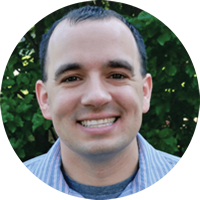
In addition to serving as a CAMS-care Senior Consultant, Dr. Kevin Crowley works as a Staff Psychologist at Capital Institute for Cognitive Therapy, LLC, and as a Lecturer at The Catholic University of America. He has conducted risk assessments, delivered suicide-specific treatments, and provided suicide-focused consultation and training through the VA Health Care System and outpatient private practices since 2010. He has also been involved in several suicide-focused program evaluations and formal research projects through The Catholic University of America’s Suicide Prevention Laboratory (Washington, DC) and the Rocky Mountain MIRECC for Suicide Prevention (Denver, CO). Dr. Crowley’s research to date has emphasized brief interventions for reducing shame and suicide risk, understanding suicide “drivers,” and considerations for optimizing the effectiveness of suicide-focused training. He has presented this research and offered clinical workshops at the annual conventions of both the American Association of Suicidology and the Association for Behavioral and Cognitive Therapies.
Watch the Recorded Webinar On-Demand
Enter your information to gain access.
Public Health Approaches to Suicide Prevention

Because of our rising suicide rate, the United States Surgeon General, Vivek Murthy, called mental health the “defining health crisis of our time.” Despite many countries having had suicide prevention strategies for decades, we see a general lack of investment with suicide rates increasing in many settings and suicide-related inequities. The majority of people who die by suicide were not engaged in mental health services in the months before their deaths. This indicates the need to also advance a public health approach to suicide rather than primarily relying on the crisis and mental health systems for suicide prevention. Suicide prevention approaches must be engaging, culturally relevant and meet people where they are by spanning multiple community service sectors (e.g., schools, colleges/universities, healthcare, justice system, child welfare, etc.) and social media. The epidemiology of suicide, risk factors for suicide, the national context, and suicide research evidence are shifting which could point to possible new directions for suicide prevention.

About Holly Wilcox Ph.D.
Dr. Holly Wilcox is founder and Director of the Johns Hopkins Center for Suicide Prevention. She is also a Professor in the Department of Mental Health at the Johns Hopkins Bloomberg School of Public Health with joint appointments in the Department of Health Policy and Management as well as the schools of medicine and education. Holly uses research to advance public health approaches to suicide prevention, including policies, early intervention, and chain of care approaches. Holly serves as President of the International Academy of Suicide Research (IASR), on the national board of the American Foundation for Suicide Prevention (AFSP), and as a consultant on suicide prevention for the WHO.
About David A. Jobes Ph.D. ABPP
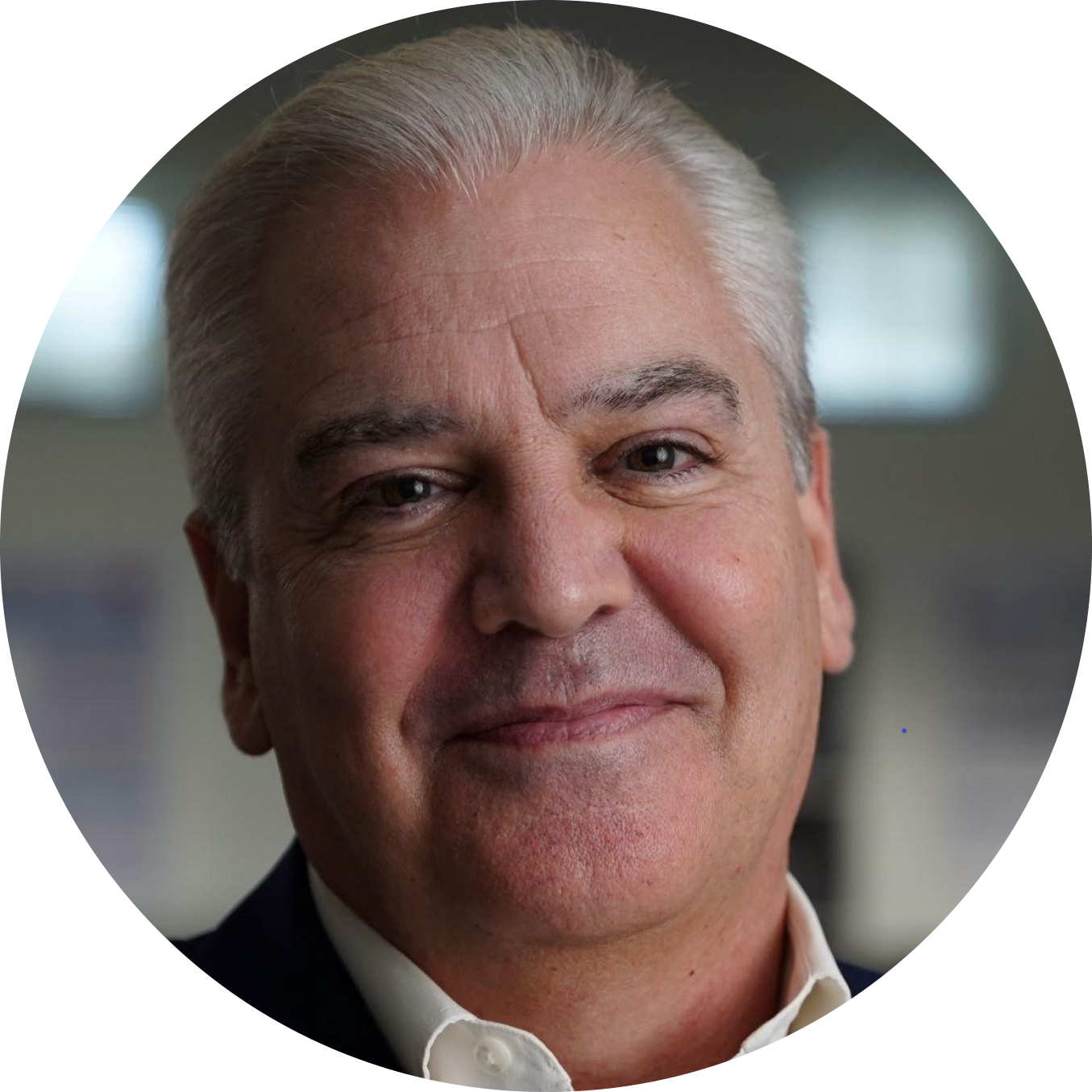
David Jobes, PhD, ABPP, is the founder of CAMS-care, LLC. He began his career in 1987 in the Counseling Center of the Catholic University of America, where he developed a suicide risk assessment tool for college students that evolved into CAMS. Dr. Jobes is now a Professor of Psychology and Associate Director of Clinical Training at Catholic; he has trained thousands of mental health professionals in the United States and abroad in evidence-based assessment and treatment of suicide risk and the use of CAMS.
Watch the Recorded Webinar On-Demand
Enter your information to gain access.
New Directions in Suicide Safety Planning: The Project Life Force (PLF) Intervention

Dr. Goodman describes the development and testing of a novel treatment – “Project Life Force (PLF)” – which combines aspects of two evidence based treatments: Suicide Safety Planning and Dialectical Behavior Therapy Skills. The intervention is delivered in a group format and virtually since the pandemic. PLF framework, clinical data and implementation efforts were reviewed.

Marianne Goodman, MD
Dr. Goodman has been a full time VA clinician (psychiatrist)-scientist at the James J. Peters VA Medical Center (JJPVA) for twenty-five years. In addition to being the Director of the VISN 2 Mental Illness, Research, Education, Clinical Center (MIRECC), she was the Director and developer of the JJPVA Dialectical Behavioral Therapy (DBT) Clinical and Research program from 2002-2015 and Director of the JJPVA Suicide Prevention Clinical Research Program from 2015-present. Her expertise is in the management of high risk suicidal and emotionally dysregulated Veterans and is considered one of the top suicide prevention experts in the VA system, actively involved in clinical care, research and education. Additionally, she has been the recipient of several prestigious awards for her involvement in suicide prevention and DBT treatment including the New York Federal Executive Employee Outstanding Individual Achievement Award for her Clinical DBT Program for Suicidal Veterans (2009), VISN 3 Network Director’s Achievement Award for Training VISN 3 Clinicians in DBT (2012), and the New York State Excellence in Suicide Prevention Award for Implementation of Zero Suicide in a Healthcare Setting (2018).
In 2015, she shifted her research direction to focus on treatment development for suicide prevention and designed “Project Life Force” (PLF) a novel group intervention that adapts DBT, combining emotion regulation skills with suicide safety planning and lethal means safety which was initially funded with a VA RR&D SPiRE pilot grant (2016-2018), and more recently funded with a multi-site VA RCT with a CSRD Merit (2018-2024). This intervention has moved to full telehealth delivery and with a 2021 SPRINT pilot award expanded to target populations of suicidal rural Veterans (PLF-RV). Dr. Goodman will present on her Project Life Force Intervention.
About David A. Jobes Ph.D. ABPP
David Jobes, PhD, ABPP, is the founder of CAMS-care, LLC. He began his career in 1987 in the Counseling Center of the Catholic University of America, where he developed a suicide risk assessment tool for college students that evolved into CAMS. Dr. Jobes is now a Professor of Psychology and Associate Director of Clinical Training at Catholic; he has trained thousands of mental health professionals in the United States and abroad in evidence-based assessment and treatment of suicide risk and the use of CAMS.
Watch the Recorded Webinar On-Demand
Enter your information to gain access.