NAViGO’s Implementation of CAMS System of Care in UK: Preliminary Positive Outcomes

In 2017, NAViGO Community Interest Company implemented CAMS as part of their National Health Service-commissioned health and social care services in the United Kingdom, for a highly deprived ward with a population of over 165,000 people.

Within two years of implementing this system of care for Mental Health, the following preliminary outcomes have been realized:

• Increased healthcare clinicians’ confidence in assessing and treating suicidal patients
• Greatly reduced waiting time for care
• Reduced number of individuals requiring a Crisis contact
• Lower average of Crisis total contacts and fewer individuals requiring subsequent inpatient admissions
• Reduced local suicide rates (preliminary data suggest a reduction of 80%)

While data is preliminary at this early stage of the implementation, the short-term trends observed are expected to be replicated over the full term of the project.

The article, available for download below, published with permission, describes the processes and outcomes of NAViGO’s custom implementation of CAMS as their primary system of care for suicidality among the mentally ill in this community. It is the hope of all of us at CAMS-care that more communities around the world can replicate a similar system of care for similar positive outcomes in reducing the number of suicides in their own health care systems.

4 Things that Can Go Wrong When Working with Suicidal Minorities

One thing that has become increasingly important in this contemporary age of diversity is the importance of tailoring programs to individual needs. Arguably, nowhere is this more important than in the field of suicide prevention and treatment.

Using a cookie-cutter approach to treatment with a suicidal person who is part of a minority community (such as racial and religious minorities, women, LGBTQ, etc.) further alienates the client, who most likely already feels marginalized by “the system”. It’s important for therapists and care providers to take the cultural and societal differences of minority groups into careful consideration when working with these individuals and in devising prevention and treatment plans for these valuable members of our society.

Here are four things that can go wrong when we fail to consider and understand cultural differences in suicidal minority clients.

#1: Misunderstandings Cause Confusion and Alienation

Since the dawn of time, different cultures have developed their own unique ways of life, including beliefs, values, behaviors, and methods of communication. Something as simple as unfamiliar terminology can cause the client and the provider to misunderstand each other.

Minority clients especially need to feel confident that their unique needs are understood to develop confidence in their care provider or therapist. We as providers should strive to understand where our clients are coming from and find common ground from which to work – especially when their societal norms differ from our own.

#2: Trust is Eroded

We all know that the bedrock of any therapy session is trust. Without it, our counsel can fall on deaf ears. Clients need to feel that they can rely on their therapist or care provider to have their best interests at heart.

But how can we really have a minority client’s best interests at heart if we don’t understand their heart?

Taking time to understand a client’s cultural background provides valuable insight into her needs and helps build a foundation of trust between you and your client.

#3: Suicidal Thoughts May Become Exacerbated Instead of Mitigated

Many minorities already feel alone in their thoughts and experiences – even mentally healthy ones.

When minority clients feel misunderstood and unsupported (especially by the very person that is charged with helping them), this can contribute to a feeling hopelessness and increased “otherness”. If a suicidal minority client feels further alienated as a result of their treatment, her thoughts of suicide may become even more prevalent.

#4: Treatment is Less Effective

We all want to feel like our efforts are succeeding, and that our work with those struggling with suicidal ideation or behavior is making a difference. However, when misunderstandings and a lack of trust exist between a client and his provider, even the most proven-effective prevention methods can fall flat.

Clients can sense when we simply don’t “get them.” As a result, they are less like to open up and share, which prevents us from providing the best care possible.

As professionals in the suicide prevention and treatment field, we need to become culturally aware of our more diverse communities’ specific needs in order to ensure that the work we do is effective and successful.

To avoid these pitfalls, it’s important to consider ways to “bridge the cultural divide” when working with minority clients who do not share our own experiences and identities.

For more information

To learn more about effective methods for working with suicidal minorities, read “5 Effective Approaches When Working with Minority Clients” by Tanisha Esperanza Jarvis, M.A.

About the Author

Tanisha Esperanza Jarvis M.A.

Tanisha Esperanza Jarvis M.A.
Tanisha Esperanza Jarvis received her B.A. in anthropology and sociology at Spelman College in 2015, where she also minored in Comparative Women’s Studies. While at Spelman, her research focused on integrating academia and social justice. As a Bonner Scholar and Social Justice Fellow her research work included preventative and interventional treatment of sexual trauma and LGBTQ and racial/ethnic minority research. She finished her M.A. in psychological sciences from The Catholic University of America (CUA) in 2019. Her research within the Suicide Prevention Lab (SPL) focused on integrating an international approach to CAMS research and treatment of suicidality within marginalized communities.

About Tanisha Esperanza Jarvis M.A.

Tanisha Esperanza Jarvis M.A.
Tanisha Esperanza Jarvis received her B.A. in anthropology and sociology at Spelman College in 2015, where she also minored in Comparative Women’s Studies. While at Spelman, her research focused on integrating academia and social justice. As a Bonner Scholar and Social Justice Fellow her research work included preventative and interventional treatment of sexual trauma and LGBTQ and racial/ethnic minority research. She finished her M.A. in psychological sciences from The Catholic University of America (CUA) in 2019. Her research within the Suicide Prevention Lab (SPL) focused on integrating an international approach to CAMS research and treatment of suicidality within marginalized communities.

5 Approaches When Working with Mental Health Minority Clients

Addressing Mental Health Disparities Among Minorities

24-year-old Violet Blue is a suicidal, transgender Mexican-American client at her initial appointment with Dr. Green to address her suicidal behavior. Dr. Green, a 54-year-old European-American, has been a practicing clinician for over 25 years and is considered an expert in his field. However, his clientele is predominately white males, and Violet is his first encounter working with anyone from the transgender and/or Mexican-American communities. To be honest, Dr. Green is feeling a little apprehensive and nervous about working with Violet. He doesn’t want to say anything that could be interpreted as offensive. Dr. Green tells himself to ignore these feelings and proceed as he would regularly do with his other clients – after all, we should be “colorblind” and treat everyone equally, right?

Let’s listen in on how this first visit goes:

Dr. Green: Violet, I am aware of your history of suicidal behavior and depression. I want to dive into the root causes of this. When did the suicide attempts and depression start?

Violet: I don’t know. I’m uncomfortable.

Dr. Green: Therapy can be uncomfortable, for everyone. It’s important that you immerse yourself in this experience so we can address your problems. When did the suicidal behavior and depression start?

Violet: Ok. I guess when I was seven and realized I was born in the wrong body. I told my family and they said something was wrong with me.

Dr. Green: You are referring to feeling transgender?

Violet: Yes, to being trans.

40 minutes later…

Dr. Green: OK, let’s move on to your treatment plan. I want to create a treatment plan to address your suicidal behavior. I have a homework assignment and next week we can discuss your progress.

In this brief fictional scenario, we encounter a clinician who is clearly uncomfortable working with his client, which causes him to unintentionally harm the therapeutic relationship. First, when Violet shares that she is uncomfortable, Dr. Green dismisses her discomfort by generalizing her experience and not addressing how she, specifically, feels. As Violet explains her history with suicidal behavior and depression, Dr. Green diminishes her identity (“feeling transgender”) and then quickly moves on from the topic. We start to see how Dr. Green’s discomfort is projected onto the session. He allows his nervousness and inexperience to drive the situation – which in his case means avoiding the subject of her identity. Lastly, Dr. Green informs Violet of a treatment plan, but throughout the process, Violet is delegated to backseat passenger rather than co-pilot. Her experiences are invalidated, and she is not allowed to play an active role in her recovery.

When treating suicidal clients, we often sculpt out our treatment plan within a larger framework of suicide research and practice, providing a universal treatment plan without considering the nuances of an individual’s identity that may influence their suicidal behavior. This creates an atmosphere in which the client becomes uncomfortable with the therapeutic process, lessening the bond between the client and therapist and rendering services less effective.

Working with clients belonging to marginalized and minority communities (e.g., LGBTQ, women, racial & religiousminorities, etc.) presents a challenge to the modern psychologist. While the psychology workforce is becoming increasingly diverse, racial/ethnic and LGBTQ psychologists are still a minority within research and practice.1

With the majority of both caregivers and patients in the white male category, anyone who does not fit into the majority becomes the ‘other’. The ‘other’ becomes the invisible, the marginalized, and the untreated (or ineffectively treated). When we ‘other’ clients, we invalidate their experience.

5 Effective Approaches when Treating Minority Mental Health

It is important to address the needs of all suicidal clients, including examining the different societal and cultural conditions that influence the identity of an individual. The following are five effective approaches to consider when treating minority clients:

1.  Acknowledge Differences.

When a client discusses experiences as a minority, it is detrimental for the therapist to avoid acknowledging the client’s positionality—the lens through which the world views an individual. Dismissing their individuality contributes to ‘othering’—and to practice a colorblind approach might create an environment where you have invalidated their experiences.

Another important note is that the minority client’s identity could be a contributing factor to their suicidal behavior. For example, a client who is Asian-American might feel isolated navigating their American and Asian identity or they could experience workplace/academic pressures that stem from cultural stressors. Addressing these caveats may improve and increase the effectiveness of treatment.

Equally important is the ability of the therapist to acknowledge their own positionality and examine how that impacts the therapeutic relationship. Minority clients may express difficulties when being treated by white therapists.2 They may feel isolated or disempowered by the heightened, unbalanced power dynamics created by systematic marginalization. To acknowledge and discuss these fears builds trust in the therapeutic relationship.

2.  Validate Experiences.

 As discussed in the first approach, minority clients might feel that their daily experiences are often overlooked, marginalized, and invalidated. As important as it is to acknowledge their experiences, it is equally important to validate them. For example, a suicidal gay client might confide to their therapist feelings of social alienation and rejection due to continued prejudices against gay people. These stressors may influence that client’s suicidality.

Affirming the validity of the client’s feelings and experiences is a crucial part of effective treatment. Validation does not simply mean that you understand or agree, it is the act of letting your client know that you acknowledge, recognize, and support their experiences.

3.  Accept Your Limitations.

Transparency as a therapist is an important skill to develop. Let’s be honest, working with minority clients can be intimidating without a background in or experience working with these communities. What if you say the wrong words and appear insensitive – or worse, prejudice?

Your trepidation is valid, and during the right circumstances, discussing these limitations with the client may ease anxiety on both sides. For example, during an initial session treating a black client, a white therapist might observe discomfort and hesitation from the client or experience their own hesitation. Openly addressing your own limitations and the client’s anxiety builds trust and honesty between the client and therapist.

4.  Use a Collaborative Approach.

The collaborative approach uses a model in which the client and therapist work together to create and implement a treatment plan. This plan is tailored to the client’s unique challenges and strengths. This process helps to create a more egalitarian relationship in which the client is respected as the expert on their experiences and the therapist as the expert on the treatment.

This approach is crucial to treating suicidal behavior because many suicidal clients express feelings of hopelessness and powerlessness. A collaborative approach provides them with the tools to begin to change the predicament and re-establish power to oneself.

Working through this therapeutic process, the client and therapist begin to build rapport and trust, and control is placed in the client’s hands. This is important, because suicidal minority clients especially may feel powerless and hopeless. Creating an environment for a safe space where the individual feels a part of something may help reduce some of the symptoms.

5.  Inquire about their Community Support System.

To many minority clients, the family and community unit is an essential part of their healing and stabilization processes. Having a support system can play a big role in the responsiveness of a client and the effectiveness of treatment. For instance, an African American client might be hesitant to disclose suicidal behavior due to community and cultural ideologies about suicide. A transgender client might be more open towards the therapeutic process if they have supportive family and friends that validate their expression of self.

Community support systems are complex aspects of a client’s life, and learning about these structural systems (or lack thereof) will help the therapist better address the client’s needs.

Clinician and Suicidal Minority Client Scenario

Now that we have become familiar with more healthy approaches to working with minority clients, let’s recreate the fictional scenario between Dr. Green and Violet Blue:

Dr. Green: Violet, I am aware of your history of suicidal behavior and depression. I want to dive into the root causes ofthis. When did the suicide attempts and depression first start?

Violet: I don’t know. I’m uncomfortable.

Dr. Green: Yes, I understand. Sometimes the therapeutic process can be uncomfortable, and that is valid. I want us to address this discomfort, so we can improve our working relationship and your treatment. Violet, would you mind sharing why you feel uncomfortable?

Violet: I guess. Sometimes it’s hard seeing therapists who don’t understand what it’s like to be a trans Chicana. My last therapist just didn’t get me. It was a waste of time.

Dr. Green: Violet, thank you for sharing with me. I am an old, white guy and to be honest, I have limited experience working with trans… Chicana? I’m not familiar with the term. Can you explain it to me?

Violet: It’s what us Mexican-American women call ourselves.

Dr. Green: Thanks for the clarification. I was not familiar with Chicana, but now it will become a part of my vocabulary. Thank you. I have limited experience working with trans Chicana women. However, I do understand suicide and I want to help you with your recovery. I hope to work with you to get a better understanding of your identity, culture and suicidal behavior. There are sometimes references that I might not understand, but it’s important for both of us to acknowledge these differences and work together. What do you think?

Violet: Yeah, we can do that. Thanks.

Dr. Green: Great. Thank you, Violet. Addressing your suicidal behavior and history with depression, can we go back towhen you first started feeling this way?

Violet: I guess it was when I was 7 and realized I was born in the wrong body. I told my family and they said something waswrong with me.

Dr. Green: I can imagine that experience was hard for you. I can assure you there is nothing wrong with your identity. Does your family still think the same way about you?

Violet: Thanks. Some of them don’t, but my mom is very supportive, and I have really great friends in the transcommunity.

Dr. Green: I’m glad that you have a good support system through your mom and friends. I think incorporating their supportinto the treatment plan will be very beneficial.

Violet: Yeah, I agree.

Dr. Green: Wonderful. I would like us to sit together and discuss a treatment plan that would be right for you. I am thinking about a range of approaches that might be best. We can discuss more about what is the options are and what treatment will looklike. Would you like us to do that?

Violet: Yes. That sounds good.

In this re-created scenario, Dr. Green provides a welcoming space that is conducive to building trust and improving the therapeutic process. First, when Violet shares her discomfort, he addresses her concerns and shares his limitations. Sharing his own discomfort shows Violet that Dr. Green is honest and truly cares about helping her. This time, he validates her experience when he individualizes her discomfort and re-assures her identity as a transgender Chicana woman. Even when he was confused about terminology related to her identity, he addressed those limitations.

As Violet discusses her background and support system, Dr. Green follows up with questions to assess how to include her support system within the treatment plan. Throughout the session, Dr. Green uses a collaborative approach by allowing Violet to be the expert in her experience. He provides her with an understanding of therapy, yet consults her opinion throughout their interaction.

This session is more productive, collaborative, and efficient than the previous one and is a good model of the therapeutic approach that is often used within CAMS – or Collaborative Assessment and Management of Suicidality.

Research suggests that CAMS is effective in treating minority communities.2 A major reason for this effectiveness is the use of the collaborative approach, which centers the client as an expert on navigating their suicidal behavior. The CAMS direct approach to handling suicide-related treatment also provides space for the therapist to practice a more multicultural and humanistic care, allowing for a therapeutic process that:

  • acknowledges the social/cultural differences of the client-therapist dynamic,
  • validates the experiences of the client,
  • allows space for the therapist to acknowledge their limitations,
  • provides a collaborative treatment plan, and
  • seeks to learn about and include the client’s community support system in

These tips can be used within a wide scope of clinical framework, not just CAMS. Throughout my continuous training as a psychology student, I have observed my mentors, supervisors, colleagues, and myself implement these techniques while working with minority clients. As a minority, receiving therapy from a therapist who incorporated these techniques has often alleviated my own apprehension towards the process. When treating mental health — especially suicidal behavior — it is essential to consider the impact of a client’s identity.

Footnotes:

1 American Psychological Association. (2015). Demographics of U.S. Psychological Workforce: Findings from the AmericanCommunity Workforce. [Online pdf]. Retrieved from https://www.apa.org/workforce/publications/13-demographics/report.pdf

2 Jeffrey A. Hayes, Andrew A. McAleavey, Louis G. Castonguay, and Benjamin D. Locke. Psychotherapists’ OutcomesWith White and Racial/Ethnic Minority Clients: First, the Good News. Journal of Counseling Psychology 2016, Vol 63, No 3, pp 261-268. https://www.apa.org/pubs/journals/features/cou-cou0000098.pdf

3 Jayong L. Choi, James R. Rogers, James L. Werth, Jr. Suicide Risk Assessment With Asian American College Students: A CulturallyInformed Perspective. Sage Journals, Vol 37, Issue 2, pp 186-218. https://journals.sagepub.com/doi/10.1177/0011000006292256

About the Author

Tanisha Esperanza Jarvis M.A.

Tanisha Esperanza Jarvis M.A.
Tanisha Esperanza Jarvis received her B.A. in anthropology and sociology at Spelman College in 2015, where she also minored in Comparative Women’s Studies. While at Spelman, her research focused on integrating academia and social justice. As a Bonner Scholar and Social Justice Fellow her research work included preventative and interventional treatment of sexual trauma and LGBTQ and racial/ethnic minority research. She finished her M.A. in psychological sciences from The Catholic University of America (CUA) in 2019. Her research within the Suicide Prevention Lab (SPL) focused on integrating an international approach to CAMS research and treatment of suicidality within marginalized communities.

About Tanisha Esperanza Jarvis M.A.

Tanisha Esperanza Jarvis M.A.
Tanisha Esperanza Jarvis received her B.A. in anthropology and sociology at Spelman College in 2015, where she also minored in Comparative Women’s Studies. While at Spelman, her research focused on integrating academia and social justice. As a Bonner Scholar and Social Justice Fellow her research work included preventative and interventional treatment of sexual trauma and LGBTQ and racial/ethnic minority research. She finished her M.A. in psychological sciences from The Catholic University of America (CUA) in 2019. Her research within the Suicide Prevention Lab (SPL) focused on integrating an international approach to CAMS research and treatment of suicidality within marginalized communities.

Journal Of Affective Disorders

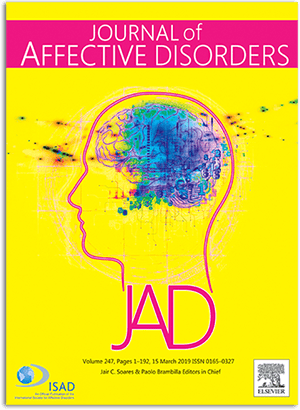
A group in Oslo, Norway recently studied managing suicidality within specialized care, including patients from two crisis centers, three inpatient units, and two regular inpatient units. The study found that “CAMS improved treatment outcome on suicide ideation and mental health distress more rapidly and in a sustained manner when compared to treatment as usual.” This study is in press at the Journal of Affective Disorders.

Read the article >

Journal Affective Disorder CAMS Improved Treatment

6 Risk Factors for Transgender & Gender Diverse Suicide

Our understanding of how gender affects suicidality was developed when most scholars viewed gender as a male/female binary. However, over the last decade, scholars have begun investigating suicide in those whose gender identity does not match their sex assigned at birth.

Recent studies have shown that transgender/gender-diverse (TGD) adults share many risk factors for suicide with the general population, such as mental health concerns, substance abuse, and life stressors. However, unique risk factors for TGD individuals are also becoming more apparent through recent research. This research attempts to understand the factors that relate differently to suicidal thoughts (such as symptoms of depression) and suicidal behaviors (such as access to a firearm). This way of understanding suicide is often referred to as the ideation-to-action framework. By understanding the unique risk factors for suicide in TGD individuals, we can develop more effective prevention strategies and interventions to support this vulnerable population.

Why do Transgender People Die by Suicide?

The following are six risk factors that providers should be aware of and assess in order to better understand suicide risk in their TGD patients.

Risk Factor #1:  External minority stress

Studies have identified various factors that contribute to suicide and suicidal ideation in transgender individuals. These factors include different forms of violence, discrimination, harassment, and rejection based on one’s minority gender identity. These factors are consistently associated with increased suicidal ideation but have a weaker link to suicidal behavior. The factors that are most highly related to suicidal ideation include harassment, discrimination, social stressors such as rejection, and non-affirmation in one’s identity. On the other hand, experiences of physical and sexual violence are related to both suicidal ideation and behavior. By understanding and addressing these risk factors, we can work towards developing effective prevention strategies and interventions to support the mental health and well-being of transgender individuals.

Risk Factor #2:  Internal minority stress

Transgender/gender-diverse (TGD) individuals face unique risk factors for suicide and suicidal ideation that are experienced more internally compared to external discrimination or violence. These risk factors include internalized stigma and transphobia, which can lead to shame about being transgender. Other factors include concealment of identity and nondisclosure, expectations of social rejection, an inability to express gender, negative self-concept, and an unclear gender identity. These internal factors are particularly associated with the vulnerability for suicidal ideation, but they have a weaker link to suicidal behavior once suicidal ideation has developed. By addressing these internal risk factors through therapy, support, and affirmation of identity, we can reduce the risk of suicidal ideation and improve the mental health and well-being of TGD individuals.

Risk Factor #3:  Psychiatric morbidity

As with the general population, mental health problems are linked to an increased risk of suicide and suicidal ideation among transgender individuals. Common mental health issues that contribute to suicidal thoughts and behaviors include depression, loneliness and isolation, emotional instability, anxiety, PTSD, alcohol and drug abuse, physical and mental disabilities, and learning disabilities. Some risk factors are more closely related to suicidal behavior than others, such as substance abuse and PTSD. However, internal factors like loneliness and social isolation can also contribute to suicidal ideation. By addressing mental health issues through therapy and support, we can help transgender individuals manage these risk factors and reduce the likelihood of suicide and suicidal ideation.

Risk Factor #4:  Transition and healthcare

Gender transition is a unique and personal experience for transgender individuals, and the steps involved in the process can vary widely. These steps can range from social transition, such as dressing in one’s gender, to medical interventions like hormone therapy or surgery. However, there are certain risk factors related to the transition process and healthcare that are associated with an increased risk of suicidal thoughts and behaviors in TGD adults. These factors include not completing hormone therapy, a lack of medical interventions such as breast or genital surgery, living as one’s birth gender, identity documents that do not align with one’s gender identity, limited healthcare coverage for gender-related interventions, a lack of psychotherapy for gender dysphoria, and visual nonconformity. By addressing these factors and providing access to appropriate healthcare and support, we can help reduce the risk of suicidal ideation and improve the overall well-being of transgender individuals.

Risk Factor #5:  Reasons for living

There are certain factors that can serve as protective measures against suicidal thoughts and behaviors among transgender individuals. These include reasons for living, such as religiosity, optimism, survival coping beliefs, concerns about how loved ones would react to their suicide, fear of suicide, fear of social disapproval if one attempts suicide, and moral objections to suicide. By focusing on and strengthening these protective factors, we can help reduce the risk of suicidal ideation and behavior in transgender individuals. Additionally, providing support and resources to individuals who may be struggling with suicidal thoughts can also be helpful in preventing suicide and improving overall mental health.

Risk Factor #6:  Demographics

Certain demographic and static risk factors have been identified in studies related to suicide and suicidal ideation among transgender individuals. These include assigned female sex at birth, gender self-identification as male, and childhood gender nonconformity. Additionally, factors such as younger age, racial or ethnic minority status, education, income, employment, socioeconomic status, and sexual orientation as gay, lesbian, bisexual, or unsure have also been linked to suicidal thoughts and behaviors in this population. By taking these risk factors into consideration during patient assessments and suicide prevention efforts, healthcare providers can work to improve outcomes for transgender individuals and decrease the risk of suicide.

References:


1https://www.apa.org/topics/lgbt/transgender.pdf

2https://www2.psych.ubc.ca/~klonsky/publications/ita.pdf

For more information

To learn more about how gender and gender identification affects suicidality, read “The Gender Paradox of Suicide: How Suicide Differs Between Men, Women, and Transgender/Gender Diverse Individuals” by Dr. Raymond P. Tucker, and “Correlates of suicide ideation and behaviors among transgender people: A systematic review guided by ideation-to-action theory” by Dr. Caitlin Wolford-Clevenger.

About the Authors

Alix Aboussouan

Alix Aboussouan
Alix Aboussouan is a second year PhD student in clinical psychology at Louisiana State University. As a member of the Mitigation of Suicidal Behavior (MOSB) research lab there, she studies risk and resilience factors for suicide in TGD adults. She is also a CAMS-trained therapist and delivers the intervention to at-risk adults at Our Lady of the Lake Regional Medical Center.

Raymond P. Tucker Ph.D.

Raymond P. Tucker Ph.D.
Raymond is an Assistant Professor of Psychology at Louisiana State University (LSU) where he founded the Mitigation of Suicidal Behavior (MOSB) Laboratory in 2017. He also is a Clinical Assistant Professor of Psychiatry at Louisiana State University Health Sciences Center /Our Lady of the Lake Medical Center. He finished his Ph.D. in clinical psychology from Oklahoma State University in 2017 following his clinical internship at VA Puget Sound. Raymond's research broadly focuses on the enhancement of theoretical models of suicide and suicide risk assessment tools, particularly in underserved populations (e.g., Veterans, Transgender and Gender Diverse adults). Raymond began his tenure as a CAMS consultant in 2019 after receiving a state-level grant to implement CAMS across the Our Lady of the Lake Regional Medical Center in Baton Rouge L.A. He is a former board member of the American Association of Suicidology and is a current faculty member at the National Suicidology Training Center.

About Raymond P. Tucker Ph.D.

Raymond P. Tucker Ph.D.
Raymond is an Assistant Professor of Psychology at Louisiana State University (LSU) where he founded the Mitigation of Suicidal Behavior (MOSB) Laboratory in 2017. He also is a Clinical Assistant Professor of Psychiatry at Louisiana State University Health Sciences Center /Our Lady of the Lake Medical Center. He finished his Ph.D. in clinical psychology from Oklahoma State University in 2017 following his clinical internship at VA Puget Sound. Raymond's research broadly focuses on the enhancement of theoretical models of suicide and suicide risk assessment tools, particularly in underserved populations (e.g., Veterans, Transgender and Gender Diverse adults). Raymond began his tenure as a CAMS consultant in 2019 after receiving a state-level grant to implement CAMS across the Our Lady of the Lake Regional Medical Center in Baton Rouge L.A. He is a former board member of the American Association of Suicidology and is a current faculty member at the National Suicidology Training Center.

About Alix Aboussouan

Alix Aboussouan
Alix Aboussouan is a second year PhD student in clinical psychology at Louisiana State University. As a member of the Mitigation of Suicidal Behavior (MOSB) research lab there, she studies risk and resilience factors for suicide in TGD adults. She is also a CAMS-trained therapist and delivers the intervention to at-risk adults at Our Lady of the Lake Regional Medical Center.