Best Therapies for Managing Suicidal Thoughts

Navigating suicidal thoughts can feel isolating. However, suicidal ideation is more common than many may realize. In 2023, a combined 16 million adults and adolescents in the U.S. had “serious thoughts of suicide.” [1] These numbers show a major challenge in suicide prevention. They highlight a strong need for mental health support aimed at suicidal thoughts. Over the years, clinical trial researchers have developed several evidence-based therapies that provide relief and healing for those struggling with suicide. Whether you’re seeking support for yourself or a loved one, it’s important to understand which therapeutic approaches are available and are the most helpful for recovery.

What Causes Suicidal Thoughts?

Suicidal thoughts, or suicidal ideation, can result from a number of causes. However, it ultimately stems from the specific struggles the individual is facing. Research has shown that relational, vocational, and self-oriented issues tend to be the most common root causes of suicidal ideation .[2] For example, a failed relationship or high stress at work could be a factor. Low self-esteem due to bullying could also be a factor. A person may face many struggles in life. These struggles can lead to negative thoughts and feelings of hopelessness. While mental health disorders and other risk factors can also play a role, it’s important that the deeper issues are addressed. 

When talking about suicidal ideation, it’s also important to identify the two types: passive and active. Passive suicidal ideation is when a person has thoughts of suicide but is not actively making a plan to harm themselves. Active suicidal ideation is when the thoughts of suicide motivate a person to create a plan to carry it out in the nearterm future. Both types of suicidal ideation require some kind of intervention, though active ideation requires more immediate attention.  

When to Seek Professional Help

If you find yourself thinking about suicide frequently and actively avoid the people, places, and hobbies you usually enjoy, you should reach out for help. Early intervention is key when dealing with suicidal thoughts. The earlier suicidal ideation is dealt with, the greater likelihood of healing and avoiding negative outcomes. Early intervention helps stop these thoughts from getting worse. It also helps the person build resilience. They can learn tools and coping skills to manage their negative thoughts. Evidence-based therapies are the best place to start.

For those who are dealing with active suicidal ideation (i.e. making a plan), immediate help is needed. The 988 Suicide & Crisis Lifeline is a free resource that is available 24/7 for those who are struggling. Don’t hesitate to reach out if you need someone to talk to. 

What are Evidence-Based Therapies?

Evidence-based therapies are those that provide research-based support to those who are struggling with a specific issue, such as suicidal ideation. These have been tested through rigorous trials and case studies. Evidence-based therapies and treatments make sure people get care that has been well tested. This care is supported by large-scale research. It is better to see a professional who specializes in suicide-specific therapies. This is more effective than visiting a general doctor or therapist for mental health issues. This can greatly help those in need and give them the tools to move forward. 

Types of Evidence-Based Therapies

  • Collaborative Management and Assessment of Suicidality (CAMS)
    CAMS is widely recognized as the most effective treatment for those dealing with suicidal ideation. It is referenced in the Zero Suicide Toolkit and 2024 National Suicide Prevention Strategy. CAMS approaches suicidal ideation by first identifying the drivers of suicide and creating a plan to manage these drivers, helping reduce the risk of suicidal behavior. CAMS also uses quantitative and qualitative risk assessment in every session, including self reflection and discussion of risk factors, as well as methods to help people create a life that’s worth living.
  • Cognitive Behavioral Therapy-Suicide Prevention (CT-SP)
    CBT is a type of talk therapy that has been effective for those dealing with issues such as depression, anxiety, eating disorders, and more. CT-SP is an intervention that specifically tailored to addressing those who are experiencing suicidal ideation. It takes the approach of helping individuals respond to their automatic thoughts, breaking negative patterns and building new, positive ones. One specific strategy in this therapy is the “Hope Kit” or “Hope Box.” This is a physical or digital space. Here, a person keeps important photos, notes, and other items. These items inspire them to keep living.
  • Brief Cognitive Behavioral Therapy (BCBT) is another form of CBT that is completed in a limited number of sessions, typically four to eight. Individuals will learn about the “suicidal mode” as well as self-soothing techniques and problem solving. Similar to CBT-SP, individuals will develop a “Hope Kit” and work to build new, positive thought patterns. The final phase of care involves creating a relapse prevention protocol.
  • Dialectical Behavior Therapy (DBT)
    DBT helps people to embrace acceptance and learn coping strategies for times of dealing with distress. It is often used to treat those with borderline personality disorder (BPD), major depressive disorder, bipolar disorder, and those who are struggling with suicidal thoughts. Some goals of DBT include learning and developing emotional regulation, problem-solving skills, and distress tolerance.

See a comparison of evidence-based therapies and screening/assessment tools.


Other Types of Support
In addition to therapy, there are other methods of support that can be helpful, including online resources that are available anytime. Now Matters Now offers videos and resources that teach coping strategies and skills. They also offer free, online peer support meetings where members can share their stories and practice skills together. The Lived Experience Academy is another online resource that offers support for healing, recovery, and growth after a crisis. 


Hope is Always Here

Managing suicidal thoughts can feel overwhelming, but it’s important to remember that you are not alone. There are many effective options for different people and their unique situations. These include evidence-based therapies, mindfulness, and peer support. If you or someone you know is struggling, reach out for professional help. For immediate needs, contact the 988 Suicide & Crisis Lifeline for via text, online chat, or phone call. 


Download the Patient Journey Comparison Chart

Healthcare System-based Case Formulation of Suicide Events after Acute Care

This presentation will focus on exploring foundational principles of healthcare system-based case formulation using the Exploratory, Preparation, Implementation, and Sustainment (EPIS) implementation science model. Learners will develop skills for applying the formulation approach to identify the proximal and distal causes of process failure within health systems that lead to adverse suicide-related events.

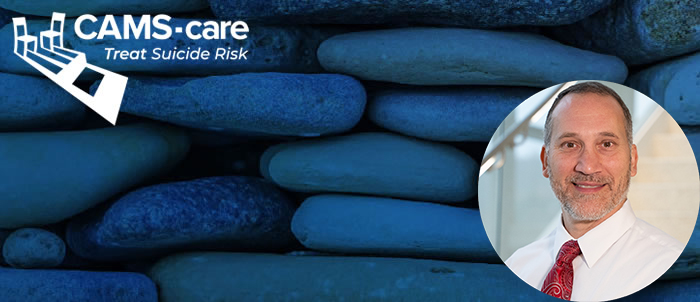
Edwin Boudreaux, PhD

About Edwin Boudreaux Ph.D.

Edwin D. Boudreaux, PhD, is a clinical health psychologist with a significant focus on suicide prevention and intervention. He holds the position of Professor of Emergency Medicine, Psychiatry, and Population and Quantitative Health Sciences at the UMass Chan Medical School. Dr. Boudreaux is also the Vice Chair of Research for the Department of Emergency and Co-Director of the Center for Accelerating Practice to End Suicide (CAPES).
He received his undergraduate education at the University of Louisiana and earned his PhD from Louisiana State University, where he studied health psychology. He completed his internship at the Medical University of South Carolina, specializing in addiction treatment. Dr. Boudreaux is licensed as a clinical psychologist in Massachusetts and has a strong background in integrating behavioral health across various medical settings, including emergency medicine, inpatient, and primary care.


David A. Jobes, PhD

About David A. Jobes Ph.D. ABPP

David Jobes, PhD, ABPP, is the founder of CAMS-care, LLC. He began his career in 1987 in the Counseling Center of the Catholic University of America, where he developed a suicide risk assessment tool for college students that evolved into CAMS. Dr. Jobes is now a Professor of Psychology and Associate Director of Clinical Training at Catholic; he has trained thousands of mental health professionals in the United States and abroad in evidence-based assessment and treatment of suicide risk and the use of CAMS.

Watch the Recorded Webinar On-Demand

Enter your information to gain access.

  • This field is for validation purposes and should be left unchanged.
  • This field is hidden when viewing the form
  • This field is hidden when viewing the form
  • This field is hidden when viewing the form
  • This field is hidden when viewing the form
  • This field is hidden when viewing the form
  • This field is hidden when viewing the form

Modeling the Complexity of Suicide and Self-Harm using Computational Clinical Science

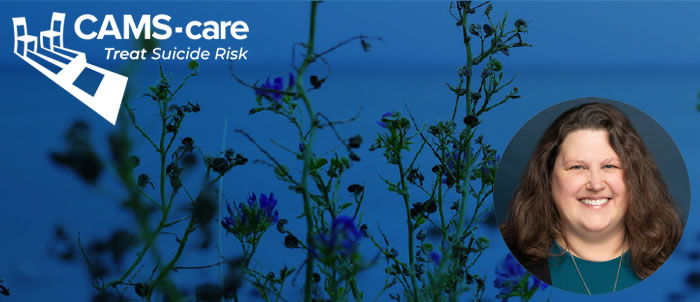
Mental disorders are incredibly complex, heterogeneous, and dynamic phenomena. Dr. Wang’s research aims to develop and harness novel methods that can capture and model this complexity, with a focus on suicide and other forms of self-harm. In this talk, Dr. Wang first presents a series of studies investigating why people engage in self-harming behaviors by identifying their reinforcement functions, which has also helped test and revise fundamental assumptions about the nature of these behaviors. Second, Shirley describes her data-driven computational work, which harnesses machine learning and real-time monitoring to predict who is at risk for suicide and self-harm and when risk is highest. Third, she discusses her theory-driven computational work investigating how suicide and self-harm arise by building formal mathematical models of these phenomena as complex dynamical systems. Finally, Dr. Wang outlines future directions for her research, which will continue integrating methods from clinical science, machine learning, and mathematical modeling to advance the understanding, prediction, and prevention of suicide and self-harm.

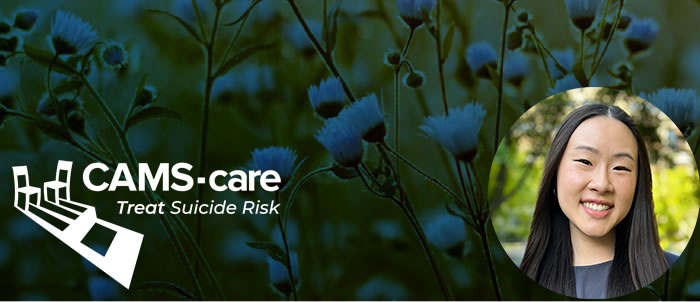
Shirley B. Wang, Ph.D.

About Shirley B. Wang, Ph.D.

Shirley B. Wang, Ph.D. is an Assistant Professor in the Department of Psychology at Yale University, where she directs the Computational Clinical Science Lab. She received her BA from The College of New Jersey (2017) and her PhD from Harvard University (2024). Her research aims to develop and harness methods that can capture and model the immense complexity of psychopathology, including mathematical, computational, and intensive longitudinal methods. She is particularly interested in why people engage in self-destructive behaviors, including suicide, nonsuicidal self-injury, and eating disorders. Dr. Wang’s work has been funded by the National Institutes of Health, the National Science Foundation, several private foundations, and published in over 50 scientific papers and book chapters. Her research and mentorship has also been recognized through the receipt of several awards, and she was recently listed as one of Forbes’ 30 Under 30 in Healthcare.


David A. Jobes, PhD

About David A. Jobes Ph.D. ABPP

David Jobes, PhD, ABPP, is the founder of CAMS-care, LLC. He began his career in 1987 in the Counseling Center of the Catholic University of America, where he developed a suicide risk assessment tool for college students that evolved into CAMS. Dr. Jobes is now a Professor of Psychology and Associate Director of Clinical Training at Catholic; he has trained thousands of mental health professionals in the United States and abroad in evidence-based assessment and treatment of suicide risk and the use of CAMS.

Watch the Recorded Webinar On-Demand

Enter your information to gain access.

  • This field is for validation purposes and should be left unchanged.
  • This field is hidden when viewing the form
  • This field is hidden when viewing the form
  • This field is hidden when viewing the form
  • This field is hidden when viewing the form
  • This field is hidden when viewing the form
  • This field is hidden when viewing the form

Suicide Risks of Healthcare Workers in the US

Suicide Risks of Healthcare Workers in the US - Feature Image

Healthcare workers play a crucial role in our world. From routine care to emergency situations, people in these professions are the ones we look to when we need care. However, even before the COVID-19 pandemic swept across the globe, the healthcare field had a reputation of being difficult. Healthcare professionals have historically been overworked, underappreciated, and dealt with issues such as stress, burnout, and other negative mental health outcomes. 

Between 2008 and 2019, a survey studied six types of healthcare professionals, including doctors and nurses. It also looked at technicians, support staff, and social health workers, comparing them to workers outside of healthcare. The overall findings revealed that healthcare workers, specifically registered nurses, health technicians, and healthcare support workers, were at a greater risk of suicide than non-healthcare workers. Because suicide among healthcare workers is clearly an issue, it’s important to explore why this is the case and what steps can be taken for suicide prevention for healthcare workers.

COVID-19: Shedding Light on an Existing Problem

During the pandemic, healthcare workers were on the front lines. Clinics and hospitals quickly became overcrowded as COVID spread and people needed care and testing. A study from NCSBN found that 62% of nurses reported an increase in their workload during the pandemic. They also found that approximately 100,000 nurses left the workforce during the pandemic. 

A reported 610,388 of nurses intended to leave the workforce by 2027, due to stress, burnout, and retirement. Another report from the Centers for Disease Control and Prevention (CDC) found that nearly half of all healthcare workers in the United States were experiencing burnout during the pandemic, intending to leave the field in 2022.

While the pandemic certainly increased the load that healthcare workers carried, it also made the public more aware of the struggles that those in healthcare-related professions experience on a regular basis. Issues such as poor working conditions, harassment, and chronic understaffing have been existing problems for decades. 

According to the Occupational Safety and Health Administration (OSHA), 74% of workplace violence in the U.S. in 2013 took place in healthcare settings. These numbers only seem to be increasing. The 2023 CDC Vital Signs report found that the number of healthcare workers who experience harassment doubled from 2018 to 2022. 

Violence in healthcare settings can happen for a number of reasons. Patients may lash out if they are anxious, in pain, or dealing with other mental health issues. Family members of

https://pmc.ncbi.nlm.nih.gov/articles/PMC10523169/

https://www.ncsbn.org/news/ncsbn-research-projects-significant-nursing-workforce-shortages-and-crisis

https://www.cdc.gov/vitalsigns/health-worker-mental-health/index.html

https://pmc.ncbi.nlm.nih.gov/articles/PMC5580583/#B3-ijerph-14-00879

https://www.cdc.gov/vitalsigns/health-worker-mental-health/index.html

patients may also act out due to anxiety or while seeing their loved one in pain. Some people may also expect care and service to be met to their specific standards. If it’s not, these people may become frustrated and take it out on the nurses and other professionals who are simply trying to do their jobs. 

The pandemic also had lasting effects on other areas of practice. The pandemic presented unique obstacles for mental and behavioral healthcare professionals, both during and after the crisis. While frontline healthcare workers faced the pandemic’s immediate impacts, mental healthcare workers are managing its long-term effects.. Many people have turned to therapy to help them process everything that happened. As a result, mental healthcare workers have also seen an increased workload, causing them to deal with burnout as well.

Factors that Lead to Suicide in Healthcare Workers

Working in a healthcare-related field often contributes to high amounts of stress and pressure. Caring for others requires a person to set aside their own needs in order to prioritize someone else’s. However, when a person is constantly neglecting their own needs for hours or even days at a time, it can lead to long-term negative effects on their physical, mental, and emotional well-being.

1. Burnout

Burnout is one of the biggest stressors that healthcare workers face. Nurses often work long shifts, sometimes over 12 hours at a time, while physicians may work upwards of 60 hours per week. Depending on the day’s demands, they may be taking on more tasks than time allows. This was especially true during the pandemic when healthcare facilities were dealing with staffing shortages due to illness and struggled to keep up with the demand for care. 

Burnout can lead to many issues, including risk of medical errors and inefficiency. According to the Mayo Clinic, when someone experiences physical burnout, it’s like missing out on the productivity of seven entire classes of medical school graduates. Studies have shown that as many as 75% of all healthcare professionals struggle with burnout, with up to 12% of these individuals dealing with suicidal ideation.

2. Lack of Support

Being without support is another common issue affecting many in the healthcare industry. In the nursing field, this may look like insufficient staffing, lack of resources, and demanding workloads. Nurses may be assigned to more patients than they are able to properly care for when staffing is low or a hospital is busy. High demands and pressure from other staff may lead to presenteeism. Presenteeism is when an employee is physically at their job despite being ill or unwell to the point of not being able to perform their role effectively. Nurses have the highest rates of presenteeism in the workforce.

https://pmc.ncbi.nlm.nih.gov/articles/PMC6367114/

https://pmc.ncbi.nlm.nih.gov/articles/PMC6367114/

https://pmc.ncbi.nlm.nih.gov/articles/PMC9098943/

https://pmc.ncbi.nlm.nih.gov/articles/PMC9098943/

3. Trauma

Finally, exposure to trauma plays a huge role in one’s mental health. Nurses in particular are exposed to traumatic situations regularly, especially in emergency settings. The pandemic brought about a whole new level of this as more of the population was dealing with severe illness. Being exposed regularly to people who are suffering can lead to compassion fatigue and secondary traumatic stress, which both can cause symptoms such as increased anxiety and irritability. It may even lead to post traumatic stress disorder or other issues such as substance use disorders.

Nursing Shortage in the United States

It’s no surprise that nurses and other healthcare professionals are leaving the field, especially after the pandemic. Unfortunately, this leaves healthcare facilities at a loss and puts a greater burden on those who continue to stay and work. The World Health Organization (WHO) has reported that by 2030, the world may be short of 5.7 million nurses. 

The U.S. in particular has been seeing a decrease in nurses, which is alarming as the Baby Boomer generation continues to age, needing increased care. Additionally, nursing school enrollment may not be keeping up with the demands of projected care needs. The American Association of Colleges of Nursing (AACN) reported drops in both PhD and master’s nursing programs by 3.1% and 0.9%.

Further Impact on the Community 

When healthcare workers are undervalued, it can have serious consequences that affect the rest of the community. There are many ways in which the lack of support can have lasting impacts, especially since the pandemic.

1. Reduced Quality of Care

As stated earlier, when healthcare staff are overworked, there is an increased risk of errors. This can lead to mistakes in patient care. The quality of service may decline. Patients might become dissatisfied. They might avoid seeking care when needed.. Over time, this could lead to a wider distrust in the healthcare system as a whole. 

2. Strained Relationships

Those working demanding healthcare jobs may not have the time or energy to give to other relationships in their life. Because of this, they may become detached. When nurses and healthcare professionals are seen as detached, it affects public opinion. It can make them seem impersonal or rude. This contributes to a negative view of the field. As a result, people may hesitate to receive care. They may also be less likely to pursue jobs in the industry.

https://www.beckershospitalreview.com/nursing/world-may-be-short-5-7m-nurses-by-2030-4-report-takeaways/

https://www.aacnnursing.org/news-data/fact-sheets/nursing-shortage

https://www.aacnnursing.org/news-data/fact-sheets/nursing-shortage

3. Financial Toll

High employee turnover due to poor working conditions and employees’ mental health issues can have negative financial consequences and lead to higher operational costs. This can create ripple effects through the community, making care more expensive and difficult to access for many.

Prevention Strategies for Healthcare Professionals

Healthcare workers may be reluctant to seek help due to the fact for several reasons. Those with demanding work schedules and long shifts may struggle to find the time needed to pursue therapy or other support.

There is also the fear that seeking help may impact one’s career in the healthcare field. People in various types of caretaking roles are expected to “have it all together.” Because so much time is spent caring for others, the thought of caring for themselves may not cross their mind as frequently as it should. However, there are steps that can be taken to help protect healthcare workers’ mental health.

1. Reducing Stigma

Open conversations about mental health are essential. This is especially true in workplaces. Healthcare settings, in particular, need this openness. It helps reduce the stigma. It keeps mental health a priority for everyone. Fostering these conversations is an easy first step among colleagues. Check in with each other after long days or tough moments. Acknowledge difficult situations and process through them together. 

2. Expanding Resources for Mental Health and Suicide

Another important element is having resources readily available for staff to access when they’re struggling. Employee assistance programs (EAPs) and other support groups are a good step, as well as providing access to mental health screening tools. However, larger scale change needs to happen for there to be a true difference made. 

In 2024, Australia introduced a Nurse and Midwife Health Program. It aims to support those in the workforce. This encourages them to stay in the field. Nurses, midwives, and students can speak with peers. These peers have experienced similar situations. They offer practical support. Similarly, in 2024, Canada launched a toolkit. It is intended for use across their healthcare system. This toolkit focuses on eight themes and is aimed at helping healthcare employers retain their employees. While the U.S. has taken a few steps toward providing resources, there is more that can be done to support healthcare workers and ensure better working conditions. Suicide prevention training for healthcare professionals and other mental health services need to be easily accessible to help those who are struggling.

https://www.canada.ca/en/health-canada/news/2024/03/improving-the-working-lives-of-nurses-across-canada.html?utm_source=chatgpt.com

3. Encouraging Future Generations

Additionally, it is crucial to encourage the next generation to pursue a career in healthcare. It is rewarding and beneficial for others and themselves. Several statewide initiatives are helping address the nurse shortage. These initiatives make education more accessible for interested students. However, larger-scale change is necessary. This change is needed for others to feel a sense of safety. They need to feel safe entering a demanding profession. Healthcare is known for being physically, mentally, and emotionally demanding. 

Those who work in a profession of caring for others often have the hardest time caring for themselves. However, this is not their fault. There are larger issues at play that make it extremely difficult for people in professions such as nursing to have the time and resources to be able to support themselves. The pandemic also added another layer of complication to an already struggling system. 

For U.S. healthcare professionals, suicide and mental health issues are growing concerns. These should not be ignored. Burnout and high numbers of healthcare workers leaving the field should continue to be studied since these go hand-in-hand. 

Change needs to happen so that healthcare professionals don’t continue to suffer. Patients deserve to see healthcare workers who are feeling their best and can perform their job to the best of their ability. Ensuring the safety of those in healthcare roles is more than simply an ethical responsibility. It is an essential step toward creating a more sustainable healthcare system for all.

Remember, if you or a loved one are struggling, the 988 Suicide & Crisis Lifeline is available.

The Role of Family Estrangement in Suicidal Ideation: Understanding the Connection and Finding Hope

Family is a central part of most people’s lives, but when family relationships are strained, it can bring immense pain and grief. Lack of family support can play a huge role in many aspects of a person’s life, including their mental health. 

The topic of family estrangement has historically been understudied and under researched. Because all scenarios are unique, it’s difficult to compare different people’s experiences. Family estrangement, however, is surprisingly common, and it’s important to be aware of the ways it can affect you or someone you know.

Understanding Estrangement

Estrangement is defined as no longer being on friendly terms with a person or group of people – usually someone you were previously close with. According to some studies, as many as one in four people are estranged from at least one family member. 1 Causes of family estrangement vary greatly depending on the situation and people involved. However, there are some common factors that often play a role. 

  • Unresolved issues: When families have issues that have been swept under the rug for years, this can cause a deep rift. Examples are significant life changes that occurred in the family (such as divorce) or persistent emotional issues (such as pressure or favoritism) that were never addressed.
  • Generational trauma: Trauma can sometimes be passed down from one generation to the next. This creates a cycle that is hard to break.
  • Differences in lifestyle or beliefs: People change as they grow. These changes can lead to different views or beliefs. Other family members may feel threatened or uncomfortable with these differences. This can cause conflict in relationships.
  • Addiction or abuse: In some extreme situations, such as addiction or abuse, estrangement may be necessary for the safety of you and others.


Estrangement and Suicidal Ideation: The Connection


Family estrangement results in many
complicated feelings. It’s no surprise that it has a negative impact on a person’s life, contributing to higher levels of depression. 2  Suicidal ideation can result from these depressed feelings combined with other emotions and struggles that build up over time. 

Isolation and rejection are two common feelings people facing family estrangement may experience. Being left without the support of someone you’ve grown up with can be a challenging shift. It also makes joyful seasons, like holidays or family celebrations, become complicated, painful, and lonely for those left out.

Guilt is another challenging feeling. In some situations, the person who has been estranged is left wondering if they could have prevented the situation. They may be blamed by family members for causing the problem in the first place. 

If someone needs to distance themselves from a family member for safety, they might feel guilty. They may struggle with not being able to help that person. These feelings can be tough when you have a family member with a serious addiction. It is hard when they refuse to get help.


Additional Risk Factors

Family estrangement can cause strong negative feelings. However, it’s also important to think about other risk factors. These factors may be present when someone is having thoughts of suicide.

People with a history of mental health issues are at higher risk. This also includes those who feel socially isolated.

Having a history of unhealthy coping methods, like using drugs and alcohol, can also lead to thoughts of suicide. Community and social factors can also play a role. For example, there may be a stigma around seeking help. People might also have limited access to mental health resources. 3


Support Beyond Family

When someone is dealing with family estrangement, it’s important for them to find outlets for support, whether it be friends or support groups in their community. Having people to turn to during both tough times and joyous moments is essential to maintaining mental well-being and fostering a sense of motivation and purpose. 

Therapy is also crucial when dealing with family estrangement. A therapist can help you untangle the layers of complicated and conflicting emotions you may be experiencing as well as help you learn healthy coping skills.


Moving Forward 

Not every instance of family estrangement is permanent. Sometimes, it can be possible to find reconciliation and healing. This usually happens gradually through small steps of communication with clear boundaries from both parties. Working with a family therapist can be helpful when mending these relationships. 

However, not every scenario benefits from finding a resolution. There are times when estrangement is permanent, whether by your choice or someone else’s. In these instances, speaking with a therapist can be helpful in learning to grieve, accept the situation, and move forward.

Family estrangement is incredibly complex and can leave lasting impacts. When estrangement leads to suicidal ideation, it’s crucial to seek help or recognize the warning signs in others who are struggling. Healing and recovery are possible through avenues such as therapy and support groups. If you or someone you know is struggling, reach out to the 988 Suicide & Crisis Lifeline

Public Health Approaches to Suicide Prevention

Because of our rising suicide rate, the United States Surgeon General, Vivek Murthy, called mental health the “defining health crisis of our time.” Despite many countries having had suicide prevention strategies for decades, we see a general lack of investment with suicide rates increasing in many settings and suicide-related inequities. The majority of people who die by suicide were not engaged in mental health services in the months before their deaths. This indicates the need to also advance a public health approach to suicide rather than primarily relying on the crisis and mental health systems for suicide prevention. Suicide prevention approaches must be engaging, culturally relevant and meet people where they are by spanning multiple community service sectors (e.g., schools, colleges/universities, healthcare, justice system, child welfare, etc.) and social media. The epidemiology of suicide, risk factors for suicide, the national context, and suicide research evidence are shifting which could point to possible new directions for suicide prevention.

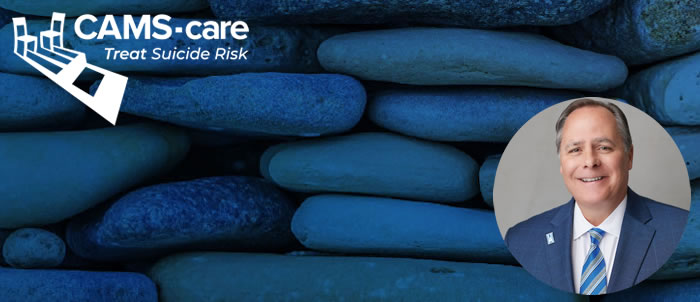
Holly Wilcox, PhD

About Holly Wilcox Ph.D.

Dr. Holly Wilcox is founder and Director of the Johns Hopkins Center for Suicide Prevention. She is also a Professor in the Department of Mental Health at the Johns Hopkins Bloomberg School of Public Health with joint appointments in the Department of Health Policy and Management as well as the schools of medicine and education.  Holly uses research to advance public health approaches to suicide prevention, including policies, early intervention, and chain of care approaches. Holly serves as President of the International Academy of Suicide Research (IASR), on the national board of the American Foundation for Suicide Prevention (AFSP), and as a consultant on suicide prevention for the WHO.


David A. Jobes, PhD

About David A. Jobes Ph.D. ABPP

David Jobes, PhD, ABPP, is the founder of CAMS-care, LLC. He began his career in 1987 in the Counseling Center of the Catholic University of America, where he developed a suicide risk assessment tool for college students that evolved into CAMS. Dr. Jobes is now a Professor of Psychology and Associate Director of Clinical Training at Catholic; he has trained thousands of mental health professionals in the United States and abroad in evidence-based assessment and treatment of suicide risk and the use of CAMS.

Watch the Recorded Webinar On-Demand

Enter your information to gain access.

  • This field is for validation purposes and should be left unchanged.
  • This field is hidden when viewing the form
  • This field is hidden when viewing the form
  • This field is hidden when viewing the form
  • This field is hidden when viewing the form
  • This field is hidden when viewing the form
  • This field is hidden when viewing the form

New Directions in Suicide Safety Planning: The Project Life Force (PLF) Intervention

Dr. Goodman describes the development and testing of a novel treatment – “Project Life Force (PLF)” – which combines aspects of two evidence based treatments: Suicide Safety Planning and Dialectical Behavior Therapy Skills. The intervention is delivered in a group format and virtually since the pandemic. PLF framework, clinical data and implementation efforts were reviewed.

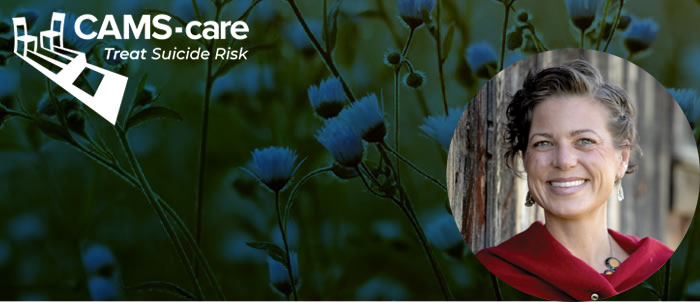
Marianne Goodman, PhD

Marianne Goodman, MD

Dr. Goodman has been a full time VA clinician (psychiatrist)-scientist at the James J. Peters VA Medical Center (JJPVA) for twenty-five years. In addition to being the Director of the VISN 2 Mental Illness, Research, Education, Clinical Center (MIRECC), she was the Director and developer of the JJPVA Dialectical Behavioral Therapy (DBT) Clinical and Research program from 2002-2015 and Director of the JJPVA Suicide Prevention Clinical Research Program from 2015-present. Her expertise is in the management of high risk suicidal and emotionally dysregulated Veterans and is considered one of the top suicide prevention experts in the VA system, actively involved in clinical care, research and education. Additionally, she has been the recipient of several prestigious awards for her involvement in suicide prevention and DBT treatment including the New York Federal Executive Employee Outstanding Individual Achievement Award for her Clinical DBT Program for Suicidal Veterans (2009), VISN 3 Network Director’s Achievement Award for Training VISN 3 Clinicians in DBT (2012), and the New York State Excellence in Suicide Prevention Award for Implementation of Zero Suicide in a Healthcare Setting (2018).
In 2015, she shifted her research direction to focus on treatment development for suicide prevention and designed “Project Life Force” (PLF) a novel group intervention that adapts DBT, combining emotion regulation skills with suicide safety planning and lethal means safety which was initially funded with a VA RR&D SPiRE pilot grant (2016-2018), and more recently funded with a multi-site VA RCT with a CSRD Merit (2018-2024). This intervention has moved to full telehealth delivery and with a 2021 SPRINT pilot award expanded to target populations of suicidal rural Veterans (PLF-RV). Dr. Goodman will present on her Project Life Force Intervention.

David A. Jobes, PhD

About David A. Jobes Ph.D. ABPP

David Jobes, PhD, ABPP, is the founder of CAMS-care, LLC. He began his career in 1987 in the Counseling Center of the Catholic University of America, where he developed a suicide risk assessment tool for college students that evolved into CAMS. Dr. Jobes is now a Professor of Psychology and Associate Director of Clinical Training at Catholic; he has trained thousands of mental health professionals in the United States and abroad in evidence-based assessment and treatment of suicide risk and the use of CAMS.

Watch the Recorded Webinar On-Demand

Enter your information to gain access.

  • This field is for validation purposes and should be left unchanged.
  • This field is hidden when viewing the form
  • This field is hidden when viewing the form
  • This field is hidden when viewing the form
  • This field is hidden when viewing the form
  • This field is hidden when viewing the form
  • This field is hidden when viewing the form

Colorado’s Comprehensive Approach to Suicide Prevention: What’s Working

Colorado's Comprehensive Approach to Suicide Prevention: What's Working

Dr. Lena Heilmann, Director of the Colorado Office of Suicide Prevention (OSP), provided an overview of Colorado’s comprehensive approach to suicide prevention, including the programs OSP funds and leads; Colorado-specific suicide-related data and data systems; a deeper dive into the Colorado-National Collaborative and OSP’s emphasis on suicide-specific care; how OSP works to meet the needs of all Colorado communities, including priority populations that face unique challenges and barriers that can increase risk of suicide; how OSP funds its programs through braided fundings and federal grants; the Colorado Suicide Prevention Commission and collaborations with partners across the state through its five active workgroups covering the programs we run and fund through OSP; what a comprehensive approach is; what the CNC is; that we work to meet the needs of all Colorado communities, including priority populations; which federal grants we have and how we implement them; provide an overview of the Commission and workgroups; and show some Colorado-specific data.

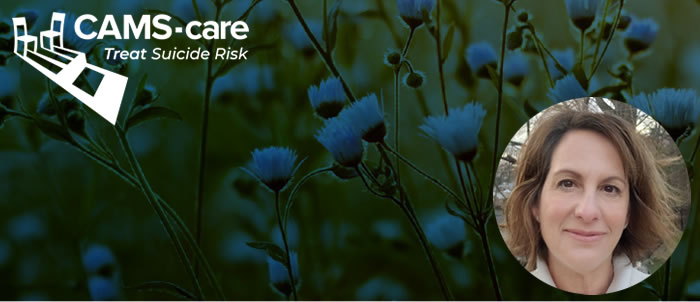
Lena Heilmann, PhD

About Lena Heilmann, PhD

Lena Heilmann (she/hers), PhD, MNM, is the Director of the Colorado Office of Suicide Prevention (which is housed within CDPHE). The Office of Suicide Prevention’s mission is to serve as the lead entity for suicide prevention, intervention supports, and postvention efforts in Colorado, collaborating with communities statewide to reduce the number of suicide deaths and attempts. Lena leads a team of eleven people who are passionate about reducing the impact of suicide in Colorado. Lena leads suicide prevention responses to media inquiries, provides subject matter expertise to legislation, serves as the Co-Chair for the Suicide Prevention Commission, is accountable to meeting statutory mandates for the Office, and serves as PI on two SAMHSA grants: GLS Youth Suicide Prevention and Early Intervention and the National Strategy for Suicide Prevention. Lena is fiercely committed to equity in the Office’s approach to comprehensive suicide prevention and had led various initiatives to center community voice, lived experience, and to address disparities impacting Coloradans.

Lena’s passion for this work comes directly from her lived experience. In 2012, Lena lost her only sister Danielle to suicide. Lena’s world and identity shattered with the loss of her soulmate sister. In order to survive this traumatic grief and to honor her sister, Lena decided to leave her career as a German and Gender/Women’s Studies professor and turned to a life of suicide prevention. She connected with sibling suicide loss survivors and compiled a book-length collection of essays titled Still With Us: Voices of Sibling Suicide Loss Survivors, which the American Association of Suicidology (AAS) recognized by awarding Lena with the 2021 AAS Suicide Loss Survivor of the Year Award. Lena volunteers for the American Foundation for Suicide Prevention (AFSP)’s Healing Conversations program.

David A. Jobes, PhD

About David A. Jobes Ph.D. ABPP

David Jobes, PhD, ABPP, is the founder of CAMS-care, LLC. He began his career in 1987 in the Counseling Center of the Catholic University of America, where he developed a suicide risk assessment tool for college students that evolved into CAMS. Dr. Jobes is now a Professor of Psychology and Associate Director of Clinical Training at Catholic; he has trained thousands of mental health professionals in the United States and abroad in evidence-based assessment and treatment of suicide risk and the use of CAMS.

Watch the Recorded Webinar On-Demand

Enter your information to gain access.

  • This field is for validation purposes and should be left unchanged.
  • This field is hidden when viewing the form
  • This field is hidden when viewing the form
  • This field is hidden when viewing the form
  • This field is hidden when viewing the form
  • This field is hidden when viewing the form
  • This field is hidden when viewing the form

2024 CAMS Update and Introducing CAMS Brief Intervention

2024 CAMS Update and Introducing CAMS Brief Intervention

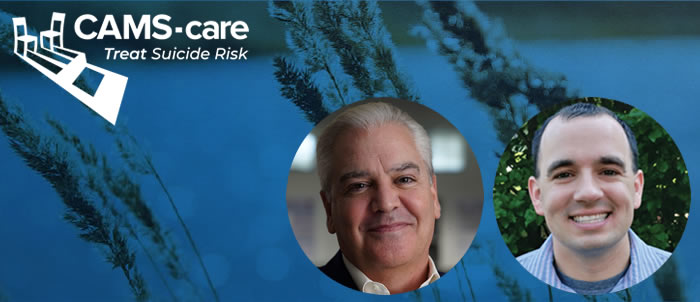
In this suicide prevention month webinar, Dr. Jobes will discuss recent updates based on clinical trial research, clinical use of CAMS, and training developments related to CAMS. With five on-going randomized controlled trials and a series of recent publications, there is much news to report on all things CAMS. Dr. Jobes will then be joined by Dr. Ray Tucker who will present on the emerging use of CAMS as a single-session brief inpatient and/or emergency department intervention with promising preliminary evidence. There are now several new research efforts to replicate and extend early CAMS-BI™ findings. Join us for this exciting update and introduction to CAMS BI as a novel and much needed suicide-focused brief intervention.

David A. Jobes, PhD

About David A. Jobes Ph.D. ABPP

David Jobes, PhD, ABPP, is the founder of CAMS-care, LLC. He began his career in 1987 in the Counseling Center of the Catholic University of America, where he developed a suicide risk assessment tool for college students that evolved into CAMS. Dr. Jobes is now a Professor of Psychology and Associate Director of Clinical Training at Catholic; he has trained thousands of mental health professionals in the United States and abroad in evidence-based assessment and treatment of suicide risk and the use of CAMS.

Dr Raymond Tucker Headshot

About Dr. Raymond P. Tucker

Associate Professor of Psychology, Louisiana State University (LSU)
Clinical Assistant Professor of Psychiatry, Louisiana State University Health Sciences Center (LSUHSC)/Our Lady of the Lake (OLOL),
Raymond P. Tucker is a licensed clinical psychologist and associate professor of psychology at Louisiana State University. There he teaches undergraduate courses in psychology, graduate courses in clinical psychology, and founded the LSU Mitigation of Suicidal Behavior research laboratory. As a clinical assistant professor of psychology at LSUHSC/OLOL, he trains medical staff/students in suicide-specific evidence-based assessment and intervention protocols.

Watch the Recorded Webinar On-Demand

Enter you information to gain access.

  • This field is for validation purposes and should be left unchanged.
  • This field is hidden when viewing the form
  • This field is hidden when viewing the form
  • This field is hidden when viewing the form
  • This field is hidden when viewing the form
  • This field is hidden when viewing the form
  • This field is hidden when viewing the form

Suicide Prevention: Why Are Therapists Rarely Trained in Suicide Prevention & Treatment?

Date: February 21, 2023

Rates for death by suicide are on the rise and sadly, those we turn to for help have little to no formal training to effectively treat suicidal patients. The current state of suicide prevention is well illustrated in the image below.

Suicide Prevention Training
Teresa Lo/USA Today


USA Today recently published two articles that explore the challenges of training mental health professionals in preventing suicide and tips for suicidal people on how to find a qualified mental health professional.  CAMS is one of only a few evidence and outcome-based treatments noted by the Joint Commission and included in both the Zero Suicide Toolkit and the CDC’s Preventing Suicide: A Technical Package of Policy, Programs and Practices.

Explore USA Today Articles on the Relationship Between Therapy & Suicide Prevention

Learn more about the challenges faced by both therapists and patients when it comes to managing & preventing suicidal ideation. Read the articles below to find out more.

We Tell Suicidal People to Go to Therapy. So Why Are Therapists Rarely Trained in Suicide?

Get the expert perspective on the importance of suicide prevention training and how it can be improved in the mental health field. Learn more about challenges that therapists face in identifying and treating patients with suicidal thoughts, including the stigma surrounding suicide and the lack of standardized suicide prevention training in graduate programs for mental health professionals. Read the article

How To Find a Therapist if You’re Suicidal

Find out about the importance of seeking professional help for those struggling with suicidal thoughts, and get practical advice on how to find a therapist who can provide effective, evidence-based support for suicidal ideation. Read the article

The CAMS Framework® of Suicide Assessment: Intervention, Prevention & Treatment Backed By 30 Years of Ongoing Clinical Research

CAMS-care (Collaborative Assessment and Management of Suicidality) offers several courses to mental health professionals to help them provide effective care to individuals with suicidal ideation.

Managing Suicidal Risk: A Collaborative Approach

The current edition of Dr. Jobes’ book, “Managing Suicidal Risk: A Collaborative Approach,” introduces the CAMS Framework for suicide prevention and therapy. The CAMS Framework is backed by decades of extensive research and emphasizes a collaborative approach to managing suicidal risk. The book provides evidence-based data and practical guidance on how to implement CAMS in clinical settings, making it an essential resource for mental health professionals seeking to provide effective care to individuals with suicidal ideation.

Suicide Prevention Video Training

CAMS-care provides video training opportunities for mental health professionals to effectively address malpractice and ethical liability issues when working with suicidal patients. The training covers essential topics, including how to deal with difficult patients and treating suicidal risk in children and adolescents. By providing comprehensive suicide prevention and therapy training, CAMS-care aims to equip mental health professionals with the skills and knowledge they need to provide effective care to individuals with suicidal ideation while minimizing malpractice and ethical liability risks.

Other Evidence-Based Suicide Prevention Training

CAMS consultants offer a range of suicide prevention and therapy training opportunities for mental health professionals. Their on-site Role-Play Training enables clinicians to practice using the CAMS approach with patients, while Education Days provide a broader audience with an understanding of the importance of evidence-based treatments in a system of care. Additionally, CAMS consultants offer Consultation Calls, which provide clinicians with the opportunity to ask questions and receive expert guidance when working with patients who have suicidal ideation. By offering these comprehensive training and consultation services, CAMS aims to equip mental health professionals with the skills and support they need to provide effective care to patients at risk of suicide.

About the Author

David A. Jobes Ph.D. ABPP

David A. Jobes Ph.D. ABPP
David Jobes, PhD, ABPP, is the founder of CAMS-care, LLC. He began his career in 1987 in the Counseling Center of the Catholic University of America, where he developed a suicide risk assessment tool for college students that evolved into CAMS. Dr. Jobes is now a Professor of Psychology and Associate Director of Clinical Training at Catholic; he has trained thousands of mental health professionals in the United States and abroad in evidence-based assessment and treatment of suicide risk and the use of CAMS.

About David A. Jobes Ph.D. ABPP

David A. Jobes Ph.D. ABPP
David Jobes, PhD, ABPP, is the founder of CAMS-care, LLC. He began his career in 1987 in the Counseling Center of the Catholic University of America, where he developed a suicide risk assessment tool for college students that evolved into CAMS. Dr. Jobes is now a Professor of Psychology and Associate Director of Clinical Training at Catholic; he has trained thousands of mental health professionals in the United States and abroad in evidence-based assessment and treatment of suicide risk and the use of CAMS.