Essential DBT Skills for Individuals Who are Suicidal and the People that Care for Them

Essential DBT Skills for Individuals Who are Suicidal and the People that Care for Them On-Demand Webinar

Dialectical Behavior Therapy (DBT) is a comprehensive psychological treatment that was originally developed for borderline personality disorder but has been expanded to a variety of problems, many of which have been experienced by people during the historical events of the past few years. Dozens of randomized trials of DBT have been conducted including studies evaluating the efficacy of only the skills portion of the treatment. Results support the use of DBT skills to increase emotion regulation capabilities and decrease negative mental health outcomes such as depression and anxiety. In this presentation, Dr. Rizvi reviews the DBT skills modules, the proposed mechanisms of change within DBT, and will highlight specific skills that may be especially useful to the majority of clients who experience suicidal thoughts and behaviors. In addition, skills that therapists and family members can use themselves to manage stress and burnout will be reviewed.

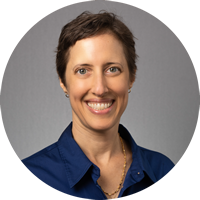
Shireen L. Rizvi, PhD, ABPP

About Shireen L. Rizvi, PhD, ABPP

Shireen L. Rizvi, PhD, ABPP is Professor of Clinical Psychology at the Graduate School of Applied and Professional Psychology (GSAPP) at Rutgers University, where she also holds affiliate appointments in the psychology department, School of Public Health, and the Department of Psychiatry. Her research interests include improving outcomes, training, and dissemination of Dialectical Behavior Therapy (DBT) for the treatment of complex and severe populations. Dr. Rizvi has received funding from the National Institute of Mental Health (NIMH), the National Institute on Drug Abuse (NIDA), Rutgers University, and the American Foundation for Suicide Prevention (AFSP) for her research. Her work has resulted in dozens of peer-reviewed articles and book chapters, as well as a sole-authored book entitled Chain Analysis in Dialectical Behavior Therapy and a co-edited volume, DBT in Clinical Practice (2nd edition). Dr. Rizvi is board certified in Behavioral and Cognitive Psychology and in Dialectical Behavior Therapy. Dr. Rizvi has trained hundreds of students and practitioners from around the world in DBT. She has received the Spotlight on a Mentor Award from the Association of Cognitive and Behavioral Therapies (2017), the International Society for the Improvement and Teaching of DBT (ISITDBT) Perry Hoffman Service Award (2020), and Professor of the Year for Excellence in Teaching, Graduate School of Applied and Professional Psychology (2022).

Watch the Recorded Webinar On-Demand

Enter your information to gain access.

  • This field is for validation purposes and should be left unchanged.
  • This field is hidden when viewing the form
  • This field is hidden when viewing the form
  • This field is hidden when viewing the form
  • This field is hidden when viewing the form
  • This field is hidden when viewing the form
  • This field is hidden when viewing the form

Attachment-Based Family Therapy: a family safety net approach to suicide treatment

Attachment-Based Family Therapy: a family safety net approach to suicide treatment On-Demand Webinar

For adolescent and young adults, family conflict can drive a suicidal crisis and family support can buffer against it. ABFT aims to identify and address the family events (e.g. divorce) and processes (e.g. high demand, low warmth) that may exacerbate the distress and prohibit the family serving as a safety net. Individual sessions with the patient and the parents prepare them for conversations that address attachment ruptures and disappointment. Not only do these conjoint sessions resolve problems but server as in vivo change events where parents practice new parenting skills and the young person practices new emotion regulation skills. This brief talk will present the essential theory and elements of this well researched empirically supported therapy.

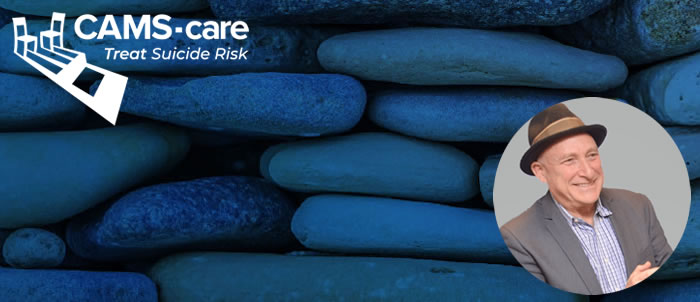
Guy Diamond, Ph.D.

About Guy Diamond, Ph.D.

Guy Diamond Ph.D. is Professor Emeritus at the University of Pennsylvania School of Medicine and Associate Professor at Drexel University in the College of Nursing and Health Professions. At Drexel, he is the Director of the Center for Family Intervention Science (CFIS). His primary work has been in the area of youth suicide prevention and treatment research. On the prevention side, he has created a program focused on training, screening and triage to be implemented in non-behavioral health settings. On the treatment side, he has focused on the development and testing of attachment-based family therapy, especially for teens struggling with depression and suicide. Much of this work has focused on inner city low income families.

Watch the Recorded Webinar On-Demand

Enter your information to gain access.

  • This field is for validation purposes and should be left unchanged.
  • This field is hidden when viewing the form
  • This field is hidden when viewing the form
  • This field is hidden when viewing the form
  • This field is hidden when viewing the form
  • This field is hidden when viewing the form
  • This field is hidden when viewing the form

The Stepped Care Model in Clinical Suicide Prevention

According to the CDC, 12.2 million Americans seriously thought about suicide in 2020. 1.2 million actually made suicide attempts. With nearly 46,000 deaths per year, suicide remains a leading cause of death in the United States with rates of suicide steadily increasing over the past decade. Yet despite this health care emergency, mental health systems of care are largely underprepared to work effectively with suicidal individuals.

In response to these concerns, a recent policy initiative called “Zero Suicide” has advocated a systems-level response to the suicidal risk within health care and this policy initiative. And it’s working.

A “stepped care” approach has been developed and adapted to work within the Zero Suicide curriculum as a model for systems-level care that is suicide-specific, evidence-based, least-restrictive, and cost-effective. The Collaborative Assessment and Management of Suicidality (CAMS) is an example of one suicide-specific evidence-based clinical intervention that can be adapted and used across the full range of stepped care service settings.

This article describes several applications and uses of CAMS at all service levels and highlights CAMS-related innovations in the stepped care model. Psychological services are uniquely poised to make a major difference in clinical suicide prevention through a systems-level approach using evidence-based care such as CAMS. Here’s how stepped care can improve the effectiveness and efficiency of suicide care.

What is a Stepped Care Approach?

Stepped Care is a system of delivering and monitoring treatment so that the most effective and efficient treatment is delivered to patients first. Patients only “step up” to intensive/specialist services when it’s clinically required.

For example, a stepped care model for suicide care usually starts with suicide or crisis hotline support and follow-ups, like the 988 Suicide Helpline. This is followed by more involved and thus more costly and less easily scalable interventions like: additional follow-ups, emergency care, hospitalization, and finally specialist inpatient psychiatric care or hospitalization.
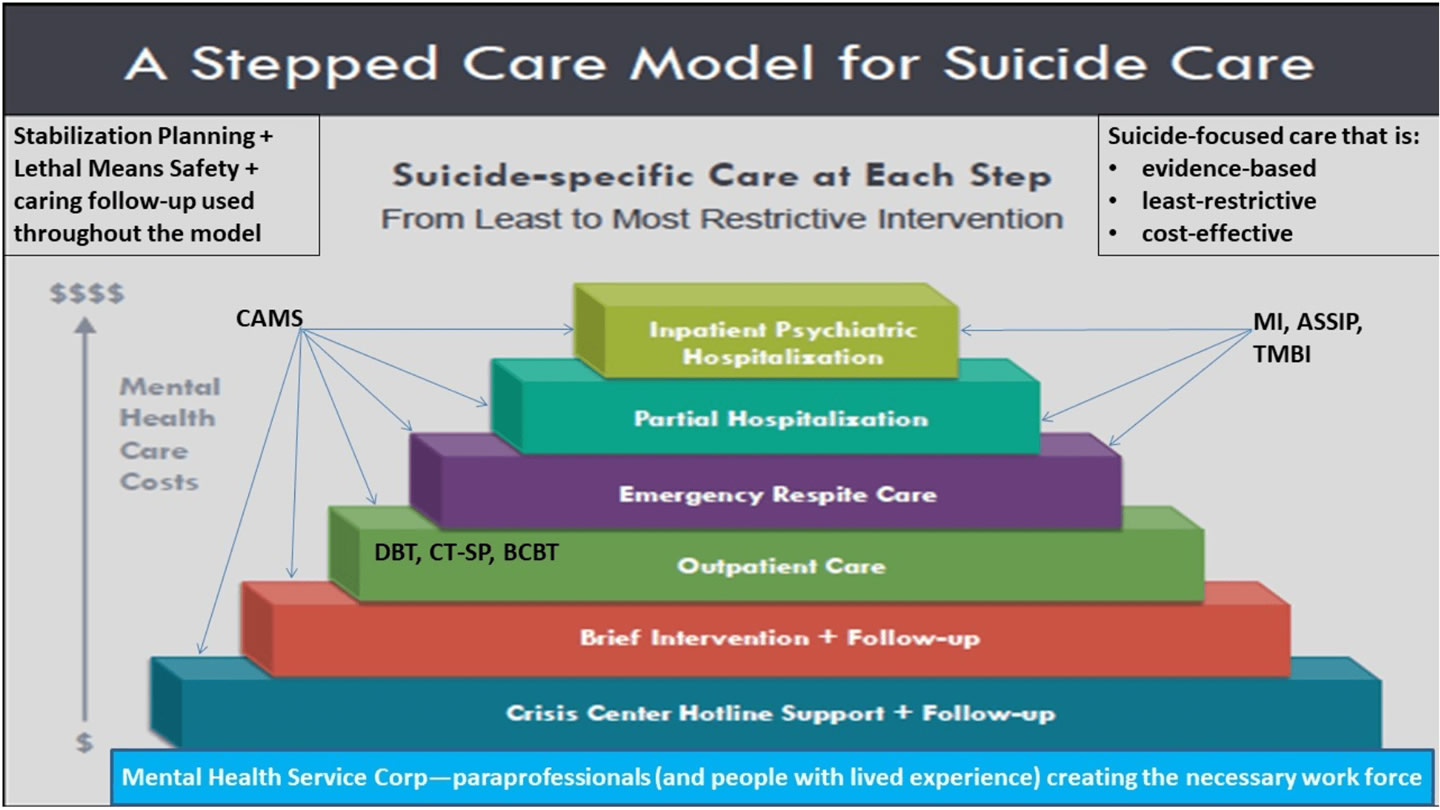
stepped care model

The goal of stepped care is to use evidence-based assessments, treatment plans, and patient tracking to allow the right people to deliver the right treatment in the right place at the right time to meet each patient’s needs.

Applications and Use of CAMS Across the Stepped Care Model

Suicide prevention and treatment is an immensely complicated and ever evolving field. However, thanks to evidence-based assessment and treatment frameworks, like The Collaborative Assessment and Management of Suicidality (CAMS) and tools like the Suicide Status Form (SSF) which is becoming a part of electronic health records across the country, clinicians can be more equipped to identify, treat, and ultimately prevent suicide.

CAMS has more than 30 years of evidence, five published randomized control trials, and two meta analyses one of which shows that CAMS is a “Well Supported” treatment by CDC criteria and is even proven to “reduce hopelessness and increase hope” in as few as six sessions. In fact CAMS is one of four evidence-based treatments that are referenced by the Joint Commission, Surgeon General and the CDC.

Click here to learn more about how we train physicians to use CAMS to treat and prevent suicide.

Crisis Hotline Support

Staffed by well-trained and compassionate professionals, suicide crisis lines are incredibly important tools in suicide care and prevention. They have the unique ability to provide vital crisis support to a range of suicidal individuals from all walks of life. But more importantly, crisis lines can effectively help suicidal individuals who may not be able to afford or even need costly clinical interventions.

CAMS can be a useful resource for call centers, since crisis center work typically focuses on assessing the immediate risk of suicide or suicidal thoughts through collaborative dialogue. The Suicide Status Form (SSF) is also a well-suited therapeutic assessment tool to efficiently stratify the level of risk during a crisis call, thanks to its easy to learn, structured, yet non-directive framework.

The SSF can also be used to track the ongoing risk of repeat callers, providing continuity of care when multiple crisis workers speak with the same caller over a period of time across shifts. Recent use of crisis text and chat lines present additional opportunities for using the SSF as a framework for collaborative suicide-specific engagement.

Brief Intervention

Emergency departments are often responsible for identifying, performing risk assessments, and referring suicidal individuals to specialist care, often in a high-volume, high stress environment. That’s a lot to ask from ED practitioners. That’s why we developed CAMS Brief Intervention (CAMS-BI™) to help meet this demand.

CAMS-BI is a single first session of CAMS using the SSF to learn about the patient’s suicide risk and the drivers of their suicidality, which leads to the development of a CAMS Stabilization Plan. CAMS-BI can be linked to non-demand caring follow-up contact in any way that’s agreeable to the patient including phone calls, text messages, e-mail, letters, etc. Emergency departments can also give out a Coping Care Package that includes various resources for patients to use after release.

Outpatient Settings

It’s essential for clinicians to attend to, assess, and treat suicidal risk in any mental health service setting. But the Suicide Status Form was originally developed for outpatient care, which means that CAMS is particularly well-suited for general outpatient mental health care services.

CAMS can help mitigate concerns regarding suicidal patients “falling through the cracks” by providing valuable structure and tracking support for both patients and clinicians. CAMS has even been adapted for use in several outpatient settings, including university counseling centers, community mental health centers, employee assistance programs, private practices, military, and Veterans Affairs behavioral health settings, and even successfully adapted to accommodate cultural considerations for use in countries around the world (Lithuania, China, Western Europe, and Australia).

Here is how CAMS is improving stepped suicide care in various clinical settings.

University Counseling Centers

CAMS has been successfully used in university counseling centers for years, and has proven to be especially adaptable to the unique culture of college life. One of the biggest strengths of CAMS on college campuses is how it integrates available resources in the university setting into the framework.

Empowering resident advisors, student-run organization, campus ministry, and health care services with the resources they need to help intervene with certain suicidal drivers and participate in the therapeutic process increases campus-wide awareness of suicidal risks while making the assessment and treatment stages of the process more efficient and effective for everyone involved.

Community Mental Health Centers

Clinicians working in Community Mental Health Centers often face unique challenges not limited to large case-loads, a chronic lack of resources, and an array of complex cases. CAMS can offer solutions to many of these challenges.

In a large-scale 5-year roll out of CAMS across the state of Oklahoma, CAMS was effectively adapted for CMHC patients with psychotic disorders and developmental delays. CAMS also increased hope and reduced suicidal ideation and overall symptom distress for outpatient CMHC patients, 40% of whom were homeless.

Independent Practice

Many clinicians in independent practice may feel particularly vulnerable and isolated when working with suicidal patients as they may not have access to various resources or a team of colleagues to help provide services and professional support. CAMS can provide clinicians with a clear procedural outline for assessing, treating, and tracking a suicidal patients’ progress, with tools like the SSF to increase their confidence and effectiveness at identifying and treating suicidal thoughts and ideations.

Military

Suicide remains a significant problem in the U.S. military, with many military Behavioral Health Clinics lacking a system for tracking ongoing suicidal ideation. As a consequence of this care gap many service members experience psychiatric hospitalization, which is not only inefficient, but often ineffective as suicide-specific treatment is typically limited.

Given the scope and scale of the problem, CAMS’ evidence-based, adaptable framework for assessing, tracking, and treating suicidal risk can provide an effective and scalable solution within military treatment facilities. It also addresses one of the biggest challenges for suicide care in the military — service members may not stay in one location long enough to complete a lengthy treatment protocol.

To help tackle this, CAMS aims to efficiently resolve suicidality in as few as six to eight sessions, and there’s a growing interest in the use of CAMS for military populations through telehealth.

Like standard CAMS, telehealth allows clinicians and behavioral health specialists to work together by jointly following the SSF as their clinical road map. Given the large number of service members who may not be able to access a treatment facility due to deployment, residing in remote areas, or physical disabilities, telehealth may provide a viable alternative to standard care. And many younger military members may also prefer a telehealth treatment option.

Veterans Affairs Outpatient Settings

Over many years CAMS has been extensively trained to providers across VA mental health treatment settings including VA medical centers and Community-Based Outpatient Clinics (CBOCs).

VA clinicians have a keen interest in the model and suicidal veterans anecdotally find the model helpful, but further clinical trial research is needed which is now being pursued by our research team.

Emergency Respite Care

As mentioned earlier, over the past several years, the state of Oklahoma has embraced the Zero Suicide policy model and has sought to systematically train CAMS to providers in their public mental health system. As part of their process improvement initiative, hundreds of outpatient providers and clinicians who work in brief intensive respite clinics have been trained to use CAMS in places where suicidal patients are stabilized over a 48-hr period and then discharged.

In the optimal care transition model, CAMS is initiated within crisis respite care to help stabilize the patient who is then discharged to a CAMS-trained provider who can continue the CAMS-guided care initiated in respite in an uninterrupted manner on an outpatient basis.

Partial Hospitalization

There has been some interest in using CAMS within partial hospitalization service settings. For example, there was some early clinical use of CAMS within a group format for severely mentally ill patients in a day treatment program within a VA Medical Center.

Partial programs offer intensive treatment in a more cost-effective and least-restrictive form of care. So it seems inevitable that CAMS will increasingly be used in such settings in the years ahead as a viable alternative to more expensive inpatient psychiatric care.

Inpatient Psychiatric Hospitalization

Within the current system of mental health care, individuals who are at imminent risk for suicide are often referred for inpatient care. And while the inpatient psychiatric setting may provide a safe and supportive environment for specific acute care services and stabilization, most of the interventions provided to suicidal patients are neither suicide-specific nor evidence-based.

In a report from the Suicide Prevention Resource Center (SPRC) and SAMHSA DJ Knesper noted:

“. . . the research base for inpatient hospitalization for suicide risk is surprisingly weak. This review could not identify a single randomized controlled trial about the effectiveness of hospitalization in reducing suicidal acts after discharge”.

Thankfully, this is changing as adaptations of the SSF and CAMS are being used to effectively assess and treat suicidal risk within inpatient settings. Most notably, the Mayo Clinic has used the SSF assessment to inform inpatient treatment and disposition discharge planning, and has further integrated the SSF into their routine assessment used with all patients at admission.

In terms of treatment, a Swiss team created an inpatient version of CAMS that was associated with dramatic decreases in overall symptom distress and suicidal risk in a sample of 45 suicidal inpatients over the course of 10 days of inpatient care.

Our team is currently exploring the use of an intensive inpatient version of CAMS, called CAMS Intensive Inpatient Care (CAMSIIC) which has been used in several inpatient treatment settings within the U.S. over a 3- to 6-day hospital stay. CAMS Brief Intervention involves conducting Session 1 of CAMS during a brief inpatient stay, necessitates the development of a stabilization plan, discussions of access to lethal means, and preliminary identification of issues in need of treatment (i.e., suicidal drivers) all of which should be quite relevant to the disposition of the patient upon discharge.

An adapted inpatient version of CAMS has also been used successfully at the Menninger Clinic in Houston, Texas. Referred to as CAMS-M, this adaptation offers CAMS twice per week with highly suicidal inpatients over a 50- to 60-day stay with clinicians focusing on intensively treating suicidal drivers while the nursing staff focuses on stabilization planning. The entire team then focuses on meaningful suicide-specific disposition and discharge planning.

In an initial open trial, a case series investigation of the effectiveness of CAMS within this longer-term inpatient psychiatric setting found statistically and clinically significant reductions in depression, hopelessness, suicidal ideation, and improvement in relation to suicidal drivers for 20 inpatients (Ellis, Green et al., 2012). A second study at the Menninger Clinic found significant changes in overall suicide ideation and suicide-related thoughts.

How CAMS Helps Diverse Populations

As a flexible clinical framework, CAMS has proven to be uniquely adaptable and modifiable to meet the needs of different patients, providers, and systems of care in the “real world” of psychological services. This adaptability has lead to CAMS being used to help diverse patient populations from suicidal inpatient teenagers at Seattle Children’s Hospital to suicide-specific group therapy within VA health care settings, and even the California state prison system and juvenile justice facilities in Georgia.

A systems approach to suicide prevention has clearly emerged as the best means for raising the overall standard of clinical care for suicidal patients with the promise of saving lives. Zero Suicide is a game-changing policy initiative that is gaining traction in the U.S. and abroad.

We have presented a stepped care model of suicide that is designed to treat suicidal risk in an evidence-based, least restrictive, and cost-effective manner. Moreover, we have shown the potential value of applying and using the CAMS evidence-based approach across the full range of psychological services—from paraprofessional interventions, to outpatient settings, to respite care, to partial care, and to inpatient psychiatric care.

CAMS may not work for every suicidal patient or setting, but it is highly adaptable and effective for a range of suicidal patients across systems of clinical care. Given that suicide is the fatality of mental health care, we urge members in our field to do all that we can to enhance our abilities to effectively assess and treat suicidal risk across the full range of organized health care settings to help save lives.

Contact us to learn more about CAMS training and a range of applications for CAMS and the SSF for clinicians and providers across the world.
How can technology improve how we predict and prevent suicidal thoughts and behavior?

How can technology improve how we predict and prevent suicidal thoughts and behavior? On-Demand Webinar

Technology like smartphones and smartwatches have become nearly ubiquitous over the past few years. This has led to a surge of interest into using this technology to better understand suicide risk as it occurs in everyday life as well as improve the delivery of interventions for suicide risk. In this webinar, Dr. Evan Kleiman will first focus on the progress we have made in using technology to predict and prevent suicidal thoughts and behaviors. Next, he will talk about the opportunities and challenges of using technology with suicidal individuals in clinical practice. Dr. Kleiman will end by giving a balanced view of what may and may not be possible in the future when using technology to study suicide.

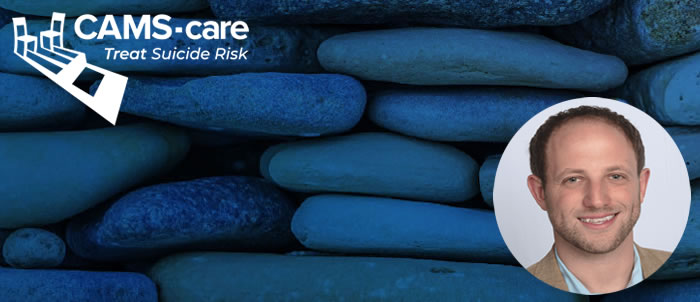
Dr. Evan Kleiman, PhD

About Dr. Evan Kleiman, PhD

Evan Kleiman is an Assistant Professor of Psychology at Rutgers University, with a secondary appointment in the Department of Health Behavior, Society, and Policy in the School of Public Health. Dr. Kleiman’s work focuses on understanding the everyday occurrence of factors of interest to clinical psychological scientists. He has a specific focus on the everyday lives of individuals at risk for suicide using smartphone and wearable monitoring technology. His work has been published in over 125 peer-reviewed manuscripts and is currently funded by several NIMH grants.

Watch the Recorded Webinar On-Demand

Enter your information to gain access.

  • This field is for validation purposes and should be left unchanged.
  • This field is hidden when viewing the form
  • This field is hidden when viewing the form
  • This field is hidden when viewing the form
  • This field is hidden when viewing the form
  • This field is hidden when viewing the form
  • This field is hidden when viewing the form

Adolescent Suicide Prevention On-Demand

Dr. Cheryl King shares her extensive expertise on youth suicide prevention. Highlights of her presentation center on risk factors for youth suicide, screening, and assessment. In addition, Dr. King discusses clinical prevention work including her YST approach.

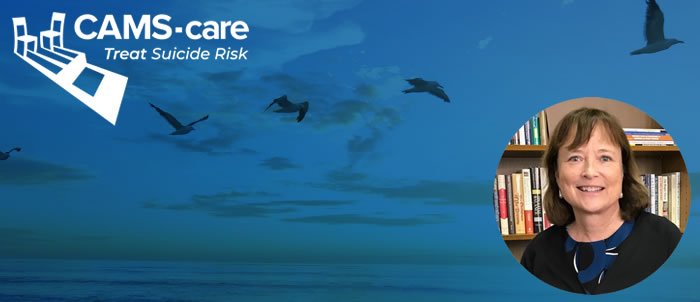
Dr. Cheryl King

About Dr. Cheryl King

Cheryl King, Ph.D., ABPP, is a Professor in the Departments of Psychiatry and Psychology and Director of the Youth Depression and Suicide Prevention Program at the University of Michigan. Her research focuses on the development of evidence-based practices for suicide risk screening, assessment, and intervention. She has provided leadership for multiple NIMH-funded projects, including Emergency Department Screen for Teens at Risk for Suicide, 24-Hour Risk for Suicide Attempts in a National Cohort of Adolescents, the Youth-Nominated Support Team Intervention for Suicidal Adolescents, and Electronic Bridge to Mental Health for College Students. A clinical psychologist, educator, and research mentor, Dr. King has served as Director of Psychology Training and Chief Psychologist in the Department of Psychiatry and has twice received the Teacher of the Year Award in Child and Adolescent Psychiatry. She is the lead author of Teen Suicide Risk: A Practitioner Guide to Screening, Assessment, and Management. In addition, Dr. King has provided testimony in the U.S. Senate on youth suicide prevention and is a Past President of the American Association of Suicidology, the Association of Psychologists in Academic Health Centers, and the Society for Clinical Child and Adolescent Psychology. She is a current member of the National Advisory Mental Health Council.

Watch the Recorded Webinar On-Demand

Enter your information to gain access.

  • This field is for validation purposes and should be left unchanged.
  • This field is hidden when viewing the form
  • This field is hidden when viewing the form
  • This field is hidden when viewing the form
  • This field is hidden when viewing the form
  • This field is hidden when viewing the form
  • This field is hidden when viewing the form

One Size Does Not Fit All – Part 3: Effective Suicidal Assessment and Treatment

As discussed elsewhere, there are over 80 randomized controlled trials (RCTs) of treatments where suicide-related outcomes are the primary focus [20,62]. Within clinical science, RCTs are the gold standard of what has proven effective in a causal manner because of their reliance on experimental designs and a-priori hypothesis testing. RCTs that have replicated results, particularly when results have been replicated by independent investigators rise to the top of the list when we consider empirically validated interventions. There are a number of interventions that have shown promise in a single RCT, for example, the Attempted Suicide Short Intervention Program (ASSIP) and Mentalization-Based Therapy [63,64]. However, we will focus on treatments that have been replicated and have independent RCT support. These include four distinct treatments/interventions that have been shown to effectively target suicidality.

Dialectical Behavior Therapy Treatment

The most notable and heavily researched treatment that has been shown to reduce suicidal behaviors regardless of the intent to die, is Dialectical Behavior Therapy (DBT) [65,66]. DBT has four main components: individual therapy, skills training, phone coaching, and a consultation team. DBT’s main goal is to teach the patient skills to regulate emotions and improve relationships with others (suicidality is always targeted at the forefront of care). Skills are taught through validation and acceptance with a genuine focus on behavioral change. DBT was one of the first evidence-based treatments shown to be effective in decreasing repetitive self-harm behaviors and suicide attempts. More recent results have demonstrated DBT’s continued impact on decreasing suicidal behaviors among high risk individuals such as those with borderline personality disorder [67], and decreasing suicide ideation [68] and self-harm [69] among adolescents. However, while DBT has shown impressive results in managing suicidal behaviors [70], it is not solely devoted to treating suicidality, and replicated results for reliably decreasing suicidal ideation are not consistent across all DBT RCTs.

Cognitive Therapy for Suicide Prevention

Another effective treatment that targets the “suicidal mode” is Cognitive Therapy for Suicide Prevention (CT-SP) [71]. CT-SP treats the clinical characteristics of suicidal behaviors [72] by using various cognitive therapy techniques, which have proven successful for treating an extensive array of psychiatric disorders [73]. In a well-powered RCT (with a deliberately longer follow-up period than previous RCTs—18 months), Brown and colleagues [71] found that patients in CT-SP treatment were 50% less likely to attempt suicide compared to those in the usual care treatment group. The researchers also found significant reductions in levels of depression and hopelessness in the CT-SP treatment group compared to the control. This study showed high internal validity; replication of the data in a real world setting (e.g., a community-based outpatient setting) with varied samples (e.g., those who have not attempted suicide, but with severe ideation) is a pending next step for the researchers of CT-SP [71].

Brief Cognitive Behavior Therapy for Suicidal Patients

Brief Cognitive Behavior Therapy (BCBT) was used in one well-powered RCT with suicidal, active duty U. S. Army Soldiers and was shown to be effective for reducing suicide attempts [29]. As its name indicates, this modality is brief (i.e., 12 sessions) to accommodate short-term treatment environments. This variation of CBT suicide-focused care emphasizes: common effective treatment elements, developing skills (e.g., emotion regulation, mindfulness), a focus on the suicidal mode, and the development of self-management. Rudd and colleagues followed soldiers for 24 months [29] and found that compared to treatment as usual, those in the brief CBT group were 60% less likely to attempt suicide.

The Collaborative Assessment and Management of Suicidality

Jobes describes the Collaborative Assessment and Management of Suicidality (CAMS) as a distinctive therapeutic framework that targets suicidality [32]. As a framework, not a new psychotherapy, the CAMS intervention does not require clinicians to give up their theoretical orientation or abandon reliable techniques. Indeed, CAMS is a “non-denominational” approach where potentially any treatment can be used within the framework [31]. In RCTs comparing CAMS to usual care control conditions there is strong evidence that CAMS significantly reduces suicidal ideation [74–76] and overall psychiatric distress [74,76]; it also increases hope and retention to care [74]. In on RCT comparing DBT to CAMS, CAMS did as well as DBT in reducing suicidal attempts and self-harm behaviors [77]. Beyond the initial four published RCTs, five additional CAMS RCTs are in various stages of completion and will add to this growing body of literature.

Stepped Models of Care

Finally, because this journal broadly addresses public health issues, it is important to wrap up our discussion by focusing on some major considerations that impact clinical care before we discuss two different conceptual models for thinking about suicide-specific clinical care that might optimize treatment outcomes and thereby save more lives.

The Stigma of Mental Health Care and Suicidality

In the investigation of the challenges posed by suicidal risk, one of the most striking issues is that the majority of suicidal people simply do not seek mental health treatment. Indeed, in their review of the literature Luoma et al. found that only 19% sought mental health care in the month prior to their death [78], while 32% sought mental health care in the year prior to their suicide. Using National Violent Death Reporting System data, Niederkrotenthaler and colleagues [79] found that only 38.5% suicide decedents were engaged in mental health care within two months of their death.

Furthermore, a sample of 198 suicidal people noted that “using the mental health system” was their #4 coping strategy (preceded by “spirituality/religious practices,” “talking to someone and companionship,” and “positive thinking”) [41]. Frankly, many suicidal people do not want to seek professional treatment because of their negative attitudes towards mental health care [80]. As Allen and colleagues have noted [42], when suicidal people do seek professional care (e.g., ED-based care), they want something different than what they get (e.g., a more humanistic and person-centered clinical response).

Matching Different Treatments to Personalize Suicidal Treatment

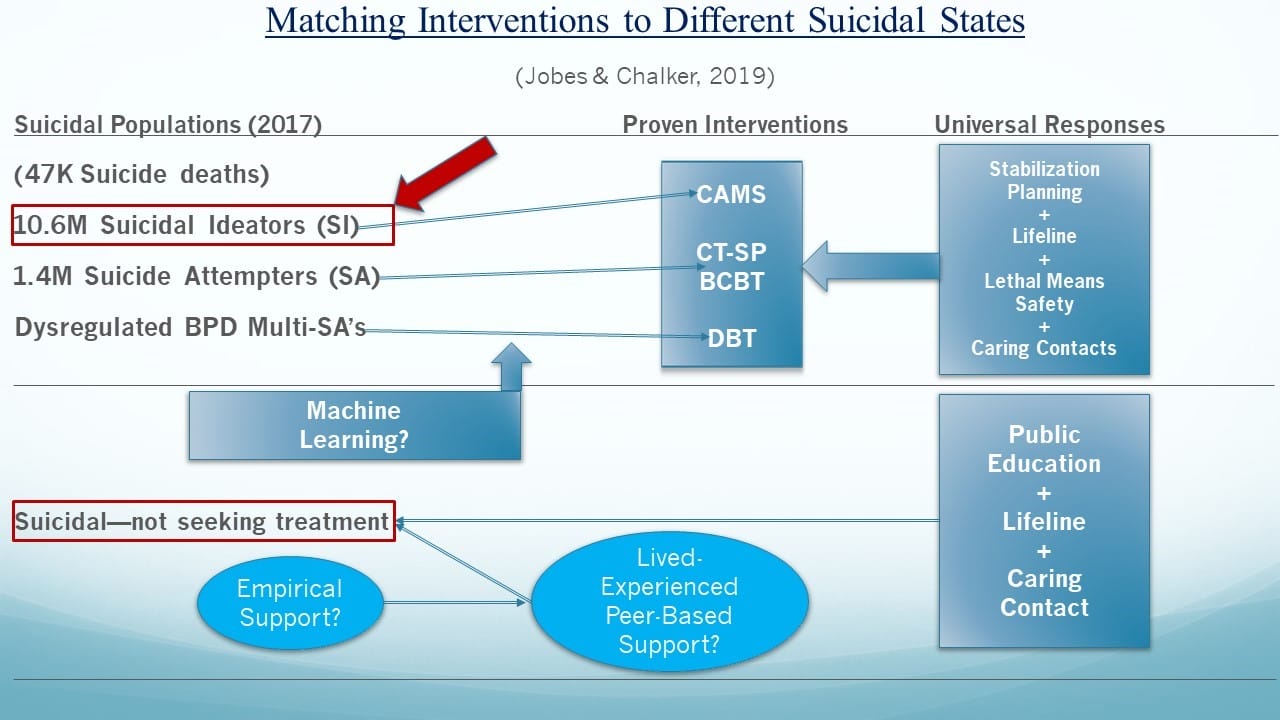
Despite the aforementioned concerns, we believe that the notion of prescriptive suicide-focused treatments is now increasingly possible. As shown in the lower half of Figure 1, the discussion begins with suicidal people who do not want to seek professional care. As we noted, this population make up the majority of the suicidal population. We can aspire to educate, provide access to the National Lifeline, and if they touch healthcare systems, perhaps we can endeavor to provide caring follow-up.

However, beyond these largely public health-oriented approaches, we do not know exactly how to reach this group. Perhaps the evolving lived-experience perspective and peer-support movement can provide a more accessible and less stigmatizing approach for this population.

Cams-care Image

Figure 1. Different suicidal states include suicidal ideators (SI), suicide attempters (SAs), and multiple SAs. For those that seek mental health care: (SI) may be best matched to the Collaborative Assessment and Management of Suicidality (CAMS), SAs may be best matched to Cognitive Therapy for Suicide Prevention (CT-SP) or Brief Cognitive Behavior Therapy (BCBT), and dysregulated individuals with borderline personality disorder (BPD) with a multiple SA history may be best matched to Dialectical Behavior Therapy (DBT). Those that are suicidal but do not seek mental health treatment may be best matched to those with live-experienced and peer-based supports. Lifeline = the United States national suicide prevention lifeline phone number: 1-800-273-TALK (8255).

Considering the upper half of the Figure 1, for those suicidal people seeking mental health care, in an ideal world, machine-learning algorithms could be used to optimally route patients to proven treatments that are best suited to care for different suicidal states—a version of empirically-based prescriptive suicide-focused treatments. It should be noted that similar components (e.g., stabilization planning, lethal means safety, etc.) tend to be integral in each of these effective treatments. As a final note, while focusing on suicide attempts and deaths is important and necessary, we also need to bring more attention to the massive population of seriously suicidal ideators, who represent the figurative iceberg under the water of the suicide prevention challenge, if we want to reduce suicidal attempts and completions [3].

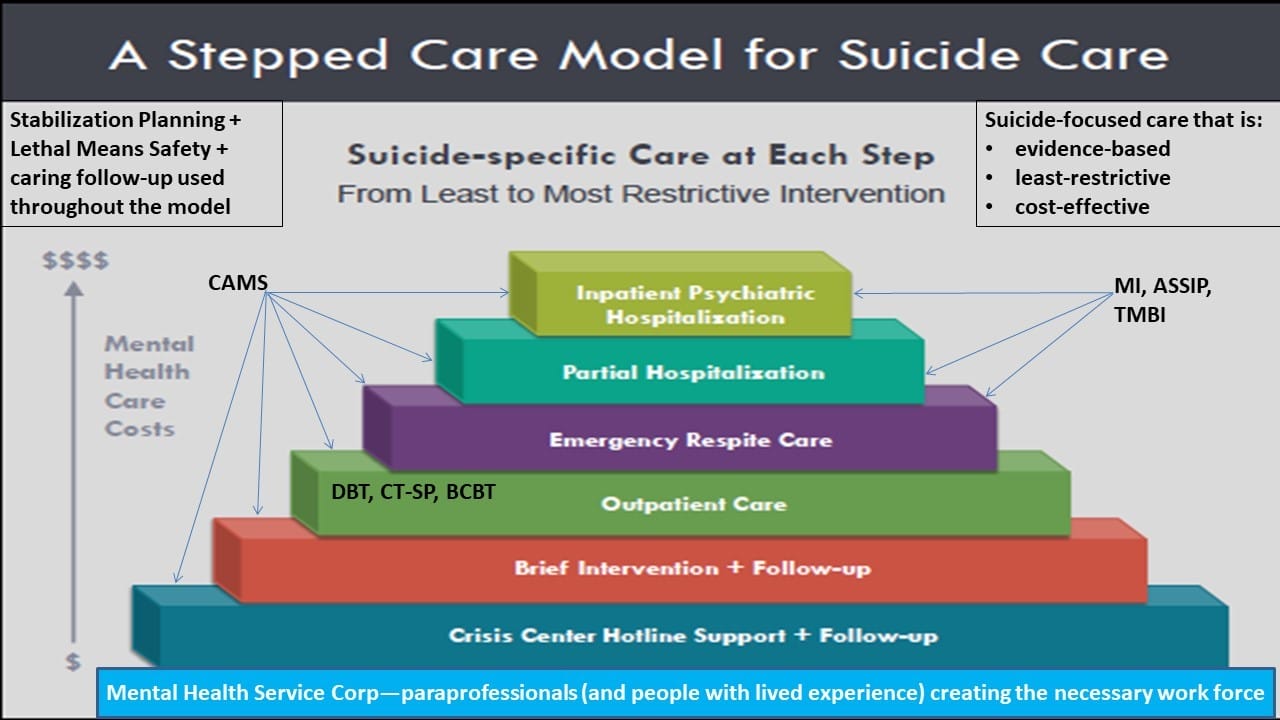
From an even larger perspective, Figure 2 (adapted from an earlier figure that appears in [81]) depicts a “stepped care” model for suicide care. The healthcare costs, represented on the y-axis, are probably the single biggest force shaping healthcare practices in the real world. To this end, the top of the pyramid notes the most expensive systems-level interventions (i.e., inpatient psychiatric hospitalization) down to the least expensive interventions nearer the bottom of the pyramid. Moreover, the bottom layer reflects the need to grow a massive paraprofessional community of caring people who are trained to work with people at risk. Jobes has therefore called for the development of a “National Mental Health Service Corps” (similar to the United States Peace Corps founded in the 1960s) that could create a large community of volunteers and (or) provide caring individuals who could serve in a range of capacities, such as screening and peer-based support with proper training and supervision [82]. There will never be enough clinical providers to meet the needs of 10.6 million adults with serious suicidal thoughts (in the United States example). Indeed, such personnel could provide much needed care on the National Lifeline, which is currently facing significant capacity issues.

Cams-care Image

Figure 2. The y-axis is mental health care costs; the steps of the pyramid correspond from the bottom to the top with the least restrictive intervention the most restrictive intervention. ASSIP = Attempted Suicide Short Intervention Program; BCBT = Brief Cognitive Behavior Therapy; CAMS = Collaborative Assessment and Management of Suicidality; CT-SP = Cognitive Therapy for Suicide Prevention; DBT = Dialectical Behavior Therapy; MI = Motivational Interviewing; PACT = Post Admission Cognitive Therapy; TMBI = Teachable Moment Brief Intervention.

As we move up the levels of systems within the pyramid, the use of different evidence-based treatments described in this article can be layered in each level of clinical care. Ultimately this stepped care model provides a way of thinking broadly to providing cost-effective, least-restrictive, evidence-based care for those at risk for suicide. If we truly aim to make a lifesaving difference, public and mental policy shaped by this kind of approach might make a meaningful difference by reducing suicides and suicide-related suffering in all its forms.

Summary and Conclusions

We have argued in this article that to move the field of mental health forward in terms of suicidal risk, we must move away from a “one-size-fits-all” approach to working with suicidal people. Rather, an approach that matches different evidence-based suicide-focused treatments (i.e., DBT, CT-SP, BCBT, and CAMS) to different suicidal states is clearly needed. We also need thoughtful conceptual models and progressive evidence-based policies (e.g., Zero Suicide) to optimally engage those suicidal people who do not seek care. Finally, an array of professional and paraprofessional approaches (e.g., including the support of those with lived experience) and various services are needed to better support those people who battle with suicidal thoughts, feelings, and behaviors.

Conflicts of Interest: David Jobes has conflicts to disclose related to grant funding from the National Institute of Mental Health and the American Foundation for Suicide Prevention; he receives book royalties from the American Psychological Association Press and Guilford Press; and he is the founder of CAMS-care, LLC (a professional training and consultation company). Samantha Chalker has no conflicts to disclose.

  1. Jobes, D.A. Clinical assessment and treatment of suicidal risk: A critique of contemporary care and CAMS as a possible remedy. Pract. Innov. 2017, 2, 207–220. [CrossRef]
  2. Jobes, D.A. One size does not fit all: Matching empirically proven interventions to different suicidal states. In Proceedings of the American Association of Suicidology, Denver, CO, USA, 24–27 April 2019.
  3. Dweck, C. Mindset: Changing the Way You Think to Fulfil Your Potential; Hachette UK: London, UK, 2012.
  4. Stanley, B.; Brown, G.K. Safety planning intervention: A brief intervention to mitigate suicide risk. Cogn. Behav. Pract. 2012, 19, 256–264. [CrossRef]
  5. Stanley, B.; Brown, G.K.; Brenner, L.A.; Galfalvy, H.C.; Currier, G.W.; Knox, K.L.; Chaudhury, S.R.; Bush, A.L.; Green, K.L. Comparison of the Safety Planning Intervention with Follow-up vs. Usual Care of Suicidal Patients Treated in the Emergency Department. JAMA Psychiatry 2018, 75, 894–900.
  6. Rudd, M.D.; Joiner, T.E.; Rajab, M.H. Treating Suicidal Behavior: An Effective, Time-Limited Approach; Guilford Press: New York, NY, USA, 2004.
  7. Bryan, C.J.; Corso, K.A.; Neal-Walden, T.A.; Rudd, M.D. Managing suicide risk in primary care: Practice recommendations for behavioral health consultants. Prof. Psychol. Res. Pract. 2009, 40, 148. [CrossRef]
  8. Bryan, C.J.; Mintz, J.; Clemans, T.A.; Burch, T.S.; Leeson, B.; Williams, S.; Rudd, M.D. Effect of crisis response planning on patient mood and clinician decision making: A clinical trial with suicidal US soldiers. Psychiatr. Serv. 2017, 69, 108–111. [CrossRef]
  9. Bryan, C.J.; Mintz, J.; Clemans, T.A.; Leeson, B.; Burch, T.S.; Williams, S.R.; Maney, E.; Rudd, M.D. Effect of crisis response planning vs. contracts for safety on suicide risk in US Army Soldiers: A randomized clinical trial. J. Affect. Disord. 2017, 212, 64–72. [CrossRef] [PubMed]
  10. Rudd, M.D.; Bryan, C.J.; Wertenberger, E.G.; Peterson, A.L.; Young-McCaughan, S.; Mintz, J.; Williams, S.R.; Arne, K.A.; Breitbach, J.; Delano, K.; et al. Brief cognitive-behavioral therapy effects on post-treatment suicide attempts in a military sample: Results of a randomized clinical trial with 2-year follow-up. Am. J. Psychiatry 2015, 172, 441–449. [CrossRef] [PubMed]
  11. Rudd, M.D.; Mandrusiak, M.; Joiner, T.E. The case against no-suicide contracts: The commitment to treatment statement as a practice alternative. J. Clin. Psychol. 2006, 62, 243–251. [CrossRef] [PubMed]
  12. Jobes, D.A. Managing Suicidal Risk: A Collaborative Approach; Guilford Press: New York, NY, USA, 2006.
  13. Jobes, D.A. Managing Suicidal Risk: Second Edition: A Collaborative Approach, 2nd ed.; Guilford Press: New York, NY, USA, 2016.
  14. Motto, J.A.; Bostrom, A.G. A randomized controlled trial of post crisis suicide prevention. Psychiatr. Serv. 2001, 52, 828–833. [CrossRef] [PubMed]
  15. Reger, M.A.; Luxton, D.D.; Tucker, R.P.; Comtois, K.A.; Keen, A.D.; Landes, S.J.; Matarazzo, B.B.; Thompson, C. Implementation methods for the caring contacts suicide prevention intervention. Prof. Psychol. Res. Pr. 2017, 48, 369–377. [CrossRef]
  16. Luxton, D.D.; June, J.D.; Comtois, K.A. Can post discharge follow-up contacts prevent suicide and suicidal behavior? Crisis 2012, 46–47. [CrossRef] [PubMed]
  17. Comtois, K.A.; Kerbrat, A.H.; DeCou, C.R.; Atkins, D.C.; Majeres, J.J.; Baker, J.C.; Ries, R.K. Effect of augmenting standard care for military personnel with brief caring text messages for suicide prevention: A randomized clinical trial. JAMA Psychiatry 2019, 76, 474–483.[PubMed]
  18. Carey, B. Expert on mental illness reveals her own struggle. New York Times. Available online: https://www.sadag.org/images/pdf/expert%20own%20fight.pdf (accessed on 29 August 2019).
  19. Hogan, M.F.; Grumet, J.G. Suicide prevention: An emerging priority for health care. Health Aff. 2016, 35, 1084–1090. [CrossRef]
  20. Dimeff, L.A.; Jobes, D.A.; Chalker, S.A.; Piehl, B.M.; Duvivier, L.L.; Lok, B.C.; Zalake, M.S.; Chung, J.; Koerner, K. A novel engagement of suicidality in the emergency department: Virtual Collaborative Assessment and Management of Suicidality. Gen. Hosp. Psychiatry 2018. [CrossRef]
  21. Bruffaerts, R.; Demyttenaere, K.; Hwang, I.; Chiu, W.T.; Sampson, N.; Kessler, R.C.; Alonso, J.; Borges, G.; de Girolamo, G.; de Graaf, R.; et al. Treatment of suicidal people around the world. Br. J. Psychiatry 2011, 199, 64–70. [CrossRef]
  22. Alexander, M.J.; Haugland, G.; Ashenden, P.; Knight, E.; Brown, I. Coping with thoughts of suicide: Techniques used by consumers of mental health services. Psychiatr. Serv. 2009, 60, 1214–1221. [CrossRef]
  23. Allen, M.H.; Carpenter, D.; Sheets, J.L.; Miccio, S.; Ross, R. What do consumers say they want and need during a psychiatric emergency? J. Psychiatr. Pract. 2003, 9, 39–58. [CrossRef] [PubMed]
  24. Aguirre, R.T.P.; Slater, H.M. Suicide postvention as suicide prevention: Improvement and expansion in the United States. Death Stud. 2010, 34, 529–540. [CrossRef] [PubMed]
  25. Begley, M.; Quayle, E. The lived experience of adults bereaved by suicide: A phenomenological study. Crisis 2007, 28, 26–34. [CrossRef] [PubMed]
  26. Force, S.A. The Way Forward: Pathways to Hope, Recovery, and Wellness with Insights from Lived Experience; National Action Alliance for Suicide Prevention: Washington, DC, USA, 2014.
  27. Crisis Now. 2019. Available online: https://crisisnow.com (accessed on 29 August 2019).
  28. Live Through This. 2019. Available online: https://livethroughthis.org (accessed on 29 August 2019).
  29. Now Matters Now. 2019. Available online: https://www.nowmattersnow.org (accessed on 29 August 2019).
  30. MacLean, S.; MacKie, C.; Hatcher, S. Involving people with lived experience in research on suicide prevention. CMAJ 2018, 190, S13–S14. [CrossRef] [PubMed]
  31. The Joint Commission. Sentinel Event Alert: Detecting and treating suicide ideation in all settings. Jt. Comm. 2016, 56, 1–7.
  32. Brodsky, B.S.; Spruch-Feiner, A.; Stanley, B. The zero suicide model: Applying evidence-based suicide prevention practices to clinical care. Front. Psychiatry 2018, 9, 33. [CrossRef] [PubMed]
  33. Zero Suicide. 2019. Available online: https://zerosuicide.sprc.org (accessed on 29 August 2019).
  34. National Suicide Action Alliance for Suicide Prevention: Transforming Health Systems Initiative Work Group. Recommended Standard Care for People with Suicide Risk: Making Health Care Suicide Safe; Education Development Center, Inc.: Washington, DC, USA, 2018.
  35. Durkheim, E. Suicide: A Study in Sociology, 1987; Spaulding, J.A.; Simpson, G., Translators; Free Press: Glencoe, IL, USA, 1951.
  36. Conrad, A.K.; Jacoby, A.M.; Jobes, D.A.; Lineberry, T.W.; Shea, C.E.; Arnold Ewing, T.D.; Schmid, P.J.; Ellenbecker, S.M.; Lee, J.L.; Fritsche, K.; et al. A psychometric investigation of the suicide status form II with a psychiatric inpatient sample. Suicide Life Threat. Behav. 2009, 39, 307–320.[PubMed]
  37. Kleiman, E.M.; Turner, B.J.; Fedor, S.; Beale, E.E.; Huffman, J.C.; Nock, M.K. Examination of real-time fluctuations in suicidal ideation and its risk factors: Results from two ecological momentary assessment studies. J. Abnorm. Psychol. 2017, 126, 726. [CrossRef] [PubMed]
  38. Au, J.S. Typologies of Suicidal Patients Based on Suicide Status Form Data. Ph.D. Thesis, The Catholic University of America, Washington, DC, USA, 2019.
  39. Stanley, I.H.; Rufino, K.A.; Rogers, M.L.; Ellis, T.E.; Joiner, T.E. Acute suicidal affective disturbance (ASAD): A confirmatory factor analysis with 1442 psychiatric inpatients. J. Psychiatr. Res. 2016, 80, 97–104. [CrossRef]
  40. Galynker, I.; Yaseen, Z.S.; Cohen, A.; Benhamou, O.; Hawes, M.; Briggs, J. Prediction of suicidal behavior in high risk psychiatric patients using an assessment of acute suicidal state: The suicide crisis inventory. Depress. Anxiety 2017, 34, 147–158. [CrossRef] [PubMed]
  41. Jobes, D.A. The challenge and the promise of clinical suicidology. Suicide Life Threat. Behav. 1995, 25, 437–449. [PubMed]
  42. Kessler, R.C.; Chalker, S.A.; Luedtke, A.R.; Sadikova, E.; Jobes, D.A. A preliminary precision treatment rule for collaborative assessment and management of suicidality relative to enhanced care-as-usual in prompting rapid remission of suicide ideation. Behav. Res. Ther. 2019. [CrossRef]
  43. Bridge, J.A.; Iyengar, S.; Salary, C.B.; Barbe, R.P.; Birmaher, B.; Pincus, H.A.; Ren, L.; Brent, D.A. Clinical response and risk for reported suicidal ideation and suicide attempts in pediatric antidepressant treatment: A meta-analysis of randomized controlled trials. JAMA 2007, 297, 1683–1696. [PubMed]
  44. Gysin-Maillart, A.; Schwab, S.; Soravia, L.; Megert, M.; Michel, K. A novel brief therapy for patients who attempt suicide: A 24-months follow-up randomized controlled study of the attempted suicide short intervention program (ASSIP). PLoS Med. 2016, 13, e1001968. [CrossRef] [PubMed]
  45. Bateman, A.; Fonagy, P. 8-year follow-up of patients treated for borderline personality disorder: Mentalization-based treatment versus treatment as usual. Am. J. Psychiatry 2008, 165, 631–638. [CrossRef] [PubMed]
  46. Linehan, M. Cognitive-Behavioral Treatment for Borderline Personality Disorder; Guilford Press: New York, NY, USA, 1993.
  47. Linehan, M.M.; Comtois, K.A.; Murray, A.M.; Brown, M.Z.; Gallop, R.J.; Heard, H.L.; Korslund, K.E.; Tutek, D.A.; Reynolds, S.K.; Lindenboim, N. Two-year randomized controlled trial and follow-up of dialectical behavior therapy vs therapy by experts for suicidal behaviors and borderline personality disorder. Arch. Psychiatry 2006, 63, 757–766.
  48. Linehan, M.M.; Korslund, K.E.; Harned, M.S.; Gallop, R.J.; Lungu, A.; Neacsiu, A.D.; McDavid, J.; Comtois, K.A.; Murray-Gregory, A.M. Dialectical behavior therapy for high suicide risk in individuals with borderline personality disorder: A randomized clinical trial and component analysis. JAMA Psychiatry 2015, 72, 475–482.
  49. Goldstein, T.R.; Fersch-Podrat, R.K.; Rivera, M.; Axelson, D.A.; Merranko, J.; Yu, H.; Brent, D.A.; Birmaher, B. Dialectical behavior therapy for adolescents with bipolar disorder: Results from a pilot randomized trial. J. Child Adole. Psychopharm. 2015, 25, 140–149. [CrossRef]
  50. Mehlum, L.; Ramberg, M.; Tørmoen, A.J.; Haga, E.; Diep, L.M.; Stanley, B.H.; Miller, A.L.; Sund, A.M.; Grøholt, B. Dialectical behavior therapy compared with enhanced usual care for adolescents with repeated suicidal and self-harming behavior: Outcomes over a one-year follow-up. J. Am. Acad. Child Adole. Psychiatry 2016, 55, 295–300. [CrossRef]
  51. DeCou, C.R.; Comtois, K.A.; Landes, S.J. Dialectical behavior therapy is effective for the treatment of suicidal behavior: A meta-analysis. Behav. Ther. 2019, 50, 60–72. [CrossRef] [PubMed]
  52. Brown, G.K.; Have, T.T.; Henriques, G.R.; Xie, S.X.; Hollander, J.E.; Beck, A.T. Cognitive therapy for the prevention of suicide attempts: A randomized controlled trial. JAMA 2005, 294, 563–570.[PubMed]
  53. Beck, A.T.; Kovacs, M.; Weissman, A. Hopelessness and suicidal behavior: An overview. JAMA 1975, 234, 1146–1149.[PubMed]
  54. Beck, A.T. The current state of cognitive therapy: A 40-year retrospective. Arch. Gen. Psychiatry 2005, 62, 953. [PubMed]
  55. Comtois, K.A.; Jobes, D.A.; O’Connor, S.; Atkins, D.C.; Janis, K.; Chessen, C.; Landes, S.J.; Holen, A.; Yuodelis-Flores, C. Collaborative assessment and management of suicidality (CAMS): Feasibility trial for next-day appointment services. Depress. Anxiety 2011, 28, 963–972. [CrossRef] [PubMed]
  56. Jobes, D.A.; Comtois, K.A.; Gutierrez, P.M.; Brenner, L.A.; Huh, D.; Chalker, S.A.; Ruhe, G.; Kerbrat, A.H.; Atkins, D.C.; Jennings, K.; et al. A randomized controlled trial of the collaborative assessment and management of suicidality versus enhanced care as usual with suicidal soldiers. Psychiatry 2017, 80, 339–356. [CrossRef] [PubMed]
  57. Ryberg, W.; Zahl, P.H.; Diep, L.M.; Landrø, N.I.; Fosse, R. Managing suicidality within specialized care: A randomized controlled trial. J. Affect. Disord. 2019, 249, 112–120. [CrossRef]
  58. Andreasson, K.; Krogh, J.; Wenneberg, C.; Jessen, H.K.L.; Krakauer, K.; Gluud, C.; Thomsen, R.R.; Randers, L.; Nordentoft, M. Effectiveness of dialectical behavior therapy versus collaborative assessment and management of suicidality treatment for reduction of self-harm in adults with borderline personality traits and disorder: A randomized observer-blinded clinical trial. Depress. Anxiety 2016, 33, 520–530. [CrossRef] [PubMed]
  59. Luoma, J.B.; Martin, C.E.; Pearson, J.L. Contact with mental health and primary care providers before suicide: A review of the evidence. Am. J. Psychiatry 2002, 159, 909–916. [CrossRef]
  60. Niederkrotenthaler, T.; Logan, J.E.; Karch, D.L.; Crosby, A. Characteristics of US suicide decedents in 2005–2010 who had received mental health treatment. Psychiatr. Serv. 2014, 65, 387–390. [CrossRef]
  61. Pitman, A.; Osborn, D.P.J. Cross-cultural attitudes to help-seeking among individuals who are suicidal: New perspective for policymakers. Br. J. Psychiatry 2011, 199, 8–10. [CrossRef] [PubMed]
  62. Jobes, D.A.; Gregorian, M.J.; Colborn, V.A. A stepped care approach to clinical suicide prevention. Psychol. Serv. 2018, 15, 243. [CrossRef] [PubMed]
  63. Jobes, D.A.; Kelly, C.A. Growing up in AAS. Presented at the American Association of Suicidology, Phoenix, AZ, USA, 21 April 2017.

About the Author

David A. Jobes Ph.D. ABPP

David A. Jobes Ph.D. ABPP
David Jobes, PhD, ABPP, is the founder of CAMS-care, LLC. He began his career in 1987 in the Counseling Center of the Catholic University of America, where he developed a suicide risk assessment tool for college students that evolved into CAMS. Dr. Jobes is now a Professor of Psychology and Associate Director of Clinical Training at Catholic; he has trained thousands of mental health professionals in the United States and abroad in evidence-based assessment and treatment of suicide risk and the use of CAMS.

About David A. Jobes Ph.D. ABPP

David A. Jobes Ph.D. ABPP
David Jobes, PhD, ABPP, is the founder of CAMS-care, LLC. He began his career in 1987 in the Counseling Center of the Catholic University of America, where he developed a suicide risk assessment tool for college students that evolved into CAMS. Dr. Jobes is now a Professor of Psychology and Associate Director of Clinical Training at Catholic; he has trained thousands of mental health professionals in the United States and abroad in evidence-based assessment and treatment of suicide risk and the use of CAMS.