Suicide Prevention in Healthcare Settings On-Demand

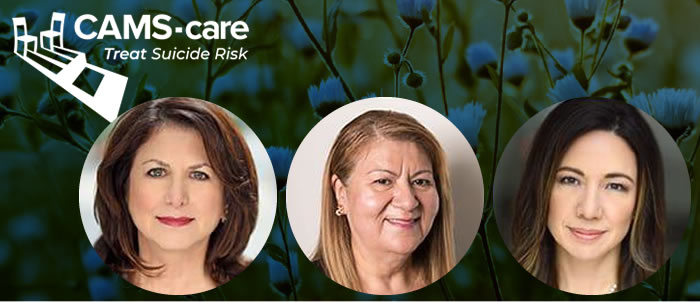
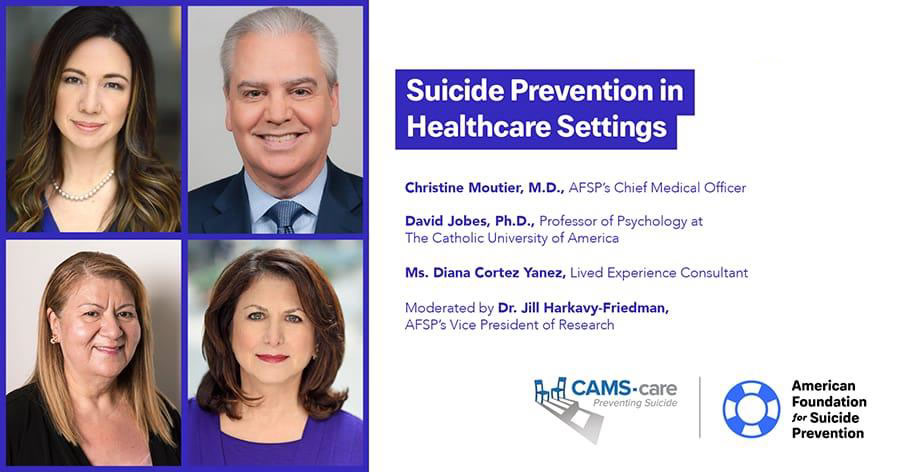
Recent survey data from SAMHSA indicates that there are 12 million American adults that thought seriously about suicide in 2019. Many people who are suicidal end up in emergency departments or are hospitalized in part because clinicians may not be confident in their ability to effectively treat them and may resort to defensive practices (e.g., potentially unnecessary hospitalizations) fearing malpractice liability. As part of Project 2025, AFSP is focusing on reducing suicide deaths in relation to emergency department and healthcare system engagement. Christine Moutier, M.D., AFSP’s Chief Medical Officer, David Jobes, Ph.D., professor and creator of CAMS, and Ms. Diana Cortez Yanez, a leading voice from the lived-experience perspective, will team up to discuss current systems of care along with evidence-based best practices for optimal clinical suicide prevention.

Topics will include:

  • use of evidence-based assessments
  • treatments
  • the use of medications
  • decreasing malpractice risk through sound clinical practices

The goal is to raise awareness about effective clinical care for suicide risk and the importance of creating lives worth living.

Watch the Recorded Webinar On-Demand

Enter your information to gain access.

  • This field is for validation purposes and should be left unchanged.
  • This field is hidden when viewing the form
  • This field is hidden when viewing the form
  • This field is hidden when viewing the form
  • This field is hidden when viewing the form
  • This field is hidden when viewing the form
  • This field is hidden when viewing the form

First Randomized Trial of Ketamine for Youth Suicidality to Launch With NIH Support

The first randomized trial of ketamine combined with CAMS therapy is set to begin at the Cleveland Clinic in early 2021. This study will focus on reducing suicidality in adolescents and young adults. According to the researchers, “ketamine is effective in the short term, but the period of transition after discharge is very risky.” In this study, patients will be given acute medical therapy, as well as weekly CAMS sessions for long-term management. The goal is that by combining ketamine with CAMS therapy the patients will have the resources they need to take care and protect themselves against further suicide attempts.

Read the entire article from Consult QD: First Randomized Trial of Ketamine for Youth Suicidality to Launch With NIH Support

Proven CAMS-4Teens® Strategies To Treat Adolescent Suicide

In 2020, suicide became the second leading cause of death among teens and young adults (ages 15 to 24) in the U.S., according to the CDC. And the risk of suicide has only increased for teens, especially among girls and young women.

The Rise of Teen Suicide Rates in the U.S.

One recent nationwide study found that 37% of young Americans aged 18-24 report having thoughts of death and suicide and nearly half (47%) showed at least moderate symptoms of depression — a major indicator of suicidal thoughts and ideation among teens.

Another extensive survey of students from almost 100 college campuses from the American College Health Association found that:

  • ~3% of undergraduate students in the U.S. had seriously considered killing themselves recently (within the last two weeks).
  • 9% endorsed serious suicidal thoughts in the past year.
  • 1 and 2% of university students had attempted suicide in the past year.

The Case for CAMS: CAMS Efficacy Data in Teens

It’s clear that teens and young adults are experiencing suicidal thoughts at increasing rates. In order to reverse this trend, effective suicide prevention programs and procedures need to be put in place for at-risk teens so they can get the professional help and support they desperately need.

Fortunately, there is a solution to help identify and treat the primary drivers of teen suicide. Preliminary data shows promise for using CAMS (Collaborative Assessment and Management of Suicidality) in conjunction with the SSF (Suicide Status Form) with suicidal teens, young adults, and even children, and clinical trial research is being pursued to confirm and formalize that data.

Here’s how to adapt the CAMS Framework® to treat and prevent suicidal thoughts and ideation in children, teens, and young adults.

CAMS Framework Overview: How CAMS Works

CAMS is an evidence-based therapeutic assessment and treatment framework that places concerted emphasis on the word “collaborative.”

In this framework, therapists work hand-in-hand with each patient, discussing the patient’s experience in a non-judgmental fashion using the Suicide Status Form (SSF) as a guide to gather information about the patient’s current experience and suicide risk. This framework helps them identify triggers together then work collaboratively to devise treatment and stabilization plans — all while building trust through collaboration and transparency throughout the treatment process.

9 Tips for Adapting the CAMS Framework for Working with Youth

Generally speaking, the CAMS Framework works very well with adolescents. In fact, in a recent study, the SSF has been found to work as well with teens, especially older teens, as it does with adults with just a few adjustments.

Here are 9 tips and adjustments to help achieve better results when using the CAMS Framework with teens:

    1. Implement Breaks. More frequent breaks will help keep teens’ attention spans while increasing focus.
    2. Be on Their Side. If the teen is comfortable, try sitting next to them instead of across from them to reinforce the idea that you’re on their side, COVID distancing protocols permitting, of course.
    3. Don’t Skip the Paperwork. Explain how the SSF works so teens have a chance to ask questions about this important collaborative document. It gives everyone a chance to get on the same page and create mutual understanding.
    4. Get Them Involved. Allow the teen to complete the first page of the SSF for themself as you talk them through it. This participation in the CAMS Framework will reinforce that it’s a collaborative process. Teens especially appreciate this since it gives them a feeling of control and lets them know you value their input.
    5. Show Your Work. In the same spirit, as is standard in CAMS, let the teen watch as you complete page two with them. Teens particularly appreciate when you avoid the impression that you are “hiding” anything in your assessment. Remember, it’s all about collaboration and shared information that builds trust.
    6. Set Your Objectives. As you guide the teen to identify their top two “drivers”, explain what the goals and objectives of CAMS will be throughout the treatment process.
    7. Show How It Works. Explain which interventions they can use to help achieve those goals, for example, they can set simple goals to decrease self-hate (a common driver in teens) and increase self-esteem.
    8. Show Your Expertise. Elements from Cognitive Behavioral Theory (CBT), Dialectical Behavioral Theory (DBT) skills, problem-solving, and interpersonal therapy can all be identified and used as interventions successfully with teens. Show that you’re qualified to assess and treat each patient.
    9. Collaboration Comes First. Always work together with the teen to collaboratively write treatment and stabilization plans. You’re in this together.

The CAMS Assessment® provides a guided walk-through of the teen’s life at that moment. If a particular stressor or issue that relates to the current suicidal thoughts is uncovered early enough, it can be addressed quickly in treatment. Remember however, that it is particularly easy for teens to become overwhelmed and feel that their situation is unsurmountable.

If any teen is in an acute suicidal state, try to work with them to identify the problem first. CAMS has been found to be very useful in breaking down these factors into manageable pieces that the teen is able to recognize as treatable.

How CAMS Can Help: Additional Resources for Teen Suicide Treatment and Prevention

Dr. Jobes, the creator and developer of CAMS, recently held a webinar on Adolescent Suicide Prevention with Dr. Cheryl King. In the webinar, available on demand at the CAMS website, Dr. King talks about her extensive expertise in youth suicide prevention, focusing on risk factors for youth suicide, screen, and assessment, and discusses clinical prevention work including her YST approach.

CAMS-care offers training for CAMS-4Teens: Working with Parents through a three-hour, on-demand video course that discusses research and a recommended approach for optimally involving parents to support the CAMS treatment of their child using the Stabilization Support Plan. The video provides vivid and unscripted clinical demonstrations of using CAMS with four different adolescent clients and their parents. The demonstrations show clinicians engaging parent(s) before the first session of CAMS, aspects of the first session of CAMS with teen clients, followed by a post-session re-engagement involving the whole family.

  • Understanding current research for treating teenagers with serious thoughts of suicide
  • Implementing CAMS with the adolescent population
  • Building a therapeutic relationship with your teenage client
  • Involving parents by setting expectations and supporting their child’s treatment using the Stabilization Support Plan
  • Creating a safe home environment in terms of lethal means for a suicidal teen
  • Clarifying communications with parents using a patient-centered approach that encourages discussions between clinician and parents that routinely include the teen client (with some emergent exceptions)
  • Helping your teenage client and their parents optimally interact between CAMS sessions should a crisis emerge using the Stabilization Support Plan

Continuing Education credits are available for this course.

Learn more about how you can become CAMS Trained™  and CAMS Certified™to provide an evidence-based suicide treatment framework with all of your patients, no matter their age.

About the Author

Amy Brausch Ph.D.

Amy Brausch Ph.D.
Dr. Amy Brausch is an Associate Professor of Psychological Sciences at Western Kentucky University where she founded the Risk Behaviors and Suicide Prevention Laboratory in 2011. She completed her Ph.D. in clinical psychology at Northern Illinois University in 2008, following her clinical internship at Utah State University Counseling and Psychological Services Center. Dr. Brausch’s research program broadly focuses on youth suicide risk assessment, prevention, and treatment. Specifically, her work has also focused on the overlap between nonsuicidal self-injury and suicide risk, the overlap between body image, disordered eating, and self-harm, and the role of emotion dysregulation in NSSI and suicide risk. Her work has been funded by the Kentucky Biomedical Research Infrastructure Network and the National Institute of Mental Health. Dr. Brausch has collaborated with Dr. Jobes on research related to CAMS-4Teens, including a validation study of the Suicide Status Form for adolescents. As a Senior Consultant with CAMS-care, LLC, Dr. Brausch has provided training in CAMS to mental health providers in the United States and Australia at community mental health centers, university counseling centers, school districts, and local and state mental health suicide prevention organizations.

About Amy Brausch Ph.D.

Amy Brausch Ph.D.
Dr. Amy Brausch is an Associate Professor of Psychological Sciences at Western Kentucky University where she founded the Risk Behaviors and Suicide Prevention Laboratory in 2011. She completed her Ph.D. in clinical psychology at Northern Illinois University in 2008, following her clinical internship at Utah State University Counseling and Psychological Services Center. Dr. Brausch’s research program broadly focuses on youth suicide risk assessment, prevention, and treatment. Specifically, her work has also focused on the overlap between nonsuicidal self-injury and suicide risk, the overlap between body image, disordered eating, and self-harm, and the role of emotion dysregulation in NSSI and suicide risk. Her work has been funded by the Kentucky Biomedical Research Infrastructure Network and the National Institute of Mental Health. Dr. Brausch has collaborated with Dr. Jobes on research related to CAMS-4Teens, including a validation study of the Suicide Status Form for adolescents. As a Senior Consultant with CAMS-care, LLC, Dr. Brausch has provided training in CAMS to mental health providers in the United States and Australia at community mental health centers, university counseling centers, school districts, and local and state mental health suicide prevention organizations.

Hope

Hope is such a simple word. Yet for suicidal people in the depths of despair, hope is a beacon that they crave more than anything – but abjectly fear, because to believe in hope means to risk catastrophic disappointment. What I have come to learn over my decades in suicide prevention is that hope is everything to finding a way out of suicidal hell and into a life worth living with purpose and meaning.

There is a recent study of CAMS that I will be talking and writing about for years to come. For now, I will await publication of the investigation before saying more. But one of the key findings that most warmed my heart was how hope is engendered in suicidal patients engaged in CAMS.

Indeed, we know across clinical trials of CAMS that hopelessness is reliably decreased over the course of care while hope—and even optimism—is generated by the intervention as well. I know hope when I see it, and sparks of hope routinely occur at certain key moments across CAMS sessions. Within the first session of CAMS when the clinician and patient collaboratively complete the initial Suicide Status Form assessment there are often tiny sparks of hope. As the patient warily rates and describes elements of their struggle and the empathic clinician listens, validates, and actually gets what they are describing, there can be a glimmer of hope. When the clinician helps the patient elaborate the struggle and does not judge them, shame them, or ever wag a finger, there can be a flash of hope. When the clinician candidly speaks to the goal of keeping even a relatively highly suicidal person out of the hospital (if at all possible), there can be a spark of hope. So you are not going to try to get rid of me and lock me up?.

When the dyad carefully develops the CAMS Stabilization Plan for the patient and the clinician notes that the patient can learn to cope differently without resorting to suicide, there is often a curious look and sometime a twinkle of hope. Perhaps most dramatically, when the dyad completes the initial CAMS Treatment Plan in which the patient’s own suicidal “drivers” are identified (i.e., issues and problems that compel the patient to entertain suicide), goals and objectives are set, and potential interventions to target and treat those very drivers are noted, there is often an unmistakable flash of hope in the patients eyes. “Can you really treat these problems?” says an incredulous patient. In turn, the clinician replies, “…yes, of course we treat these problems all the time and if we do so successfully with you, perhaps you will come to see that you don’t need to end your life.” This is how CAMS-inspired hope may emerge in a first session.

My Suicide Prevention Lab (SPL) at Catholic University has been dedicated to many suicide prevention-oriented studies over many years. But one of the biggest tasks of the SPL my graduate students and I undertake is the fidelity and adherence work that we routinely do as part of clinical trials of CAMS. Fidelity is a solemn obligation within clinical trial research that requires that research investigators ensure that experimental and control treatments are indeed different from each other.

For example, within a CAMS randomized controlled trial (RCT) that means clinicians in the CAMS arm of the trial are doing the intervention adherently (as it was designed to be used) and clinicians in the control arm of the trial are not doing CAMS and are adherently providing the comparison treatment (e.g., usual treatment or Dialectical Behavior Therapy within our trials).

Here is the point: our job in these RCTs is to watch a lot of digital recordings of clinicians doing CAMS and often watching control sessions to ensure that the control treatment is being done properly. In other words, this fidelity work means we watch hundreds of hours of therapy sessions with suicidal people who are willing to participate in a RCT. It is from this perspective that my trained eye has come to recognize the behavioral, verbal, and emotional indicators of hope.

Hope is sometimes reflected in the almost shy glance that a patient makes towards the clinician—it is a look that says, are you for real? Can I trust you? Do you really mean it when you say you care about me? In later interim sessions of CAMS, hope is seen in a patient who sits up just a little straighter than they did in earlier sessions and who is genuinely interested in the clinician’s comments and input on their life and death struggle. Hope is seen in the flicker of smiles between patient and therapist as the dyad reviews “a good week.” Hope is often seen in an outcome-disposition session that formally draws CAMS to a close, wherein both parties reflect on how far they have come, appreciating and taking stock of gains made, and look forward to the road ahead in the patient’s “post-suicidal life.”

While the quantitative clinical trial results are robust, we know that decreasing hopelessness and increasing hope within CAMS is the lifeblood of a successful course of CAMS-guided care. Hope is simply the remedy to suicidal despair, desolation, despondency. And when you have seen the spark of hope in the eyes of suicidal person, you will never forget it. It is as if an entire inexorable fatal world view has been paused, gradually reconsidered, and even transformed into a world of potential possibilities.

In truth, hope does not happen every time with every patient. But within adherently provided CAMS we know that hope happens more often than not, and when hope happens truly anything is possible.

Such a simple word, hope, but in the suicide prevention and life-worth-living business it speaks volumes.

Adolescent Suicide Prevention On-Demand

Dr. Cheryl King shares her extensive expertise on youth suicide prevention. Highlights of her presentation center on risk factors for youth suicide, screening, and assessment. In addition, Dr. King discusses clinical prevention work including her YST approach.

Dr. Cheryl King

About Dr. Cheryl King

Cheryl King, Ph.D., ABPP, is a Professor in the Departments of Psychiatry and Psychology and Director of the Youth Depression and Suicide Prevention Program at the University of Michigan. Her research focuses on the development of evidence-based practices for suicide risk screening, assessment, and intervention. She has provided leadership for multiple NIMH-funded projects, including Emergency Department Screen for Teens at Risk for Suicide, 24-Hour Risk for Suicide Attempts in a National Cohort of Adolescents, the Youth-Nominated Support Team Intervention for Suicidal Adolescents, and Electronic Bridge to Mental Health for College Students. A clinical psychologist, educator, and research mentor, Dr. King has served as Director of Psychology Training and Chief Psychologist in the Department of Psychiatry and has twice received the Teacher of the Year Award in Child and Adolescent Psychiatry. She is the lead author of Teen Suicide Risk: A Practitioner Guide to Screening, Assessment, and Management. In addition, Dr. King has provided testimony in the U.S. Senate on youth suicide prevention and is a Past President of the American Association of Suicidology, the Association of Psychologists in Academic Health Centers, and the Society for Clinical Child and Adolescent Psychology. She is a current member of the National Advisory Mental Health Council.

Watch the Recorded Webinar On-Demand

Enter your information to gain access.

  • This field is for validation purposes and should be left unchanged.
  • This field is hidden when viewing the form
  • This field is hidden when viewing the form
  • This field is hidden when viewing the form
  • This field is hidden when viewing the form
  • This field is hidden when viewing the form
  • This field is hidden when viewing the form

A Guide to Contextualizing the Reality of Systemic Racism and Black Suicidology – Part 3: Working with Suicidal Black Youth

On our journey of enlightenment and understanding the mechanisms of Black suicidality, we have explored the socio-historical context, current literature, and treatments available towards mental health care. By utilizing an intersectional lens, we began to unravel the complexities of systemic racism and how those processes influence and trigger suicidal behavior among Black Americans. It illustrates the erasure of methodology and treatment centered towards the Black experience within the U.S. Like a worn-out washing machine, it continues to perpetrate the cycle of institutionalized violence.

Now what? It is important to articulate the discourse around Black suicidology, but discourse by itself is an empty vessel. Even more relevant is the ability to apply knowledge to practice. In this final part of this series, we will conceptualize the implementation of effective treatment on suicidal Black youth, which has been alarmingly on the rise these past few years. Although we have been taken a macro analysis of Black suicide, I think it is important to center our lens towards the current crises: Black adolescents.1

Internal & External Risk Factors

As we have discussed in the previous parts of this series, there is a magnitude of risk factors that influence Black youth suicidality. I have compiled a list of internal and external risk factors that possibly influence suicidal behavior among Black adolescents:

  • A history of mental health disorders.
    Research suggests that Black children with a history of mental health disorders (i.e., depression, anxiety, ADHD, etc.) are at higher risk to die by suicide.2 Factoring the prevalence of misdiagnosis and underdiagnosis of Black mental disorders, these suggestions are alarming.
  • Bullying victimization.
    Black children raised in predominately White neighborhoods experience increased peer bullying, institutionalized racism, lower academic performance, and higher suspensions than their White counterparts.3 Trends show these children (ranging from school age to adolescence) use more lethal means such as suicide by hanging.
  • Lack of family/community cohesion.
    Within marginalized groups, family and community are important components of social survival. Family/community cohesion is the perception and inclusion of an individual within their identity groups, enabling a feeling of inclusion and the action of support. Sometimes these cohesive structures maybe broken due to social, economic, and other structural stressors. An individual that does not have family/community cohesion may exhibit feelings of isolation, burdensomeness, and hopelessness.
  • Inaccessibility to mental health services.
    Mental health services are often inaccessible to individuals who reside in low-income communities. Without the means to affordable and accessible care, suicidal behavior is not addressed or left unchecked.
  • Mental health stigma.
    The average person is not fully versed on the scientific and psychological understandings of mental health. There are numerous taboos and perceptions about suicide that may hinder treatment. Some religious, cultural, and social backgrounds may perceive suicidal behavior as a manifestation of “weakness” or “crazy-behavior”. These views help to stigmatize suicidal individuals.
  • Racial biases among mental health providers.
    As we have previously discussed, there has been a racialized bias, and even intentional mistreatment, of Black patients within the mental health field. This can be presented as the perception that Black people are so mentally and physically “strong” that suicide might not be a problem, or they have a higher threshold for the stressors that lead to suicidal behavior. This may lead to dismissal of an individual’s mental health needs.

Treating Black Youth Suicidality

While working with Black clients, I have established three main goals that I think are essential to the therapeutic process. These objectives can be implemented across your therapeutic style, whether CBT, psychoanalyses, or a mix-treatment. The aim is to build a foundation of trust between the client and the provider. The initial process of therapy should include the following steps:

  1. Identify Risk Factors.
    Address the core issues presented by your client. Suicidal behavior among Black youth is not isolated. In my opinion, it is a residual effect of environmental, social, genetic, and psychological stressors. It is like a puzzle piece, a small component of a larger picture. It is influenced by many other factors, and to effectively address suicidal behavior you must identify and acknowledge the risk factors that influence the client’s suicidality.
  2. Affirm Their Experiences.
    Affirming the client’s experiences is crucial because it provides it provides a safe space in the context of solidarity and helps to re-distribute the power dynamics in the relationship. Affirmation of the individual allows them to feel and experience a sense of control, while allowing the therapist to embrace empathy.
  3. Speak Truth to Power.
    There is power in words. In expression. Vocalization is the act of giving voice what is voiceless. It is providing the tools necessary for an individual’s enlightenment of self and the support system. This can be presented in the form of education through family/community engagement, client narrative writing (journaling), or a tool such as the CAMS the suicidal status form (SSF), which allows the therapist and client to note suicidal behavior through a collaborative exercise.

I try to implement these objectives in both my academic and clinical work. They can be generalized to every patient; however, I find that keeping these three objectives in mind helps me to provide a more holistic approach when working with Black adolescents.

Case Studies: Practicing the Identify-Affirm-Speak Method

Tiffany

Tiffany is six years old. She lives in the suburbs of Northern Virginia with her parents. She attends a predominately White primary school and is the only Black student in her classroom. Tiffany is often bullied by her peers due to her physical appearance. She is beginning to feel isolated from her classmates. Tiffany informs her teacher about the bullying. The teacher assures her that if she ignores the bullies, the bullying will stop.

The bullying does not stop. It continues and begins to affect her academic performance. Tiffany, a recently high achiever, has not been completing her assignments and is not engaged in class discussions. Her teacher remarks to her parents that Tiffany’s behavior has become detached and rude towards others. Tiffany’s mother has also noticed negative changes in her behavior. She labels Tiffany’s behavior as lazy and disrespectful.

Tiffany attempts to avoid school by stating she feels sick during the weekdays, and on the weekends, she sleeps the whole day. Tiffany also spends a lot of time on the computer. Her mother has discovered her recent search history includes “how to kill yourself” and “how to hang a rope”. Her parents have found a Black, female therapist in the region because they are worried about her wellbeing.

When providing therapy for Tiffany, the therapist might find it helpful to:

  1. Identify risk factors: Tiffany’s risk factors include a history of victimization/bullying by her peers. It is important for the therapist to recognize the racialized/gendered aspect of the discrimination. Tiffany is constantly being dismissed or negatively perceived by authority figures (her teacher and mother). This increases her feelings of isolation and withdrawal. She displays symptoms of depression and her exposure to the internet has provided her with information to make death by suicide a reality.
  2. Affirm her experience. Tiffany’s emotions and experiences are valid. It is important to affirm her experiences because she has been de-valued by her peers, authority figures, and parents. Providing affirmation will build the foundation to work together to create a plan to deal with the factors that influence her suicidality.
  3. Speak truth to her power. The therapist should work with Tiffany and her parents to establish a solid support system and establish health boundaries between the parent-child relationship and provide educational understanding of suicidal behavior. Increasing the parents’ comprehension may address the academic challenges as a cohesive unit. Finding positive outlets of expression may increase Tiffany’s vocalization of her emotions and experiences.

Omar

Omar is a thirteen-year-old who lives in the Bronx with his parents, who are working class and sometimes struggle with finances. Omar has always been perceived as “troubled”. Since a toddler, he has displayed emotional outburst whenever he is frustrated or annoyed. He struggles with academics and continues to display a lack of emotional regulation. When confronted by an authority figure, Omar erupts into explosive outbursts. His teachers classify his behavior as disruptive and aggressive, however he is viewed as a class clown by his classmates. Omar has an extensive history of suspensions and has recently been expelled from his current school due to a physical altercation with a teacher.

At the age of nine, Omar was diagnosed with Oppositional Defiant Disorder (ODD). Omar is very active on social media and follows a politically motivated group that shares information about police brutality and systemic racism in the NYC area. Omar shares with the group his negative experiences with “the system”. On these sites, Omar has been increasingly exposed to visual media of images of Black people being brutalized on camera. These images have psychologically impacted Omar and influence his feelings of isolation and trauma.

Omar has a history of hospitalization due to self-mutilation and suicide attempts. Recently, Omar has been hospitalized after threatening suicide with his father’s handgun. He has been referred by his social worker to a White, male therapist who specializes in suicidal behavior and multicultural therapy.

When providing therapy for Omar, the therapist might find it helpful to:

  1. Identify risk factors: Omar’s history with a mental disorder is something to be considered. However, it is important to be mindful of the delicate balance between providing treatment and safe space for the client. Analyze what you observe from the behavior and confront assumptions that may contribute to systematic biases. Omar’s history of self-mutilation and past suicide attempts are huge red flags. His increased exposure to social media and political engagement may increase his suicidal behavior if not moderated. His proximity to lethal means is also a consideration.
  2. Affirm his experiences. Omar’s therapist should internalize the complexities of Omar’s mental disorder and his subjective experience with racism, classism, and other oppressive categorizations. Individuals who experience mental disorders are not a monolith, so in treating Omar’s suicidal behavior, the therapist should affirm his subjective experiences. What might be presented as symptoms of a mental disorder could be symptoms of discrimination, and vice versa. These things can also be mutually inclusive. It is a complex and delicate balance that a professional needs to navigate. I think that to be effective, all possibilities must be affirmed with the client. The therapist might want to be mindful that while social media and political engagement can be therapeutic, past a certain threshold it can turn counterproductive and unhealthy. Omar’s methods of engagement and the possibility of social media burnout should also be discussed with him. Omar’s complicated history with authority figures should warn the therapist that this relationship must be more mutually inclusive and collaborative to function.
  3. Speak truth to his power. The therapist should work with Omar and his parents to better understand and discuss his mental health including his suicidal behavior. Omar is at a critical stage where he needs a cohesive support system. At this step, a focus is Omar’s emotional regulation and ability of expression. A plan should be created to implement safe spaces where Omar can freely acknowledge his emotional triggers and build confidence in expressing himself. Room should be provided to address the suicidal behavior. As the therapist continues to validate Omar’s experience, discussion can begin on self-care and de-escalation of engagement for Omar’s personal growth.

Tiffany and Omar are examples of the complexities of treating Black youth and express the importance of encompassing a critical theory lens when addressing suicidal behavior among minority groups. To address their suicidality a mental health provider should contextualize the social, cultural, and historical oppositions that they endure. This is their positionality within society. Identify their risk factors. Affirm their experiences. Speak truth to their power.

In Conclusion

There are numerous risk factors impacting the phenomena of suicidal behavior among Black adolescents in the U.S. These internal and external factors possibly underscore the undercurrent of institutionalized racism. Addressing the context of this marginalization may help build the therapeutic relationship between mental health providers and Black clients—extending to the larger Black community.

I appreciate your willingness to journey with me in this series through the complex dynamics of systemic racism and its impact on the suicidality of Black youth. These things are messy and uncomfortable. Yet we must sit with our discomfort and acknowledge the social-historical context of medical biases, racial civil unrest, and political engagement. If we can ask our clients to enter our spaces and share their personal experiences, then it is our responsibility to reciprocate, we can make a difference in this vulnerable population. The mental health of Black children depends on it.

Footnotes:

  1. https://www.apa.org/news/apa/2020/01/black-youth-suicide
  2. https://www.usatoday.com/story/news/education/2019/02/04/black-history-month-february-schools-ap-racism-civil-rights/2748790002/

About the Author

Tanisha Esperanza Jarvis M.A.

Tanisha Esperanza Jarvis M.A.
Tanisha Esperanza Jarvis received her B.A. in anthropology and sociology at Spelman College in 2015, where she also minored in Comparative Women’s Studies. While at Spelman, her research focused on integrating academia and social justice. As a Bonner Scholar and Social Justice Fellow her research work included preventative and interventional treatment of sexual trauma and LGBTQ and racial/ethnic minority research. She finished her M.A. in psychological sciences from The Catholic University of America (CUA) in 2019. Her research within the Suicide Prevention Lab (SPL) focused on integrating an international approach to CAMS research and treatment of suicidality within marginalized communities.

About Tanisha Esperanza Jarvis M.A.

Tanisha Esperanza Jarvis M.A.
Tanisha Esperanza Jarvis received her B.A. in anthropology and sociology at Spelman College in 2015, where she also minored in Comparative Women’s Studies. While at Spelman, her research focused on integrating academia and social justice. As a Bonner Scholar and Social Justice Fellow her research work included preventative and interventional treatment of sexual trauma and LGBTQ and racial/ethnic minority research. She finished her M.A. in psychological sciences from The Catholic University of America (CUA) in 2019. Her research within the Suicide Prevention Lab (SPL) focused on integrating an international approach to CAMS research and treatment of suicidality within marginalized communities.

A Guide to Contextualizing the Reality of Systemic Racism and Black Suicidology – Part 2: Current Research and Treatments

In Part 1 of this series, we discussed the complex political and historical context of social unrest that influences the growing rates of Black youth suicide. We addressed how systemic racism is an umbrella under which the conditions of Black suicidology, high COVID-19 mortality rates for African Americans, and the current protest against police brutality are interconnected. In conclusion, we highlighted the importance of dismantling marginalization within the mental health system. In this second part of this three-part series, we will examine the current research and evidence-based treatments that address Black suicidology.

In general, death by suicide within the U.S. has continued to significantly increase.1 When examining suicidal patterns by race/ethnicity, suicide rates are lower among African Americans. However, when we take a closer look, suicide among Black adolescents is increasing at an alarming rate.2 The matter of concern is so disturbing that in 2018 a taskforce was pioneered by Representative Bonnie Watson Coleman (D-NJ) and leading experts engineered a bill that will help combat political and mental health factors that influence Black youth suicidology. H.R. 5469: Pursing Equity in Mental Health Act of 2019 has been introduced to the House and referred to the subcommittee of Health. The main objectives of the bill are as follows:

  1. strengthen school-based mental health resources for children and teens,
  2. provide mental health awareness to minorities through community outreach,
  3. address racial and ethnic minority gaps in research, and
  4. address racial disparities in mental health treatment.3

It is immensely important for mental health providers to contextualize the growing trend of suicide among Black adolescents, which does not only encompass suicide, but also factors in self-harm, suicidal ideation, and hospitalization. As we take a comprehensive snapshot of Black suicidology, systematic patterns of marginalization, biases, and inadequacies emerge that contribute to systemic racism.

As I have noted in Part 1, we cannot address Black suicidology without addressing the whole system. The influences of generational poverty, employment biases, housing segregation, environmental racism, and academic disparities play a crucial part in the efficacy of treatment directed at Black communities.

Research on Black Suicidology

Throughout human history, people have been intrigued by the nuances of psychology, including suicidal behavior. The contemporary written literature begins around the late 19th century. Sociologist Émile Durkheim was among the early suicidologists who published his theories. Durkheim theorized suicide as an outcome of social isolation rather than a psychological disfunction.4 Durkheim’s research, primarily a European, male-focused sample, conceptualized suicide as an act exerted by the forces of external factors. This approach neglected the understanding of internal, individualistic behaviors that factor into suicide.

As we transition to more contemporary theories, the paradigm shifts to a greater collective comprehension of individualized behavior. Psychiatrist Aaron Beck centers cognitive behavior within suicidology. He interprets suicide within the framework that individuals with higher degrees of hopelessness—an emotional state referring to negative perceptions of oneself and/or positionality—are tied to more lethal means of suicidality.5 Cognitive Behavioral Therapy (CBT) was created by Beck to treat suicidal clients using a technique that modifies cognitive process. In comparison to Durkheim, Beck’s theory of suicide does address the emotional difficulties linked to psychological disturbances within cognition.

The interpersonal theory of suicide, coined by psychologist Thomas Joiner, conceptualizes suicidal behavior as a complex mental health problem induced by external and internal conflicts, specifically the correlation of:

  1. thwarted belongingness—the psychological necessity of connectedness,
  2. perceived burdensomeness—feelings of exclusion from one’s social group(s), and
  3. capability for suicide—the accessibility to lethal means, increases the desirability for suicide.6

The study of suicide is interdisciplinary and has an extensive philosophical history. However, the magnitude of theory has provided a European, patriarchal lens that centers Whiteness as the default subject. While suicide has been considered a White male problem, the patterns we currently observe stress the importance of integrating the “other”. While we understand that racial/ethnic differences are not attributable to psychological or cognitive differences, social and cultural differences may impact a client’s suicidality.

There is limited literature/research on the phenomenon of African American suicidality. However, suicide research is beginning to be diversified due to the growing attention to Black youth suicide centralized by Black researchers, lawmakers, and mental health professionals.

Another factor in the discrepancies of suicidal research among Black participants is the communal distrust of the mental health field. African Americans, and other minority groups, have historically been subject to unethical, inhumane experiments ranging from scientific racism that naturalizes the inferiority of Black people to forced sterilization. 7,8 In the current state, it is comprehensible and valid that these communities may hesitate to participate in modern research.

Suicide research has contributed to the marginalization of suicidal Black clients by neglecting to examine the complex and unique social/cultural factors that impact Black people experiences. In addition, minorities might be hesitant to participant in studies due to the historical centering of racism within mental health.9

In addressing these concerns, here are a few things to keep in mind when conducting research:

  1. Re-valuate the Research Question.
    If your objective is to study a diverse sample, check that the research question(s) reflects that purpose.
  2. Expand Recruitment Techniques.
    While recruiting participants from university settings (i.e., college campuses, university hospitals) are possibly more convenient, these settings may not be helpful in collecting a more diversified sample. If applicable, think about networking directly with local community clinics, non-profits, religious institutes, and organizations. These groups tend to be the pillars of community engagement and trust.
  3. Integrate Diversity among Researchers.
    Diversifying the scientific community is equally important as including minority participants in research efforts. Providing diversity inclusion within academia is not merely an act of diversity for the sake of diversity, rather providing opportunities for people of color to share their expertise with other professionals within leadership roles.
  4. Highlight the Importance of Research.
    Sometimes scientific jargon is dense, and to the non-scientist can be intimidating. If applicable, highlighting the importance of your study to the participants may be helpful in bridging the trust divide. What is the big picture? Why is this important? Adding the individual, community, and social importance of research integrates a humanistic approach to science.

Treatments for Black Suicidology

In this section, we will discuss the efficacy of two main evidence-based treatments that have been shown to efficiently treat suicidal behavior: CBT and Dialectical Behavioral Therapy (DBT). We will also examine relevance of CAMS as a therapeutic framework in treating Black suicidology.

Cognitive Behavioral Therapy (CBT)
As a cognitive-centered intervention CBT focuses on modifying the mental processes that influence suicidal thoughts. Fundamentally, at its core, CBT is a behavioral modification technique.10 CBT training that directly addresses suicidal cognitions and behaviors have shown to be very effective in treating suicidal clients.11 There is limited information on the efficacy of CBT treatment specific to Black suicidal behavior. The available empirical findings concentrate on depressive disorders, post-traumatic stress disorder (PTSD), and substance abuse. The findings show a mixture of support on integrating multicultural specific interventions.11

Dialectical Behavioral Therapy (DBT)
Dr. Marsha M. Lineman, designed DBT as an evidence-based practice to treat chronically suicidal clients. An off shoot of CBT, DBT is a mindful-based, behavior modifying treatment that centers the client-therapist relationship to alter processes such as emotional regulation and build coping mechanisms.13 DBT has shifted to primarily treat Borderline Personality Disorder (BPD). While there are a multitude of research that supports the efficacy of DBT with BPD clients that express suicidal behavior, the limited literature that discusses African Americans, centers on Black adolescent males diagnosed with Conduct Disorder or display aggressive tendencies.14, 15

The Collaborative Assessment and Management of Suicidality (CAMS)
CAMS is a therapeutic framework that centers on a collaborative, client-focused approach to treating suicidal clients. It is administered with other treatments, and research supports its validity in supplementing suicide-related therapy.16 Research indicates that CAMS has significant potential in multicultural clients, though the efficacy of CAMS Treatment™ on African American suicidology is limited.17

There are a handful of evidence based, suicide-focused treatments. CBT and DBT appear to be highly beneficial to suicidal clients due to their direct modification of suicidal thoughts. The inclusion of client-centered therapeutic frameworks may contribute to increasing support for minority clients. There is a balancing act between sticking to the foundation of these therapies and integrating multicultural awareness.

Based on these possibilities, here are few suggestions to consider when treating Black clients:

  1. Provide Affordable & Accessible Treatment.
    There are not enough treatments accessible and affordable to low-income, disadvantaged communities. Some reasons for this deficiency are due to factors outside of the mental health field. However, they can be addressed through the client-therapist relationship.
  2. Acknowledge Cultural Differences.
    It is essential within the client-therapist relationship to acknowledge the cultural and social disparities that influence the client’s suicidal behavior. As the mental health provider, it is important to not dismiss or ignore their concerns.
  3. Affirm: The Client is the Expert on their Experiences.
    My key ideology when addressing clients is to affirm the expertise of the client. Affirming that their experience is valid is crucial in building trust and rapport.
  4. Establish Space for Black Mental Health Providers.
    As in research, creating a diverse workforce of mental health providers should be normalized. Black therapists are situated in a unique space where they might have an insider understanding on the complex challenges of treating suicide within Black communities.

Conclusion

The study of suicide and suicidal behavior has an extensive history, yet there is a limitation on the understanding of impacts on Black clients. Whiteness has played a central role in our understanding of suicide, but current research illustrates an alarming uptake in suicidal behavior by Black children and teens. In strengthening research and treatment, we must consider our clients’ experiences and the impact of systemic racism on institutions.

In Part 1, we analyzed the context of systemic racism and its psychological toll on Black consciousness. In this Part 2, we reviewed current research and treatment centered on Black suicidology. Now what?  In the comprehensive conclusion to this series, we will address where we go from here with an in-depth look at the necessary measures needed to strengthen treatment for suicidal Black youth.

  1. https://www.cdc.gov/nchs/data/databriefs/db330-h.pdf
  2. https://www.nyu.edu/about/news-publications/news/2019/december/BlackYouthSuicideRatesRising.html
  3. Suicide by Émile Durkheim
  4. https://www.ncbi.nlm.nih.gov/books/NBK223847/
  5. Why do People Die by Suicide by Thomas Joiner
  6. Medical Apartheid by Harriet A. Washington
  7. https://www.smithsonianmag.com/science-nature/disturbing-resilience-scientific-racism-180972243/
  8. Eliminating Race-Based Mental Health Disparities by Dr. Monnica Williams, Dr. Daniel Rosen, & Dr. Johnathan Kanter
  9. https://beckinstitute.org/get-informed/what-is-cognitive-therapy/
  10. https://www.ncbi.nlm.nih.gov/pmc/articles/PMC4780394/
  11. https://www.ncbi.nlm.nih.gov/pmc/articles/PMC4547560/
  12. https://www.dbtselfhelp.com/DBTinaNutshell.pdf
  13. https://www.sciencedirect.com/science/article/abs/pii/S1359178914000147
  14. https://psycnet.apa.org/fulltext/2014-49443-001.html
  15. Managing Suicidal Risk: A Collaborative Approach by David A. Jobes
  16. Choi, J.L., Rogers, J.R., & Werth Jr, J.L. (2009). Suicide risk assessment with asian american college students: A culturally informed perspective. The Counseling Psychologist, 37, 186-218.

About the Author

Tanisha Esperanza Jarvis M.A.

Tanisha Esperanza Jarvis M.A.
Tanisha Esperanza Jarvis received her B.A. in anthropology and sociology at Spelman College in 2015, where she also minored in Comparative Women’s Studies. While at Spelman, her research focused on integrating academia and social justice. As a Bonner Scholar and Social Justice Fellow her research work included preventative and interventional treatment of sexual trauma and LGBTQ and racial/ethnic minority research. She finished her M.A. in psychological sciences from The Catholic University of America (CUA) in 2019. Her research within the Suicide Prevention Lab (SPL) focused on integrating an international approach to CAMS research and treatment of suicidality within marginalized communities.

About Tanisha Esperanza Jarvis M.A.

Tanisha Esperanza Jarvis M.A.
Tanisha Esperanza Jarvis received her B.A. in anthropology and sociology at Spelman College in 2015, where she also minored in Comparative Women’s Studies. While at Spelman, her research focused on integrating academia and social justice. As a Bonner Scholar and Social Justice Fellow her research work included preventative and interventional treatment of sexual trauma and LGBTQ and racial/ethnic minority research. She finished her M.A. in psychological sciences from The Catholic University of America (CUA) in 2019. Her research within the Suicide Prevention Lab (SPL) focused on integrating an international approach to CAMS research and treatment of suicidality within marginalized communities.

A Guide to Contextualizing the Reality of Systemic Racism and Black Suicidology

These past months, I have been engulfed in a haze of 24/7 media coverage. It began with the COVID-19 pandemic, filling me with increasing anxiety. The mortality rate for COVID-19 has been disproportionately affecting the African American, Latinx, and Indigenous communities.1 I worried about my family members whose positionality reflects comorbidities, older age, and minority populations. The hospitalization/death of family members and family friends has left me physically exhausted—experiencing insomnia and feeling mentally drained. I was still glued to the television when the recorded murder of George Floyd literally ignited America.

We Black professionals have learned how to master navigating through the murky waters of microaggressions and institutionalized oppression. Over a duration, I thought the clout of respectability politics – the discourse that professional minorities can rise above racism due to their professional status – would shield me from this. I was wrong. I have awakened, this week, with a complete comprehension of my positionality as a mental health professional, and a clear understanding of the context of suicide among Black Americans.

This article, the first in a series, is written with the objective of examining the social-political context of Black suicidology. We will examine the historical catalyst that has created the “perfect storm” of racial civil unrest and trauma within the Black community. The main goal is to understand how this impacts the growing trend of suicide among Black youth.2

Psychological Theories on Black Suicide

Postulated by Dr. Joy Degruy, the theory of Post-traumatic Slave Syndrome asserts that chattel slavery (which allowed people — considered legal property — to be bought, sold, and owned forever) left a legacy of intergenerational, psychological trauma on the descendants of enslaved Africans.3 It is represented in the current mental health crisis and racial disparities that we observe today. Another theorist, psychiatrist Dr. Alvin Poussaint, elaborates that the stigmatization of depression/suicide within the Black community, compounded with the minimalization of the mental health crisis by mental health professionals, constructs the current rise in suicide among Black boys and men.4 These scholars argue that suicide is a symptom of a larger trauma that Black people endure.

To enhance our comprehension of these theories, let us visualize the traumatic stress of the Black community in comparison to a rubber band. A moderate amount of stress, which is a natural reaction to stimuli within our environment, is intrinsically linked to our survival. Similarly, a rubber band is engineered to be elastic and handle a moderate amount of stress and tension. However, when too much force is exerted, without any release, the rubber band will snap.

In recent years, suicidal behavior among Black youth has significantly increased.5 As experts across a multitude of specialties continue to work in understanding the methodology behind this trend, we can look to previous and current events to paint a snapshot of what in the world is happening. In my opinion, the vicarious trauma experienced by the Black collective – because of repeated exposure to stress – has cultivated the internal and external stress that is currently present.

This stress is not random nor coincidental; it is systemic. African Americans have been funneled through imperialism, the trans-Atlantic slave trade, chattel slavery, Jim Crow, the Civil Rights Movement, and a “post-racial” America. In between these defining moments, space has not been created to holistically heal and breathe.

The COVID-19 pandemic, which disproportionately impacts African Americans, has increased these tensions. African Americans mostly reside in densely populated cities. Their homes are often intergenerational and contain extended family. They are more likely to lack medical/mental health resources, preventive care, are overrepresented in the prison system, are essential/critical workers, have little to no sick time, and work under horrible working conditions. 6

These stresses are heightened by the political racial divide that has resurfaced as a result of the killings of Ahmaud Aubrey, Breonna Taylor, and George Floyd. The global protest we are witnessing in this historical era is directed at police brutality. Within their lifetimes, Black boys and men are at the highest risk of being killed by police than any other racial group.7

The Role of Social Media

I think it is important to also understand the role social media plays in all of this. On one hand, it serves as a platform to facilitate the quick distribution of information to a large mass of individuals. This helps to circulate instances of police brutality and other discriminations to the masses, which helps mobilize movements within activism.

On the other hand, the lack of filtering violence has repeatedly exposed adolescents to images of brutalized Black bodies. You can easily find, as you scroll through your social media feed, at least one if not several uncensored videos or images of Black traumatization. For Generation Z, where technology and social media are embedded in their daily lives, these images may have adverse effects.

How does the repeated exposure to these images influence the psyche of Black youth? Does it correlate with or contribute to the increased suicidal behavior among Black youth? The present pandemic and police brutality together cultivate the conditions for a global protest and increase mental health dysfunctions that are currently apparent. Comparable to the upward trend of Black youth suicide, the disproportionate mortality rate of COVID-19 and police brutality may be linked to the systemic overlap of marginalization.

Connecting Systemic Racism to Black Youth Suicide

What does this all have to do with Black youth suicide? Black suicidology does not exist within a vacuum. It is situational and framed by a multitude of factors. Therefore, it is important to contextualize the collective experience. And in a society with a history of racial division, we cannot separate the system from the context. The growing trend of suicide among Black youth is a symptom of systemic racism and the systematic marginalization of Black experiences.

For example, a recent study documented that several White doctors hold racial beliefs that “Black people have physically tougher skin” and “have a higher pain threshold than White patients”.7 Perceived racial biases such as these contribute to the systematic mistreatment of Black people by the medical field. Black women have a maternal mortality rate that is three times higher than White women. ADHD Black youth are often underdiagnosed or misdiagnosed with Oppositional Defiant Disorder (ODD).9

Although Black youth are the fastest growing group within adolescents for suicidal behavior, Black people are underrepresented in suicide-related research and treatment, and as mental health professionals. The patterns that we are observing are conditioned upon institutionalized racism. How do we address Black suicide without acknowledging the whole system?

It is like a hive of hornets have built a nest in your attic, and instead of removing the whole nest, you spend your days and nights shooing away the hornets around you. The underlying causes of the problem persist.

The Role of Mental Health Professionals

The Black mental health crisis is a residual effect of a system that needs reforming. This state of emergency has been afire for over four-hundred years. What steps can we in the mental health field take to increase the efficacy of treatment for Black suicidal behavior?

When we address Black suicidology, it is essential to address the impact of racism on our clients’ experiences. It is essential to evaluate institutionalized oppression holistically – meaning, examine how housing, financial, economic, environmental, and other social factors directly impact your client. As we address and acknowledge systemic oppression, we as mental health professionals must strive to understand the whole picture.

I think that as mental health professionals it is our responsibility to acknowledge and strive to understand and act upon the uniqueness of the Black life experience. I conclude that there are five main components in reforming the ways we deal with racial disparities within Black suicidology.

  1. Provide more inclusive research. As with research in general, the general body of suicide research currently focuses on Whiteness. We need to fund more research tailored to addressing the unique experiences of Black people. We cannot be under the assumption that research impacts people of color similarly to Whites. It is essential to acknowledge and address how cultural/social differences should effect specialized nuances in assessment and treatment methodology.
  2. Integrate the community. The survival of Black America is built on community, family structure, and the church. To address suicide, we must meet clients where they are. As CAMS and other effective treatments understand, the individual is the expert on their own experience. People know what they need, and it is our objective to provide them with the tools and terminology for their mental health. For example, many in the Black community may describe suicidal behavior as a manifestation of physical pain (ex., “I’m feeling pain in my stomach” or “my head hurts”) or as a symptom of “strange” behavior (i.e., “my child is being lazy” or “her behavior has been changed”). Mental health professionals not versed in these cultural differences may dismiss, overlook, and misdiagnose their clients.
  3. Introduce accessible mental health services. Accessibility refers to providing services in communities of color and services that are affordable. We have discussed the political and social disparities that make accessible mental health services difficult. Accessibility is crucial in the struggle to combat suicide in the Black community.
  4. Fund evidence-based treatments that support multicultural therapy. There is limited research on the efficacy of treatments/therapies directed specifically towards Black trauma and suicide. We are not fully adept at understanding what works; however, of the literature available, treatments that are multicultural in nature are most effective with this community. Multicultural treatments integrate a collaborative (client-led) and community-centered approach.
  5. Educate and hire more Black mental health providers. Due to a history of medical/mental health racism, there is distrust of the mental health field by Black people.11 Is it fair to expect marginalized people to freely interact with a system they perceive to be oppressive? Instead, it is more beneficial to validate and empathize with our clients, and Black mental health providers are most inherently suited for this. Therefore, we need more Black mental health professionals who more likely possess an acute understanding of the lived experiences of those they are treating.

Next Steps

We are experiencing a shift in the American conscious. As Black Americans continue to deal with stressors of racism, mental health services are a necessity.

What is our responsibility in providing preventive measures and intervention to this community during these extraordinary times? How do we continue to address the growing trend of suicidal behavior among Black youth? What is our responsibility as mental health providers in comprehending the pain of our clients, colleagues, and students?

These questions form the basis of conversations that need to happen in our field, but it starts with acknowledging the reality of systemic racism, the impact of institutionalized marginalization and racial disparities, and the psychological toll it takes to survive.

References:

  1. https://www.cdc.gov/coronavirus/2019-ncov/need-extra-precautions/racial-ethnic-minorities.html
  2. Degruy, Joy. (2005). Post traumatic slave syndrome: America’s legacy of enduring injury and healing. Milwaukie, Oregon: Upton Press.
  3. https://www.npr.org/templates/story/story.php?storyId=5070636
  4. https://www.cdc.gov/coronavirus/2019-ncov/need-extra-precautions/racial-ethnic-minorities.html
  5. https://www.cdc.gov/coronavirus/2019-ncov/need-extra-precautions/racial-ethnic-minorities.html
  6. https://www.pnas.org/content/116/34/16793
  7. https://www.ncbi.nlm.nih.gov/pmc/articles/PMC4843483/
About the Author

Tanisha Esperanza Jarvis M.A.

Tanisha Esperanza Jarvis M.A.
Tanisha Esperanza Jarvis received her B.A. in anthropology and sociology at Spelman College in 2015, where she also minored in Comparative Women’s Studies. While at Spelman, her research focused on integrating academia and social justice. As a Bonner Scholar and Social Justice Fellow her research work included preventative and interventional treatment of sexual trauma and LGBTQ and racial/ethnic minority research. She finished her M.A. in psychological sciences from The Catholic University of America (CUA) in 2019. Her research within the Suicide Prevention Lab (SPL) focused on integrating an international approach to CAMS research and treatment of suicidality within marginalized communities.

About Tanisha Esperanza Jarvis M.A.

Tanisha Esperanza Jarvis M.A.
Tanisha Esperanza Jarvis received her B.A. in anthropology and sociology at Spelman College in 2015, where she also minored in Comparative Women’s Studies. While at Spelman, her research focused on integrating academia and social justice. As a Bonner Scholar and Social Justice Fellow her research work included preventative and interventional treatment of sexual trauma and LGBTQ and racial/ethnic minority research. She finished her M.A. in psychological sciences from The Catholic University of America (CUA) in 2019. Her research within the Suicide Prevention Lab (SPL) focused on integrating an international approach to CAMS research and treatment of suicidality within marginalized communities.

Self-Determination Theory (SDT) and the CAMS Framework® of Evidence-Based Suicide Prevention

I was recently reviewing some literature for a current study and happened to come across a newly published conceptual article by a scholar named Édua Holmström, who is at the University of Helsinki in Finland. The article was a marvel to me as Holmström’s paper uses the “Self Determination Theory” (SDT) to conceptually explain how the CAMS Framework of suicide prevention motivates suicidal individuals to choose life.

The Power of CAMS

Those who use the CAMS framework with suicidal patients already know that it first and foremost is based on empathy & honesty, and encourages your clients to work collaboratively with you to develop their unique suicide-focused treatment plans. This paper shines a light on this important element of the CAMS approach to treatment, and theorizes that this autonomy and acknowledgment of the client’s ability to make decisions about their own treatment plan is the key to the effectiveness of CAMS to clinically help save lives.

Applying Self-Determination Theory to CAMS

It turns out that SDT elegantly describes certain key aspects of this spirit and embodies the essence of doing CAMS as a collaborative and empathic therapeutic patient-centered framework. Within CAMS there is a clear and overt emphasis on respecting and validating the suicidal patient’s autonomy, a central construct within SDT. Writing about CAMS, Holmström notes “…many suicidal individuals make informed decisions about treatment with the support of an empathetic clinician.”

I could not agree more. And it is exhilarating to read the reflections of an unmet scholar in a faraway land applying a novel theory (at least to me) as explanatory for this evidence-based approach to suicide intervention that has consumed me over my entire professional career. Even after 35+ years in the field I cannot begin to describe the unabashed excitement I felt discovering this beautifully written paper about something that is so near and dear to my life’s work, and it got me thinking…

I often say to my students, “There are no new ideas, just repackaged old ones that capture enduring truths.” Over the years I have heard variations on this notion as it relates to CAMS. A seasoned and savvy inpatient nurse during a training session once told me that CAMS was nothing new, it was simply good nursing! She was delighted when I agreed and shared that I began my professional career on inpatient nursing staff as a psych tech. Her response? Of course, you did, I knew it! Some years later I had a similar conversation with a sophisticated clinical social worker who insisted that the essence of CAMS was merely doing good clinical social work!

Over decades I have come to relish many such conversations with clinicians across disciplines who have said in some way or another that they have been “doing CAMS” for years without realizing it. I think of my friend Kevin Briggs, who was a CHiPS highway patrolman for many years. His beat was the Golden Gate Bridge, and in his book, Guardian of the Golden Gate Bridge, Kevin recounts incredible experiences of talking suicidal of people out of jumping to their deaths from the iconic bridge. He could not save them all, but he literally did help save hundreds of lives. Over coffee, Kevin once told me that he used to lie down on the pavement to be at the same level with certain prospective jumpers sitting on a pipe on the other side of the railing so he could talk to them at their level. He asked me: So, was I doing CAMS? My response: Kevin, you are a natural!

Benefits of Evidence-Based Treatment

Many of my days are consumed with randomized controlled trials (RCTs), interpreting data, and writing scientific papers in my determined effort to prove that CAMS works through replicated RCTs with the highest rigor of science possible. It is my passion and my goal to well establish a solid place for CAMS within systems of care as a means of clinically saving lives for people on the brink of life.

But when I read this article from a faraway land explaining to me how my intervention works, it gave me pause to think. I reflected on many conversations over decades with clinicians about how to help save lives. And I reflected on some simple and enduring truths about life. Most people want to live a life with purpose and meaning; most do not desire death by suicide. But for those who do, simple ideas about autonomy, empathy, collaboration, and truth go a long way toward creating the possibility of saving a life, even in the face of suicidal despair. “Good nursing” or “good social work” can help transform lives and help people self-determine whether they live or die.

It is gratifying and humbling to see an outside source confirming the importance of self-determination concepts as potential cornerstones of CAMS.

Adolescent and Teen Suicide: By the Numbers

The alarming rise of teen and adolescent suicide rates over the last decade is prompting researchers and mental health professionals to search for causes and devise new methods and programs for preventing and treating younger suicidal patients, despite existing barriers.

Over 10-year span (2007 to 2017)

2007 6.8 suicide deaths per 100,000 people aged 10 to 24
2017 10.6 suicide deaths per 100,000 people aged 10 to 24
(56% increase over 10-year span)
People ages 15-19: 76% increase
People ages 10-14: 16% increase

Curtin, S. C., & Heron, M. (2019). Death rates due to suicide and homicide among persons aged 10–24: United States, 2000–2017. NCHS Data Brief, no 352. Hyattsville, MD: National Center for Health Statistics.

2018 6,211 suicides nationwide, aged 15-24 – 14.5 deaths per 100,000 people
Suicide is the second-leading cause of death for 15- to 24-year-olds (Motor vehicle accident deaths is first)

Drapeau, C. W., & McIntosh, J. L. (for the American Association of Suicidology). (2020). U.S.A. suicide: 2018 Official final data. Washington, DC: American Association of Suicidology, dated February 12, 2020, downloaded from http://www.suicidology.org.

On training and education

# of states with policies mandating and encouraging suicide prevention education for healthcare professionals 2
# of states with a policy mandating suicide prevention education 8
# of states with a policy encouraging suicide prevention education 5
# of states with a policy mandating or encouraging training for the treatment for suicidal patients 0

Graves, J. M., Mackelprang, J. L., Van Natta, S. E., & Holiday, C. (2018). Suicide prevention training: Policies for health care professionals across the United States as of October 2017. American Journal of Public Health, 108(6), 760–768.”

References

  • 1. Curtin, S. C., & Heron, M. (2019). Death rates due to suicide and homicide among persons aged 10–24: United States, 2000–2017. NCHS Data Brief, no 352. Hyattsville, MD: National Center for Health Statistics.
  • 2. Miron, R., Yu, K-H., Wilf-Miron, R., & Kohane, I. S. (2019). Suicide Rates Among Adolescents and Young Adults in the United States, 2000-2017. JAMA, 321, 2362-2364.
  • 3. Twenge, J. M. (2017). Have smartphones destroyed a generation? The Atlantic, https://www.theatlantic.com/magazine/archive/2017/09/has-the-smartphone-destroyed-a-generation/534198/.
  • 4. Twenge, J. M., Cooper, A. B., Joiner, T. E., Duffy, M. E., & Binau, S. G. (2019). Age, period, and cohort trends in mood disorder indicators and suicide-related outcomes in a nationally representative dataset, 2005-2017. Journal of Abnormal Psychology, 128, 185-199.
  • 5. Jobes, D. A., & Joiner, T. E. (2019). Reflections on suicidal ideation. Crisis, 40, 227-230.
  • 6. Research Prioritization Task Force. (2014). A prioritized research agenda for suicide prevention: An action plan to save lives. National Action Alliance for Suicide Prevention.
  • http://actionallianceforsuicideprevention.org/sites/actionallianceforsuicideprevention.org/files/Agenda.pdf
  • 7. Seltine, R. H., James, A., Schilling, E. A., & Glanovsky, J. (2007). Evaluating the SOS suicide prevention program: a replication and extension. BMC Public Health, 7, 161.
  • 8. Wilcox, H. C., Kellam, S. G., Brown, C. H., Poduska, J. M., Ialongo, N. S., Wang, W., & Anthony. J. C. (2008). The impact of two universal randomized first- and second-grade classroom interventions on young adult suicide ideation and attempts. Drug and Alcohol Dependence, 95 (s1), s60-s73.
  • 9. Stanley, B. Brown, G., Brent, D. et al. (2009). Cognitive Behavior Therapy for Suicide Prevention (CBT-SP): Treatment model, feasibility, and acceptability. Journal of the American Academy of Child and Adolescent Psychiatry, 48, 1005-1013.
  • 10. McCauley, E., Berk, M. S., & Asarnow, J. R. (2018). Efficacy of Dialectical Behavior Therapy for adolescents at high risk for suicide. JAMA Psychiatry, 75, 777-785.
  • 11. Stanley, B., & Brown, G. K. (2012). Safety Planning Intervention: A brief intervention to mitigate suicide risk. Cognitive and Behavioral Practice, 19, 256-264.
  • 12. Bryan, C. J., Mintz, J., Clemans, T. A., Burch, T. S., Leeson, B., Williams, S., & Rudd, M. D. (2017). Effect of Crisis Response Planning on patient mood and clinician decision making: A clinical trial with suicidal U.S. soldiers. Psychiatric Services, 69, 108-111.
  • 13. Brausch, A. M., O’Connor, S. S., Powers, J. T., McClay, M. M., Gregory, J. A., & Jobes, D. A. (2019, early on-line). Validating the Suicide Status Form for the Collaborative Assessment and Management of Suicidality in a clinical adolescent sample. Suicide and Life-Threatening Behavior. DOI: 10.1111/sltb.12587
  • 14. O’Connor, S. S., Brausch, A. M., Ridge Anderson, A., & Jobes, D. (2014). Applying the Collaborative Assessment and Management of Suicidality (CAMS) to suicidal adolescents. The International Journal of Behavioral Consultation and Therapy, 9, 53-58.
  • 15. Jobes, D. A., Vergara, G. A., Lanzillo, E. C., & Ridge-Anderson, A. (2019). The potential use of CAMS for suicidal youth: Building on epidemiology and clinical interventions. Children’s Health Care, 48, 444-468.
  • 16. Jobes, D. A. (2015). Managing suicidal risk: A collaborative approach (2nd edition). New York: Guilford.

About the Author

Amy Brausch Ph.D.

Amy Brausch Ph.D.
Dr. Amy Brausch is an Associate Professor of Psychological Sciences at Western Kentucky University where she founded the Risk Behaviors and Suicide Prevention Laboratory in 2011. She completed her Ph.D. in clinical psychology at Northern Illinois University in 2008, following her clinical internship at Utah State University Counseling and Psychological Services Center. Dr. Brausch’s research program broadly focuses on youth suicide risk assessment, prevention, and treatment. Specifically, her work has also focused on the overlap between nonsuicidal self-injury and suicide risk, the overlap between body image, disordered eating, and self-harm, and the role of emotion dysregulation in NSSI and suicide risk. Her work has been funded by the Kentucky Biomedical Research Infrastructure Network and the National Institute of Mental Health. Dr. Brausch has collaborated with Dr. Jobes on research related to CAMS-4Teens, including a validation study of the Suicide Status Form for adolescents. As a Senior Consultant with CAMS-care, LLC, Dr. Brausch has provided training in CAMS to mental health providers in the United States and Australia at community mental health centers, university counseling centers, school districts, and local and state mental health suicide prevention organizations.

About Amy Brausch Ph.D.

Amy Brausch Ph.D.
Dr. Amy Brausch is an Associate Professor of Psychological Sciences at Western Kentucky University where she founded the Risk Behaviors and Suicide Prevention Laboratory in 2011. She completed her Ph.D. in clinical psychology at Northern Illinois University in 2008, following her clinical internship at Utah State University Counseling and Psychological Services Center. Dr. Brausch’s research program broadly focuses on youth suicide risk assessment, prevention, and treatment. Specifically, her work has also focused on the overlap between nonsuicidal self-injury and suicide risk, the overlap between body image, disordered eating, and self-harm, and the role of emotion dysregulation in NSSI and suicide risk. Her work has been funded by the Kentucky Biomedical Research Infrastructure Network and the National Institute of Mental Health. Dr. Brausch has collaborated with Dr. Jobes on research related to CAMS-4Teens, including a validation study of the Suicide Status Form for adolescents. As a Senior Consultant with CAMS-care, LLC, Dr. Brausch has provided training in CAMS to mental health providers in the United States and Australia at community mental health centers, university counseling centers, school districts, and local and state mental health suicide prevention organizations.